Leave Your Message
0%

Picking the right Switch Gear supplier is more than just about snagging a good price — it’s a big deal for safety, uptime, maintenance costs, and how smoothly your project comes together. Of course, global buyers aren’t just after attractive quotes; they need proven engineering solutions, reliable production, quick and helpful service, and documented compliance to back it all up.

In this guide, I’m taking a look at ten well-known suppliers: Schneider Electric, Siemens, ABB, Eaton, Mitsubishi Electric, GE Vernova, Hitachi Energy, LS Electric, Hyundai Electric, and Toshiba Energy Systems. These companies cover the whole spectrum — from low-voltage panels and medium-voltage switchgear to high-voltage equipment, protection systems, and digital monitoring tools. Keep in mind, each one caters to different project needs. For instance, a small factory might be happiest with modular, easy-to-install gear, while a big utility substation might need fancy insulation, fault protection, and long-term support.

Doing your homework practically is key. Before you dive into technical details, check out standards like IEC 62271, IEC 61439, and relevant IEEE norms. Inspect what kind of factory testing they do, how their enclosures are rated, short-circuit capacity, spare parts availability, and if they have local support. Don’t hesitate to ask for project references similar to yours — same voltage levels and operating conditions. Also, consider delivery history—things like port delays, regional climate, or certification issues can throw a wrench in your plans.

Of course, no list is perfect. Supplier performance can differ depending on the country, distributor, or even specific product lines. Just because a brand is famous doesn’t mean it’s suitable for every situation. It’s smart to verify their certificates, warranty terms, maintenance training, and total cost of ownership. Sometimes, the field experience is what really counts — things like cable-access points or inspection ease might not look perfect in brochures but are crucial in real life.

Think of this guide as a practical starting point — not the ultimate answer. Always back it up with an engineered spec, independent review, and a site-specific risk assessment to ensure you’re making the right choice for your project.
10 Best Switch Gear Suppliers for Global Buyers

What Switchgear Is and Why It Matters to Global Buyers

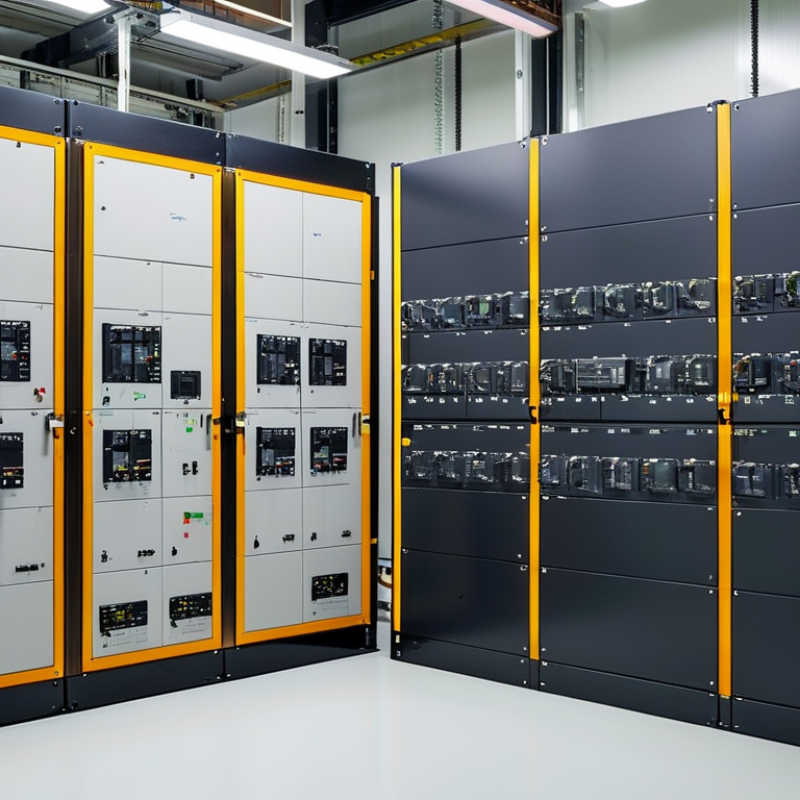
Switchgear is the equipment that controls, protects, and isolates electrical circuits. It includes circuit breakers, disconnectors, fuses, protection relays, and busbars. In a factory, it may sit inside a metal cabinet near transformers or production lines. When a fault occurs, reliable switchgear can interrupt current quickly and reduce damage, downtime, and safety risks.

Global buyers must assess more than the purchase price. A suitable Rmu Switch should match the network voltage, fault level, frequency, installation space, and maintenance plan. Outdoor equipment may need protection against humidity, dust, salt air, or extreme heat. Ask suppliers for routine test records, type-test evidence, drawings, spare-parts information, and clear warranty terms. Standards matter too. Requirements can differ between regions, so technical documents should be checked by qualified engineers before ordering.

Small details often expose weak planning. Can technicians reach the cable terminals safely? Are labels readable after years of heat and dust? Does the supplier explain transport packaging and commissioning support? A cheaper unit may become expensive if its protection settings are unclear or replacement parts are unavailable. That risk is easy to underestimate. I would also question impressive specifications without test conditions or measured values. Real reliability depends on design, manufacturing control, inspection, installation, and service discipline—not one attractive number.

How the Top Ten Switchgear Suppliers Were Selected

How the Top Ten Switchgear Suppliers Were Selected

The top ten suppliers were assessed through a practical, evidence-based process. Company reputation alone was not enough. We reviewed product ranges, manufacturing capacity, quality controls, and documented project experience. Suppliers serving medium- and high-voltage applications received closer attention.

Safety performance was a central measure. We looked for testing records linked to recognized international standards, including IEC and IEEE requirements where applicable. Factory inspections, routine test procedures, and traceable component records also influenced the evaluation. Clear technical drawings mattered. So did accurate ratings for voltage, current, short-circuit withstand, and enclosure protection.

Delivery reliability was examined through production timelines, export experience, and spare-parts planning. A supplier may offer excellent equipment but struggle with installation support. That weakness matters. We therefore considered commissioning assistance, training, warranty clarity, and response times after delivery. Evidence from completed projects was more useful than polished promotional claims.

Cost was reviewed carefully, but the lowest quotation did not automatically rank highest. Lifecycle value often depends on maintenance access, replacement parts, energy losses, and operator safety. We also considered customization for climate, site layout, and local grid conditions. Public information can change, and some service claims are difficult to verify independently. That limitation deserves attention. The final selection reflects available evidence, technical consistency, and practical value for global buyers.

Profiles of the Ten Leading Switchgear Suppliers

Profiles of the Ten Leading Switchgear Suppliers

The ten suppliers profiled here represent different strengths, from medium-voltage distribution to high-voltage transmission equipment. Their selection considers IEC compliance, factory testing, service coverage, delivery records, and documented project experience. MarketsandMarkets estimates that the global switchgear market may grow from about USD 93 billion in 2023 to USD 130 billion by 2028. That expansion raises buyer expectations, not just order volumes.

One supplier focuses on compact Ring Main Switch units for urban substations. Another specializes in metal-clad switchboards for factories, where dust control and arc resistance matter. Several suppliers provide vacuum circuit breakers, digital protection relays, and remote monitoring systems. Buyers should inspect type-test reports, short-circuit ratings, enclosure classifications, and spare-parts policies. A practical check includes opening a sample cabinet and tracing every terminal label. It sounds basic. Errors still occur.

The remaining profiles cover renewable-energy collection systems, railway electrification, marine installations, and customized low-voltage assemblies. IEA’s Electricity 2024 report projects global electricity demand growth of about 3.4% annually from 2024 to 2026, increasing pressure on grid reliability. Strong suppliers support commissioning teams, train local technicians, and provide clear maintenance intervals. However, no supplier is ideal for every project. Delivery claims can change with copper prices, testing capacity, and import procedures. A careful buyer should compare three technical offers, not three brochures.、】【

10 Best Switch Gear Suppliers for Global Buyers - Profiles of the Ten Leading Switchgear Suppliers
Profile Primary Supplier Region Main Voltage Coverage Core Switchgear Categories Common Technical Standards Typical Enclosure or Protection Level Key Application Sectors International Supply Coverage Buyer Selection Strength
Leading Supplier Profile 01 Western Europe Low voltage to 420 kV LV assemblies MV metal-enclosed GIS AIS IEC 61439; IEC 62271-200; IEC 62271-203; IEC 62271-100 Indoor IP4X or higher; outdoor enclosures commonly IP54 or higher Utilities, renewable-energy plants, industrial facilities, rail systems Strong global project coverage Broad portfolio and mature compliance documentation
Leading Supplier Profile 02 North America Low voltage to 550 kV Switchboards Metal-clad gear AIS Substation equipment ANSI C37 series; IEEE standards; IEC specifications for international projects NEMA enclosure practices; outdoor equipment typically weather-resistant Data centers, commercial buildings, utilities, oil and gas, heavy industry High North American and international reach Strong service networks and utility-oriented engineering
Leading Supplier Profile 03 East Asia Low voltage to 550 kV MV switchgear HV AIS GIS Ring main units IEC 62271 series; IEC 61439; local grid-code requirements Indoor metal-enclosed systems; outdoor designs commonly rated IP54 to IP55 Transmission grids, solar farms, wind farms, manufacturing, infrastructure Extensive Asia-Pacific and export coverage Competitive production scale and wide voltage range
Leading Supplier Profile 04 Japan and South Korea Low voltage to 800 kV HV GIS AIS substations MV gear Protection panels IEC 62271; IEEE C37; regional utility specifications Sealed gas-insulated enclosures and weatherproof outdoor assemblies Power transmission, metro systems, industrial plants, interconnection projects Strong high-voltage export capability Advanced engineering for demanding transmission projects
Leading Supplier Profile 05 India and South Asia Low voltage to 420 kV Distribution panels MV AIS RMU Substation packages IEC 61439; IEC 62271; national electrical and utility standards Indoor IP4X or higher; outdoor metal enclosures generally IP54 or above Distribution utilities, commercial projects, railways, cement, metals Growing Middle East, Africa and South Asia reach Flexible project customization and cost-effective manufacturing
Leading Supplier Profile 06 Central and Eastern Europe Low voltage to 245 kV MV metal-clad gear Compact substations AIS Control panels IEC 62271-200; IEC 61439; EN-adopted electrical standards Indoor compartmentalized designs; outdoor units commonly IP54 to IP65 Distribution networks, factories, public infrastructure, renewable energy Strong European project compatibility Good integration with European grid and documentation practices
Leading Supplier Profile 07 Middle East Low voltage to 420 kV MV switchgear AIS GIS Packaged substations IEC 62271; IEC 61439; utility-specific technical specifications Outdoor equipment commonly designed for high heat, dust and IP54 to IP65 protection Oil and gas, desalination, airports, utilities, large construction projects Strong regional project and EPC support Experience with harsh-climate and critical-infrastructure requirements
Leading Supplier Profile 08 South-East Asia Low voltage to 230 kV LV switchboards MV panels RMU Solar collection gear IEC 61439; IEC 62271; local authority and utility requirements Indoor IP4X or higher; tropicalized outdoor designs commonly IP54 or above Commercial buildings, data centers, industrial parks, solar and infrastructure Established ASEAN and selected export coverage Responsive customization for medium-scale projects
Leading Supplier Profile 09 Australia and New Zealand Low voltage to 245 kV LV assemblies MV switchgear Outdoor substations Mining gear IEC 61439; IEC 62271; AS/NZS electrical standards Outdoor equipment typically uses corrosion-resistant, weatherproof enclosures Mining, utilities, renewable energy, transport, commercial facilities Strong Oceania and Pacific project coverage Well suited to remote, high-temperature and high-corrosion environments
Leading Supplier Profile 10 Latin America Low voltage to 245 kV LV distribution boards MV AIS RMU Substation assemblies IEC 61439; IEC 62271; national utility and certification requirements Indoor IP4X or higher; outdoor applications commonly require IP54 or greater Utilities, mining, pulp and paper, food processing, commercial construction Strong regional distribution and project support Knowledge of local approvals, climate conditions and utility practices

Key Products and Technologies Offered by Each Supplier

For global buyers, the ten strongest switch gear suppliers compete through product depth, not catalogue size. MarketsandMarkets’ 2024 switchgear report projects roughly 6% annual market growth through 2030. That expansion reflects renewable integration, industrial electrification, and aging grid assets.

Core offerings include air-insulated and gas-insulated switchgear, compact substations, and Medium Voltage Switch panels. Several suppliers provide vacuum circuit breakers rated for frequent operations. Others focus on low-voltage assemblies, motor control centers, or high-voltage disconnectors. Digital protection relays now record fault waveforms, while thermal sensors monitor busbars inside sealed compartments. Useful technology, but not magic.

Buyers should examine IEC 62271 compliance, short-circuit ratings, enclosure protection, and maintenance access. The IEC standard gives a technical baseline, yet local certification may still differ. IEA’s Electricity Grids and Secure Energy Transitions report estimates that more than 80 million kilometres of grids require new construction or refurbishment by 2040. That scale increases demand for modular designs, remote monitoring, and interoperable control systems.

The best suppliers also offer engineering studies, factory acceptance testing, spare parts, and commissioning support. Some provide digital twins and predictive maintenance platforms. Others remain stronger in rugged mechanical construction than software. That difference matters in dusty substations or humid coastal plants. A ranking can oversimplify quality. Delivery history, documented testing, cybersecurity controls, and service response often reveal more than a polished brochure.

Comparing Quality, Certifications, Pricing, and Global Support

Global buyers should compare switchgear suppliers through quality, certification, pricing, and support. The IEA Electricity 2024 report recorded 2.2% global electricity demand growth in 2023. It forecasts average annual growth of 3.4% from 2024 to 2026. This growth increases pressure on suppliers to deliver reliable equipment quickly.

For an Outdoor post switch, inspect enclosure strength, corrosion protection, temperature limits, and service access. Check compliance with IEC 62271-200 for medium-voltage assemblies or IEC 60947-1 for low-voltage equipment. Ask for routine test records, type-test evidence, and traceable component data. Certification alone is not enough. Pricing should include freight, installation, spare parts, testing, and warranty coverage. A low quotation may hide expensive commissioning work. Compare at least three detailed quotations with identical technical requirements.

Tips: Request a sample inspection report before placing an order. Ask how failures are handled across borders. The World Bank’s Logistics Performance Index 2023 shows wide differences in customs and delivery capability between countries. Therefore, evaluate local technical partners, response times, remote diagnostics, and spare-part stock. My practical concern is simple: supplier promises can sound precise, yet field support may remain vague. Put every service commitment in writing, including escalation contacts and replacement timelines.

How to Choose the Right Switchgear Supplier for Your Project

Choosing a switchgear supplier begins with your project’s actual electrical conditions, not a polished catalog. Define voltage, fault current, enclosure rating, busbar configuration, and installation environment. Ask for type-test reports, routine-test procedures, material details, and protection coordination data. Documents matter. A reliable supplier explains assumptions instead of hiding behind standard wording. If specifications remain vague, request a marked technical schedule before discussing price. This step prevents expensive redesigns.

Evaluate manufacturing control, engineering capacity, and after-sales support together. Request factory acceptance testing with clear inspection points and witness options. Inspect wiring labels, torque records, insulation clearances, and protective-device settings. Small details reveal discipline. Check whether engineers can support local installation and respond during commissioning. A supplier should provide drawings in your required format and answer revision comments promptly. Delayed answers can become delayed energization.

Commercial comparison needs more than unit cost. Include shipping, spare parts, commissioning, training, warranty response, and expected maintenance access. Ask for lead times based on current production capacity. Promises are easy. Speak with recent customers about delivery accuracy and site support, not only product quality. It is easy to overvalue a low price, especially under schedule pressure. I would also score communication, because unclear technical replies often create hidden project costs. No scorecard is perfect; leave room for independent inspection and realistic contingency planning.

10 Best Switchgear Suppliers for Global Buyers: Supplier Evaluation Priorities

This chart presents a practical 100-point evaluation model for comparing switchgear suppliers without using company or brand data. Technical compliance and safety receive the highest weighting because international projects commonly require alignment with applicable IEC standards, verified ratings, and documented testing. Buyers should adjust the weighting according to voltage level, installation environment, project risk, and local regulations.

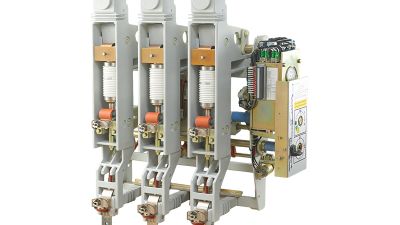
12kV Switching Made Safer: Guide to the FZN/FZRN25-12DG Vacuum Load Isolation Switch

The FZN/FZRN25-12DG vacuum load isolation switch is engineered for safer switching in 12kV, 50Hz power systems. Its vacuum interrupter uses clearly separated interruption gaps to provide strong insulation and reliable arc control during operation. With a power-frequency withstand capability of up to 42kV and a lightning impulse withstand level of 75kV, the switch helps protect electrical equipment against routine overvoltage and transient surge conditions.

Designed for demanding industrial installations and ring network applications, this high-voltage switch supports a rated short-time withstand current of 25kA. Its vacuum-based interruption technology reduces the need for extensive maintenance while supporting more than 10,000 operating cycles under suitable service conditions. Manufactured in China, the unit combines dependable isolation performance with practical installation requirements, making it suitable for feeder control, equipment maintenance, and sectionalizing operations. As a specialized factory-produced solution, it can be configured for electrical distribution systems that require stable switching, clear isolation, and long-term operational durability.

FAQS

What does switchgear do in an electrical system?

Switchgear controls, protects, and isolates electrical circuits. It includes breakers, disconnectors, fuses, relays, and busbars. During a fault, it interrupts current quickly. This can limit equipment damage and production downtime.

What should global buyers check before ordering switchgear?

Confirm the system voltage, frequency, fault level, available space, and maintenance plan. Check whether the equipment suits indoor or outdoor installation. Climate also matters. Humidity, dust, salt air, and heat can affect performance.

Why is the lowest purchase price not always the best choice?

A cheaper unit may lack clear protection settings or replacement parts. Difficult maintenance can increase costs later. Transport, installation, training, and downtime also affect lifecycle value. The quotation rarely shows everything.

Which technical documents should buyers request?

Request routine test records, type-test evidence, technical drawings, warranty terms, and spare-parts information. Ask for measured values and test conditions. Impressive specifications need evidence.

What safety details deserve close attention?

Technicians should reach cable terminals safely. Labels must remain readable after years of heat and dust. Enclosure protection and short-circuit ratings should match site conditions. Small details matter.

What switchgear technologies are commonly available?

Common options include air-insulated and gas-insulated systems, compact substations, and medium-voltage panels. Vacuum breakers support frequent operations. Digital relays can record fault waveforms. Thermal sensors can monitor busbars.

How do standards and local requirements affect equipment selection?

International standards provide a useful technical baseline. Local certification and grid rules may still differ. Qualified engineers should review the documents before ordering. Compliance is not automatic.

What support should a supplier provide after delivery?

Useful support includes factory acceptance testing, commissioning assistance, training, spare parts, and clear response times. Digital monitoring can help with maintenance. Still, software cannot replace sound installation discipline.

How can buyers judge supplier reliability beyond promotional claims?

Review manufacturing capacity, inspection procedures, delivery history, export experience, and completed projects. Check component traceability and service records. A polished brochure proves little. I would remain cautious.

Can a supplier ranking guarantee the best equipment?

No ranking can capture every site condition or service problem. Public information may be incomplete or outdated. The final decision should reflect verified testing, local support, climate needs, and practical maintenance access. Mistakes remain possible.

Conclusion

This article provides a practical guide to the 10 best Switch Gear suppliers for global buyers. It explains what switchgear is, why it is essential for electrical safety, power distribution, and system reliability, and how leading suppliers can be evaluated through product quality, engineering capability, certifications, production capacity, pricing, delivery performance, and international support. The selection process focuses on factors that matter to commercial, industrial, infrastructure, and energy projects without promoting any specific brand.

Readers will gain an overview of the key products and technologies commonly offered by top suppliers, including low- and medium-voltage equipment, protection systems, control panels, automation solutions, and customized configurations. The article also compares supplier strengths in quality assurance, compliance, cost efficiency, technical service, warranty coverage, and after-sales support. Finally, it outlines how to match a supplier’s capabilities with project voltage requirements, operating conditions, budget, delivery schedule, installation needs, and long-term maintenance expectations.
Henry

Henry

Henry is a dedicated marketing professional with extensive expertise in the electrical equipment industry. Proudly representing a company that boasts unparalleled supply chain advantages, he plays a pivotal role in promoting an impressive portfolio of over 200 series and 25,000 models, which......
Previous 2026 Top Distribution Transformer Manufacturers and Suppliers