In the fast-changing world of energy, really getting to know what a Substation Transformer is all about can make a big difference for buyers around the globe. Dr. Robert Anderson, a well-known expert in power systems engineering, points out that, "Choosing the right Substation Transformer can seriously impact how efficient and reliable your power distribution will be." That really highlights why it’s so important to be well-informed when you’re picking out a transformer.
The market’s got a bunch of options, but not every single one will fit your specific needs. Buyers should look at things like capacity, voltage ratings, and design features. These details might seem small, but they can totally affect how well the transformer performs and how long it lasts. Sadly, a lot of people overlook these key points, and that can end up costing a lot down the line.
Most folks in the industry agree that understanding what to look for and trusting your choices are super important. Still, it’s not always easy. When you don’t have the right info, it’s easy to make a not-so-great decision. The idea is to give buyers the tools and knowledge they need to confidently navigate the world of Substation Transformers. As things keep changing in this industry, staying updated and learning new stuff is pretty much a must.
Understanding Substation Transformers: Key Functions and Applications
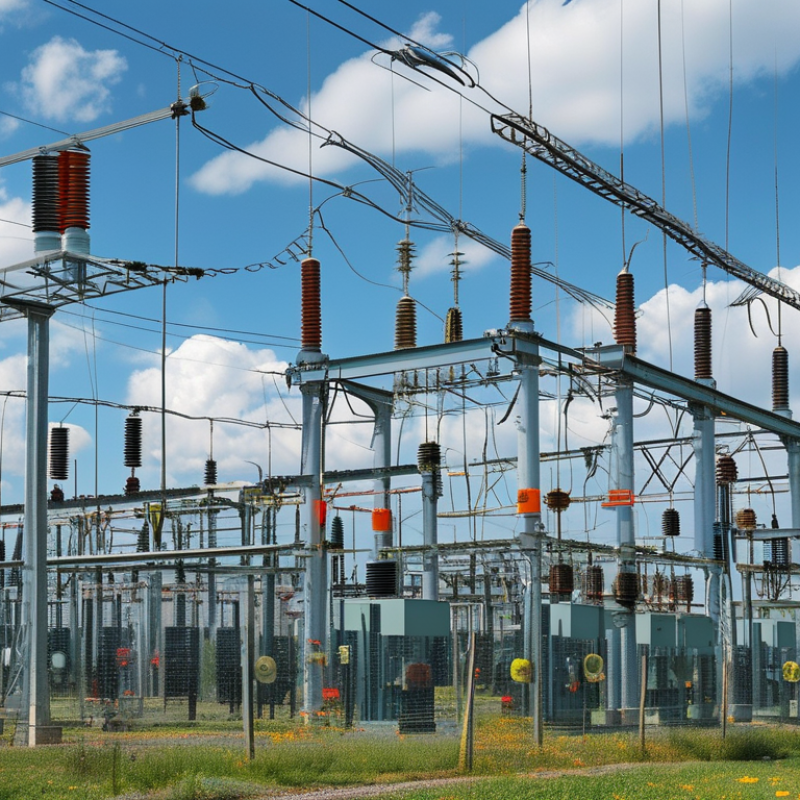
Substation transformers play a crucial role in the power distribution network. They are responsible for stepping down high voltage levels from transmission lines to a lower voltage suitable for distribution. According to industry reports, substation transformers are essential for maintaining voltage stability and ensuring energy efficiency in power systems. The global demand for these transformers is expected to grow, driven by urbanization and renewable energy integration.
These transformers are not just about voltage transformation. They also encompass various functionalities, including isolation, protection, and fault management. Modern Substation Power Transformers are designed to withstand significant electrical stress and environmental conditions. Data from recent studies indicate that over 70% of electrical failures in power systems relate to issues with transformers, underscoring their importance.
However, it's essential to understand that not all substation transformers are created equal. Variability in efficiency, loss levels, and cooling techniques can affect performance. Many buyers may overlook these factors when purchasing. Investing in a substation power transformer requires a thorough evaluation of technical specifications and operational requirements. This ensures not only compliance with standards but also long-term reliability and safety in energy distribution.
Types of Substation Transformers: A Comprehensive Overview
Substation transformers are crucial components in the electrical distribution network. They play a vital role in converting voltage levels, ensuring stable and reliable power supply to various infrastructures. The global market for substations is expected to reach approximately $20 billion by 2026, highlighting the growing importance of these transformers.
Among the different types of substation transformers, three main categories emerge:
-
Step-up transformers: increase voltage for long-distance transmission.
-
Step-down transformers: lower voltage for local distribution.
-
Isolation transformers: provide electrical separation between systems.
Each type has specific applications and operational efficiencies, making it essential for buyers to understand these differences.
Industry reports suggest that around
70% of substations utilize voltage transformer technology for effective energy management. However, challenges remain. Selection of the right transformer is often complicated by varying standards and regulations across regions. Buyers need to be well-informed and proactive in researching requirements. This complexity can lead to poor investment decisions if not addressed properly, underscoring the importance of understanding the specific demands of your project.
Technical Specifications: Voltage, Capacity, and Efficiency Ratings
When purchasing a substation transformer, understanding technical specifications is crucial. Voltage ratings indicate the operational limits. Common ratings include 10 kV and 20 kV, which cater to various distribution needs. Higher voltage ratings generally result in lower losses, making them ideal for extensive power distribution networks. Additionally, capacity is another significant factor. The rating in megavolt-amperes (MVA) directly influences operational efficiency. Many modern installations favor transformers in the 5-20 MVA range, striking a balance between space and capability.
Efficiency ratings are vital. They often reflect how much energy is lost during operation. Modern transformers boast efficiency levels above 98%, minimizing energy waste. In scenarios of high demand, investing in a Compact Substation Transformer can offer considerable benefits, ensuring both space-efficient design and high performance. Ineffective transformers can lead to increased operational costs over time, making efficiency assessments essential.
Tip: Focus on transformers that meet or exceed the standards set by international bodies like IEEE or IEC. These specifications provide benchmarks for reliability and performance. As you compare options, don't overlook the importance of load factors. Understanding load variations helps in selecting the optimal transformer for your needs.
Substation Transformer Characteristics
Factors Influencing Transformer Performance and Longevity
When considering a Substation Voltage Transformer, various factors impact its performance and lifespan.
One crucial factor is the quality of materials used in construction. High-grade insulation materials can significantly extend the life of a transformer.
Poor insulation can lead to premature failure and increased maintenance costs. Likewise, conducting regular inspections can uncover wear and tear that might affect functionality.
Temperature control also plays a vital role in transformer longevity. High temperatures can accelerate deterioration. Effective cooling systems are essential to manage heat, particularly in larger substations.
It’s crucial to ensure that cooling units function properly. Overlooking this can lead to catastrophic failures.
Another aspect to consider is the electrical load on the transformer. Under or overloading can reduce efficiency and increase the likelihood of failure.
Predictive maintenance can help in identifying load issues before they cause serious damage.
The complexity of these factors highlights the importance of making informed decisions. Investing time in understanding these dynamics may indeed save costs and improve reliability.
Cost Analysis: Budgeting for Substation Transformer Purchases
When planning a substation transformer purchase, cost analysis is key. Responsible budgeting ensures you don’t overspend while meeting operational needs. The initial price is only one aspect; it’s essential to consider installation, maintenance, and energy efficiency. These costs can add significantly to the overall investment.
Budgeting goes beyond the price tag. Research shows that opting for cheaper models can lead to higher operational costs in the long run. Focus on efficient transformers. Look for incentives that may reduce initial expenses. Local energy providers sometimes offer rebates for energy-efficient systems.
Tip: Always account for unexpected costs. This includes installation complications and additional equipment needs.
Tip: Consult with professionals. Getting expert advice can help identify critical specifications that impact costs.
Contemplating various options can confuse buyers. While it's tempting to choose the lowest price, think about reliability and performance. Balancing cost with quality leads to better long-term outcomes.
Global Market Trends: Demand Growth and Key Players in 2026
As we look ahead to 2026, the global substation transformer market is witnessing significant growth. This surge is primarily fueled by the rising demand for reliable power supply systems. Countries worldwide are investing heavily in their electrical infrastructure, which directly impacts transformer requirements. New energy initiatives and the shift toward renewable sources further amplify this demand.
Key players in the market are adapting strategies to stay competitive. Many companies are focusing on innovation, aiming to improve transformer efficiency and sustainability. However, this rapid evolution poses challenges for manufacturers. Keeping pace with technological advancements requires constant investment in research and development. Additionally, the pressure to meet regulatory standards complicates operations.
Despite these challenges, opportunities abound. Emerging markets display increasing electricity consumption, which drives the need for substations. Yet, companies must remain vigilant. Supply chain disruptions and fluctuating raw material prices can threaten stability. Balancing growth with responsibility will be crucial for stakeholders in this evolving landscape.
Installation and Maintenance Considerations for Optimal Operation
When considering installation for substation transformers, proper site evaluation is essential. Choose a location with suitable ground conditions to support the transformer’s weight. Proximity to existing power lines can minimize installation costs. Security measures are also crucial to protect equipment from vandalism or theft. Check local regulations to ensure compliance with safety codes.
Regular maintenance is vital for optimal operation. Schedule routine inspections to identify potential issues early. This includes monitoring oil levels and checking for leaks. Overheating can lead to serious faults, making thermal monitoring systems beneficial. Properly training maintenance staff is important, as their expertise directly affects the reliability of operations.
It’s common to overlook small details during installation and maintenance. A simple oversight, like incorrect cable connections, can cause major disruptions. However, learning from these mistakes is key. Regularly review and revise maintenance protocols to improve efficiency. Ultimately, a well-thought-out plan leads to sustainable performance and reliability.
Innovative Applications and Benefits of S□ Series 6-10kV Oil-Immersed Power Transformers in Modern Electrical Systems
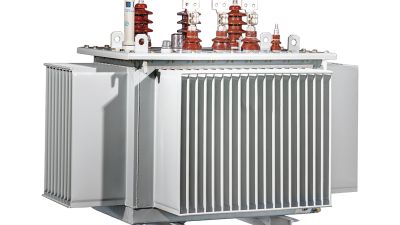
The S□ Series 6-10kV oil-immersed power transformers represent a significant advancement in the field of electrical systems, particularly in applications such as daily lighting and factory power supply. With capacities reaching up to 2500kVA, these transformers are engineered to deliver exceptional efficiency and reliability. Their design prioritizes low losses and minimal noise, making them suitable for varying operational environments while ensuring a quieter ambiance.
In addition to their high performance, the S□ series transformers are equipped with robust short-circuit resistance, which enhances their durability and safety in high-stress conditions. The availability of multiple models within the series (such as S22, S20, S13, S11) allows users to select the most fitting transformer based on specific requirements and energy efficiency goals. Meeting diverse national energy efficiency standards, the S□ series caters to a wide range of businesses looking to optimize their power distribution systems while aligning with sustainability initiatives. The innovative applications of these transformers not only improve energy consumption but also contribute to a more resilient electrical infrastructure.
FAQS
: Cost analysis is key. Responsible budgeting prevents overspending while meeting your operational needs.
Installation, maintenance, and energy efficiency costs are essential and can significantly increase overall investment.
Cheaper models can lead to higher operational costs in the long run. Focus on efficiency instead.
Look for incentives and rebates offered by local energy providers for energy-efficient systems.
Unexpected costs, like installation complications and additional equipment needs, should be included.
Expert advice helps identify critical specifications that can impact overall costs significantly.
It leads to better long-term outcomes in performance and reliability. Quality often outweighs low cost.
Rising demand for reliable power supply systems is fueling significant investments in electrical infrastructure.
Keeping up with technological advancements and meeting regulatory standards requires constant investment.
Supply chain disruptions and fluctuating raw material prices can jeopardize operational stability.
Conclusion
Substation Transformers play a critical role in the electric power distribution system, facilitating the transmission of electricity at various voltage levels. Understanding their key functions and applications is essential for buyers, as they vary significantly in type and specifications, including voltage ratings, capacity, and efficiency. The article outlines factors that influence transformer performance and longevity, emphasizing the importance of proper installation and maintenance to ensure optimal operation.
Additionally, the cost analysis section provides insights into budgeting for substation transformer purchases, while the global market trends highlight the anticipated demand growth and key players in the industry by 2026. This comprehensive guide equips global buyers with the necessary knowledge to make informed decisions regarding their substation transformer needs, ensuring efficient and reliable power distribution.