

The market for Distribution Transformers in 2026 is becoming pretty demanding. Utilities are really looking for units they can count on—those that offer lower losses, are dependable, and can be replaced quickly when needed. Plus, with more renewable projects popping up, there's an extra layer of challenge. Loads aren’t as predictable anymore—they tend to change sharply during the day, which keeps everyone on their toes.
In this guide, we'll talk about some of the biggest players out there—think Hitachi Energy, Siemens Energy, Schneider Electric, Eaton, GE Vernova, Toshiba Energy Systems, TBEA, and Wilson Power Solutions. We’ll take a close look at their product ranges, voltage capacities, efficiency levels, insulation systems, testing procedures, service options, and how reliable their delivery is. Standards like IEC 60076 are a helpful technical pointer—bottom line, they set a good baseline. But just because a product meets standards doesn’t always mean it’ll perform perfectly in the real world.
You might see the term Power Transformer Distribution Transformer, which covers related equipment, but be aware—they aren’t all doing the same job. Distribution units usually sit closer to end-users and need to handle load changes every day—safely and smoothly. It’s those small details that really matter: think copper connections, oil temperature, enclosure seals, noise levels, and easy access to spare parts. One weak component or accessory could delay a project—and we definitely don’t want that.
Martin J. Heathcote, a well-respected expert in transformers, once said, “The transformer is one of the most reliable pieces of electrical equipment in service today.” But that reliability comes down to good design and proper maintenance—not just which brand carries the reputation. When evaluating suppliers, it’s wise to check their test certificates, ask for references, review warranty terms, and understand their local support capabilities.
Of course, no ranking or list can claim to be perfect for everyone. For example, a utility in a rural area might care more about quick repair service than fancy digital monitoring features. Or a solar project might put a premium on compact size and strong thermal performance. Be cautious of incomplete or overly marketing-heavy data from suppliers—sometimes, it’s best to focus on actual evidence and real-world feedback rather than sales spiel. And let’s be honest—picking the lowest price isn’t always the best move. Those initial savings can quickly turn into big costs if there are failures, delays, or parts that are hard to get when you need them most.
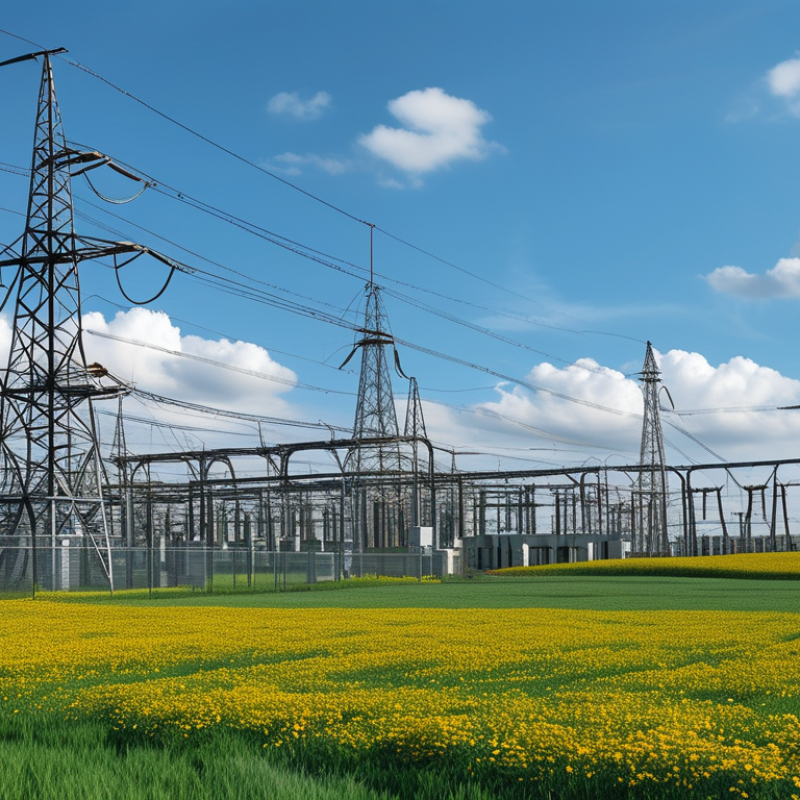
A Distribution Transformer transfers electrical energy from a medium-voltage feeder to usable low-voltage power. It usually serves homes, offices, farms, and small industrial facilities. These units operate close to the final customer, reducing voltage before electricity enters a building. Typical equipment includes a magnetic core, copper or aluminum windings, insulation, bushings, and a protective tank. Oil-filled designs use insulating liquid for cooling, while dry-type units rely on air and solid insulation.
The U.S. Department of Energy estimates that distribution transformer losses consume about 60 billion kilowatt-hours annually in the United States. This figure shows why efficiency matters, even when each unit appears modest. The IEA’s Electricity Grids and Secure Energy Transitions report says annual grid investment must exceed 600 billion dollars by 2030. More renewable generation will also create sharper voltage changes and uneven loading. Efficiency alone is not enough.
Engineers therefore evaluate capacity, impedance, temperature rise, harmonics, fault duty, and expected load growth. IEEE C57.12.00 provides widely used requirements for liquid-immersed distribution transformers. Field inspections should check oil condition, corrosion, noise, hot spots, and connection tightness. A practical weakness remains. Nameplate ratings rarely describe real customer behavior. Evening charging, rooftop generation, and summer cooling can change loading quickly. The neat textbook definition can mislead. Good selection depends on measured load profiles, installation conditions, and realistic maintenance planning.
Distribution transformers are classified by construction, installation, phase, and cooling method. Common categories include liquid-immersed and dry-type units, single-phase and three-phase designs, plus pole-mounted, pad-mounted, and vault installations. A Pole Distribution Transformer usually serves overhead networks, where compact size, weather resistance, and safe clearances matter. Dry-type transformers are often selected inside buildings because they avoid liquid leakage risks. IEC 60076 and IEEE C57.12 standards define widely used testing and performance requirements.
Ratings describe what a transformer can deliver safely. The nameplate typically lists kVA capacity, primary and secondary voltage, frequency, impedance, insulation level, temperature rise, and connection group. A 100 kVA unit may look adequate for a rural feeder, yet motor starting currents and future load growth can change the selection. The U.S. Energy Information Administration reported that electricity demand reached record levels in 2024, reinforcing the need for realistic load studies. Oversizing also deserves reflection; it can increase purchase cost and no-load losses.
Efficiency is evaluated under defined loading conditions, not only at full load. The U.S. Department of Energy’s efficiency rules cover distribution transformers and use test procedures for consistent comparison. IEA’s Electricity 2024 report projected global electricity demand growth of about 3.4% annually through 2026. That forecast makes voltage regulation, thermal margins, and maintenance access increasingly important. Field conditions still complicate neat classifications: high altitude, polluted air, unbalanced loads, and seasonal peaks can invalidate a simple catalog choice.
How Distribution Transformers Are Classified and Rated
The chart shows commonly used preferred apparent-power ratings for distribution transformers, expressed in kVA. Distribution transformers are commonly classified by phase, insulation and cooling method, installation type, primary voltage, secondary voltage, and rated capacity. Typical designs include single-phase or three-phase units, oil-immersed or dry-type transformers, and pole-mounted, pad-mounted, or indoor equipment. The listed ratings are standardized nominal size steps and do not represent manufacturer market share or sales volume.
Choosing a distribution transformer supplier requires more than comparing prices. Evaluate proven field experience, technical competence, and transparent documentation. Ask for test reports covering voltage ratio, insulation resistance, temperature rise, and load losses. These records should match recognized IEC or IEEE requirements and include traceable serial numbers.
Inspect the factory, if possible. Look at coil winding areas, drying ovens, oil handling equipment, and final inspection stations. A reliable manufacturer can explain material grades, cooling methods, short-circuit strength, and protection options clearly. Request customer references from similar climates and load conditions. Delivery history also matters. A low quotation means little if replacement parts arrive late.
Do not rely on polished brochures alone. Review quality-control procedures, calibration records, and nonconformance handling. Suppliers should provide drawings before production and notify buyers about approved design changes. Cybersecurity may also matter when monitoring devices connect to plant networks. No manufacturer is perfect, and minor documentation gaps can reveal weak internal control. However, an honest supplier should acknowledge limitations and propose corrective actions. During evaluation, record response times, not just technical answers. A supplier that responds precisely under pressure may prove more dependable after installation.
Leading distribution transformer manufacturers in 2026 are judged by more than production volume. They must demonstrate stable engineering, disciplined testing, and dependable service. A reliable supplier studies voltage levels, load patterns, climate, and installation space before recommending equipment. This practical approach helps prevent overheating, excessive losses, and premature insulation aging.
Manufacturers producing Power Distribution Transformer units should follow recognized standards, including IEC 60076 or IEEE C57 requirements. Their quality teams typically check winding resistance, voltage ratio, insulation performance, and oil dielectric strength. Factory records should identify materials, test dates, and corrective actions. Clear documentation matters during commissioning and later maintenance. It also shows whether the supplier understands field conditions, not just factory output.
Small details reveal real experience. Technicians should inspect bushings for cracks, confirm torque on terminal connections, and verify grounding before energization. A supplier that offers training, spare-part guidance, and responsive troubleshooting adds measurable value. No factory gets every decision right. Even experienced teams can underestimate sudden load growth or difficult transport routes. That weakness deserves honest review. Buyers should ask about failure investigations, warranty handling, and local technical support. A strong manufacturer answers with evidence, not vague promises. Short delivery times help, but consistent performance matters more when a transformer serves a hospital, workshop, or rural feeder.
In 2026, distribution transformer suppliers will remain strongly regional. Grid design, voltage standards, climate exposure, and public procurement rules shape purchasing decisions. According to the International Energy Agency’s Electricity Grids and Secure Energy Transitions report, global grid investment must nearly double by 2030. That expansion increases demand for reliable medium-voltage equipment.
In North America, suppliers are prioritizing domestic capacity, shorter lead times, and utility-approved designs. The U.S. Department of Energy’s 2024 Transformer Supply Chain Review identified constrained production capacity and extended delivery schedules as major risks. A substation project may still face delays after the transformer is ordered. It is an uncomfortable reality.
European suppliers increasingly focus on low-loss designs, recycled materials, and compliance with strict efficiency requirements. The European Commission’s Ecodesign rules continue pushing manufacturers toward lower no-load and load losses. In Asia-Pacific, dense urban growth and renewable-energy connections support high-volume production. Regional suppliers often provide flexible ratings, compact enclosures, and faster customization.
The Middle East and Africa require equipment suited to heat, dust, transport limits, and uneven grid conditions. Practical specifications matter more than attractive brochures. Buyers should examine factory testing, oil quality controls, warranty response, and installed references. MarketsandMarkets has projected continued growth in the distribution transformer sector, but forecasts can overstate real demand. Currency pressure, copper prices, and permitting delays can change regional rankings quickly. Supplier selection needs evidence, not optimism.
| Region | Primary Distribution Voltage | Typical Low-Voltage Output | Grid Frequency | Common Distribution Ratings | Typical Transformer Types | Key Technical Standards | Major Procurement Requirements |
|---|---|---|---|---|---|---|---|
| North America | 2.4–34.5 kV | 120/240 V, 208Y/120 V, or 480Y/277 V | 60 Hz | 25–2,500 kVA | Single-phase and three-phase pad-mounted, pole-mounted, and dry-type units | IEEE C57 series; applicable national electrical and energy-efficiency requirements | High demand for pad-mounted units, tamper-resistant enclosures, loop-feed configurations, and utility-specific testing |
| Europe | 6–36 kV | 400/230 V, three-phase four-wire systems | 50 Hz | 50–2,500 kVA | Oil-immersed hermetically sealed units, cast-resin dry-type units, and compact substations | IEC 60076 series; IEC 62271 requirements where integrated switchgear is supplied | Low-loss designs, environmental compliance, compact dimensions, low-noise operation, and conformity assessment documentation |
| Asia-Pacific | 6.6–33 kV | 400/230 V, 415/240 V, or other country-specific LV systems | 50 or 60 Hz | 50–2,500 kVA | Oil-immersed distribution transformers, compact substations, dry-type units, and renewable-energy transformers | IEC 60076 series and relevant national standards | Large infrastructure volumes, tropicalized designs, high ambient-temperature performance, corrosion protection, and export documentation |
| Latin America | 6.6–34.5 kV | 220/127 V, 380/220 V, or 400/230 V | 50 or 60 Hz | 15–2,500 kVA | Pole-mounted, pad-mounted, oil-immersed, and three-phase distribution units | IEC 60076 series, IEEE requirements, and local utility specifications | Outdoor weather resistance, voltage-tap flexibility, robust bushings, simplified maintenance, and reliable logistics for remote areas |
| Middle East | 6.6–33 kV | 400/230 V or country-specific 415/240 V systems | 50 Hz | 100–2,500 kVA | Oil-immersed outdoor units, packaged substations, and dry-type transformers for buildings and industrial facilities | IEC 60076 series; national utility specifications and project-specific fire-safety requirements | High ambient-temperature ratings, desert dust protection, anti-corrosion systems, low-noise performance, and fire-risk control |
| Africa | 6.6–33 kV | 400/230 V or 415/240 V | 50 Hz in most markets | 25–2,500 kVA | Pole-mounted and ground-mounted oil-immersed transformers, compact substations, and off-grid distribution units | IEC 60076 series and national utility or project standards | High-temperature operation, protection against humidity and dust, strong mechanical construction, serviceability, and off-grid compatibility |
| Central Asia and Eastern Europe | 6–35 kV | 400/230 V or local legacy distribution voltages | 50 Hz | 25–2,500 kVA | Oil-immersed outdoor units, kiosk substations, and industrial dry-type transformers | IEC 60076 series, regional electrical codes, and utility-specific technical conditions | Cold-climate operation, reinforced enclosures, wide tap ranges, freeze-resistant accessories, and compatibility with existing networks |
| Evaluation Dimension | Relevant Technical Indicators | Why It Matters in Procurement |
|---|---|---|
| Electrical Performance | Rated power, primary and secondary voltage, impedance, vector group, insulation level, and tap-changer range | Confirms compatibility with the existing distribution network and connected loads |
| Energy Efficiency | No-load loss, load loss, total loss, efficiency class, and lifecycle energy performance | Reduces operating costs and supports increasingly strict efficiency requirements |
| Environmental Suitability | Ambient-temperature rating, altitude capability, humidity protection, corrosion category, and enclosure rating | Helps ensure reliable operation in hot, humid, dusty, coastal, or high-altitude locations |
| Safety and Reliability | Temperature-rise limits, pressure-relief protection, fire performance, partial-discharge control, and routine test results | Supports personnel safety, asset protection, and long service life |
| Testing and Documentation | Routine test reports, type-test evidence, guaranteed-loss schedules, drawings, manuals, and conformity certificates | Enables technical approval, quality assurance, and regulatory compliance before delivery |
| After-Sales Capability | Spare-parts availability, commissioning support, warranty terms, field-service coverage, and repair lead times | Minimizes downtime and improves total cost of ownership throughout the transformer lifecycle |
In 2026, distribution transformer buyers are comparing products, technologies, and customization more closely. An Electric Distribution Transformer must match the site, not just the catalog. Common options include oil-immersed units, dry-type transformers, pole-mounted models, and compact pad-mounted designs. Each product serves different load, climate, noise, and fire-safety requirements. Field conditions matter. A coastal installation may need enhanced corrosion protection, while a high-altitude project may require adjusted cooling performance.
Modern manufacturers increasingly offer low-loss cores, aluminum or copper windings, sealed tanks, and temperature monitoring. Digital sensors can track winding heat, oil condition, and abnormal loading. These details support predictive maintenance and reduce unexpected outages. However, monitoring cannot replace correct installation. Poor ventilation, loose connections, or unbalanced loads can still shorten service life. That gap matters.
Customization may include voltage ratios, impedance values, tap changers, enclosure materials, cooling classes, and connection arrangements. Suppliers with engineering experience should review load profiles, short-circuit levels, ambient temperatures, and installation drawings before production. Factory testing should cover insulation resistance, ratio accuracy, winding resistance, and dielectric performance. Reliable suppliers also provide traceable test records and clear maintenance guidance. Specifications are sometimes incomplete. A careful technical review can reveal missing information before it becomes an expensive field problem. Redundancy, delivery schedules, spare parts, and local service support also deserve attention when selecting a 2026 supplier.
Selecting the right distribution transformer supplier requires more than comparing prices. Match the supplier’s experience with your operating conditions, such as 11 kV input, 415 V output, coastal air, or high daily loading. Ask for verified test reports covering losses, temperature rise, insulation strength, and short-circuit performance. A reliable supplier should explain these results clearly, not hide behind technical language.
Inspect the manufacturing process when possible. Review core material, winding methods, oil quality, factory testing, and inspection records. Check whether the supplier follows recognized IEC or IEEE requirements. Confirm delivery dates, spare-part access, installation guidance, and warranty response times. Site support matters. One delayed replacement can affect an entire facility. A low quotation may look attractive. It can also reflect thinner documentation or weaker after-sales service. I have learned that the cheapest unit is rarely the cheapest over twenty years.
Tips:
Provide accurate load data, including motor starting currents and future expansion. Request references from similar climate and voltage conditions. Compare total ownership cost, not only purchase price. Ask who handles failures after commissioning. Confirm communication in writing. Also, question assumptions. A supplier may understand transformers well but misunderstand your site. That mistake is easy to miss.
: It reduces medium voltage to usable low voltage near homes, offices, farms, and small factories. It serves the final connection.
Common parts include a magnetic core, copper or aluminum windings, insulation, bushings, and a protective tank. Oil-filled units use insulating liquid for cooling. Dry-type units use air and solid insulation.
Distribution transformer losses consume enormous amounts of electricity each year. Small losses become significant across thousands of units. Efficiency still cannot solve every grid problem.
Review measured load profiles, voltage levels, impedance, temperature rise, harmonics, and future demand. Evening charging and summer cooling can raise loading quickly. Nameplate ratings may not show real behavior.
Request drawings, test reports, material details, serial numbers, warranty terms, and maintenance instructions. Test records should cover voltage ratio, insulation resistance, temperature rise, and load losses. Missing records deserve careful questions.
Check winding areas, drying ovens, oil-handling equipment, calibration records, and final inspection stations. Observe how defects are recorded and corrected. Brochures are not enough.
Inspect bushings for cracks, confirm terminal torque, verify grounding, and examine oil condition. Check corrosion, unusual noise, hot spots, and connection tightness. A rushed inspection can become expensive.
Compare at least three suppliers using technical evidence, delivery history, support response, and warranty exclusions. Ask for references from similar climates and load conditions. The cheapest quotation may not be the lowest real cost.
No. Consistent performance, spare-part access, commissioning help, and emergency support matter more. Short delivery helps.
Engineers may underestimate sudden load growth, transport problems, or difficult installation spaces. No supplier makes perfect decisions. That is worth admitting. Ask how failures are investigated and corrected.
This guide provides a practical overview of the 2026 distribution transformer market, beginning with the purpose and operating principles of a Distribution Transformer in modern electrical networks. It explains how these units are classified by phase, insulation method, installation environment, voltage level, capacity, and efficiency rating. Readers will also learn how to evaluate manufacturers and suppliers through product quality, testing standards, production capability, safety performance, delivery reliability, technical support, and long-term service.
The article compares leading market participants and regional supply characteristics without focusing on individual brands. It also reviews current product options, including oil-immersed and dry-type designs, smart monitoring functions, energy-efficient materials, compact structures, and customized solutions for utilities, industrial facilities, commercial buildings, and renewable energy projects. Finally, it offers a structured approach to supplier selection by considering load requirements, operating conditions, compliance needs, total ownership cost, customization ability, warranty coverage, and after-sales support.