
Leave Your Message
0%

When you're looking to buy Potential Transformers, it’s not just about comparing prices or checking their rated voltage. These devices are pretty important—they support accurate measurements, help with protective relaying, and ensure decisions are safer across electrical systems. Even a tiny mistake in specs can cause big problems down the line. For instance, choosing the wrong ratio can mess up your readings, and an improper burden rating might reduce accuracy when under load. Plus, opting for poor insulation can cut short the lifespan of the transformer, especially in tougher environments.

I've put together seven practical tips that can help you evaluate Potential Transformers with more confidence. We’ll cover things like ratio requirements, accuracy classes, burden, insulation levels, construction quality, environmental factors, and what to look for in supplier documentation. Each point ties technical data to real-world buying decisions. For example, a transformer installed in a humid substation probably needs different protection than one inside a clean control room. Remember, experience really counts here—catalog numbers alone rarely tell the full story.

Don’t be afraid to ask detailed, precise questions. Make sure to review test reports, drawings, and certificates before giving any approval. You want to verify if the transformer is suitable for metering, protection, or maybe both. Pay close attention to terminal markings—reversing connections can mess with phase relationships and readings. Good manufacturers should offer traceable testing results and clear technical support. In critical situations, getting an independent review might also be a smart move.

Of course, no checklist is perfect. I’ve seen folks focus heavily on initial costs and overlook the long-term maintenance that might be needed later on. That kind of thinking might seem smart at first, but it can lead to unnecessary replacements down the road. Conditions vary a lot, so project teams should challenge their assumptions before placing an order. A careful comparison, documenting what's needed, and involving experienced engineers will give you a more reliable path to choosing the right transformer.
7 Tips for Buying Potential Transformers?

Define the Role and Applications of Potential Transformers

7 Tips for Buying Potential Transformers

A potential transformer (PT) reduces high voltage to a safe, standardized value for meters, relays, and control systems. Its role is measurement, not power delivery. In a substation, the primary winding connects to the energized circuit, while the secondary feeds instruments through insulated wiring. A Pt Potential Transformer must reproduce voltage accurately under its expected load. That sounds simple. It is not.

Define the application before comparing prices. Utility revenue metering needs tight ratio and phase accuracy. Protection circuits need dependable performance during faults and abnormal voltage swings. A switchboard PT may serve both, but shared duties can create compromises. Check the system voltage, frequency, connection type, grounding method, and required accuracy class. Confirm the burden in VA, including cable length and every connected device. I once saw a selection based only on primary voltage. The ratio looked right, but the burden exceeded the rated limit. The readings drifted under load.

Inspect insulation level, thermal rating, polarity markings, and terminal protection. Ask for routine test records and clear wiring diagrams. Verify whether the unit is indoor, outdoor, or exposed to dust and moisture. Secondary fuses and grounding should match the installation design. Never assume a familiar enclosure suits every environment. A careful engineer also reviews future expansion, because an added relay can change the burden. Leave room for doubt. A datasheet cannot replace field measurements, commissioning checks, and trained supervision.

Check Voltage, Accuracy, and Measurement Requirements

Buying a potential transformer requires more than matching a voltage label. The transformer must suit the system’s primary voltage, secondary voltage, frequency, insulation level, and installation environment. A small mismatch can produce misleading readings or unsafe stress. I have learned to check the actual operating voltage, not only the equipment nameplate. Field conditions can differ.

Tip: Confirm the voltage ratio first. For example, a 10,000-volt system may require a 10,000:100-volt transformer. Then verify whether the secondary output matches the meter, relay, or data logger. Check the wiring diagram carefully. One reversed connection can affect phase readings.

Tip: Match accuracy to the measurement task. Revenue-grade measurement needs tighter accuracy than basic monitoring. Review the accuracy class, burden rating, and expected secondary load together. A highly accurate transformer may perform poorly when its burden limit is exceeded. That detail is easy to miss.

Ask for routine test records and calibration information from a qualified supplier. Look for insulation tests, ratio tests, polarity results, and applicable certification. Physical details also matter, including terminal spacing, enclosure protection, mounting position, and ambient temperature. Dust and moisture are not minor concerns. They can shorten service life.

Do not choose by price alone. I once underestimated cable burden during a planning review, and the final readings required correction. That mistake was avoidable. Recheck calculations with the installer and the person responsible for protection settings before purchase.

Select the Suitable Transformer Type and Configuration

7 Tips for Buying Potential Transformers?

Select the Suitable Transformer Type and Configuration

A potential transformer, also called a voltage transformer, should match system voltage, grounding method, frequency, and measurement duty. For metering and protection, select electromagnetic PTs when stable accuracy and robust fault performance matter. Capacitive voltage transformers can suit high-voltage networks and carrier communication, but transient response requires careful review. IEC 61869-3 defines key requirements, while IEEE C57.13 addresses instrument-transformer accuracy and burden.

Configuration affects safety and signal quality. A single-phase PT may fit phase-to-ground measurement. A three-phase arrangement can reduce wiring and support coordinated protection. Check primary insulation, secondary voltage, burden in VA, accuracy class, and short-circuit withstand. Do not size burden from the relay alone. Include cable length, test switches, meters, and future devices. One small detail matters: ground one secondary point only, according to the protection design.

The IEA Electricity 2024 report expects global electricity demand to grow about 3.2% annually from 2024 to 2026. Expanding grids will increase measurement points, but forecasts cannot replace site studies. The U.S. Department of Energy’s distribution-transformer analysis also identifies efficiency and lifecycle losses as important purchasing factors. Compare no-load loss, temperature rise, enclosure rating, and maintenance access. Review test certificates against IEC or IEEE requirements. I would avoid choosing from ratio alone. That shortcut may cause saturation, inaccurate readings, or ferroresonance. The overlooked mistake is often configuration, not the transformer itself.

Verify Insulation Levels and Safety Standards

7 Tips for Buying Potential Transformers

When evaluating an 11kv Potential Transformer, verify its insulation level before comparing price or delivery time. Check the rated voltage, highest system voltage, power-frequency withstand, and lightning impulse withstand values. These figures must match the actual network, not just the equipment catalogue. A suitable transformer should also provide clear test certificates, including insulation resistance and partial discharge results where required. Small gaps in documentation deserve attention.

Inspect the nameplate carefully. Confirm the primary and secondary voltages, accuracy class, rated burden, frequency, and connection symbol. Ask whether the enclosure, bushings, and terminals suit indoor or outdoor installation. Creepage distance matters in dusty or humid locations. So does earthing. Poor grounding can turn a routine measurement circuit into a serious hazard. The secondary circuit should include correctly rated protection, and open-circuit conditions must be prevented during operation.

Review compliance with applicable standards, such as IEC 61869-3 and relevant local electrical rules. Requirements may differ between regions, so a copied certificate is not enough. Request traceable factory test records and installation instructions. A qualified engineer should check coordination with switchgear and surge protection. Do not rely on appearance alone. A clean surface proves very little. I would also recheck the burden calculation, because this step is often rushed and sometimes wrong. Safety margins are worth questioning.

Evaluate Burden Capacity and Performance Ratings

When buying potential transformers, burden capacity deserves more attention than a low purchase price. Burden is the load connected to the transformer’s secondary circuit, measured in volt-amperes. This includes meters, protective relays, test switches, and even the resistance of long wiring. A transformer rated for 50 VA may perform poorly if the actual circuit approaches that limit.

Check the rated burden against the expected operating load. Leave practical headroom for future instruments and temperature changes. Too much burden can increase voltage error, phase displacement, and heating. Too little burden is not always harmless either, especially when the connected equipment expects a defined operating range. I once focused on the nameplate ratio and overlooked cable resistance. That small mistake weakened the accuracy calculation.

Performance ratings should match the measurement task. Review the accuracy class, ratio error, phase-angle error, insulation level, frequency range, and thermal rating. Protection applications may require different behavior from revenue measurement applications. Ask for tested performance data, not only general catalog claims. Verify the test conditions and confirm that they resemble your installation.

Keep records. Use actual cable lengths and instrument loads. A spreadsheet helps, but it cannot replace field checks. Some specifications look complete until the wiring details are examined. That is where many buying decisions become less certain.

Potential Transformer Burden Capacity and Performance Ratings

Common rated burden options and the corresponding secondary current at a 110 V secondary voltage

How to read this chart: A potential transformer must be selected with a rated burden that is equal to or greater than the total connected load of meters, relays, wiring, and other secondary devices. The secondary current is calculated as I = VA ÷ 110 V. Common performance classes include 0.1, 0.2, 0.5, 1.0, 3P, and 6P; lower class numbers generally indicate tighter voltage-ratio and phase-angle accuracy requirements. Always confirm the permitted burden and accuracy class on the applicable nameplate and technical standard.

Rated burden values shown are commonly used standardized options in instrument-transformer applications; actual availability depends on the transformer design and applicable IEC or national standard.

Compare Construction Quality, Protection, and Reliability

Buying a 33kv Potential Transformer requires more than checking its voltage ratio. Inspect the body, terminals, insulation, and sealing details. A solid unit should have uniform casting, clean threads, and no visible cracks around the primary connection. For outdoor service, compare creepage distance, weather resistance, and enclosure protection. Small gaps can become serious after years of dust, moisture, and thermal cycling.

Protection and reliability deserve equal attention. Check the required accuracy class, rated burden, and short-circuit withstand level against the actual relay and metering circuit. IEC 61869-3 defines measurement and protection requirements, including classes such as 0.2, 0.5, 5P, and 10P. These labels are not interchangeable. CIGRE Technical Brochure 642 analyzed 964 transformer failures, although its findings mainly cover power transformers, not every instrument transformer. The lesson still matters: insulation aging, moisture, and weak connections repeatedly increase risk.

Ask for routine test records, insulation resistance results, ratio tests, and partial-discharge data. IEEE C57.13 remains a useful reference for instrument-transformer performance and testing. During a site inspection, look for loose secondary wiring, overheated lugs, or a cracked cable gland. I would not rely on a polished datasheet alone. Some specifications appear impressive but omit burden performance under real temperature changes. That gap deserves a second review. Reliability is measured in service, not only in the factory.

Review Certifications, Supplier Support, and Total Cost

7 Tips for Buying Potential Transformers?

When selecting an Outdoor Potential Transformer, begin with the paperwork, not the price. Request current type-test reports, routine-test records, and certificates covering the exact model. Check whether the certification applies to the complete assembly, insulation level, and intended environment. A familiar logo is not proof of suitability. Review test dates, laboratory details, and serial-number traceability. Ask for drawings that show terminals, grounding points, dimensions, and enclosure protection.

Supplier support can prevent expensive delays. Confirm response times for technical questions, drawing approval, installation guidance, and commissioning assistance. A dependable supplier should explain burden ratings, accuracy classes, thermal limits, and site conditions in clear language. Ask how replacement units, spare parts, and field inspections are handled. Get it in writing. Verbal promises become difficult during a night-time outage.

Total cost includes more than the purchase order. Add freight, lifting equipment, cabling changes, protection adjustments, testing, maintenance, energy losses, and possible downtime. Compare service life and warranty conditions, not only the lowest quotation. I once underestimated delivery coordination; the transformer arrived, but the mounting hardware did not. That mistake changed the schedule. Check climate exposure, altitude, pollution, and moisture before approval. A lower-cost unit may require extra protection or earlier replacement. Leave room for uncertainty. A careful review may feel slow, yet it often reveals costs hidden in a single-page quotation.

7 Tips for Buying Potential Transformers? - Review Certifications, Supplier Support, and Total Cost

No. Buying Dimension Recommended Benchmark Evidence to Request Cost Impact Purchasing Guidance
1 Applicable Standards Select a unit designed and tested to the applicable edition of IEC 61869-1 and IEC 61869-3, or IEEE C57.13 where those standards govern the installation. Type-test report, routine-test report, standard edition, and a clear statement of rated voltage and insulation level. Low to medium Reject quotations that only state “compliant” without identifying the standard and test evidence.
2 Voltage and Insulation Rating Match the primary voltage, secondary voltage, system frequency, power-frequency withstand voltage, and lightning impulse withstand level to the network design. Nameplate data, insulation-coordination schedule, wiring diagram, and verified system fault or overvoltage requirements. Medium to high Do not choose solely by nominal voltage; inadequate insulation coordination can create serious safety and reliability risks.
3 Accuracy Class and Application Use metering accuracy such as class 0.2 or 0.5 when measurement precision is important; protection applications require the specified protection class and performance under fault conditions. Accuracy curve, test results at the required burden, protection-performance data, and separate metering/protection secondary details. Medium Specify the application first; a lower purchase price is not beneficial if the accuracy class does not meet the relay or meter requirement.
4 Burden and Secondary Circuit Confirm the rated burden in VA, secondary current or voltage, cable length, connected devices, grounding arrangement, and required number of secondary windings. Burden calculation, terminal plan, secondary resistance data, polarity marking, and insulation-resistance test results. Low to medium Avoid excessive burden: it can increase errors, require larger wiring, and reduce measurement or protection performance.
5 Safety and Construction Evaluate indoor or outdoor suitability, enclosure protection, creepage distance, temperature range, insulation medium, terminal accessibility, and safe secondary grounding. Construction drawings, environmental ratings, material specifications, safety instructions, and installation clearances. Medium to high Give priority to designs that simplify inspection, grounding, replacement, and access for testing personnel.
6 Supplier Support and Quality Control Prefer documented design review, serial-number traceability, inspection records, spare-parts availability, technical response procedures, and field-service capability. Quality plan, inspection and test plan, sample reports, warranty terms, response-time commitment, and commissioning support scope. Medium Score support before awarding the order; slow troubleshooting can cost more than a modest difference in purchase price.
7 Total Cost of Ownership Compare purchase price, engineering, testing, freight, installation, commissioning, calibration, losses, planned maintenance, downtime exposure, and end-of-life handling. Itemized quotation, delivery terms, warranty exclusions, maintenance schedule, test-cost breakdown, and estimated replacement lead time. High Use a multi-year total-cost comparison rather than selecting the lowest initial quotation.
Practical checklist: Before placing an order, verify the approved standard, voltage and insulation ratings, accuracy and burden requirements, installation environment, complete test documentation, after-sales support, and the itemized total-cost estimate.

Renewable Energy Transformers: 40.5kV and 12kV Solutions for Wind and Photovoltaic Power Systems

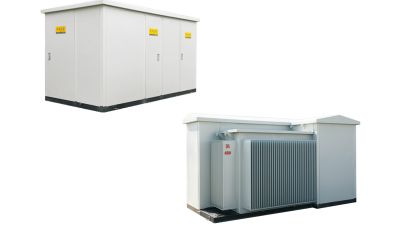
Renewable energy projects require reliable voltage conversion to move electricity efficiently from generation equipment to the farm grid. Our high-performance box-type step-up transformers are designed for wind power and photovoltaic systems, converting the standard 690V output from wind turbines and solar inverters into 40.5kV or 12kV. This voltage enhancement supports effective power collection, reduces transmission losses, and enables smooth integration with medium-voltage distribution networks.

Engineered and manufactured in China, these transformers are developed for the demanding operating conditions of renewable energy installations. Their compact box-type structure helps simplify site planning and installation, while robust construction supports stable performance in outdoor environments, temperature changes, dust, moisture, and variable power-generation conditions. Suitable for wind farms, photovoltaic plants, and other clean-energy facilities, the transformers can be configured to meet different capacity, protection, cooling, and grid-connection requirements. As experienced manufacturers and suppliers, we provide practical transformer solutions that help improve the reliability and efficiency of renewable power collection and transmission systems.

FAQS

What information should I check before buying a potential transformer?

Confirm the primary voltage, secondary voltage, frequency, insulation level, and installation environment. Field voltage may differ from the nameplate. Check actual operating conditions.

How do I verify the voltage ratio?

Compare the system voltage with the transformer ratio. A 10,000-volt system may need a 10,000:100-volt transformer. Confirm the secondary output suits the connected meter or relay.

Why does wiring polarity matter?

Incorrect polarity can distort phase readings and protection signals. Review the wiring diagram carefully. One reversed connection can affect the entire measurement.

How should I choose the accuracy class?

Match accuracy to the task. Revenue measurement needs tighter accuracy than basic monitoring. Review accuracy class, burden rating, and secondary load together.

What does burden mean in a potential transformer application?

Burden includes the relay, meter, test switches, cables, and future devices. Cable length matters. Exceeding the burden limit may reduce accuracy.

Should I choose an electromagnetic or capacitive configuration?

Electromagnetic units suit stable measurement and protection duties. Capacitive units may suit high-voltage networks and communication applications. Review transient behavior carefully.

What physical installation details deserve attention?

Check terminal spacing, enclosure protection, mounting position, temperature, dust, and moisture exposure. Maintenance access matters too. Small spaces can create large problems.

What tests and documents should I request?

Request ratio, polarity, insulation, and routine test records. Ask for calibration details and applicable conformity documents. Missing paperwork deserves another question.

How does the transformer configuration affect safety?

Single-phase arrangements may suit phase-to-ground measurement. Three-phase arrangements can support coordinated protection. Ground only one secondary point, according to the protection design.

Is the lowest-priced transformer a sensible choice?

Not always. Compare accuracy, losses, temperature rise, service life, and maintenance needs. I once underestimated cable burden. The readings later needed correction. Recheck the calculations.

Conclusion

Choosing the right Potential Transformers requires careful evaluation of your electrical system, measurement goals, and operating environment. Start by defining the transformer’s role, such as voltage monitoring, metering, or protection, and identify the system voltage, frequency, accuracy class, and measurement range. Select a suitable transformer type and configuration based on installation requirements, while confirming that insulation levels, grounding arrangements, and safety features meet applicable standards. It is also important to review burden capacity, thermal performance, and other ratings to ensure stable operation under expected loads.

Beyond technical specifications, assess construction quality, enclosure design, protection against environmental conditions, and long-term reliability. Clear documentation, recognized certifications, responsive supplier support, warranty coverage, maintenance requirements, and delivery capability should also influence the decision. Finally, compare the total cost of ownership rather than focusing only on the initial purchase price. A well-selected transformer should provide accurate readings, dependable protection, safe operation, and consistent performance throughout its service life.


Ethan

Ethan

Ethan is a dedicated marketing professional with a deep expertise in the electrical equipment industry. With a strong background in supply chain management, he is well-versed in the nuances of over 200 series and 25,000 models of products, including transformers, both high and low voltage......
Previous China Top Isolation Transformer Manufacturers How to Choose?