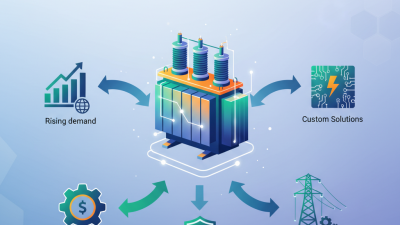

Hey, have you noticed how the demand for reliable and efficient energy solutions is truly on the rise worldwide? The Power Grid Transformer is pretty much a key player when it comes to distributing energy. I read somewhere that, according to a recent market study by Mordor Intelligence, the global transformer market could hit around USD 41.3 billion by 2026—that’s a huge number! This just goes to show how important it is to pick high-quality transformers that meet strict performance standards.
Big names like Siemens and ABB are really leading the charge with their innovative designs. They’re focusing a lot on sustainability and efficiency these days because energy providers want to cut down on environmental impacts as much as possible. But, let's be honest, it’s not all smooth sailing. Supply chain hiccups and rising costs for raw materials can definitely make it trickier to get hold of these transformers or affect prices.
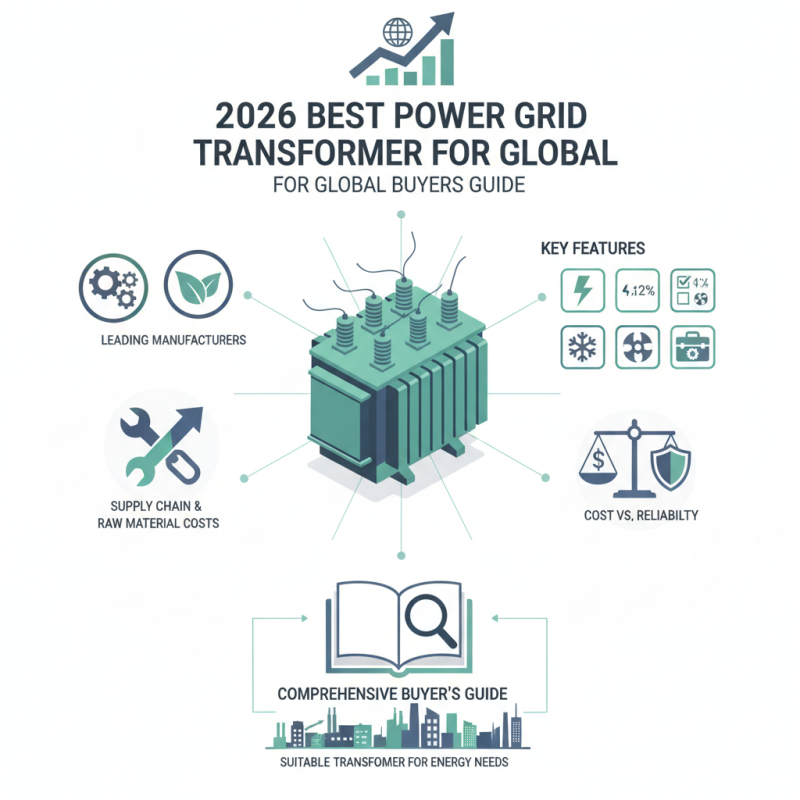
If you're looking to buy a Power Grid Transformer, it’s pretty important to understand what features matter most. Things like voltage ratings, cooling methods, and how much maintenance they need – all these play a role. Cost versus reliability is another thing that buyers often find themselves balancing. Luckily, there are buyer’s guides out there that can help sort through all these details, making it a bit easier to choose the right transformer for your energy needs. All in all, staying informed really pays off when making these decisions.
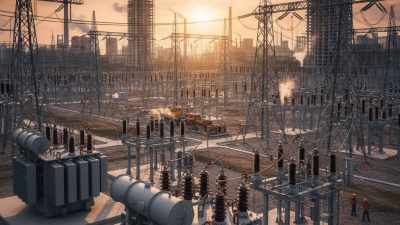
Power grid transformers play a crucial role in managing electricity flow. They ensure efficient voltage regulation across Power Grid Substations. Understanding various types of transformers is essential for any buyer. Common types include step-up, step-down, and isolation transformers. Each serves a unique function in energy distribution and management.
Step-up transformers increase voltage for transmission over long distances. They are vital in minimizing energy loss. Conversely, step-down transformers reduce voltage for safe consumption at homes and businesses. Isolation transformers provide electrical separation. This safeguards equipment and enhances safety.
The selection process requires careful consideration. Not all transformers fit every application. Buyers must assess factors like load requirements, voltage levels, and environmental conditions. In many cases, the specific needs of the power grid substation can differ significantly from another. Awareness of these details is essential to make informed choices. Reliable sources and industry expertise can guide buyers in navigating this complex landscape.
When selecting a power grid transformer, key specifications are crucial for ensuring efficiency and reliability. First, understanding the transformer's capacity is essential. This refers to the amount of power it can handle. A mismatch can lead to issues ranging from overheating to system failures. Additionally, the voltage rating must align with the grid requirements. Insufficient voltage can compromise the entire distribution network.
Another important factor is the cooling system used in the transformer. Transformers can generate considerable heat during operation. Proper cooling methods, such as oil-immersed or air-cooled systems, need assessment. Failure to choose the right cooling option could result in shorter lifespans and increased maintenance costs.
Lastly, consider the efficiency rating of potential models. More efficient transformers reduce energy loss and operational costs over time. However, it’s also vital to review the long-term reliability of the transformer. While some models may seem appealing up front, they may require frequent repairs, leading to unexpected expenses. Reflecting on these aspects can significantly impact the overall performance and longevity of the power grid system.
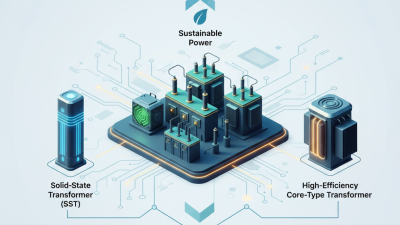
As the demand for electricity surges, the importance of power grid transformers cannot be overlooked. In 2026, buyers are seeking reliable and efficient transformers to meet their needs. Top manufacturers are focusing on innovation and sustainability, producing transformers that support renewable energy integration. This shift is noticeable across various sectors, emphasizing the need for modernization.
When choosing a transformer, consider its efficiency ratings. A higher efficiency can lead to significant cost savings over time. Additionally, look for features that enhance connectivity, such as compatibility with GGD Series Photovoltaic Grid-Connected Cabinet systems. These transformers are designed to handle the increasing load from renewable sources, ensuring stable power supply.
Don't shy away from asking manufacturers about their testing protocols. Transparency in quality assurance is essential. Potential buyers should reflect on their specific needs and future energy demands. Engaging with manufacturers can provide insights into the latest technologies available in the market, helping to make informed decisions.
Pricing for power grid transformers can vary significantly. Factors such as design complexity, material quality, and manufacturing processes play crucial roles. For instance, specialized designs often require more engineering time and resources. This can drive up costs. Additionally, the choice of materials impacts durability and efficiency, influencing pricing.
Market demand and supply dynamics also affect costs. When demand surges, prices often rise. Conversely, during economic downturns, prices may drop. Understanding these fluctuations can help buyers make informed decisions. It's essential to seek reliable suppliers who can provide transparent pricing.
Installation and maintenance costs should be considered as well. Transformers require proper setup for optimal performance. Sometimes, installation can be overlooked, leading to increased expenses later. Furthermore, integrating components like GGD Grid-connected Switchgear can enhance efficiency but may add to initial costs. Buyers should reflect on their long-term needs to balance initial investment with future operational efficiency.
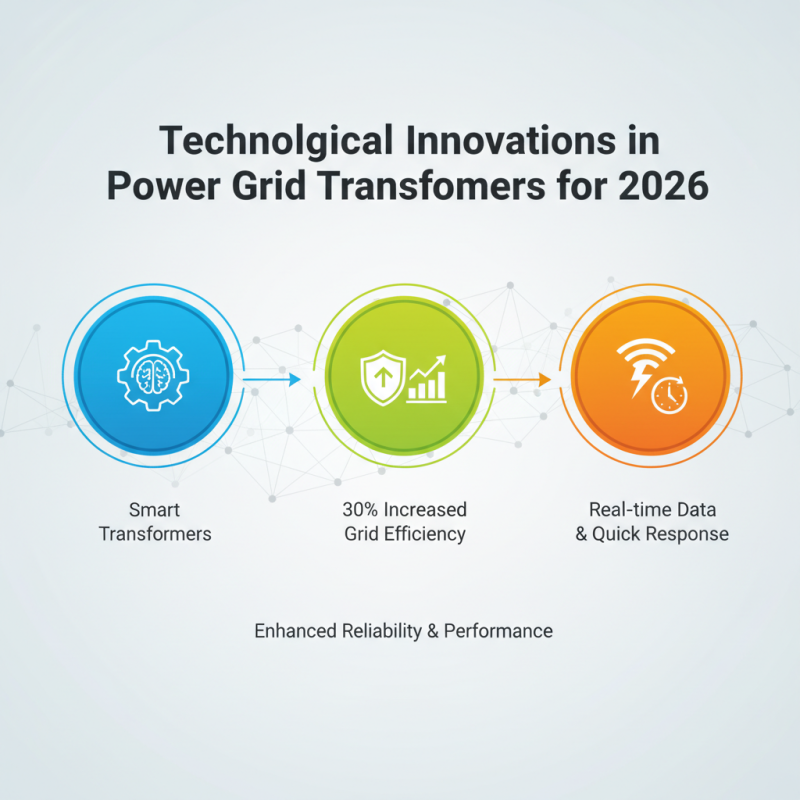
In 2026, the landscape of power grid transformers is set to undergo significant changes. Advancements in technology aim to enhance efficiency and reliability. A recent industry report projected that the adoption of smart transformers could increase grid efficiency by up to 30%. These intelligent systems integrate real-time data analytics, enabling quick responses to grid fluctuations.
Moreover, the shift to renewable energy sources demands more from transformers. Traditional models often struggle with variable inputs from solar and wind. Emerging designs are now focusing on modular structures that facilitate easier upgrades and scalability. A study indicated that modular transformers could reduce installation times by nearly 25%.
While innovation drives the industry forward, challenges remain. Cybersecurity risks are an area ripe for concern. Enhanced connectivity opens pathways for cyber threats. Addressing these vulnerabilities is crucial for ensuring grid stability. The future of power grid transformers lies in balancing technological advancement with reliability and safety.
The global power grid transformer market is undergoing significant changes. Reports suggest that the market size was valued at around $20 billion in 2022, with an expected growth rate of 6% through 2026. This rising demand is driven by the expansion of renewable energy sources and the modernization of existing infrastructure.
In particular, the integration of GGD Photovoltaic Grid-Connected Complete Equipment is gaining traction. This equipment allows for efficient management and distribution of renewable energy, essential for stabilizing grid operations. Companies are increasingly focusing on sustainable practices, pushing for transformers that not only meet technical standards but also support green energy initiatives.
However, challenges exist. There is a shortage of raw materials, which complicates production timelines. Moreover, global supply chain issues add layers of complexity. Manufacturers must navigate these obstacles while meeting the rising demand for innovative solutions. Continuous investment in research and development is crucial to overcome these hurdles and enhance transformer technologies.
Power grid transformers are crucial for maintaining a stable and reliable power supply. Regular maintenance is vital for their longevity. One key aspect is monitoring oil levels. Insulating oil must be kept at optimal levels to prevent overheating. Conduct routine inspections to check for leaks or contamination. Small issues can escalate if not addressed promptly.
Additionally, vibration monitoring is essential. Excessive vibrations can signal potential issues within the transformer. Addressing these signs early can prevent costly downtime. Cleaning the transformer regularly reduces dust build-up and improves heat dissipation. Even minor neglect can lead to serious reliability problems.
Evaluate the cooling systems periodically. Poor cooling can reduce efficiency and lifespan. Many overlook this aspect, thinking it’s secondary. However, adequate cooling plays a key role in performance. More attention to these details could enhance the overall operation of power grid transformers, ensuring they meet the growing energy demands of the future.
: The main types are step-up, step-down, and isolation transformers. Each type has a specific role in electricity distribution.
Step-up transformers increase voltage for long-distance transmission. They help minimize energy loss during electricity delivery.
Step-down transformers reduce voltage. This makes electricity safe for use in homes and businesses.
Isolation transformers provide electrical separation. This protects equipment and improves overall safety in electrical systems.
Factors include design complexity, material quality, and manufacturing processes. Specialized designs often cost more due to engineering demands.
High demand typically raises prices, while economic downturns can lower them. Buyers should stay informed about these fluctuations.
They must assess load requirements, voltage levels, and environmental conditions. Not all transformers suit every application.
Innovations can increase grid efficiency by up to 30%. Smart transformers use real-time data for better responses to fluctuations.
Cybersecurity risks are a major concern. Enhanced connectivity might expose transformers to potential cyber threats.
Proper installation is crucial for optimal performance. Neglecting it can lead to increased costs in the long run.
The article "2026 Best Power Grid Transformer for Global Buyers Guide" provides a comprehensive overview of power grid transformers, detailing their various types and functions. It outlines key specifications that potential buyers should consider, ensuring that they select the most suitable transformer for their needs. Additionally, the guide highlights the top manufacturers in 2026 and discusses the factors that influence pricing in the power grid transformer market.
Moreover, the piece emphasizes the latest technological innovations that are shaping the future of power grid transformers and examines global market trends that may impact buyer decisions. Finally, the article offers valuable maintenance and reliability tips to ensure the optimal performance of power grid transformers over time. This guide serves as an essential resource for global buyers looking to make informed decisions in the evolving landscape of power grid transformers.