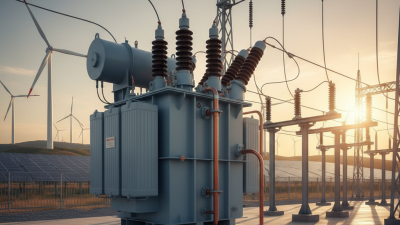
Today’s global market makes it pretty tricky for buyers to choose the right Power Transformer solutions. These transformers are super important for getting energy distributed efficiently. You’ve got brands like Siemens and GE offering tons of models, but honestly, all those options can be pretty overwhelming if you’re not careful.
Buying a Power Transformer isn’t exactly a walk in the park. You really need to get a good grasp on specs like capacity and voltage ratings — mess that up, and it could cost you big time. And don't forget about the reputation of the supplier; sticking with trusted names like Schneider Electric usually means better quality, but it might also mean shelling out a little more cash.
Plus, innovation’s a game-changer here. New technologies in Power Transformer Distribution Transformer can boost efficiency and cut costs down the line. It’s understandable that many buyers feel a bit lost or unsure about making the right choice — that’s why digging into market research and chatting with experts is so important. At the end of the day, quality and dependability shouldn’t be sacrificed just to save a buck. Finding that balance between staying within your budget and getting good performance? That’s the real key to success.
Power Transformer Overview: Types and Applications
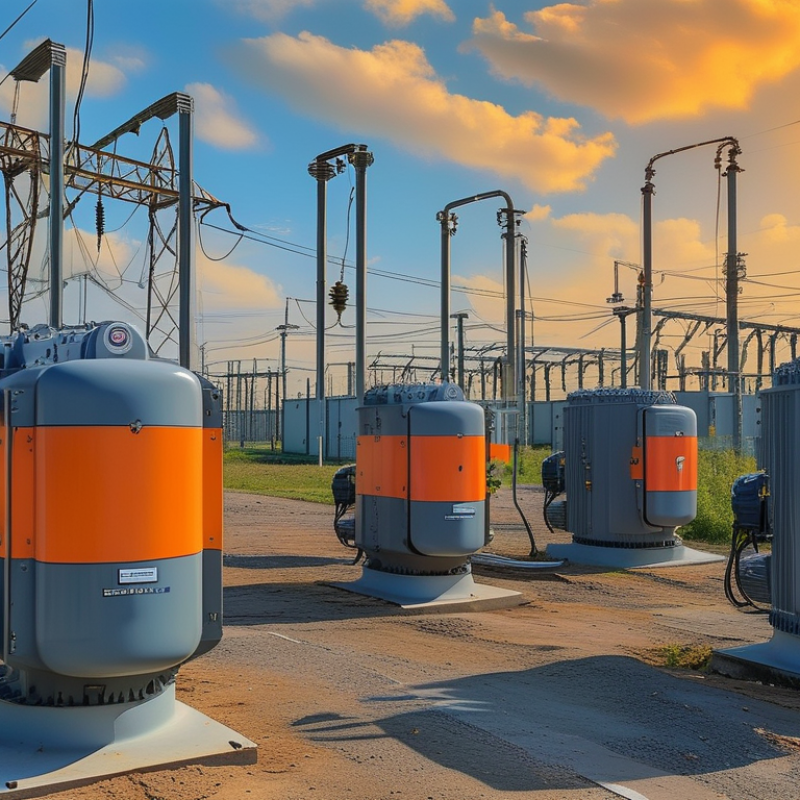
Power transformers play a crucial role in electrical systems worldwide. They are essential for stepping up or stepping down voltage levels. Depending on specific requirements, transformers can be categorized into several types, including step-up, step-down, and auto transformers. Each type serves distinct applications across industries like power generation, transmission, and distribution.
According to a recent market report, the global power transformer market is expected to reach USD 19.2 billion by 2026, growing at a CAGR of 6.1%. This growth is largely driven by the expanding renewable energy sector. With more wind and solar projects being developed, the demand for reliable transformers is surging. Utilities require robust solutions to manage the variability of renewable sources effectively.
Tip: When selecting transformers, consider the total ownership cost, including maintenance. Inefficient models can lead to significant long-term expenses.
Furthermore, the insulation and cooling methods are vital in determining a transformer's performance and lifespan. Insulation can be oil-based or dry-type, both impacting safety and efficiency. In regions prone to extreme temperatures, cooling methods must be evaluated thoroughly.
Tip: Regular maintenance checks can prevent unexpected failures. Always track performance metrics to identify patterns over time.
Key Factors to Consider When Buying Power Transformers
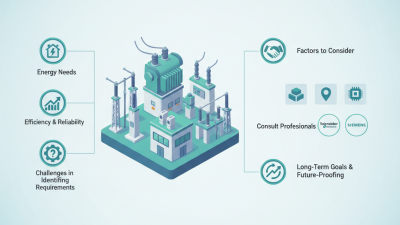
When considering a Power Transformer, various key factors come into play. Buyers must evaluate the transformer's capacity and voltage rating first. It's crucial to match these specifications with the intended application. Additionally, the efficiency of the transformer can significantly impact operational costs. A high-efficiency Power Transformer minimizes energy loss, leading to long-term savings.
Another important aspect is the design and construction materials. The quality of materials affects durability and performance. Buyers should look for transformers designed to withstand environmental challenges. This includes protection against moisture, dust, and temperature fluctuations. Customization options might be necessary for specific applications.
Lastly, reliability and maintenance support are essential. A reliable Power Transformer reduces downtime and enhances system stability. It’s worth considering the manufacturer's reputation and service track record. Engage with industry experts for insights, but be mindful of varying opinions. Balancing cost with quality requires careful thought and research, ensuring the best investment for future needs.
Top Global Manufacturers of Power Transformers
The global power transformer market is expanding rapidly. As demand for electricity rises, manufacturers are stepping up production. A recent industry report estimates that the market will grow by over 6% annually through 2027. This growth highlights the importance of selecting reliable power transformer solutions for various applications.
Top global manufacturers are innovating in design and technology. They focus on enhancing efficiency and reducing environmental impact. For instance, many are investing in smart grid technology, which optimizes energy distribution. By using advanced materials and techniques, these manufacturers improve the durability and performance of their products, including Oil Power Transformers. This offers buyers more choices tailored to their specific needs.
Tips: When selecting a power transformer, consider the specific voltage requirements for your project. Also, assess the manufacturer's reputation for reliability. Always check whether they offer after-sales service and support. It's essential to align your needs with the technical specifications they provide.
Cost can vary significantly among suppliers. Buyers must weigh price against quality. Opting for the cheapest option might not always be wise. Some manufacturers might cut corners, impacting performance. Always read reviews and seek recommendations to make informed decisions.
Innovative Technologies in Power Transformer Design
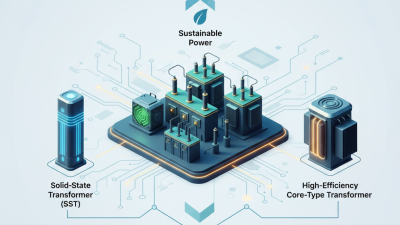
The power transformer industry is experiencing rapid innovations in design and technology. Advancements are driven by the need for efficiency and reliability. For instance, smart grid technology is becoming prominent. It enhances monitoring and management of transformers. According to a recent industry report, the smart transformer market is expected to grow at a CAGR of 9.5% through 2025. This growth reflects a shift towards automated solutions.
Material science also plays a key role in the evolution of power transformers. Advances in core materials reduce energy losses significantly. High-temperature superconductors and amorphous steel cores are examples. These materials improve performance while lowering operational costs. However, new technologies may require extensive testing and validation. This can slow down the adoption process.
The challenge of integrating innovative designs remains. Not all utilities are ready to invest in advanced systems. The initial investment is often a barrier. But, over time, the return on investment becomes clear. Efficiency gains and improved reliability lead to lower operating costs. Balancing innovation with practicality is crucial. It requires careful planning and foresight.
Cost Analysis of Power Transformer Solutions
When considering power transformer solutions, cost plays a pivotal role. Various factors influence pricing, including materials and manufacturing processes. A high-quality Power Oil Transformer may come at a premium, yet its durability often offsets initial costs. Industries must analyze both upfront and long-term expenses, ensuring they choose a reliable option.
Regional differences in pricing can be significant. Import tariffs, local labor costs, and exchange rates all impact the final price. Some regions may offer lower initial costs, yet might compromise on quality. Buyers must weigh these risks carefully. An approach focusing solely on low cost can lead to unexpected repairs later.
Additionally, understanding maintenance requirements is crucial. Regular upkeep can prevent costly failures. Often, buyers overlook this aspect during the initial purchase. The complexity of transformer technology also means that cheaper options may not provide the same level of efficiency or safety. Balancing cost and value demands thorough research and thoughtful reflection.
Sustainability Practices in Power Transformer Manufacturing
Sustainability is becoming crucial in power transformer manufacturing. The industry faces pressure to reduce its carbon footprint. Manufacturers focus on using recycled materials and energy-efficient techniques. This shift reduces waste in the production of Main Power Transformers. Companies are increasingly prioritizing lifecycle assessments to minimize environmental impact.
Energy efficiency is not just a buzzword. It is a necessity. Modern Main Power Transformers are designed to maximize efficiency while minimizing losses. Innovative technologies, like smart monitoring systems, help in this quest. These systems ensure that energy use remains optimal throughout the transformer's lifespan. However, driving all these changes requires a commitment from all stakeholders.
Despite advances, challenges remain. Not all manufacturers adopt these practices uniformly. Some still rely heavily on traditional methods, which raises concerns. Transparency in sourcing and production processes is often lacking, leading to questions about reliability. Understanding these gaps and pushing for improvement is essential for a sustainable future in the power transformer sector.
Future Trends in Power Transformer Development and Market Demand
The power transformer market is experiencing significant shifts driven by technological advancements and evolving energy demands. According to a recent report, the global power transformer market is expected to reach $36 billion by 2027, growing at a CAGR of 6.6%. This growth is largely attributed to the increasing integration of renewable energy sources. However, some challenges persist, including aging infrastructure and fluctuating raw material prices that could impact future investments.
As the world transitions to cleaner energy, the demand for efficient transformers is rising. In particular, smart transformers are gaining traction. These devices support grid management and enhance energy efficiency. Reports indicate that smart transformers could reduce energy losses by up to 30%. Yet, the initial costs and technical complexities of these solutions create barriers for widespread adoption.
Market dynamics also indicate a rising interest in sustainable production methods. A shift toward environmentally friendly manufacturing processes is critical. This is not merely a trend; it's a necessity for meeting regulatory standards. Industry leaders are urged to adapt quickly or risk obsolescence in a rapidly changing landscape. Despite the challenges, opportunities exist for innovation and growth in the power transformer sector.
FAQS
: Power transformers are used to step up or step down voltage levels in electrical systems.
They are categorized into step-up, step-down, and auto transformers, based on their applications.
The growth is largely driven by the expanding renewable energy sector and the demand for reliable transformers.
Regular maintenance checks can prevent unexpected failures and reduce long-term costs associated with inefficient models.
Insulation type and cooling methods are vital factors impacting safety, efficiency, and overall performance.
Challenges include aging infrastructure and fluctuating raw material prices, affecting future investments.
Smart transformers enhance grid management and energy efficiency, potentially reducing energy losses by up to 30%.
Sustainable production is necessary to meet regulatory standards and avoid obsolescence in a changing market.
Initial costs and technical complexities present barriers for widespread adoption of smart transformers.
They should consider total ownership costs, including maintenance, not just upfront expenses.
Conclusion
The article "Best Power Transformer Solutions for Global Buyers?" provides a comprehensive overview of power transformers, discussing various types and their applications in different industries. It emphasizes the key factors to consider when purchasing power transformers, including efficiency, capacity, and technology advancements. The piece also highlights leading manufacturers and the innovative technologies shaping the future design of power transformers, such as smart grid integration and enhanced materials.
Additionally, the article includes a cost analysis of power transformer solutions, shedding light on budgetary considerations for buyers. Sustainability practices in manufacturing are increasingly important, reflecting a shift toward environmentally friendly production methods. Finally, it discusses future trends in the development of power transformers, predicting a growing demand driven by technological advancements and the global energy transition.