Leave Your Message
0%

Electricity demand keeps going up, but the grid? Not so much. New generation and industrial projects often end up waiting on connections, which is a pretty big bottleneck. The IEA’s Electricity Grids and Secure Energy Transitions report estimates that annual grid investment will need to top $600 billion by 2030—basically double where we are now. With pressure like that, global buyers are really focused on speed, site constraints, and equipment they can depend on.If you're considering prefabricated substations, they're basically a factory-assembled way to go — switchgear, transformers, protection, and control equipment all packed into one compact unit. But the details can really make or break a project. Things like transport dimensions, ambient temperature, fault ratings, and local service capacity? Yeah, those can change everything.

So the IEA’s 2024 Electricity report talks about this shift toward a new “Age of Electricity.” Their executive director, Dr. Fatih Birol, keeps using that phrase when he describes how electricity is becoming more central across economies. And honestly, it’s a useful way to look at things—not some kind of product endorsement. If you’re a buyer checking out those “5 Best Prefabricated Substations for Global Buyers,” the real questions are a lot less flashy: Does the design actually match the utility’s interface? Can your technicians swap out a component without waiting weeks for a specialist to show up? So, you're probably wondering—are drawings, test records, and spare parts even going to be available where you're shipping this thing?

Honestly, there's no one-size-fits-all answer. What works for a coastal solar setup might be a total disaster at a dusty mining site or in a crowded urban feeder. This guide walks through suppliers and solutions by looking at technical fit, manufacturing capability, delivery support, and what happens down the road. But even the best shortlist isn't perfect—you still need to double-check the specs against your own project's needs.

5 Best Prefabricated Substations for Global Buyers

What Is a Prefabricated Substation?

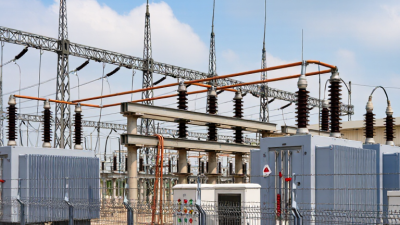
A prefabricated substation is an electrical facility built from coordinated modules, then transported to a site for installation. It typically houses transformers, switchgear, protection equipment, control systems, and auxiliary services. In the wider field of Electric Power Substations, this approach can shorten on-site construction and make equipment layouts easier to plan. Not quite plug-and-play. Connections, foundations, earthing, ventilation, and access routes still need careful site-specific design.

Many units are assembled and checked in a factory before delivery. That can help identify wiring or fit issues under controlled conditions, but it does not replace commissioning at the installation site. Buyers should confirm voltage ratings, capacity, fault levels, environmental protection, and the interfaces between modules. A unit designed for a cool, dry location may need different heating, cooling, or enclosure protection in a hot, coastal, or dusty environment. Small details matter. Transport dimensions and lifting points matter, too.

The term “prefabricated” can sound more standardized than it really is. Configurations vary, and local grid requirements can affect the design. Request clear drawings, test records, and a defined scope for installation and commissioning. One thing worth questioning: a compact enclosure may save space, but it can also make future maintenance less convenient if equipment clearances are overlooked.

5 Best Prefabricated Substations for Global Buyers — What Is a Prefabricated Substation?

A prefabricated substation is a factory-assembled unit that typically integrates medium-voltage switchgear, a transformer, and low-voltage equipment. The chart shows representative medium-voltage network levels used in different regions; the appropriate rating depends on the local grid and project requirements.

How Prefabricated Substations Are Designed and Built

A prefabricated substation begins with site data, not a catalogue. Engineers check load profiles, soil conditions, wind exposure, and access routes. They then define voltage levels, transformer capacity, protection settings, and future expansion space. A ZGS Prefabricated Combined Transformer can integrate the transformer, switchgear, and enclosure in one compact arrangement. This reduces field assembly, but it does not remove engineering responsibility. Cable entry points must match actual trench dimensions. Small errors become expensive.

Designers usually build a digital layout before fabrication. They verify clearances, heat paths, maintenance access, earthing routes, and fire separation. Ventilation openings need protection from rain, dust, and animals. The enclosure is formed, coated, and tested before shipment. Factory wiring receives continuity and insulation checks. It is not always elegant. A crowded panel may pass a drawing review yet frustrate technicians on site. Practical access matters as much as rated performance.

During construction, the foundation is leveled and inspected before the unit arrives. Lifting points, transport limits, and crane reach must be confirmed early. After placement, crews connect medium-voltage cables, low-voltage feeders, communications, and grounding conductors. Protection relays are configured, tested, and documented against approved settings. Commissioning includes functional checks, interlocks, insulation tests, and controlled energization. One weak assumption can delay the project. Reviewing designs with operators often reveals overlooked details, especially cleaning space and spare terminals. Good prefabrication is controlled repetition, not blind standardization.

Main Types of Prefabricated Substations

Main Types of Prefabricated Substations

Prefabricated substations come in several practical forms for different site conditions.

Compact substations combine transformers, switchgear, and protection equipment inside one enclosure. They suit factories, commercial buildings, and urban distribution points.

Kiosk substations use weather-resistant housing and require limited installation space.

Containerized substations provide larger internal layouts for mining, renewable energy, and temporary projects.

Mobile substations add transportable equipment for emergency replacement or planned maintenance.

Tips: Check voltage, load growth, cooling, and local grid requirements before choosing a type. Confirm enclosure ratings for dust, rain, salt, and extreme temperatures. Ask for factory test records, wiring diagrams, and clear maintenance access. A low purchase price can hide difficult transport or weak spare-parts support.

Site conditions should guide the final decision. A compact unit may fit a narrow industrial yard, but its internal working space can be limited. A containerized design offers easier expansion, although lifting and foundation costs may increase. Mobile units are flexible, yet they need suitable roads, anchoring, and reliable connection procedures. Experienced buyers also review earthing, fire separation, noise levels, and protection coordination. These details affect safety and long-term performance. Not every standard layout works everywhere. That is an easy mistake to make. Local engineers should verify climate data, utility rules, and installation drawings before production begins.

Five Best Prefabricated Substations for Global Buyers

Five Best Prefabricated Substations for Global Buyers

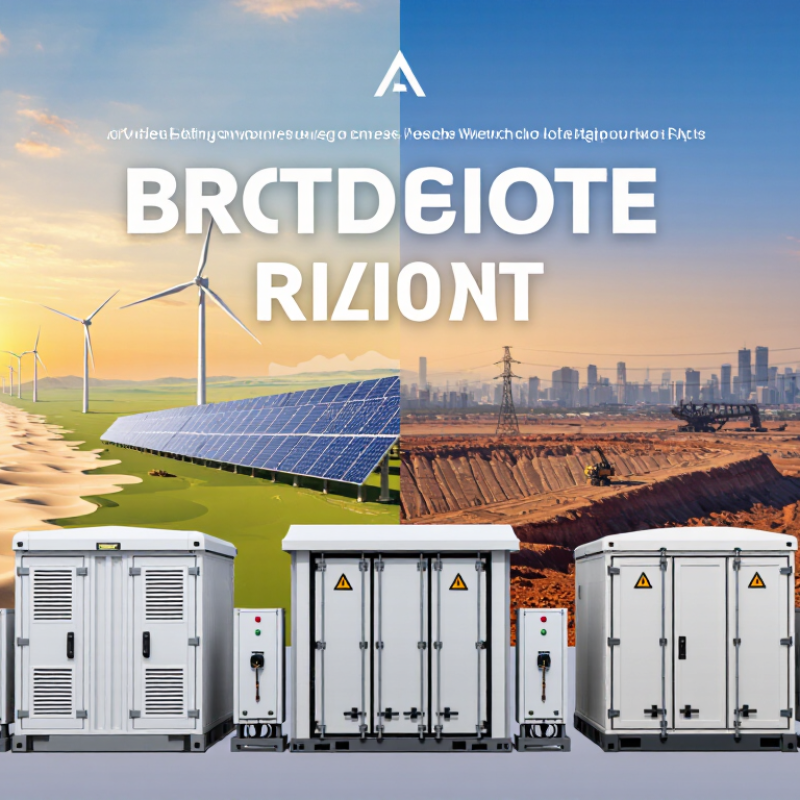
The five strongest prefabricated substation choices serve different site conditions: compact GIS units, air-insulated outdoor units, containerized modules, skid-mounted packages, and renewable-energy collector substations. “Best” depends on grid voltage, available space, climate, and maintenance capacity. A coastal site may need corrosion-resistant enclosures; a remote solar farm may prioritize transportable modules and straightforward access to spare parts. Small details matter.

The International Energy Agency’s Electricity 2024 report projects global electricity demand growth of about 4% in 2024, with continued growth through 2026. That pressure makes delivery time and commissioning plans important, but speed alone is not a reliable selection criterion. Buyers should compare rated voltage, short-circuit withstand capability, protection systems, cooling, and the scope of factory testing. Ask for test records and clear interface drawings. Verify them.

IRENA reported a record 473 GW of renewable capacity added worldwide in 2023 in its Renewable Capacity Statistics 2024. This growth increases demand for substations that connect generation reliably, including collector designs suited to variable output. Yet prefabrication does not remove every site risk: foundations, cable routes, drainage, and local operating practices still require careful review. A sensible shortlist balances factory integration with service access, documented performance, and realistic shipping constraints. One trade-off remains. A highly compact design can save land, but leave less room for future upgrades.

How to Compare Substation Performance and Costs

5 Best Prefabricated Substations for Global Buyers

Comparing substation performance and cost requires more than checking the purchase price. A Low-voltage prefabricated substation should be assessed against its required load, voltage, protection scheme, and site conditions. Compare transformer capacity, temperature-rise limits, enclosure rating, and short-circuit withstand capability. Ask for test records and confirm that the design aligns with applicable IEC requirements. These details affect reliability and maintenance access. They also shape the final installed cost.

The International Energy Agency’s Electricity Grids and Secure Energy Transitions (2023) says annual grid investment must rise to more than USD 600 billion by 2030. That forecast highlights growing pressure to expand grid infrastructure, but it does not prove that one substation format is cheaper. Compare supplier quotations on equal terms: equipment, transport, civil works, commissioning, and expected maintenance. A compact factory-assembled unit may reduce site work, yet heavy transport or difficult access can erase some savings. Cost tables often miss this. That is worth checking.

Tips: Request a lifecycle-cost breakdown and a clear delivery scope. Compare guaranteed losses, spare-parts availability, and service response times. Check the footprint against the actual pad and cable-entry locations. Small layout differences can matter. Ask how performance is verified after installation, not only at the factory.

Global Standards, Installation, and Maintenance

A Prefabricated Substation can shorten site work, but global buyers should check more than its rated voltage. Confirm that the design matches local grid requirements and applicable IEC or IEEE standards. Requirements vary by country and utility. They may cover insulation levels, protection settings, enclosure ratings, and testing records. Ask for drawings, routine test reports, and clear documentation before shipment.

Installation conditions matter. Check the foundation dimensions, cable entry points, lifting plan, and access for maintenance. A coastal site may need stronger corrosion protection; a hot, dusty location may need suitable ventilation and filtration. Leave safe working clearance around doors and equipment. Small mismatches create delays. Even a cable trench in the wrong position can require costly changes, so verify site measurements before production.

Maintenance planning should begin before commissioning. Request inspection intervals and procedures for checking connections, protective relays, seals, and ventilation components. Keep spare parts suited to the installed configuration, and train local technicians on isolation and safety procedures. Records help reveal recurring issues. Yet schedules are not guarantees: dust, humidity, and switching frequency can change service needs. Review actual inspection findings and adjust the plan with qualified personnel.

5 Best Prefabricated Substations for Global Buyers - Global Standards, Installation, and Maintenance

A practical comparison of five common prefabricated substation configurations. Ratings and capacities are indicative design ranges, not guaranteed specifications; confirm project requirements, local grid rules, and applicable standards with the project engineer.

Configuration Best suited to Typical voltage and capacity Enclosure and environmental considerations Relevant standards to verify Installation considerations Maintenance priorities
Compact urban distribution substation City networks, commercial districts, campuses, and sites where land is limited and equipment needs to be enclosed. Commonly 6–36 kV primary voltage; transformer ratings often range from a few hundred kVA to about 3,000 kVA, depending on design. Compact indoor or outdoor enclosure. Check ventilation, access for replacement, noise limits, fire separation, and the required ingress-protection rating for the site. IEC 62271-202 for prefabricated substations; IEC 60076 for power transformers; IEC 61439 for relevant low-voltage assemblies; IEC 60529 for enclosure IP ratings. Confirm local equivalents. Prepare a level foundation, cable ducts, earthing, and safe access. Confirm transport dimensions and lifting points before delivery; coordinate utility cable terminations. Inspect connections, earthing, ventilation, seals, and cable compartments. Follow the transformer type’s maintenance instructions and local electrical safety procedures.
Renewable-energy collection substation Solar farms, wind projects, and battery-energy-storage sites connecting generation equipment to a site or utility network. Collector systems commonly operate at 11–36 kV; transformer and substation capacity is project-specific and may range from hundreds of kVA to several MVA. Outdoor, often remote installation. Consider solar exposure, wind, dust, humidity, corrosion, ambient-temperature range, and protection against unauthorized access. IEC 62271-202 and IEC 60076 may apply to the packaged station and transformer. Interconnection, protection, and power-quality requirements must follow the relevant grid code and utility rules. Plan foundations, drainage, grounding, communications, protection settings, and cable routes with the generation-system layout. Verify commissioning and grid-connection tests before energization. Check protection relays, surge protection, connections, cooling, alarms, and remote-monitoring communications. Inspect for water ingress, corrosion, and environmental damage.
Industrial-duty process substation Factories, mines, water-treatment facilities, and other sites with substantial or variable electrical loads. Commonly 6–36 kV primary voltage, with transformer capacity selected to suit the load profile, motor starting, harmonics, and planned expansion. Specify the enclosure for indoor or outdoor use and assess heat, dust, vibration, chemical exposure, and arc-fault risks. Additional protection may be needed for harsh process environments. IEC 62271 series for high-voltage switchgear; IEC 60076 for transformers; IEC 61439 for low-voltage switchgear and controlgear assemblies. National electrical and workplace safety codes also apply. Coordinate shutdown windows, cable interfaces, protective-device selectivity, and plant control systems. Confirm foundation loading and equipment access for future servicing. Use a risk-based inspection schedule. Review thermal trends, relay operation, insulation condition, ventilation, bolted connections, and the cleanliness of electrical compartments.
Utility distribution feeder substation Distribution-network upgrades, feeder sections, rural supply points, and utility projects requiring a factory-assembled package. Primary voltage and transformer rating depend on the distribution network; medium-voltage designs commonly fall within 6–36 kV, with capacity specified by the utility. Choose an enclosure and layout for the utility’s operating environment, access rules, security requirements, and climate. Confirm clearances and provisions for safe switching. IEC 62271-202, IEC 60076, and relevant IEC 62271 switchgear standards may apply. Utility specifications, national rules, and accepted test requirements take precedence. Agree on protection schemes, metering, control interfaces, earthing, and utility cable standards early. Factory acceptance testing and documented commissioning are commonly required. Maintain switching and protection records. Inspect operating mechanisms, interlocks, cable terminations, earthing, and condition-monitoring alarms in accordance with utility procedures.
Harsh-climate or coastal substation Coastal locations, desert sites, cold regions, and other environments where corrosion, temperature, moisture, or airborne contaminants are key concerns. Voltage and capacity are selected for the project; medium-voltage primary systems commonly use 6–36 kV, with transformer ratings matched to the site load. Specify suitable corrosion protection, seals, heaters or cooling where needed, and an appropriate IP rating. Confirm the design ambient range and resistance to salt, sand, condensation, or ice. IEC 62271-202, IEC 60529, and IEC 60076 are relevant references for applicable equipment. Verify environmental test requirements and any local climate, fire, and electrical codes. Prepare drainage and a stable foundation suited to local soil and weather. Check delivery routes, lifting plans, cable-entry sealing, and site-specific earthing requirements. Inspect coatings, gaskets, heaters, ventilation, drains, and signs of condensation or corrosion. Set inspection frequency according to environmental exposure and equipment instructions.

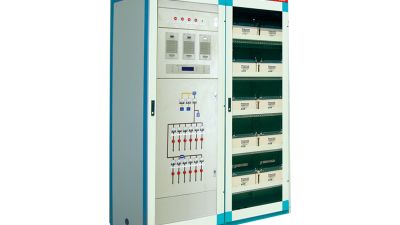
How China’s DC Screen Power Display Systems Ensure Reliable Power in Plants and Substations

In China’s power plants and substations, a dependable DC supply keeps essential functions available when the AC supply is interrupted. DC screens support high-voltage switchgear controls, protection relays, and emergency lighting, so stable output and rapid fault visibility are important to safe, continuous operation. A system designed for demanding electrical environments can help reduce the risk that a disturbance in auxiliary power disrupts critical equipment.

The scale of grid development makes this reliability increasingly significant. The International Energy Agency’s *Electricity Grids and Secure Energy Transitions* (2023) estimates that 80 million kilometres of grids will need to be added or refurbished by 2040, while annual grid investment must exceed US$600 billion by 2030. As infrastructure expands, robust and maintainable station power systems become an important part of supporting dependable electricity networks.

A modern DC screen combines modular construction with N+1 redundancy, allowing the system to maintain service if a module fails. Resonant switching technology supports efficient, stable conversion, while intelligent monitoring helps operators identify operating conditions and potential faults. RS-485 and RS-232 interfaces enable communication with supervisory systems, making routine checks and maintenance more practical. Built to applicable industry requirements, this type of solution is well suited to plants and substations where uninterrupted DC power is essential.

FAQS

What determines the best prefabricated substation for a project?

Match the design to grid voltage, site space, climate, and maintenance capacity. “Best” is site-specific.

Which substation types suit different sites?

Options include compact gas-insulated units, outdoor air-insulated units, containerized modules, skid-mounted packages, and renewable-energy collector substations.

What should buyers check before shipment?

Request interface drawings, routine test records, protection details, and short-circuit withstand ratings. Verify the documents carefully.

Can prefabrication eliminate site preparation risks?

No. Foundations, cable routes, drainage, and local operating practices still need review. A misplaced cable trench can cause delays.

How should climate affect equipment selection?

Coastal sites may need stronger corrosion protection. Hot, dusty locations may require suitable ventilation and filtration.

What installation details should be confirmed early?

Check foundation dimensions, cable entry points, lifting plans, and maintenance access. Measure the site before production.

How can teams plan maintenance?

Request inspection procedures for connections, protective relays, seals, and ventilation parts. Keep suitable spares and train local technicians.

Does a compact design always provide the best value?

It can save land, but leave less room for upgrades or service work. That trade-off deserves a second look.

Conclusion

Prefabricated Substations are factory-engineered power distribution systems designed to simplify, accelerate, and improve the reliability of electrical infrastructure projects. This article explains what these substations are, how they are designed and assembled, and how their modular construction can reduce on-site work, project risks, and installation time. It also introduces the main types, including compact, skid-mounted, containerized, and integrated solutions, helping global buyers identify the most suitable option for different voltage levels, site conditions, and capacity requirements.

The guide presents five leading solution categories for international projects and explains how to compare them by safety, efficiency, scalability, environmental resistance, lifecycle cost, and ease of maintenance. It also highlights the importance of selecting equipment that complies with recognized international standards, planning transportation and installation carefully, and establishing a practical maintenance program. By evaluating technical performance, total ownership costs, customization needs, and local service capabilities, buyers can make confident decisions and select Prefabricated Substations that deliver dependable long-term value.

Henry

Henry

Henry is a dedicated marketing professional with extensive expertise in the electrical equipment industry. Proudly representing a company that boasts unparalleled supply chain advantages, he plays a pivotal role in promoting an impressive portfolio of over 200 series and 25,000 models, which......
Previous 2026 Best Electrical Substation Suppliers Worldwide