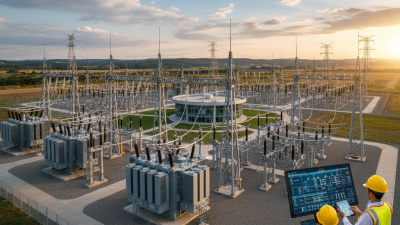
Picking the right Transformers Equipment can honestly feel pretty overwhelming sometimes. There are so many things to think about — like the specs, brand reputation, and what your project actually needs. Did you know the worldwide transformers market was valued at around $48 billion back in 2021? And it’s expected to hit roughly $73 billion by 2028, according to Fortune Business Insights. That kind of growth really shows how much demand there’s been for solid electrical solutions.
Big names like Siemens and ABB are always pushing the envelope with new innovations to meet changing standards. Still, a lot of folks end up running into issues with compatibility or efficiency. Taking the time to pick equipment that really matches your needs can save you a lot of headaches and money down the line. In fact, reports from the Electric Power Research Institute show that choosing the wrong gear can bump up operational costs by about 30%. Honestly, it’s worth investing some time into research — resources like IEEE papers can give you good insights into the latest tech.
But, let’s be real — with so many options out there, it can get pretty confusing. Some brands might be excellent in certain areas, but not so much in others. The key is really understanding what your specific project requires, so you end up with transformers that boost both performance and reliability. It’s all about finding that sweet spot where your needs and the equipment capabilities meet.
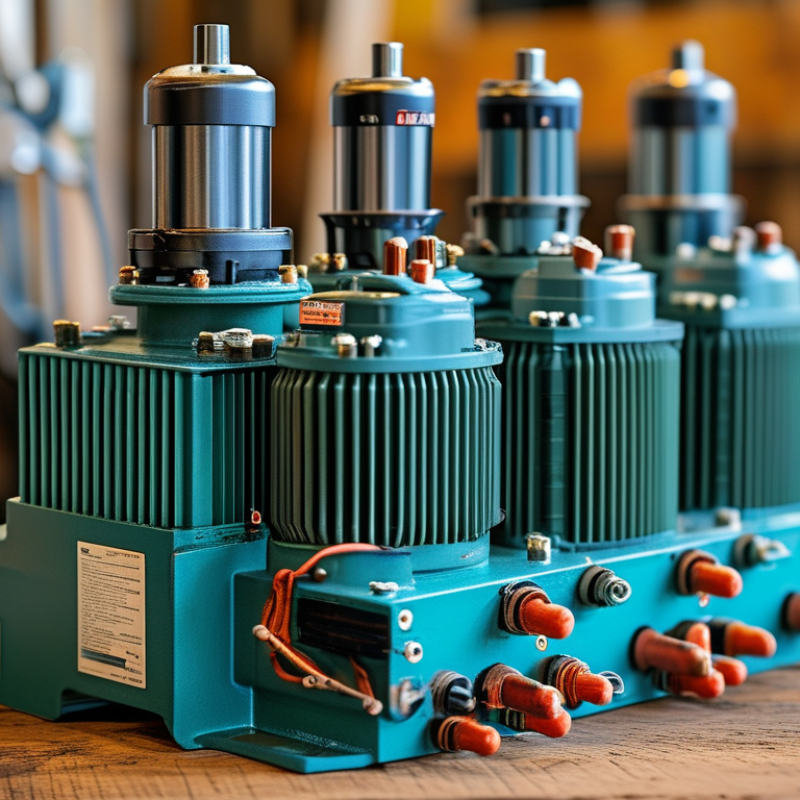
Factors to Consider When Selecting Transformers Equipment
Choosing the right transformers equipment is crucial for efficiency and safety. Several factors should guide your selection process.
Consider your operational needs. Assess the voltage and power requirements to match the right transformers equipment. A recent industry report indicated that improper sizing can lead to energy losses of up to 30%. These losses not only affect performance but can also increase operational costs. Select equipment that supports your specific applications, whether that's for residential, commercial, or industrial use.
Quality matters. Look for equipment that meets industry standards. Certifications from organizations like IEEE or IEC suggest reliability and safety. You might also want to consider the manufacturer’s reputation. Research shows that trusted brands typically provide better customer support and longer-lasting products. However, some lesser-known suppliers can offer competitive prices, so do due diligence.
Ensure that the transformers equipment can meet future needs. Expandability is key as your operations grow. Missing this can lead to costly upgrades or replacements later on. Keep in mind that choosing equipment is a long-term investment that requires forethought.
Assess the installation and maintenance needs, as well. Complex systems may require extensive training, adding to your costs. Simpler systems can save time and resources. Consider these aspects before proceeding.
Substation Equipment choices can significantly impact your operations. Think long-term and focus on reliability when making your decisions.
Understanding Different Types of Transformers Equipment
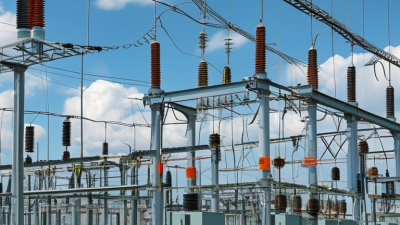
When selecting transformers equipment, understanding the types available is crucial. Transformers come in various forms, including power, distribution, and isolation transformers. Power transformers are typically used in electrical substations to manage high voltage. These units play a key role in stepping voltage levels up or down to meet system requirements. They are essential for efficiency in long-distance energy transfer.
Distribution transformers, on the other hand, are found closer to the end-user. They reduce voltage to levels suitable for household or commercial use. This equipment is less robust than power transformers but equally vital. Isolation transformers have specific applications, such as providing safety in sensitive electronic devices. They can prevent ground loops and ensure equipment reliability.
Choosing the right transformers equipment involves understanding these variations. An incorrect selection can lead to inefficiencies or safety concerns. It's essential to reflect on your specific needs. Consider the voltage requirements, load characteristics, and operational environment. Conducting thorough research is necessary. Ensure that the equipment aligns with your project's goals and regulatory requirements.
Assessing Your Specific Power Needs and Applications
Assessing your specific power needs is crucial when choosing transformers equipment. Consider the voltage requirements of your application. Each industry has unique standards. For instance, commercial buildings might need different voltage levels than industrial sites. It's vital to accurately calculate the required power capacity. Overestimating can lead to unnecessary costs. Underestimating may cause operational failures.
Think about your future expansion plans. As businesses grow, power needs often increase. High-voltage electrical equipment must adapt to such changes. Have you accounted for seasonal demands? Some systems operate differently during peak times. It’s worth reflecting on your peak and average usage patterns.
Don’t overlook efficiency rating. Higher efficiencies generally lead to lower operational costs. However, sometimes, more efficient models come with a higher initial price tag. Compare long-term savings against upfront investments. Always consult with experts in high-voltage electrical equipment. Their insights can prevent costly mistakes. Adjusting specifications based on professional advice tends to yield better outcomes.
Evaluating Manufacturer Reputation and Product Quality
When selecting transformers equipment, understanding manufacturer reputation is crucial. A reputable manufacturer often indicates quality. Look for companies with a long-standing presence in the industry. Check their track record and customer reviews. Reliable reviews provide insights into product performance and durability. Consider seeking recommendations from professionals in the field. Their experience can guide your choice.
Product quality should not be overlooked. Pay attention to certifications and standards that the equipment meets. This information ensures safety and reliability. Examining materials used in production is also important. High-quality materials often correlate with longer lifespans. However, not all manufacturers are transparent about their processes. It’s vital to ask questions and seek clarity. Sometimes, manufacturers may exaggerate capabilities in marketing.
Being aware of potential shortcomings helps in making informed decisions. No manufacturer is perfect. Some may have quality control issues. Understanding the common complaints can highlight areas to watch out for. Balancing reputation with actual user experiences will lead you to quality equipment that meets your needs.
Budgeting for Transformers Equipment Purchase and Maintenance
When budgeting for transformers equipment, it's critical to account for both initial purchase costs and ongoing maintenance expenses. According to a recent industry report, maintenance can represent up to 30% of the total lifecycle cost of transformers. This statistic highlights the importance of incorporating long-term costs into your budgetary considerations.
Consider that transformers not only require periodic inspections but also potential repairs or replacements of components. Setting aside 10-15% of the initial investment annually for maintenance can mitigate unexpected expenses. It’s advisable to engage with a qualified professional to assess the specific conditions of your equipment and predict upcoming needs accurately.
Budgeting is not always straightforward. Economic fluctuations can lead to changes in costs of materials and labor. Consequently, staying informed about market trends is wise. Regularly review and adjust your financial estimates. Ensuring you’re prepared for surprises can significantly impact your project’s success.
Aim to develop a robust financial plan that includes reserve funds for unforeseen challenges. Harness the power of accurate forecasting and engage with experienced professionals who can provide invaluable insights.
Safety Standards and Regulatory Compliance for Transformers
When selecting transformers equipment, understanding safety standards and regulatory compliance is crucial. Different regions may have distinct requirements that manufacturers must meet. For instance, equipment should adhere to both electrical safety and environmental standards. This ensures safer operation and minimizes risks for users and technicians.
Reviewing compliance documentation is essential. Look for certifications indicating that the equipment has been tested. Documentation can include reports from authorized testing agencies. Regular audits and inspections are also important. These help verify compliance and identify any potential safety concerns. Ignoring this can lead to severe consequences.
It's vital to engage with experienced professionals during the selection process. Their insights can clarify unclear safety standards. Relying solely on manufacturer claims can be misleading. Establishing a deep understanding of industry standards can help make informed decisions. Reflecting on past equipment failures can provide valuable lessons, ensuring future choices are more reliable.
How to Choose the Best Transformers Equipment for Your Needs? - Safety Standards and Regulatory Compliance for Transformers
| Dimension |
Specification |
Compliance Standard |
Safety Features |
| Rated Power (kVA) |
50 - 5000 |
IEC 60076 |
Overload protection, Cooling fans |
| Voltage Class (kV) |
0.415 - 36 |
ANSI C57 |
Insulation level, Grounding system |
| Phase |
Single-phase / Three-phase |
IEEE C57.12.00 |
Over-current protection, Fuse or circuit breaker |
| Cooling Method |
AIR/ Oil Immersed |
IEC 60214 |
Temperature sensors, Pressure relief devices |
| Efficiency (%) |
95 - 99 |
IEC 60076-8 |
Thermal management system |
Conclusion
Choosing the best Transformers Equipment for your needs involves several key factors. First, it’s essential to understand the different types of transformers equipment available, as they cater to various applications and power requirements. Assessing your specific power needs is crucial, ensuring that the equipment aligns with your intended use, whether for industrial, commercial, or residential purposes. Additionally, evaluating the reputation of manufacturers and the quality of their products can greatly influence your decision.
Budgeting for the purchase and ongoing maintenance of Transformers Equipment is another critical consideration, as it impacts overall investment. Furthermore, ensuring that the equipment meets safety standards and complies with regulatory requirements is vital for operational safety. Finally, implementing proper maintenance practices will enhance the longevity and efficiency of your transformers equipment, ultimately leading to improved performance and reduced operational costs.