Picking the right Power Grid Transformer really matters if you're serious about managing your energy effectively. When you choose wisely, it helps keep things steady and running smoothly. Big companies like Schneider Electric and Siemens have tons of experience in this area—they offer reliable options that suit a variety of needs, so you’re in good hands.
Now, when you're shopping for a power grid transformer, don’t forget to think about your specific load needs and the environment it will be working in. Picking a transformer that doesn’t quite fit can cause all sorts of issues—inefficiencies, expensive downtime, you name it. Industry pros often suggest taking a close look at your actual power demands before making any decisions. But honestly, a lot of folks just skip this step, which can lead to trouble.
With energy demands only going up these days, investing in the right transformer isn’t just a good idea—it’s kinda essential. An ill-fitting one could hurt your system’s performance and end up wasting resources. So, take your time, do some research, and talk to experts if you can. It’s worth it to avoid costly mistakes and get things running as they should.
Understanding Power Grid Transformers: An Overview
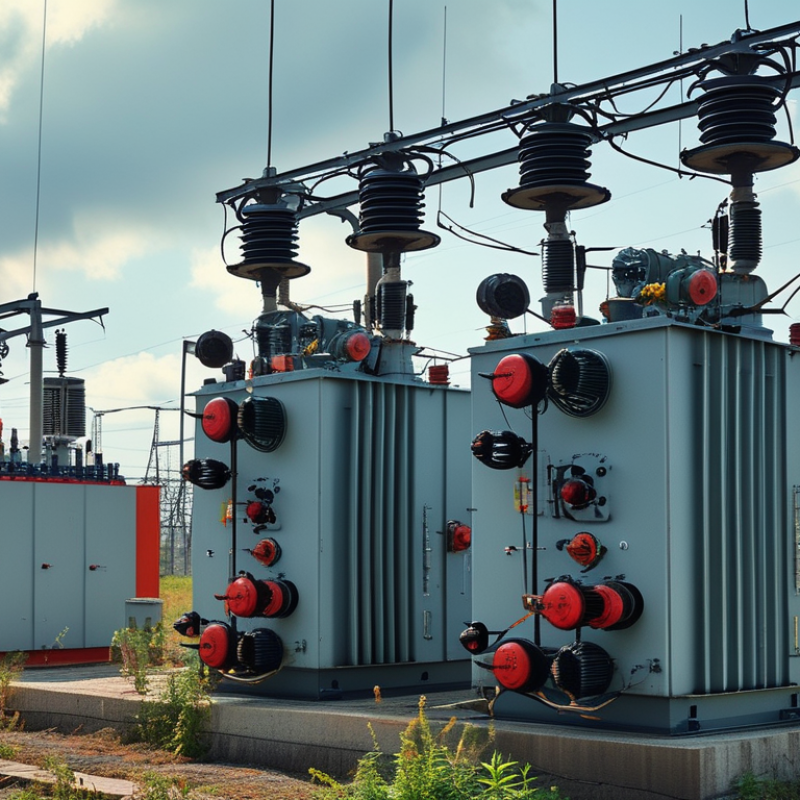
Power grid transformers play a crucial role in the efficiency of energy distribution. These devices convert high-voltage electricity into lower voltage, making it safe for use in homes and businesses. Selecting the right transformer is essential for a Power Grid Substation. It ensures optimal performance and reliability throughout its lifespan.
Understanding different types of transformers is vital. There are step-up and step-down transformers. Each serves a specific purpose in the power grid. For instance, step-up transformers increase voltage for long-distance transmission. In contrast, step-down transformers decrease voltage for end distribution. Knowing which type to choose can enhance energy efficiency.
Factors such as power capacity, cooling methods, and maintenance needs should be considered. A transformer might fail due to inadequate cooling or overload. It's important to regularly assess these systems. This reflection can prevent costly outages and ensure reliability, especially in critical areas like a power grid substation.
The Role of Power Grid Transformers in Modern Electricity Systems
Power grid transformers are vital components of modern electricity systems. They step down high-voltage electricity for safe distribution. According to the International Energy Agency (IEA), improving transformer efficiency can reduce energy loss by up to 10%. This translates to significant savings in operational costs, making the right choice essential for power utilities.
The role of transformers extends beyond mere voltage adjustment. They ensure reliability and stability in energy supply. With the shift towards renewable energy, such as the GGD Series Photovoltaic Grid-Connected Cabinet, transformers help integrate these sources into the grid. Advanced transformer designs allow for better adaptation to fluctuating energy inputs. This not only enhances grid resilience but also supports sustainability goals.
**Tip:** When selecting a transformer, assess its efficiency rating and load capacity. A well-chosen transformer aligns with future energy demands, minimizing potential bottlenecks.
Inadequate transformer choice can lead to overheating and equipment failure. Research indicates that up to 30% of transformers underperform due to misconfiguration. Regular evaluations and strategic planning are crucial in a dynamic energy landscape.
Key Factors to Consider When Selecting a Power Grid Transformer
When selecting a power grid transformer, several key factors should be assessed. The transformer's capacity is crucial. Industry data suggests that mismatched capacities can lead to inefficiencies. It is wise to ensure the transformer can handle peak loads without risk of overheating.
Another important consideration is the transformer's voltage rating. The right voltage level ensures optimal performance and longevity. According to market reports, a mismatch here can result in increased maintenance costs and even early failure. Always validate that your voltage specifications align with your grid requirements.
Tip: Pay close attention to insulation type. High-voltage transformers often utilize oil-impregnated paper insulation, which aids in heat dissipation.
Location also matters. The environment where the transformer is installed can affect its performance. For example, transformers in humid areas may require additional protection against moisture-related damage.
Tip: Regular maintenance checks improve reliability. They help detect potential issues before they escalate into costly repairs.
Ensuring compliance with local regulations is non-negotiable. Specific standards can dictate the materials and designs permissible in your region. Familiarize yourself with these requirements to prevent future complications. Each of these factors plays a pivotal role in determining the right transformer to meet your unique needs.
Types of Power Grid Transformers and Their Applications
Choosing the right power grid transformer is vital for efficient energy management. Each type of transformer serves specific applications. For instance, step-up transformers are essential for transmission lines. They elevate the voltage for long-distance travel, reducing energy losses. According to a report from the International Energy Agency, transformers are responsible for about 90% of energy loss in power systems.
Another common type is the distribution transformer. These devices lower voltage for end consumers. Their role is critical in urban settings, where different voltage levels are needed. The U.S. Department of Energy estimates that better transformer technology could reduce energy consumption by 3-4%. Furthermore, GGD Grid-connected Switchgear often works in tandem with these transformers. This enhances the safety and reliability of the electrical distribution system.
Some challenges persist. Aging infrastructure can lead to increased maintenance costs. Moreover, improper selection can reduce efficiency. Power loss from unsuitable transformers can range between 5-10%. Facilities need to evaluate their power requirements carefully. With advancements in technology, the industry is moving towards more efficient and reliable transformer solutions.
Evaluating Efficiency and Performance Metrics in Transformers
Choosing the right power grid transformer is vital for efficiency. Metrics such as load loss and no-load loss significantly affect performance. According to the Institute of Electrical and Electronics Engineers (IEEE), a 1% decrease in load loss can save utilities thousands annually in reduced energy consumption. Each percentage point matters for financial outcomes.
Efficiency metrics vary widely among transformer designs. A study by the International Electrotechnical Commission (IEC) suggests that modern transformers can achieve over 98% efficiency. Yet, older models often fall below 95%. This gap indicates potential savings. Utilities should consider these differences when selecting transformers.
Installation and maintenance are also crucial. Regular checks can prevent efficiency drops. Studies indicate that poorly maintained transformers may suffer up to a 15% drop in efficiency. Understanding these factors allows for informed choices that align with energy goals. Metrics provide a roadmap for assessing transformer performance in real-world scenarios. Every detail counts in an era of increasing energy demands.
Common Challenges and Maintenance Practices for Power Transformers
Power transformers are crucial for an efficient power grid. However, they often face challenges that affect their performance. Common issues include insulation degradation and overheating. According to a report by the Electric Power Research Institute, about 30% of transformer failures are linked to insulation problems. Regular maintenance is essential to prevent these failures and ensure reliability.
Maintenance practices play a key role in extending transformer lifespan. Routine inspections can identify potential issues early. Monitoring temperature and load conditions helps in managing operational stress. A study found that transformers with proactive maintenance plans could experience a 20% reduction in unplanned outages. The GGD Photovoltaic Grid-Connected Complete Equipment also emphasizes the importance of maintaining grid stability, highlighting the interconnected nature of modern energy systems.
Transformers also require specialized testing to ensure they are functioning correctly. This can be a reminder that neglecting regular maintenance can lead to costly repairs. It's vital to establish a comprehensive maintenance schedule based on actual operating conditions. Without this, even the best transformers can fall short of performance expectations, leading to reliability issues within the power grid.
Future Trends in Power Transformer Technology and Innovation
Future trends in power transformer technology focus on enhancing efficiency and sustainability. The global power transformer market is projected to reach $41.32 billion by 2025, growing at a CAGR of 7.1% (Research and Markets). Innovative designs are emerging, emphasizing reduced losses and improved operational capabilities. Advances in materials, such as amorphous steel, are showing promise. These materials can lower energy loss, making transformers more efficient in energy distribution.
Smart transformer technology is also gaining traction. These devices utilize digital communication and IoT connectivity to improve monitoring and control. According to a report by MarketsandMarkets, smart transformers are expected to grow by 20% annually through 2026. This trend towards automation allows for real-time data analytics, helping utilities predict and manage demand efficiently. However, integrating new technology poses challenges, such as the need for robust cybersecurity measures.
Tips: When selecting transformers, consider durability and efficiency ratings. Look for products that meet IEEE and IEC standards. Evaluate the impact of your choice on long-term operational costs. Overlooking these factors can lead to higher expenses and reduced reliability in the future.
Future Trends in Power Transformer Technology
Enhancing Power Distribution: Key Innovations and Market Insights on 18-24kV Silastic Power Cable Accessories
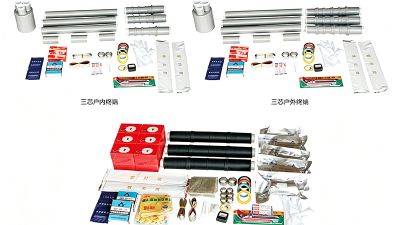
The market for 18-24kV Silastic power cable accessories is witnessing transformative innovations that are essential for enhancing power distribution systems. As utilities face increasing demand for reliability and efficiency, these advancements promise to optimize both performance and safety. Recent industry reports indicate that the global market for high-voltage cable accessories is projected to grow significantly, driven by the expansion of renewable energy sectors and infrastructure upgrades.
Key innovations in this field include advanced insulation materials designed to withstand extreme environmental conditions. Silastic power cable accessories, known for their superior flexibility and durability, enable better adaptability in various installation scenarios. According to market analysis, the adoption of such materials has improved the lifespan of power distribution systems by nearly 20%, reducing maintenance costs and downtime. Furthermore, developments in jointing techniques and connection technologies facilitate enhanced performance, reducing power losses and ensuring consistent energy delivery.
Market insights reveal a growing shift toward sustainability in the manufacturing of power cable accessories. Emerging technologies focus on minimizing environmental impact while meeting stringent regulatory requirements. As utilities increasingly prioritize green energy solutions, the demand for eco-friendly power cable accessories is expected to rise, aligning with global sustainability goals. This convergence of innovation, efficiency, and environmental consciousness positions Silastic power cable accessories as a key component in the future of energy distribution.
FAQS
: Power grid transformers step down high-voltage electricity for safe distribution.
Improving transformer efficiency can reduce energy loss by up to 10%. This saves on operational costs.
They help integrate renewable energy sources, enhancing grid stability and reliability.
Assessing its efficiency rating and load capacity is crucial for future energy demands.
Inadequate choices can lead to overheating and equipment failure, increasing maintenance costs.
Amorphous steel is promising for lowering energy loss in transformers.
Smart transformers use IoT connectivity for improved monitoring and demand management.
Integration challenges include the need for strong cybersecurity measures to protect systems.
Ensure the product meets relevant standards, impacting long-term reliability and costs.
The market is expected to reach $41.32 billion by 2025, indicating a robust demand for transformers.
Conclusion
In the realm of modern electricity systems, the selection of the right Power Grid Transformer is crucial for ensuring efficient energy distribution. A comprehensive understanding of power grid transformers reveals their pivotal role in transforming voltage levels and enhancing grid reliability. When choosing a transformer, key factors such as capacity, voltage rating, and cooling mechanisms must be meticulously evaluated to meet specific operational needs.
Different types of Power Grid Transformers cater to varying applications, from step-up transformers in generation to distribution transformers in urban settings. Efficiency and performance metrics play a significant role in assessing their effectiveness, while regular maintenance practices are essential to address common challenges faced by these transformers. Looking ahead, innovations in power transformer technology promise to enhance efficiency and sustainability, making informed selection even more critical for the future of electricity infrastructure.