
Leave Your Message
0%

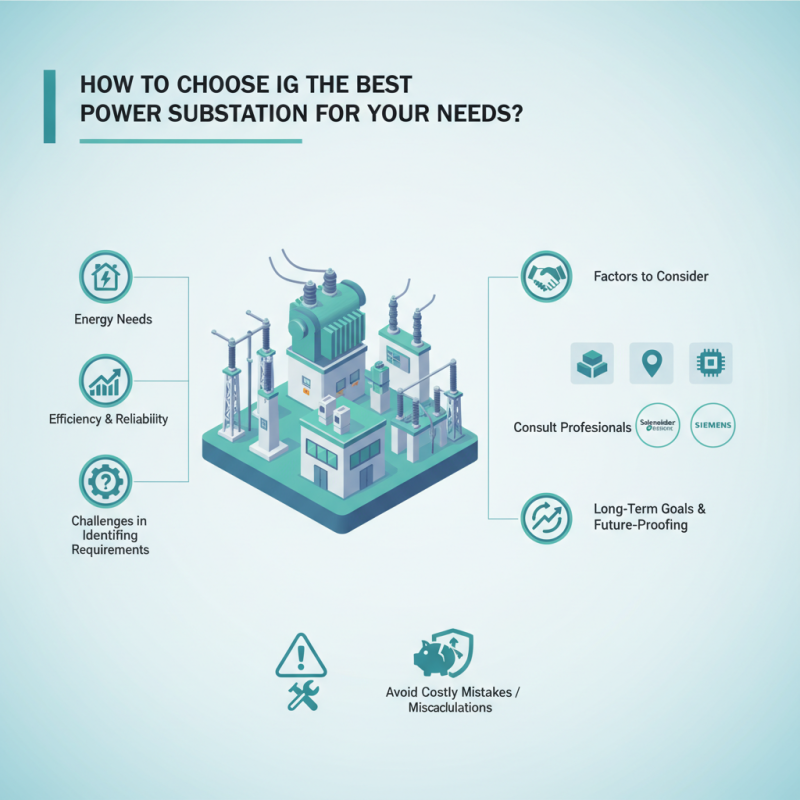
Picking the right Power Substation is pretty important for all sorts of applications. Honestly, understanding what your energy needs are is step one—without that, it’s hard to make the right call. When you choose a good substation, it can really make a difference in how efficient and reliable your setup is. But, I get it—most folks trying to buy one often struggle a bit to figure out exactly what they need.

With so many options out there, it can feel kinda overwhelming. Things like capacity, where it’s installed, and the tech inside all come into play. Every Power Substation is a little different—designed to handle specific demands. Just a small mistake in figuring out your needs can cause issues down the line, like inefficiencies or even bigger problems.

That’s why chatting with folks who really know their stuff is so important. Companies like Schneider Electric and Siemens have tons of experience in this area, and their advice can really help clear up the confusion. The industry’s always changing, so staying in the loop is super helpful. Make sure the substation you pick lines up with your long-term plans. Taking the time to think it through carefully can save you a lot of headache (and money) later on.
How to Choose the Best Power Substation for Your Needs?

Understanding Your Power Requirements

When selecting a power substation, understanding your power requirements is crucial. Begin by assessing your energy demand. Different applications demand different capacities. A small facility may require minimal power, while industrial operations often need substantial energy. Review existing usage patterns. This helps predict future needs. Analyze growth projections and shifts in technology, which may affect your consumption.

Tips for assessment: Calculate peak loads. Consider your operational hours. Are there periods of high demand? These insights guide your substation design. Gather data over time to ensure accuracy. Using tools for measuring power quality can help identify potential issues before they arise.

Consider the location of your substation. Proximity to your facility can impact efficiency and reliability. Costs of land and potential environmental factors play a role here. Don’t rush this decision. Infrastructure can often be upgraded or expanded, but choosing the wrong site can lead to higher operational costs. Take your time and evaluate all angles to make a well-informed decision.

Assessing Different Types of Power Substations

How to Choose the Best Power Substation for Your Needs?

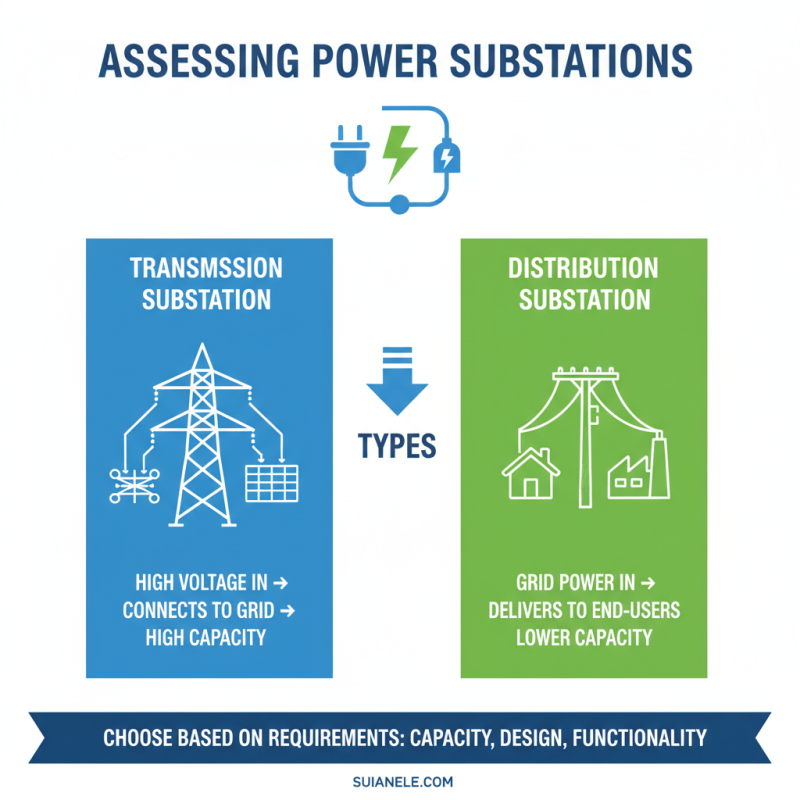
When assessing different types of power substations, it’s essential to understand your specific requirements. Power Grid Substations vary in capacity, design, and functionality. Utilities mainly use two types: transmission and distribution substations. Transmission substations connect high-voltage power lines to the grid. Distribution substations transfer electricity from the transmission system to end-users. Evaluate your needs carefully.

Consider the location of the substation. Urban areas may have different requirements than rural settings. Space constraints can impact the size and layout of the power grid substation. Assess local regulations that might affect your choice. Installation costs can also vary widely based on the type selected.

Tips: Always consult with experts before making a decision. Their experience can guide you towards the most suitable option. Analyze future growth and energy demands, as this will determine the substation's scalability. Stay informed about technological advancements in equipment and efficiency. The right choice can improve reliability and reduce operational costs significantly.

Evaluating Location and Accessibility for Installation

Choosing the right location for a power substation is critical. Accessibility can directly impact installation times and ongoing maintenance. Ensuring that installation crews can easily access the site helps minimize delays. Is there a road that can support heavy machinery? If not, this could lead to additional costs and logistical headaches.

Consider the surrounding environment too. Is there enough space for future expansions? Proximity to existing infrastructure can be beneficial. However, balancing this with zoning regulations and environmental impacts requires careful thought. Many installations face challenges due to insufficient planning in these areas.

Additionally, assess any potential obstacles that may arise during the construction phase. Steep terrain, weather conditions, and even local wildlife need consideration. These factors could slow down or complicate the installation process. Reflecting on past projects reveals that overlooking such details often leads to costly setbacks. By evaluating location and accessibility thoroughly, you can avoid these pitfalls and streamline the project.

Analyzing the Costs of Power Substation Options

When selecting a power substation, understanding costs is vital. The initial investment can vary significantly based on capacity and technology. For instance, a Substation Power Plant that serves a larger area generally incurs higher infrastructure costs. These costs include transformers, switchgear, and protective equipment. Each component plays a critical role in ensuring efficiency and reliability.

Operational expenses also deserve attention. Maintenance and staffing are ongoing financial commitments. You might wonder, how often should maintenance occur? Regular checks can prevent costly outages but may increase overall costs. Another factor is the location. A substation in a remote area may face higher transport and installation costs.

Reflecting on all these aspects helps refine your choice. You might find that a lower upfront cost leads to increased long-term expenses. Balancing immediate budget constraints with future needs is crucial. Each decision impacts both performance and financial viability. Understanding these dynamics equips you to make an informed choice about your substation needs.

Identifying Safety and Regulation Standards

When selecting a power substation, safety and regulation standards are crucial. Each region has its own guidelines governing the construction and operation of substations. Always review local codes. Understanding these regulations will ensure compliance and safety.

A vital component of any substation is the Substation Power Transformer. This equipment must meet specific safety requirements. It’s essential to assess the transformer's ratings. These ratings should align with your power demands. Inspecting insulation levels and thermal performance is critical too. Failing to do so may result in costly failures.

Organizations may overlook some small but essential details. Routine inspections can identify potential issues early. Regular maintenance helps to extend the lifespan of your assets. Also, be mindful of environmental standards. Avoiding contamination and noise issues is crucial. Ultimately, these factors will enhance safety and reliability in your power distribution network.

Comparison of Power Substation Types

This chart illustrates the cost and land requirements for various types of power substations. The Air Insulated Substation is the most cost-effective but requires more land compared to Gas Insulated and Hybrid substations, which are more compact yet expensive.

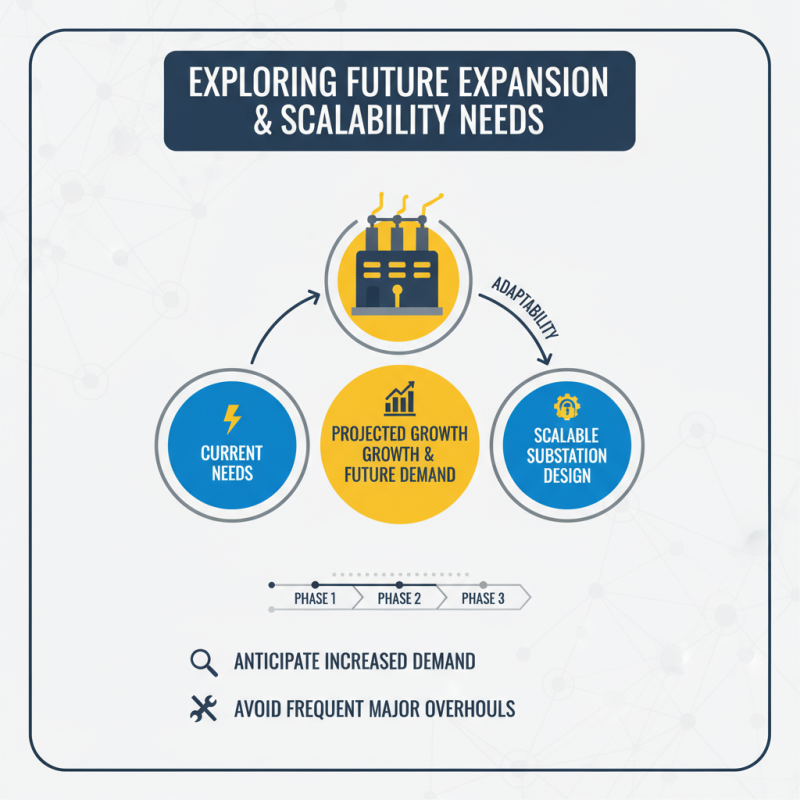
Exploring Future Expansion and Scalability Needs

How to Choose the Best Power Substation for Your Needs?

When selecting a power substation, considering future expansion is crucial. A well-planned substation should accommodate increased demand over time. Assessing scalability involves understanding current energy needs and projected growth. This foresight ensures the substation can adapt without requiring frequent major overhauls.

Investing in flexible design features can enhance the lifespan of your substation. Modular components allow for gradual upgrades. They can minimize disruption during expansions. However, these designs may demand higher initial costs. Yet, in the long run, they can save money and time. Remember, every choice impacts reliability.

Engage with experts who can provide insights into evolving technology. They can guide you in identifying the most suitable options for your specific requirements. Moreover, it's essential to evaluate local regulations related to Substation Power Distribution. This helps in avoiding potential future setbacks. Staying informed about industry trends also facilitates better decision-making. Balancing immediate needs with future potential is key.

Comparing Maintenance and Support Services Available

When selecting a power substation, maintenance and support services play a crucial role. These services ensure that your substation runs efficiently and meets safety standards. Engaging with providers that offer comprehensive support can be valuable. It's important to examine their response times for emergencies and the availability of on-site technicians.

Consider the quality of the training provided for your staff. Training can empower your team to identify potential issues early. A provider's experience in maintaining similar substations often enhances the reliability of their services. For some, it may not be clear how frequently maintenance should occur. Regular check-ups can help prevent outages and equipment failures.

Evaluate the warranties and service contracts offered. They can vary significantly, impacting long-term costs. A solid contract should include details on both scheduled maintenance and emergency support. It can be challenging to predict all future needs. Therefore, flexibility in the contract is essential for adapting to changing requirements.

How to Choose the Best Power Substation for Your Needs? - Comparing Maintenance and Support Services Available

Feature Option A Option B Option C
Initial Setup Time 2 weeks 3 weeks 4 weeks
Annual Maintenance Cost $10,000 $12,000 $9,000
Support Response Time 24 hours 12 hours 36 hours
Availability of Spare Parts High Medium Low
Training Provided Comprehensive Basic None

Enhancing Electrical Infrastructure Efficiency: Insights from the Latest Market Analysis on YB High Voltage/Low Voltage Prefabricated Substations

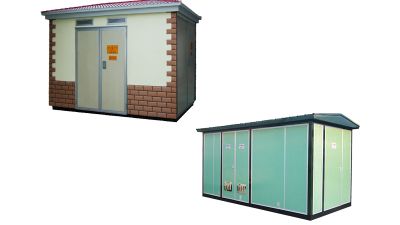
The YB□ series prefabricated substation stands out as a highly efficient solution for modern electrical infrastructure demands. This compact, integrated system combines high-voltage equipment, transformers, and low-voltage panels within a single robust enclosure. Such a design is particularly suited for urban environments, residential complexes, industrial zones, and even temporary sites. By consolidating essential components into a limited footprint, it not only drastically reduces space requirements but also enhances the overall efficiency of power distribution networks.

Moreover, the flexibility of the YB□ series allows for various configurations, including ring-main or dual power supply systems, catering to diverse operational needs. This adaptability is crucial in today’s fast-evolving energy landscape, as it ensures reliable and uninterrupted power supply in both permanent installations and temporary setups. Further complemented by compliance with national standards, this prefabricated substation guarantees safe and efficient energy management, making it an ideal choice for projects seeking robust yet mobile power distribution solutions.

FAQS

: Why is future expansion important when selecting a power substation?

: Future expansion ensures the substation meets growing energy demands without major overhauls.

What are flexible design features in substations?

Flexible designs include modular components that allow gradual upgrades with minimal disruption.

Do flexible designs have higher initial costs?

Yes, they often require more investment upfront but can save money over time.

How can I ensure my substation adapts easily?

Engage with experts to assess current needs and plan for future growth accordingly.

What role do maintenance and support services play?

They ensure efficient operation and compliance with safety standards.

How often should maintenance be performed on a substation?

Regular check-ups are vital to prevent outages and identify potential issues timely.

Are training programs important for staff?

Yes, training empowers staff to detect problems early and maintain equipment effectively.

What should I consider in warranties and service contracts?

Look for flexibility and coverage for both scheduled and emergency maintenance.

Why is understanding local regulations necessary?

Knowledge of regulations avoids setbacks and aids in maintaining compliance.

How can industry trends impact decision-making?

Staying informed about trends helps in balancing immediate needs with future potential.

Conclusion

When selecting the best power substation for your needs, it is essential to first understand your power requirements, which will guide your decision-making process. Different types of power substations are available, each designed to meet specific energy demands. Evaluating the location and accessibility for installation is crucial, as this can affect both functionality and future maintenance.

Cost analysis is another key factor in your decision, as the pricing of power substation options can vary significantly. Additionally, ensuring the chosen substation complies with safety and regulation standards is vital for operational security. It's also advisable to explore future expansion and scalability needs, as this will ensure that your power infrastructure can grow alongside your demands. Finally, comparing available maintenance and support services can provide peace of mind and help in managing long-term operational efficiency.

Henry

Henry

Henry is a dedicated marketing professional with extensive expertise in the electrical equipment industry. Proudly representing a company that boasts unparalleled supply chain advantages, he plays a pivotal role in promoting an impressive portfolio of over 200 series and 25,000 models, which......
Previous Why Choose Wholesale China Prefabricated Substations for Your Power Needs?