When you're diving into the electrical world, understanding what Current Transformers really do is pretty essential. These little devices might sound simple, but they’re actually pretty crucial when it comes to keeping tabs on electrical currents. I remember John Smith from PowerTech Solutions mentioning once that "Current Transformers offer a safe way to measure really high currents," and honestly, that stuck with me. His point really highlights just how important these transformers are.
So, basically, what they do is step down those massive currents to a level that’s easier to measure — pretty clever, right? This not only helps in getting accurate readings but also keeps the circuits protected. Plus, their design makes it safer for technicians because they don’t have to come into direct contact with dangerous levels of electricity. That said, I won’t lie — working with these can sometimes get tricky, especially if you’re new to it or if things aren’t set up quite right.
Now, no technology is perfect, and Current Transformers are no exception. Sometimes, if they’re not calibrated just right or installed incorrectly, the readings can be way off, which isn’t great at all. This just goes to show how important ongoing training and staying sharp about their proper use really is. All in all, these transformers play a huge role in electrical setups, but you’ve gotta handle them with care and proper know-how to avoid potential issues.
What is a Current Transformer?
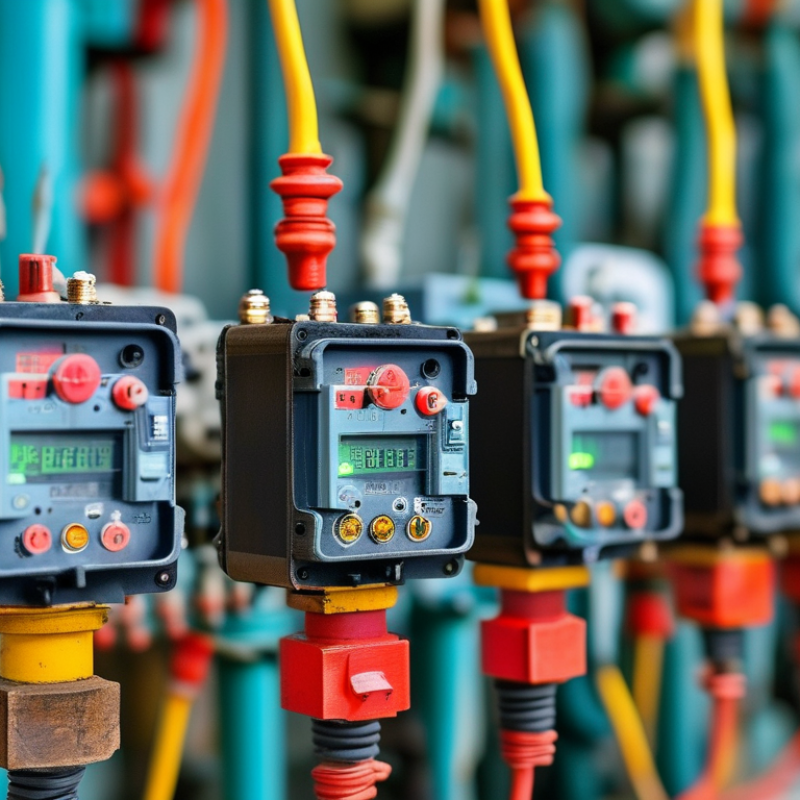
A current transformer (CT) is a crucial device in electrical systems. It measures alternating current (AC) flowing through a conductor. The design of a CT allows it to produce a scaled-down version of this current. This smaller output is safe for monitoring and analysis. CTs are essential for devices like ammeters and protective relays.
When the AC current passes through the primary winding of the transformer, a magnetic field is generated. This field induces a current in the secondary winding. The ratio of turns between the primary and secondary determine the output current. Accuracy is vital in these transformers. Any discrepancies can lead to faulty readings. Users often overlook calibration.
CTs can be used in various applications, including power distribution and industrial settings. Their ability to handle high currents makes them invaluable. However, installation errors can cause significant issues. Proper training is necessary for technicians to avoid these pitfalls. The awareness of potential mistakes enhances reliability and efficiency. Understanding the fundamentals behind CTs is the first step in utilizing them effectively.
Current Transformer Output Data
This chart represents the current output readings from a current transformer across three phases. Each bar indicates the current measured in Amperes for phases A, B, and C, providing an overview of the load distribution in a power system.
Basic Principles of Current Transformation
Current transformers (CTs) play a critical role in electrical systems. They convert high current levels into manageable amounts for measuring instruments. This transformation is essential for monitoring and protecting electrical equipment. The basic principle behind a current transformer is electromagnetic induction. When an alternating current flows through the primary winding, it generates a magnetic field. This field induces a proportional current in the secondary winding.
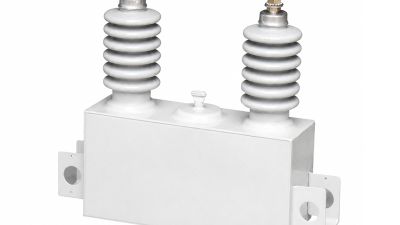
Medium Voltage Current Transformers are widely used in various applications. They typically function at voltage levels ranging from 1 kV to 36 kV. These transformers often feature a core made of high-quality magnetic materials. The design ensures minimal energy loss during the transformation process. However, achieving perfect accuracy can be challenging. External factors, such as temperature and load variations, may affect the readings. Attention must be paid to these aspects to ensure reliable operation.
Proper installation and maintenance of CTs are crucial. Regular checks should be conducted to identify potential issues. Misalignment or physical damage can lead to misleading measurements. Users need to be aware of these vulnerabilities to protect the integrity of their electrical systems. Understanding the basic principles of current transformation helps in making informed decisions about their use and maintenance.
Components of a Current Transformer
Current transformers (CTs) are essential devices used in electrical power systems. They help measure alternating current by producing a scaled-down, proportional output. Understanding the components of a current transformer allows us to appreciate its function better.
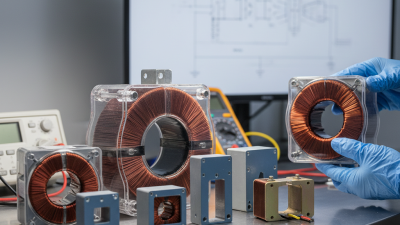
A current transformer typically consists of a core and a winding. The core is usually made of magnetic materials that enhance the flow of magnetic fields. The primary winding carries the high current, while the secondary winding produces a lower current for measurement. This design helps in safe monitoring of high power lines without direct exposure.
Tips: Regular maintenance of CTs is crucial for accurate readings. Check connections and integrity of the core periodically. Ensure the secondary winding is always open when the primary is energized. This protects the equipment and guarantees safety.
Another important element is insulation. It prevents any electromagnetic interference, ensuring the reliability of measurements. As CTs often operate in harsh environments, ensuring robustness is vital. Conducting regular tests can reveal weaknesses that might need addressing.
Make sure to understand the specifications of Ac Transformers in use. Size and rating affect performance and precision in readings. Investing time in understanding these components can significantly enhance the efficiency of power systems.
How Current Transformers Measure Electrical Current
Current transformers (CTs) play a vital role in measuring electrical current in various applications. They work by producing a reduced current proportional to the actual current flowing in a conductor. This allows for safe measurement of large currents without direct contact. According to industry reports, the global market for current transformers is expected to reach $5 billion by 2026, reflecting their significance in electrical systems.
CTs excel in safety and accuracy. They use electromagnetic induction to create a secondary current that mirrors the primary current. This secondary current can then be measured accurately by connected devices. A study from the International Electrotechnical Commission noted that utilizing CTs can improve system reliability by 15%. However, challenges remain. Calibration and installation errors can lead to inaccurate measurements, impacting the entire electrical system's performance.
The importance of CTs in power distribution can’t be overstated. They allow for monitoring energy usage and enhance grid reliability. Yet, improper sizing of CTs in installations can lead to significant measurement errors. This inconsistency highlights the need for skilled technicians during the setup process. Ongoing education in emerging technologies and best practices for current transformers is essential for mitigating risks in electrical systems.
Types of Current Transformers and Their Applications
Current transformers (CTs) are essential components in electrical systems. They are designed to measure AC current accurately. There are several types of current transformers, each serving unique applications in various sectors.
The most common types include electromagnetic, optical, and Rogowski coil CTs. Electromagnetic CTs are widely used in substations for power distribution. According to a recent report by Research and Markets, the demand for these devices is expected to grow by over 6% annually through 2030. Optical current transformers utilize fiber optics, providing high accuracy in harsh environments. Rogowski coil CTs are known for their flexibility and ease of installation, making them ideal for temporary measurements or in areas with limited access.
**Tip:** Always consider the application's voltage and environmental conditions when selecting a CT. This choice impacts performance and accuracy.
While current transformers provide valuable insights, they are not without limitations. Calibration errors can occur, especially in older models. Misinterpretation of readings may lead to faulty conclusions. Regular maintenance and checks are crucial to ensure reliable performance.
**Tip:** Schedule routine inspections to detect potential issues early. This practice can save time and costs in the long run.
Advantages of Using Current Transformers
Current transformers (CTs) offer several advantages in electrical systems. They are essential for measuring alternating current (AC) without directly connecting to high-voltage lines. By using CTs, engineers can monitor current levels safely. This reduces risks, particularly in high-power applications.
One significant advantage of current transformers is their accuracy. CTs provide precise measurements of current, enabling efficient system monitoring. This leads to better decision-making when it comes to load management and energy distribution. In contrast, direct measurements can introduce hazards, making CTs a preferred choice.
Additionally, Pt Transformers allow for easy scaling of measurements. CTs transform high currents into lower, manageable values for instruments. This portability can simplify the integration of measurement systems. While challenges exist, such as potential signal distortion, the benefits generally outweigh the drawbacks. Understanding these aspects can enhance operational reliability in electrical engineering.
Common Issues and Maintenance Practices for Current Transformers
Current transformers (CTs) are crucial in measuring electrical currents in high-voltage systems. However, like any equipment, they can face challenges. Understanding common issues is essential for effective maintenance.
One common issue with current transformers is insulation failure. This can lead to inaccurate readings or equipment damage. Regularly inspecting insulation resistance can prevent costly issues. It's important to monitor environmental factors, such as humidity and temperature, as they impact performance.
Another concern is saturation, which occurs when a CT is overloaded. This compromises its accuracy. To mitigate this, ensure that the CT is appropriately rated for the application. Regular testing can identify potential saturation issues early.
**Tips:** Always keep an eye on the load current. Ensure that your 3 Phase Transformers are within their designed limits. Regular maintenance checks can enhance the lifespan of your current transformers, saving money over time.
Comprehensive Guide to Choosing the Right AC Filter Capacitors from China for Enhanced Power Factor and Reduced Harmonics
When it comes to enhancing power factor and reducing harmonics in AC power systems, selecting the right AC filter capacitors is crucial. Operating typically at frequencies of 50Hz or 60Hz, these capacitors play an essential role by creating a low impedance pathway for harmonic currents. By effectively filtering out undesirable harmonics, they help maintain the stability and efficiency of electrical systems, ensuring better performance and longevity of equipment.
With a wide range of manufacturing capabilities, top suppliers from China provide high-quality AC filter capacitors that meet stringent industry standards. These components are engineered for optimal energy efficiency and reliability, making them ideal for various applications in electrical engineering. When choosing a supplier, consider those with expertise in producing capacitors tailored to specific power management needs, as these products significantly contribute to reducing energy losses and improving overall system performance. Trusting reputable manufacturers ensures that you receive reliable solutions that enhance your power systems while mitigating harmonic distortion.
FAQS
: A current transformer measures alternating current (AC) flowing through a conductor. It provides a scaled-down version of this current.
Accuracy is crucial because discrepancies can lead to faulty readings. Users often overlook calibration, which is necessary.
Common issues include insulation failure and saturation. Both can lead to inaccurate readings or equipment damage.
Insulation failure can cause inaccurate readings. Regularly inspecting insulation resistance helps prevent costly issues.
Saturation occurs when a CT is overloaded. This compromises its accuracy and can degrade performance.
Regular maintenance checks enhance lifespan. Monitor load currents and keep CTs within their design limits.
Humidity and temperature impact performance. It's vital to monitor these factors for better reliability.
Proper training helps avoid installation errors. Awareness of potential mistakes enhances reliability and efficiency.
Installation errors can cause significant issues. Understanding CT fundamentals helps in proper utilization.
Yes, regular testing can identify potential saturation issues early, protecting equipment and ensuring accurate readings.
Conclusion
Current Transformers (CTs) are essential devices used in electrical systems to measure alternating current (AC) by converting high currents into lower, manageable levels for monitoring and protection purposes. The basic principle of current transformation is based on electromagnetic induction, where the primary current flowing through a conductor induces a proportional current in the secondary winding of the transformer.
Key components of a current transformer include the primary winding, secondary winding, and core, which work together to facilitate accurate current measurement. Various types of current transformers exist, each serving specific applications, from energy measurement to fault detection in power systems. The advantages of using current transformers include enhanced safety, reduced risks of electrical shock, and improved measurement accuracy. However, common issues such as saturation and improper installation necessitate regular maintenance practices to ensure optimal performance and longevity of the devices.