Taking care of a power grid substation is really key if you want to keep the electricity flowing reliably. It’s not just about checking boxes — it takes some planning and just a bit of hands-on effort. Companies like Energy Solutions Inc. often run into hurdles when it comes to this stuff. These substations are super important because they help change voltage levels so everything works smoothly. Skipping out on maintenance? That can lead to blackouts or hefty repair bills, which nobody wants.
Doing daily checks on the equipment is a small step that pays off big time — catching problems early before they turn into big, costly fixes. It’s also crucial to give transformers and breakers a good clean regularly. Sadly, some places tend to ignore those tiny issues until they turn into major headaches, which can really mess with safety and efficiency.
And let’s not forget about training — it’s often overlooked but so important. Employees need to truly understand why their role in maintenance matters so much. Also, keeping track of what’s been done isn’t just bureaucratic stuff — it actually helps spot patterns and prevent future issues. Still, a lot of companies forget to keep detailed logs, and that can really trip things up later on.
All in all, managing a substation well isn’t just about reacting when something breaks. It’s about staying proactive, learning, and continuously finding ways to get better. That’s how you keep things running smoothly and avoid surprises down the line.
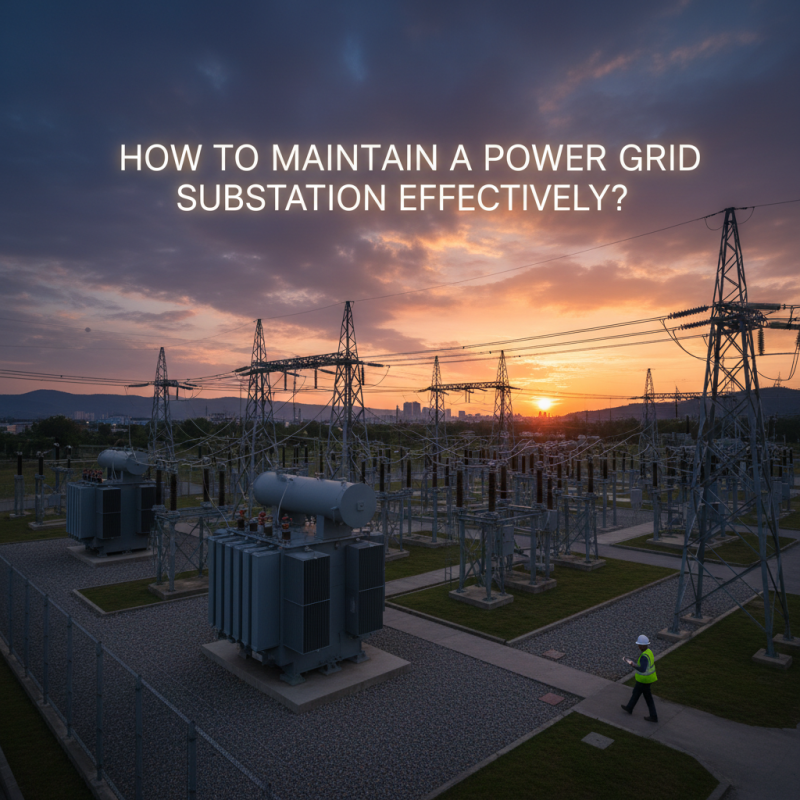
Regular inspections are crucial for maintaining power grid substations. They help identify potential issues before they escalate. According to the U.S. Department of Energy, nearly 30% of all power outages are attributed to equipment failure. This statistic highlights the importance of proactive measures.
Routine check-ups can catch signs of wear and tear. For instance, corroded connections can lead to significant inefficiencies. A study from the Electric Power Research Institute indicates that addressing such maintenance issues can reduce operational costs by about 22%. However, the challenge lies in ensuring these inspections are detailed and frequent.
Not all inspections are up to standard. Rushed evaluations can miss critical failures. Recent audits showed that 15% of substations had not undergone thorough inspections in over a year. This neglect can lead to unexpected outages and costly repairs. By prioritizing regular and comprehensive inspections, utilities can enhance reliability and prevent future complications.
Effective maintenance practices for power grid equipment are crucial for ensuring reliability. According to the U.S. Energy Information Administration, nearly 70% of electrical outages are caused by equipment failure. This highlights the importance of routine inspections and upkeep.
Regular testing and maintenance of Switchgear Power systems can drastically reduce failures. Experts recommend inspecting switchgear at least once a year. Notably, corrosion and insulator degradation can significantly affect performance. A proactive approach can extend equipment life by up to 30%. Yet, many facilities ignore these checks, potentially risking widespread disruptions.
Documentation of maintenance activities should not be overlooked. Records help identify recurring issues. Failure to record inspections leads to ineffective strategies and blind spots. It's crucial to review these logs regularly and adapt maintenance schedules. Customizing practices based on operational data can enhance reliability and address unknown vulnerabilities within the system.
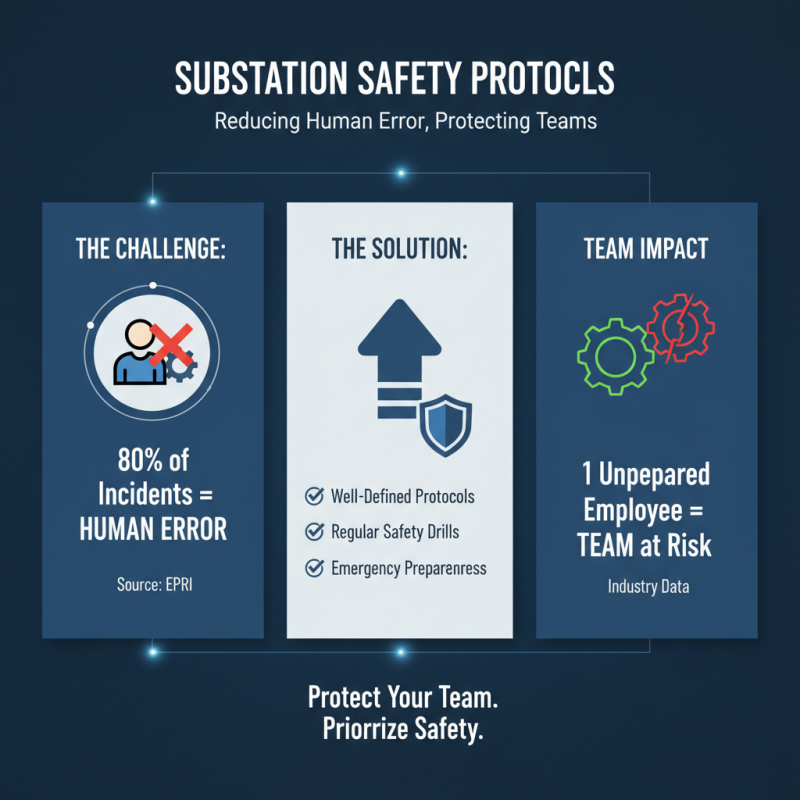
Effective safety protocols are critical in substation operations. According to the Electric Power Research Institute, nearly 80% of substation incidents result from human error. Well-defined protocols can significantly reduce these risks. For example, regularly scheduled safety drills can help workers respond effectively during emergencies. Industry data shows that one unprepared employee can jeopardize an entire team's safety.
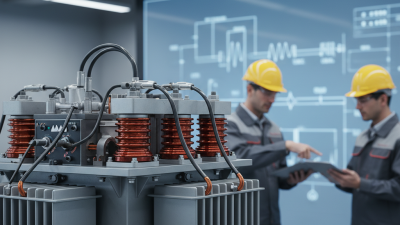
Moreover, ensuring that maintenance procedures are followed meticulously is essential. Power Transformers must be inspected frequently to prevent equipment failure. A recent study indicated that 30% of transformer failures stem from inadequate maintenance practices. This highlights the need for constant vigilance and adherence to protocols. Visual aids and checklists can assist in reminding staff of critical tasks.
However, not all safety measures are foolproof. Occasionally, unforeseen issues, such as sudden weather changes, can pose a threat. Workers need to be trained to adapt quickly. Regular review sessions of safety protocols can foster a culture of safety and awareness. Continual improvement is necessary, as complacency can lead to disaster.
Utilizing technology for enhanced power grid substation monitoring is essential for efficiency. Smart sensors and IoT devices have become common tools. These technologies can detect anomalies in real time. According to industry reports, 80% of unplanned outages stem from equipment failure. Regularly monitoring equipment health can reduce these outages.
Implementing data analytics can greatly improve decision-making. Analyzing historical data helps predict future failures. This proactive approach can extend equipment life and save costs. A survey shows that utilities using predictive maintenance reduce maintenance costs by 10% to 40%. Investing in smart monitoring systems pays off.
Tips: Regularly assess your Kv Substation’s technology. Identify gaps in monitoring systems. Use predictive insights to prioritize maintenance tasks. Embrace automation, but also stay vigilant. Sometimes, even advanced systems can overlook subtle issues, demanding human oversight.
Training staff on best practices is crucial for effective substation maintenance. A well-trained team can ensure safety and efficiency. Regular workshops should focus on hands-on experience and real-world scenarios. Learning from past errors is vital. For instance, discussing past equipment failures can help staff avoid similar mistakes.
Practical simulations enhance skills. Create realistic situations where employees troubleshoot issues. This approach promotes teamwork and confidence. Additionally, maintaining updated manuals and visual aids supports ongoing training. Regularly reviewing safety protocols prevents incidents. Encourage questions and discussions to foster a learning environment.
Reflection is important. Not all training sessions lead to improvement. Sometimes, methods need reevaluation. Collect feedback from staff to identify gaps. This allows for better strategies in substation management. By emphasizing continuous learning, the organization can adapt to changes and improve performance.
Managing emergency situations in power grid substations is crucial for maintaining stability. When an incident occurs, time is essential. Personnel must respond swiftly to ensure safety and minimize damage. Regular drills can prepare the team for various emergencies. Keeping communication lines open is vital during critical moments.
Tips: Create clear evacuation routes. Ensure everyone knows them. Regularly update safety equipment and conduct checks. Ignoring minor issues can lead to significant problems later.
Unexpected equipment failures may happen at any time. Having backup systems can help manage these incidents effectively. Awareness of potential risks is necessary. Each shift should include briefings on recent events and risks. Employees must be vigilant and proactive.
Tips: Train staff to recognize early warning signs. Encourage reporting of unusual occurrences. Developing a strong team culture around safety can make a difference. Remember to review incidents after they occur. Every experience offers a chance for reflection and improvement. Main Substation operations can be complex, but with the right strategies, they can be managed effectively.
Maintaining a power grid substation requires careful documentation of maintenance activities and performance metrics. Accurate records help identify trends and support proactive measures. Regularly updating logs ensures transparency and fosters accountability among staff. This practice aids in quick assessments during audits or inspections.
Tips: Implement a standardized format for documenting activities. Consider digital tools that automate data collection. Track metrics like equipment performance and downtime consistently. This will create a solid foundation for performance assessments.
Understanding that perfection is hard to achieve is key. Sometimes, maintenance tasks might be recorded inaccurately. Incomplete data can lead to misguided decisions. Regularly review records for accuracy and address gaps. This reflection will lead to improved processes and decision-making in the long run.
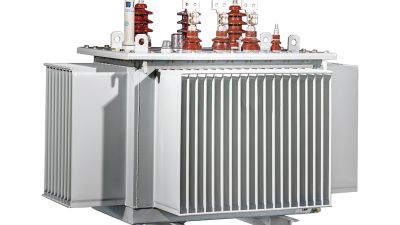
The S□ series of three-phase oil-immersed power transformers offers a comprehensive solution for a variety of applications requiring efficient electrical distribution. With capacities reaching up to 2500kVA and operating voltage levels between 6-10kV, these transformers are engineered for optimal performance in both industrial settings and routine lighting applications. Designed to operate with low losses and minimal noise, the S□ series transformers enhance energy efficiency while also ensuring high short-circuit resistance, making them a reliable choice for various users.
Available in multiple configurations, including S22, S20, S13, and S11, the S□ series caters to diverse energy requirements, aligning with national energy efficiency standards ranging from Level 1 to Level 3. This flexibility allows customers to select a model that best fits their specific operational needs. Whether utilized in factories or for local lighting solutions, these transformers serve as a robust backbone for electrical infrastructure, promoting both reliability and sustainability in power distribution.
: The guide aims to provide useful information and tips. It helps users navigate complex topics easily.
Anyone seeking knowledge can benefit. It's suitable for learners and those wanting better insights.
Engage with the material regularly. Take notes and ask questions to clarify your thoughts.
Yes, overlooking details is common. Rushing through the material can lead to misunderstandings.
Break the content into smaller parts. Focus on one section at a time to manage your learning.
Very important. Applying what you learn reinforces understanding. It helps connect theory to real-life scenarios.
Absolutely. Revisiting material enhances retention. It’s beneficial to refresh your memory periodically.
Don’t hesitate to seek help. Discussing with others can provide new perspectives and insights.
Yes, taking breaks is healthy. It prevents burnout and keeps your mind fresh for better focus.
Set small goals and celebrate achievements. Tracking progress can boost your motivation along the way.
Maintaining a Power Grid Substation effectively is crucial for ensuring a reliable and efficient electricity supply. Regular inspections play a pivotal role in identifying potential issues early, allowing for timely interventions that can prevent costly outages. Key maintenance practices, such as routine equipment checks and preventive measures, help to prolong the lifespan of substation components and enhance operational reliability.
Implementing effective safety protocols is essential to protect both personnel and equipment during substation operations. Additionally, leveraging technology for enhanced monitoring provides real-time data that can lead to proactive maintenance strategies. Training staff on best practices ensures that the workforce is well-equipped to handle daily operations as well as emergency situations. Finally, documenting maintenance activities and performance metrics is vital for tracking progress and improving overall operational effectiveness in Power Grid Substations.