Buying Electric Power Substations isn’t just another equipment purchase—it’s a big infrastructure decision. Get it right, and you’re protecting safety, reliability, operating costs, and room to grow. A substation can include transformers, circuit breakers, protection relays, busbars, control systems, communication gear. Every part has to fit the site, the voltage level, the load profile, and whatever grid rules apply.
Details matter—a lot.
So here are ten practical tips for sizing up suppliers and substation packages. We’re talking technical specs, proven performance records, factory testing, installation support, spare parts, warranties, and lifecycle service. Before signing off on a design, experienced engineers should look hard at fault levels, environmental conditions, expansion plans, and maintenance access. A coastal site, for instance, may need tougher corrosion protection than an inland one. And if it’s remote? You might want simpler controls plus fast spare-parts support.
Good procurement runs on evidence, not glossy brochures. Ask for test reports, reference projects, quality certifications, and a clear responsibility matrix. Independent inspections can catch wiring errors, poor labeling, or missing documentation before delivery. That said, no checklist wipes out every risk. Forecasts shift, suppliers miss deadlines, and even a solid design can underperform if local conditions were misread. That uncertainty deserves an honest look.
And don’t just stare at the purchase price.
The better decision balances proven engineering, transparent communication, regulatory compliance, and long-term serviceability. These ten tips are meant to help you compare carefully and have smarter conversations with qualified manufacturers, consultants, and utility specialists. Just as important, they push buyers to question assumptions before the contract is signed.
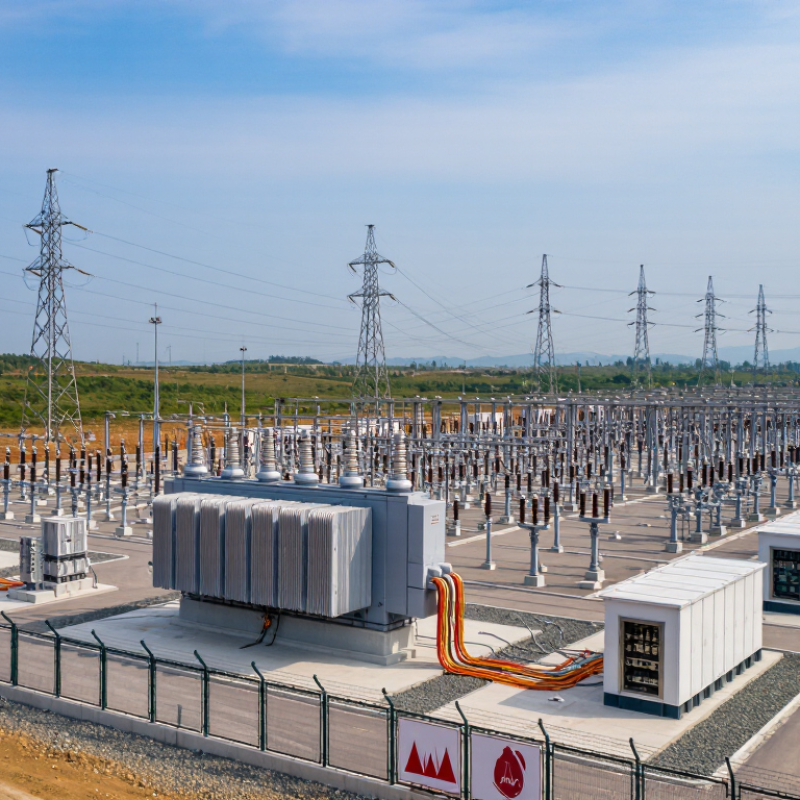
Define the Substation’s Required Capacity and Electrical Rating
Before buying a substation, define the load it must serve today and several years ahead. List motors, lighting, heating, charging equipment, and future production lines. Record their voltage, phase, starting current, and operating schedule. A monthly utility bill is useful, but it cannot replace site measurements.
Calculate the expected demand in kVA or MVA, then add a realistic growth margin. Oversizing wastes money and may reduce efficiency at light loads. Undersizing creates overheating, nuisance trips, and expensive expansion work. Check the primary and secondary voltage, frequency, transformer impedance, and available fault current. The interrupting and short-circuit ratings must match the local electrical system. Safety matters.
Environmental conditions also change the required rating. High altitude, dust, salt air, heat, and poor ventilation can reduce equipment performance. Prefabricated Substations often simplify installation, but their compact enclosures need careful thermal review. Ask for certified test records, protection settings, and clear nameplate data. An experienced engineer should verify the calculations and coordinate them with the utility.
Do not rely on a single estimate. Loads rarely behave exactly as predicted. I once treated standby equipment as continuous demand, and the result was unnecessarily conservative. Recheck assumptions with operating staff. Leave practical space for cable bending, maintenance access, and future feeders. A small design detail can become a major field problem.
10 Tips for Buying Electric Power Substations - Define the Substation’s Required Capacity and Electrical Rating
| Example Substation Duty |
System Voltage |
Planning Load |
Suggested Nominal Capacity |
Full-Load Current at Primary Voltage |
Full-Load Current at Secondary Voltage |
Key Rating and Capacity Check |
| Small commercial building or local distribution point |
11 kV / 0.4 kV |
180 kVA |
250 kVA |
13.1 A at 11 kV |
360.8 A at 0.4 kV |
Confirm that the low-voltage switchboard, busbars, cable terminations, and protective devices are rated for at least the transformer secondary full-load current. |
| Medium commercial facility or apartment complex |
11 kV / 0.4 kV |
720 kVA |
1,000 kVA |
52.5 A at 11 kV |
1,443.4 A at 0.4 kV |
Allow for motor starting, harmonic-producing loads, diversity assumptions, and future demand before finalizing the transformer rating. |
| Industrial plant with an 11 kV internal distribution system |
33 kV / 11 kV |
7.5 MVA |
10 MVA |
175.0 A at 33 kV |
524.9 A at 11 kV |
Check short-circuit withstand, transformer impedance, incoming feeder capacity, and the voltage drop during large motor starting events. |
| Regional distribution substation |
132 kV / 33 kV |
31 MVA |
40 MVA |
175.0 A at 132 kV |
699.8 A at 33 kV |
Verify system-growth forecasts, transformer cooling class, tap-changer range, busbar rating, and required N-1 operating capability. |
| High-capacity transmission-to-distribution substation |
220 kV / 33 kV |
78 MVA |
100 MVA |
262.4 A at 220 kV |
1,749.5 A at 33 kV |
Coordinate insulation level, external clearances, transformer impedance, circuit-breaker interrupting capacity, and protection settings with the utility network. |
|
Calculation basis: Three-phase full-load current is calculated as
I = S ÷ (√3 × V), where S is apparent power in VA and
V is line-to-line voltage in volts. The capacity examples include a practical planning margin above the stated load; the final rating must be confirmed through a site-specific load-flow, short-circuit, protection, thermal, and future-expansion study.
|
Assess Site Conditions, Grid Compatibility, and Future Expansion Needs
Tip: Walk the proposed site after heavy rain. Note standing water, soft soil, drainage paths, and vehicle access. A dry survey day can hide expensive foundation problems. Check flood maps and geotechnical reports before selecting Electric Transformers. Tip: Measure the distance to existing transmission or distribution lines. Shorter cable routes usually reduce losses, trenching, and maintenance exposure. Tip: Record ambient temperatures, altitude, dust, salt, and nearby chemical activity. These conditions affect cooling and enclosure selection.
Tip: Ask the grid operator for fault levels, voltage tolerances, protection settings, and connection limits. Compatibility involves more than matching rated voltage. Confirm phase arrangement, frequency, grounding method, and short-circuit withstand requirements. Tip: Review load profiles by hour, season, and operating mode. A transformer sized only for today may struggle during summer peaks. Tip: Check harmonics from variable-speed drives, inverters, and large rectifiers. They can create heat that ordinary calculations miss.
Tip: Reserve land for a second transformer, extra switchgear, and safer maintenance clearances. Future expansion needs space before construction makes it unavailable. Tip: Confirm transport routes, crane access, turning radii, and delivery weight limits. Tip: Require test records, thermal data, protection coordination studies, and installation procedures from qualified engineers. Tip: Inspect service support terms carefully, including spare parts and response times. Tip: Keep a written risk register, then challenge it. I would not pretend every forecast is accurate. Recheck assumptions when production plans, tariffs, or local grid conditions change.
Compare Substation Designs, Components, and Protection Systems
Buying an electrical substation requires more than comparing purchase prices. Start by matching the design to voltage, load growth, land limits, weather, and maintenance access. Outdoor air-insulated layouts often cost less and simplify visual inspections. Gas-insulated designs save space but require specialized servicing. Site conditions matter greatly.
Compare the major components line by line. Review transformer capacity, cooling method, impedance, and efficiency records. Check busbar ratings against expected fault current, not only normal load. Examine circuit breakers, disconnectors, current transformers, voltage transformers, surge arresters, and grounding equipment. An Electric Distribution Box may support auxiliary circuits, but it should not replace properly rated substation protection. Ask for factory test reports, material certificates, wiring diagrams, and spare-parts lists.
Protection systems deserve careful technical review. Confirm relay selectivity, backup protection, trip times, and communication reliability. Verify that protection settings match transformer data and network studies. Arc-flash controls, interlocking, fire protection, and safe isolation points should be visible in the design. Request simulated fault tests and commissioning procedures. Field experience shows that unclear labels and crowded cable trenches cause avoidable delays. I have also seen buyers overvalue remote monitoring while overlooking manual operation. That choice can age badly. Leave space for future feeders and inspection tools. A cheaper design may become expensive when one failed component stops the entire bus section.
Verify Safety Standards, Certifications, and Regulatory Compliance
Tip 1: Verify the substation’s safety standards before comparing prices. Request the exact standards used for design, insulation, grounding, fire protection, and testing. Standards should match the installation environment, voltage level, and local grid requirements. A generic compliance statement is not enough.
Tip 2: Examine every certification carefully. Check the certificate number, issuing laboratory, testing scope, expiry date, and equipment model. Confirm that the testing body is properly accredited in the relevant jurisdiction. The certificate must cover the supplied configuration, not just a similar product. In procurement reviews, this small distinction often prevents expensive disputes.
Tip 3: Confirm regulatory compliance with the authority responsible for your site. Ask for factory test reports, inspection records, protection settings, and quality-control documents. Keep copies in a controlled project file. Traceability matters. Serial numbers, test dates, and inspector signatures should align.
Do not rely on paperwork alone. Inspect enclosure seals, warning labels, cable entries, earthing points, and emergency access. Photographs can reveal missing barriers or poor workmanship before delivery. I once assumed a complete certificate meant a complete inspection; that assumption was too comfortable. Independent verification may cost more, but it can expose gaps early. Local engineers should review unusual conditions, including coastal air, dust, flooding, or restricted access. Compliance is not a single stamp. It is evidence that the equipment remains safe under real operating conditions.
Evaluate Suppliers, Manufacturing Quality, and Technical Support
When buying a 3 Phase Electric Transformer, supplier evaluation should begin with verified production evidence. The IEA’s 2023 Electricity Grids report estimates annual grid investment must rise from about 300 billion dollars to more than 600 billion dollars by 2030. Demand is growing, but capacity claims still need testing. Ask for factory audit records, recent test certificates, and delivery data from comparable projects. A polished brochure proves little.
Tip 1: Inspect manufacturing quality. Check winding materials, core design, insulation systems, and enclosure protection. Request routine and type-test results aligned with applicable IEC or IEEE requirements. Look closely at temperature-rise data and partial-discharge limits. Small details matter. The U.S. Department of Energy’s 2022 grid supply-chain review noted that large transformer lead times can exceed 36 months. Confirm component availability before signing. One missed bushing can delay an entire site.
Tip 2: Measure technical support, not promises. Require a named engineering contact, commissioning procedures, fault-response times, and spare-parts guidance. Ask whether technicians can review load profiles, harmonics, altitude, and cooling conditions. Tip 3: Compare total operating value. A lower purchase price may hide higher losses, weak documentation, or difficult maintenance. Request guaranteed efficiency figures at realistic loading points. My own caution is simple: supplier scoring can become subjective when deadlines tighten. Use a weighted checklist, record every assumption, and leave room for independent inspection before shipment.
10 Tips for Buying Electric Power Substations
Recommended evaluation weights for comparing suppliers, manufacturing quality, and technical support when purchasing an electric power substation.
How to use this chart: Prioritize safety compliance, technical fit, manufacturing quality, and factory testing before comparing price. Confirm routine and type-test documentation, after-sales response times, spare-parts availability, warranty coverage, and the substation’s long-term operating cost.
Calculate Total Ownership Costs, Delivery Time, and Maintenance Needs
Buying an electric power substation requires more than comparing equipment prices. Calculate total ownership cost across 25 to 40 years. Include purchase, civil works, protection systems, transport, installation, energy losses, inspections, spare parts, and disposal. The IEA’s 2023 Electricity Grids and Secure Energy Transitions report estimates annual grid investment must exceed 600 billion dollars by 2030. That pressure makes efficiency and asset life financially important.
Request a delivery schedule with manufacturing, factory testing, shipping, customs, and site commissioning shown separately. A six-month estimate may hide delays in bushings, control panels, or protection relays. Require written milestones and factory acceptance testing. Keep a practical contingency. Projects rarely follow the first calendar.
Maintenance needs should match the site environment. Ask for transformer oil sampling intervals, bushing inspection requirements, battery replacement cycles, and remote monitoring limits. IEC 60076 and IEEE C57 guidance can support technical specifications, but local humidity, salt, dust, and temperature still change the workload. A coastal substation may need more frequent corrosion checks than an inland site.
Use lifecycle modeling, not optimistic assumptions. Compare expected losses at average load, not only rated load. Include outage costs, technician travel, and emergency inventory. In one review, a lower-cost option looked attractive until transport and five-year maintenance were added. The estimate was wrong. Recheck every assumption with suppliers, operators, and an independent engineer.
FAQS
Match the design to voltage, load growth, available land, weather, and maintenance access. Air-insulated layouts usually need more space. Gas-insulated layouts save land but require specialized servicing. Site conditions often decide the better option.
Compare transformer capacity, cooling method, impedance, efficiency, and test records. Check busbar ratings against possible fault current. Review breakers, disconnectors, measuring transformers, surge protection, and grounding equipment. Normal load ratings are not enough.
Request factory test reports, material certificates, wiring diagrams, protection settings, and spare-parts lists. Serial numbers and test dates should match. Missing documents create delays later. I would not accept vague paperwork.
Confirm relay selectivity, backup protection, trip times, and communication reliability. Settings must match transformer data and network studies. Review interlocking, fire protection, arc-flash controls, and safe isolation points. Ask for simulated fault tests.
Check enclosure seals, warning labels, cable entries, grounding points, barriers, and emergency access. Inspect cable trenches for crowding. Clear labels matter during a fault. Small defects can delay commissioning.
Check the certificate number, testing scope, expiry date, equipment model, and issuing laboratory. Confirm the laboratory’s relevant accreditation. The certificate must cover the supplied configuration. A similar model is not enough.
Include equipment, civil works, transport, installation, testing, energy losses, inspections, spare parts, and disposal. Model costs across 25 to 40 years. Add technician travel and emergency inventory. The cheapest purchase may not be cheapest overall.
Separate manufacturing, factory testing, shipping, customs, and site commissioning. Require written milestones and realistic contingency time. Ask about oil sampling, bushing inspections, batteries, corrosion checks, and monitoring limits. A six-month estimate may still slip.
No. Balance remote monitoring with reliable manual operation and inspection access. Operators still need clear controls during communication failures. I have seen buyers overlook this. That choice can age badly.
Conclusion
Buying Electric Power Substations requires careful planning to ensure reliable performance, safe operation, and long-term value. Start by defining the required capacity, voltage, load profile, and electrical rating based on current demand and expected growth. Assess the proposed site, including land conditions, weather exposure, access, environmental factors, grid compatibility, and space for future expansion. Compare suitable designs, transformers, switchgear, control systems, and protection equipment to find a configuration that meets operational requirements without unnecessary complexity.
Before making a decision, verify that the substation design and equipment comply with applicable safety standards, certifications, and local regulations. Evaluate suppliers by reviewing manufacturing quality, testing procedures, delivery capabilities, engineering expertise, and after-sales technical support. Finally, calculate total ownership costs, including purchase, installation, transportation, energy losses, inspections, spare parts, and maintenance. Considering delivery schedules and lifecycle service needs will help organizations choose a dependable substation solution that supports stable grid operation and future development.