
Leave Your Message
0%

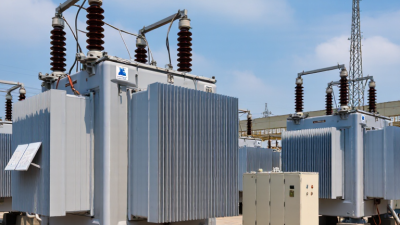
Picking the right Transformers Equipment is a big deal—it impacts safety, voltage stability, how much you'll spend on maintenance, and even what you can do later down the line. Basically, you want a transformer that fits your system’s voltage, the type of load you’re dealing with, where you’re installing it, and how much maintenance you’re capable of handling. For example, a dry-type transformer might be perfect for an indoor commercial space, but if you’ve got larger outdoor loads, an oil-immersed unit could be the way to go—as long as it’s installed with proper containment and monitoring.

Start with real, verified operating data. Don’t just guess—look at peak demands, how loads fluctuate daily, ambient temperatures, altitude, fault levels, and available space. From there, compare key specs like rated power, impedance, cooling method, insulation class, efficiency, noise levels, and protection features. Little details matter more than you think—think about a cluttered switchroom that could block airflow, or dust, moisture, or heat that might cut a transformer’s lifespan short.

Don’t forget to ask your suppliers for test reports, factory quality records, warranty info, and references from other customers. While standards like IEC and IEEE are helpful for technical comparisons, you’ll still need to double-check that everything meets your local electrical regulations. It’s also a good idea to have qualified engineers review all the calculations, protection setups, grounding, and clearance requirements before you make a final call. Remember, the nameplate isn’t everything—reliability depends on the whole picture.

And honestly, there’s no such thing as a perfect choice. Going for a cheaper transformer might save a buck upfront, but it could end up costing you more in losses and maintenance over time. On the flip side, oversized units might seem like a safe bet, but they can drain efficiency during lighter loads and end up costing more overall. These are tricky trade-offs, so it’s worth thinking them through carefully. Even experienced teams can overlook future growth or changes in power quality. That’s why choosing a transformer should involve documented calculations, an independent second opinion, and a realistic view of its lifecycle. In the end, a good decision is one you can measure, maintain, and honestly understand its limits.
How to Choose the Right Transformers Equipment?

Define the Transformer’s Purpose, Capacity, and Operating Conditions

Choosing transformer equipment starts with its purpose, not its nameplate. A unit serving lighting loads differs from one supplying motors, furnaces, or data systems. Define the connected equipment and its starting behavior. Large motors can demand several times their running current during startup. That brief surge may cause voltage dips or unwanted trips.

Capacity must reflect real operating patterns. Add the continuous load, starting current, future expansion, and acceptable temperature rise. Avoid sizing only from today’s measured demand. It may create a narrow margin later.

However, excessive oversizing can increase losses, purchase costs, and poor low-load efficiency. A load study, supported by operating records, gives a more dependable foundation than guesswork.

Operating conditions often decide the suitable construction. Check primary and secondary voltages, frequency, altitude, ambient temperature, humidity, dust, and available installation space. Outdoor equipment may need weather-resistant protection and suitable cooling. Industrial sites can also produce harmonics from variable-speed drives or rectifiers. These currents may increase heating, so the transformer may require harmonic evaluation or derating. Grounding and protection settings should match the wider electrical system, not be chosen separately.

A neat calculation can still mislead. Review the assumptions with an electrical engineer, then compare them against actual measurements during normal and peak operation.arsuarmi

Identify the Required Voltage, Frequency, and Phase Configuration

How to Choose the Right Transformers Equipment?

Start with the voltage shown on the equipment nameplate, not a remembered value. Check both primary input and secondary output ratings. A transformer designed for 480 volts can fail when connected to a 600-volt supply. Measure the incoming voltage with a properly rated meter. Record readings during normal operation, because voltage can dip when motors start. Confirm whether the system uses 50 or 60 hertz. Frequency affects magnetic flux, heat, noise, and transformer life. A 50 Hz unit may not perform safely on a 60 Hz circuit. Always verify the utility specification and installation drawings.

Phase configuration needs equal attention. Determine whether the load requires single-phase or three-phase power. Check phase rotation before connecting sensitive machinery. Incorrect rotation may reverse a motor and create a serious operational problem. For Substation Equipment, review the neutral arrangement, grounding method, and available fault current. Then compare the transformer’s kVA capacity with the continuous load and short-term inrush. A calculation that ignores startup demand can look acceptable but still cause nuisance trips. I would rather pause over an unclear drawing than trust a rushed assumption.

Tips: Photograph every nameplate before removal. Mark primary and secondary cables clearly. Ask a qualified electrical professional to verify voltage, frequency, phase, and protection settings. Test under realistic load conditions. Small details matter. One overlooked phase can change everything.

Compare Transformer Types and Core Construction Options

Choosing a transformer begins with the site, not the catalog. Oil-immersed transformers suit outdoor substations and high-capacity service, where cooling space is available. Dry-type transformers work well indoors, especially where fire protection and clean operation matter. Cast-resin designs resist moisture better than many conventional dry units. Still, no type fits every project.

Core construction affects efficiency, noise, heat, and long-term operating cost. Laminated silicon-steel cores remain widely used because they offer predictable performance and practical repair options. Amorphous metal cores can reduce no-load losses, which matters when the transformer stays energized for long periods. However, their purchase price and mechanical handling requirements deserve careful comparison. A few saved watts can become significant across years of continuous service.

Look closely at Electrical Substation Equipment around the transformer. Cable length, ventilation, humidity, load cycles, and maintenance access can change the best choice. I once favored a compact dry-type design for an indoor installation, but the restricted airflow deserved more attention. That assumption needed review. Check temperature rise, insulation class, acoustic limits, short-circuit strength, and test records. Ask how technicians will inspect connections on a rainy day or during a night shift. Small practical details often decide whether a transformer remains dependable after installation.

How to Choose the Right Transformer Equipment?

The chart compares representative efficiency levels for common transformer types. Power and autotransformers generally achieve higher efficiency because they are designed for large power transfer or use less winding material. Distribution and isolation transformers prioritize voltage regulation, safety, and dependable continuous operation. Core-type designs are widely used for medium- and high-power equipment, while shell-type and toroidal constructions can offer compact magnetic paths and reduced leakage in suitable applications. Actual performance depends on rating, load factor, frequency, cooling method, insulation system, and core material.

Evaluate Efficiency, Cooling, Insulation, and Safety Features

Choosing High-voltage electrical equipment requires more than comparing purchase prices. Efficiency should be measured across the transformer’s service life. The International Energy Agency’s Electricity Grids and Secure Energy Transitions report says annual grid investment must exceed 600 billion dollars by 2030. That pressure makes standby losses important. Ask for no-load and load-loss test results, not only the headline efficiency rating. The U.S. Department of Energy’s transformer analysis also links stricter efficiency standards with major long-term energy savings.

Cooling deserves practical attention. A transformer operating beside a dusty substation wall may run hotter than laboratory data suggests. Check radiator capacity, airflow, ambient temperature, and emergency loading limits. IEC 60076 guidance connects insulation aging closely with temperature. A few degrees can matter. Oil quality, moisture control, and dissolved-gas monitoring can reveal developing faults before smoke appears. These details are easy to ignore.

Insulation selection should match altitude, humidity, switching surges, and expected duty cycles. Safety features should include pressure relief, fire protection, grounding, guarded terminals, and clear isolation procedures. IEC 60076 test requirements provide a useful verification framework. A neat specification sheet can still mislead. I would request factory test records, maintenance history, and site-specific calculations before approval. The uncomfortable question is simple: can the maintenance team safely inspect it at 2 a.m.?

Check Environmental Conditions, Standards, and Installation Requirements

How to Choose the Right Transformers Equipment?

Choosing transformer equipment starts with the environment, not only the rated power. Record the highest and lowest ambient temperatures at the installation site. Consider altitude, humidity, dust, salt mist, vibration, and flood exposure. A dry indoor room may need different protection from an outdoor substation near the coast. Check enclosure ratings and cooling methods carefully. Blocked ventilation can raise winding temperatures quickly.

Standards provide a dependable design framework. Confirm applicable IEC, IEEE, or national requirements before comparing equipment. Verify insulation levels, temperature-rise limits, short-circuit strength, noise limits, and testing documentation.

Installation also needs practical attention. Allow safe working clearances, adequate airflow, suitable lifting access, and correctly sized cables. Grounding must match the site design, while protection devices should coordinate with the transformer and upstream system. Fire separation may be necessary in certain buildings.

Tips: Ask for site measurements, not assumptions. Keep records of temperature, humidity, and expected load. Review the installation drawing with a qualified engineer before ordering. A checklist helps, but it is not infallible. I have seen projects fail because a doorway was too narrow for delivery. That detail feels minor until the equipment arrives. Recheck maintenance access, terminal positions, drainage, and future load growth. Leave room for inspection. Equipment selected only from a catalog may appear suitable, yet perform poorly under real conditions.

Assess Maintenance Needs, Total Cost, and Supplier Support

How to Choose the Right Transformers Equipment?

Choosing transformer equipment starts with maintenance, not the purchase price. A low-cost unit can become expensive when inspections require special tools or long shutdowns. During site assessments, check access space, ventilation, noise levels, cable routes, and cleaning conditions. Photographs of cramped panels often reveal risks that drawings miss.

Maintenance records should show temperature readings, connection checks, insulation tests, and previous faults. Ask how quickly technicians can replace fans, bushings, meters, or protective devices. I once saw a well-sized transformer delayed by one unavailable relay. That mistake stopped production for several days. GCK Low Voltage Distribution Equipment may serve downstream circuits, so its compatibility with transformer ratings, protection settings, and maintenance access deserves close attention. Do not treat the distribution cabinet as an afterthought.

Total cost includes energy losses, spare parts, testing, downtime, training, transport, and disposal planning. Request a clear five-year cost estimate, not only a quotation. Supplier support matters just as much. Check response times, technician qualifications, documentation quality, warranty conditions, and local spare-part availability. Ask for sample maintenance procedures and realistic service commitments. No assessment is perfect. A supplier may sound capable during sales discussions, yet weak follow-through can appear later. Speak with previous users when possible, and record every promise in the contract.

How to Choose the Right Transformers Equipment? - Assess Maintenance Needs, Total Cost, and Supplier Support

Equipment Type Typical Rating & Application Typical Service Life Routine Maintenance Needs Main Maintenance Risks Indicative Purchase Cost Indicative 20-Year TCO Supplier Support Requirements Best-Fit Conditions
Mineral-Oil-Immersed Distribution Transformer Approximately 50–2,500 kVA; utility distribution, commercial buildings, and industrial facilities 25–40 years when correctly loaded and maintained Visual inspections; oil-level and temperature checks; inspection for leaks, corrosion, and damaged bushings; periodic oil testing based on criticality Oil leaks, moisture ingress, overheating, insulation deterioration, and fire exposure if containment is inadequate US$12,000–US$90,000, depending on rating, voltage, impedance, accessories, and standards US$35,000–US$180,000, including energy losses, inspections, oil testing, repairs, and outage-related allowances Oil-analysis capability, spare-gasket and bushing availability, troubleshooting assistance, drawings, test reports, and emergency response Outdoor installations where low first cost, high efficiency, and established maintenance practices are priorities
Cast-Resin Dry-Type Transformer Approximately 100–3,150 kVA; indoor commercial, industrial, data, and institutional facilities 20–30 years, with service life strongly affected by temperature and ventilation Cleaning of windings and ventilation paths; inspection of connections, fans, temperature sensors, and enclosure; thermal scanning under load Dust accumulation, blocked airflow, loose connections, thermal cycling, and insulation damage from excessive heat US$20,000–US$130,000, depending on rating, enclosure, cooling system, and electrical specifications US$45,000–US$240,000, including energy losses, cleaning, fan replacement, testing, and planned outages Ventilation design review, temperature-monitoring support, spare fans and sensors, commissioning tests, and repair guidance Indoor or fire-sensitive locations where avoiding insulating liquid is more important than minimizing purchase cost
Pad-Mounted Transformer Approximately 75–2,500 kVA; underground residential, commercial, and light-industrial distribution 25–40 years under normal loading and environmental conditions Inspection of cabinet locks, corrosion, grounding, oil level, bushings, cable terminations, and enclosure condition Water entry, vandalism, corrosion, cable-termination failure, unauthorized access, and restricted working space US$18,000–US$110,000, excluding site civil works and cable installation US$45,000–US$220,000, including transformer losses, inspections, civil maintenance, security, and replacement risk Field-service coverage, approved cable and bushing procedures, fault-response support, replacement-unit availability, and safety documentation Outdoor networks requiring a compact, tamper-resistant package with minimal visual impact
Medium-Voltage Substation Transformer Approximately 1–20 MVA; manufacturing plants, utilities, renewable-energy sites, and large facilities 25–40 years, subject to loading, fault duty, insulation condition, and environmental exposure Scheduled oil and dissolved-gas analysis; bushing and tap-changer checks; infrared inspection; relay and protection testing; grounding verification Tap-changer wear, partial discharge, moisture, winding movement after faults, bushing failure, and cooling-system defects US$100,000–US$700,000, depending on MVA, voltage class, impedance, cooling, tap changer, and accessories US$300,000–US$1,500,000, including energy losses, condition monitoring, testing, planned outages, and failure consequences 24/7 technical assistance, on-site commissioning, factory test records, diagnostic interpretation, spare parts, and contingency planning High-load or critical-power installations where reliability, diagnostics, and outage reduction justify higher lifecycle spending
Substation Transformer with On-Load Tap Changer Approximately 10–100 MVA; transmission, utility, and large industrial substations requiring voltage regulation 30–50 years with condition-based maintenance and controlled loading Transformer oil testing; tap-changer oil and contact inspection; bushing tests; cooling-system checks; dissolved-gas monitoring; protection-system testing Tap-changer contact wear, arcing, oil contamination, bushing aging, cooling failure, and severe consequences from internal faults US$700,000–US$4,000,000, depending on capacity, voltage, transport, tap range, and monitoring systems US$2,000,000–US$12,000,000, including losses, specialist maintenance, monitoring, outages, transport, and replacement exposure Long-term parts support, specialist tap-changer technicians, condition-monitoring analysis, emergency repair coordination, and documented training Critical grid or industrial applications where stable voltage and continuity of service are essential
Cost and selection note: The cost ranges are planning-level estimates in 2026 US dollars and vary by voltage class, capacity, efficiency, accessories, local labor, transportation, civil works, installation standards, and exchange rates. Total cost of ownership should include purchase, installation, energy losses, inspections, spare parts, scheduled outages, environmental compliance, and the financial impact of unplanned downtime. Final selection should be based on a site load study, short-circuit analysis, environmental assessment, applicable standards, and a written supplier service agreement.

A Practical Guide to 40.5kV and 12kV Transformers for Wind and Photovoltaic Power Systems

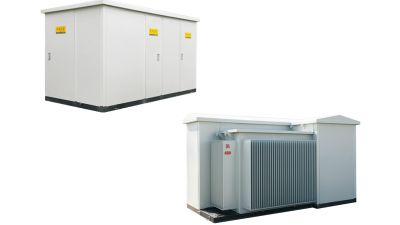
Box-type step-up transformers are essential components in wind and photovoltaic power systems, where generators and inverters commonly deliver electricity at 690V. Their primary function is to raise this output to 12kV or 40.5kV, allowing efficient collection and transmission across the renewable energy farm grid. The 12kV option is suitable for medium-voltage collection networks and compact project layouts, while 40.5kV models are preferred when longer transmission distances and reduced line losses are required.

When selecting a transformer, project engineers should consider rated capacity, voltage ratio, insulation level, cooling method, impedance, and expected environmental conditions. Wind farms may require equipment capable of handling vibration, moisture, temperature changes, and strong coastal winds. Photovoltaic projects often prioritize reliable operation under high solar exposure, dust, and fluctuating daily loads. A sealed box-type design can provide enhanced protection and simplify installation in outdoor substations.

For dependable operation, the transformer should be matched carefully with the turbine or inverter output, collector network, and protection system. Factory testing, temperature monitoring, grounding, surge protection, and suitable ventilation are also important before commissioning. Routine inspections should check cable connections, enclosure condition, insulation performance, and abnormal temperature rise. Properly engineered 12kV and 40.5kV transformers help renewable energy projects maintain stable voltage conversion and efficient power delivery.

FAQS

How do I confirm the transformer’s required voltage?

Read the equipment nameplate carefully. Check both primary input and secondary output ratings. Measure incoming voltage with a properly rated meter. Record readings during normal operation and motor startup. A 480-volt transformer may fail on a 600-volt supply. Small errors matter.

Why should I verify frequency before choosing equipment?

Confirm whether the system uses 50 or 60 hertz. Frequency affects magnetic flux, heat, noise, and service life. A unit designed for 50 hertz may not operate safely at 60 hertz. Check utility documents and installation drawings. Do not rely on memory.

How can I select the correct phase configuration?

Determine whether the load needs single-phase or three-phase power. Check phase rotation before connecting sensitive machinery. Incorrect rotation can reverse a motor. Review neutral arrangements and grounding methods. One overlooked phase can change everything.

How should I compare transformer capacity with the actual load?

Compare the transformer’s kVA rating with continuous demand and short-term inrush. Motors may require much more power during startup. A simple calculation can look acceptable but still cause nuisance trips. Recheck the assumptions. I would pause over unclear drawings.

Which environmental conditions affect transformer selection?

Record the highest and lowest site temperatures. Consider altitude, humidity, dust, salt mist, vibration, and flood exposure. Outdoor coastal equipment needs different protection from a dry indoor unit. Check enclosure ratings and cooling methods. Blocked ventilation raises winding temperatures quickly.

What installation details should be checked before ordering?

Confirm working clearances, airflow, lifting access, cable sizes, grounding, and protection coordination. Check terminal positions and maintenance access. Measure doorways and delivery routes. A doorway may be too narrow. Leave space for inspection and future load growth.

What maintenance information should I request?

Ask for procedures covering temperature readings, connection checks, insulation tests, and fault records. Confirm access to replacement fans, bushings, meters, and protective devices. Check technician qualifications and response times. A missing relay once caused several days of delay. That risk deserves attention.

How should I evaluate the total cost and service support?

Include energy losses, spare parts, testing, training, transport, downtime, and disposal planning. Request a clear five-year cost estimate, not only the purchase quotation. Review warranty terms and local spare-part availability. Record service promises in the contract. Sales discussions are not proof.

Conclusion

Choosing the right Transformers Equipment begins with clearly defining its purpose, expected load capacity, and operating conditions. Identify the required voltage, frequency, and phase configuration to ensure the transformer matches the electrical system and performs reliably. You should also compare suitable transformer types and core construction options based on application demands, energy efficiency, space limitations, and expected service life.

A complete evaluation should include cooling methods, insulation quality, efficiency ratings, and essential safety features. Consider environmental factors such as temperature, humidity, dust, altitude, and indoor or outdoor installation. Confirm that the equipment meets applicable technical standards and installation requirements. Finally, assess maintenance intervals, spare-part availability, total ownership cost, warranty terms, and the supplier’s technical support. A well-planned selection process helps improve system stability, reduce energy losses, control long-term expenses, and ensure that the Transformers Equipment remains dependable throughout its operating lifecycle.

Liam

Liam

Liam is a seasoned marketing professional with a deep expertise in the electrical equipment industry. With a focus on delivering exceptional value, he leverages the company's unmatched supply chain advantages to effectively promote a diverse range of products, including over 200 series and 25,000......
Previous 7 Tips for Buying Electric Transformers Worldwide