
Leave Your Message
0%

Picking out the best Isolation Transformer from China's top manufacturers isn’t just about scanning price tags. You really have to dig deeper. An ideal isolation transformer offers electrical isolation, stable voltage regulation, low noise levels, and reliable thermal performance. Think about where you’re using it — whether it’s a hospital monitor, a CNC machine, or a data center rack — each setting has its own unique needs and risks.

By the way, according to the International Energy Agency’s Electricity 2024 report, global electricity demand is expected to jump around 4% in 2024 and 2025. This surge puts extra pressure on power quality and equipment safety. Meanwhile, Grand View Research points out that the market is driven by grid upgrades, more electrification, and renewable energy integration. These figures tell us about the bigger picture, not every single isolation unit — and that’s an important difference to keep in mind.

In this guide, I’ll take a look at some Chinese suppliers like TMC Transformers, Jiangsu Huapeng Transformer, Baoding Tianwei Baobian Electric, and Sunten Electric. Just knowing how big a company is doesn’t really tell you much, honestly. What matters is whether they provide things like test records, details about winding materials, insulation class, temperature rise, impedance, efficiency, and noise levels. It’s a good idea to ask for factory photos, and even better to request traceable test reports. Standards like IEC 61558-1 and IEC 61558-2-4 are useful safety references. Keep in mind, UL, CE, and local approvals can vary depending on where you’re planning to use the transformer, so verification is key.

When comparing options, don’t forget to look at engineering support, lead times, spare parts availability, warranty terms, and how responsive they are after the sale. It’s also smart to ask how they deal with overloads, humidity, inrush current, and weird power surges. Sometimes, those small details really matter. A heavy, sturdy enclosure, clean terminals, and a clear nameplate suggest they care, but you should still ask for lab test data to back it up. A cheap quote might look tempting, but it could hide thinner insulation materials, weaker documentation, or overly optimistic delivery promises. No checklist is perfect — so buyers should challenge assumptions, sample-test, and think about the total cost of ownership before committing long-term.

All in all, choosing the right isolation transformer means doing your homework. The specs are important, but so are support, quality assurance, and real-world performance. Better to be cautious now than face issues down the line.
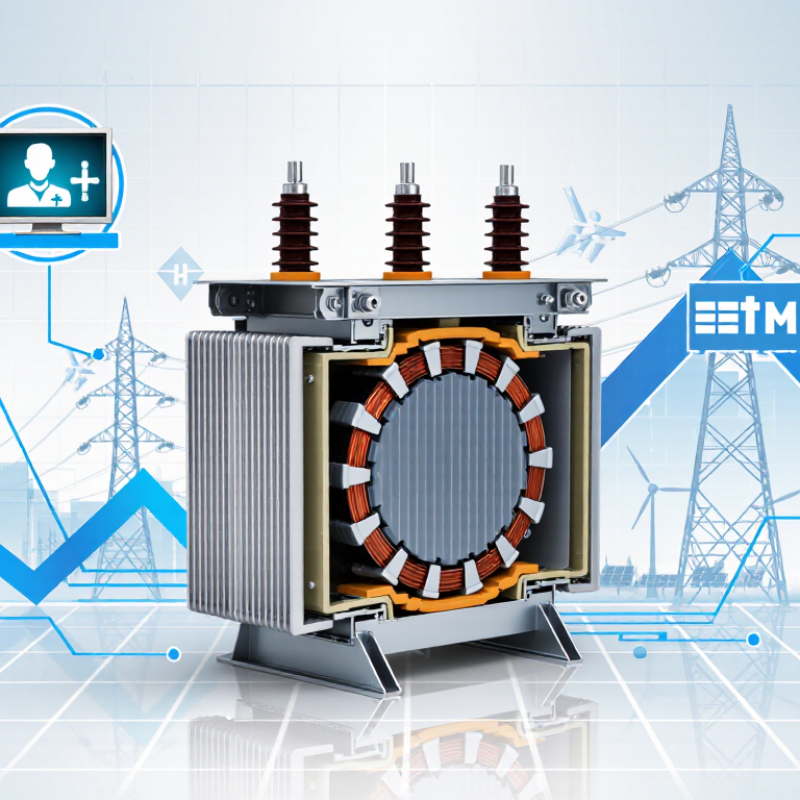
China Top Isolation Transformer Manufacturers How to Choose?

What Is an Isolation Transformer and Why Does Manufacturer Choice Matter?

An isolation transformer separates the input and output circuits through magnetic coupling. It transfers power without a direct conductive path. This barrier can reduce shock risk, interrupt ground-loop noise, and protect sensitive equipment from disturbances. However, isolation does not automatically correct voltage fluctuation or poor grounding. The specification can still be wrong.

Manufacturer choice matters because construction quality controls real protection. A reliable supplier should provide insulation-class details, temperature-rise data, dielectric test results, and traceable factory records. IEC 61558-2-4 addresses safety requirements for isolating transformers, while thermal performance requires careful evaluation under continuous load. A transformer may carry the correct kVA rating yet overheat in a dusty control cabinet. That is an easy mistake.

Outage consequences make this decision practical. Uptime Institute’s 2023 Global Data Center Survey reported that 60% of significant outages cost at least 100,000 US dollars. A properly engineered transformer cannot prevent every outage, but weak testing can add avoidable risk. Buyers comparing China-based manufacturers should request sample test reports, verified efficiency data, acoustic limits, enclosure protection, and after-sales response procedures. Factory inspection also deserves attention. Photos are not enough. A low quotation may reflect efficient production, or missing controls. Reflect on that.

Which Technical Standards Define a Reliable Isolation Transformer?

A reliable Isolation Transformer 3 Phase should meet IEC 61558-1 and IEC 61558-2-4 safety requirements. These standards define insulation, dielectric strength, creepage distance, temperature rise, and protection against electric shock. For dry-type units, IEC 60076-11 adds requirements for thermal performance, partial discharge, and short-circuit strength. North American projects may also request IEEE C57.12.01 or UL 1561 compliance.

Standards matter more than attractive catalog numbers. The U.S. Department of Energy’s transformer-efficiency analysis estimates that distribution transformers consume about 60 billion kilowatt-hours annually in the country. Excessive no-load loss becomes expensive when equipment runs continuously. Ask for tested losses, winding temperature-rise data, insulation-class details, and routine test records. Check phase balance, vector group, neutral design, inrush current, and acoustic noise. A certificate alone is not proof. In field inspections, incomplete test documentation often creates more uncertainty than the transformer itself.

Tips: Request a sample factory test report before ordering. Confirm tests follow the stated edition of each standard. Inspect winding insulation, terminal spacing, enclosure protection, and earthing points. For hospitals, data centers, and production lines, require dielectric, partial-discharge, and short-circuit test evidence when applicable. Compare measured efficiency at your actual load, not only at full load. Small mistakes happen. Recheck voltage, frequency, altitude, and ambient temperature before approval.

How to Compare China’s Leading Isolation Transformer Manufacturers

Comparing China’s leading isolation transformer manufacturers requires more than reading catalog ratings. Check factory experience with your voltage class, load profile, and installation environment. Ask for test records covering insulation resistance, temperature rise, noise, and partial discharge. A reliable manufacturer should explain each result clearly, not send unexplained certificates.

Visit the production site when possible. Look at winding cleanliness, core assembly, drying equipment, and final inspection procedures. Small details matter. Request drawings before ordering, including enclosure dimensions, cooling method, tap settings, and cable entry points. If your system includes a Vacuum circuit breaker with isolation , confirm electrical coordination and clearance requirements with the engineering team. Compatibility is often missed during early discussions.

Price comparison should include materials, testing, packaging, delivery, and technical support. Ask how the manufacturer handles design changes or failed site tests. Response time matters when equipment is already installed. A low quotation can look attractive, but it may exclude routine tests or protective accessories. I have found that assumptions create expensive delays. Even experienced buyers can overlook local standards, humidity, or unusual harmonic loads. Compare warranty terms carefully, and verify whether replacement parts are available for several years. A capable supplier will discuss risks openly, although no factory can promise that every project will be trouble-free.

What Product Features Should Buyers Evaluate Before Ordering?

When comparing China’s top isolation transformer manufacturers, buyers should examine product details beyond rated capacity. Confirm input and output voltage, frequency, phase configuration, and insulation class. The transformer must match the real load, not only the nameplate demand. Motors, medical devices, and control systems may create different starting currents.

Ask for routine test records covering insulation resistance, withstand voltage, leakage current, temperature rise, and grounding continuity. Reliable manufacturers should explain how copper windings, core materials, shielding, and varnish treatment affect performance. Listen for operating noise during a site visit. A quiet unit is not always better, but unusual humming deserves investigation. Check efficiency at partial load, because many systems operate below full capacity.

Mechanical details also matter. Evaluate enclosure protection, terminal spacing, cable access, lifting points, and cooling clearance. If a GN30 Isolation Switch is installed with the transformer, verify its rated current, pole arrangement, isolation distance, and compatibility with the distribution system. Confirm the switch can be operated safely without stressing connected terminals. Request dimensional drawings before ordering. Small errors happen.

Service quality is part of the product. Review factory inspection procedures, calibration records, warranty terms, spare-part availability, and response times for technical questions. Ask whether testing uses your actual operating conditions. A polished datasheet can hide practical limitations. Our checklist is never perfect; site temperature, harmonics, and future load growth may still change the decision.

How to Verify Manufacturer Quality, Certifications, and Production Capacity

Choosing a Chinese isolation transformer manufacturer requires evidence, not polished factory photos. Ask for the exact ISO 9001 certificate scope, issuing body, site address, and renewal status. The ISO Survey 2022 recorded more than 1.2 million ISO 9001 certificates worldwide, yet certification alone cannot prove product quality. A certificate can be genuine but poorly matched to your order.

Request routine and type-test records aligned with IEC 60076. Check insulation resistance, temperature rise, partial discharge, short-circuit strength, and noise results. Test reports should show serial numbers, calibrated instruments, test dates, and laboratory accreditation under ISO/IEC 17025. For an Indoor High-Voltage Vacuum Load Isolation Switch, verify applicable IEC 62271 requirements and inspect interlock tests, vacuum integrity, and mechanical endurance. Ask for raw records. Do not accept only a pass stamp.

Production capacity needs measurable proof. Review the last twelve months of monthly output, transformer test-bay capacity, core-processing equipment, skilled-worker numbers, and delivery history for similar ratings. During a factory visit, follow one unit from winding to final testing. Look for traceable copper, dry-room controls, torque records, and sealed packing areas. I would also contact two recent customers, if permitted. A large workshop may still outsource critical processes. That detail is easy to miss. Supplier claims should be checked against purchase orders, inspection records, and shipment data. Reliability is built through repeated evidence, not confident wording.

China Top Isolation Transformer Manufacturers How to Choose? - How to Verify Manufacturer Quality, Certifications, and Production Capacity
Evaluation Dimension What to Verify Relevant Standard or Reference Acceptable Evidence Recommended Acceptance Criteria Priority
Product Classification Confirm whether the product is a true isolation transformer with electrically separate primary and secondary windings. IEC 61558-1 and the applicable IEC 61558-2 product part Technical datasheet, winding diagram, construction drawing, and product test report Separate windings, defined insulation system, rated input/output voltage, frequency, power, and protection class Critical
Applicable Safety Certification Check whether the certification covers the exact transformer family, voltage range, construction, and factory location. IEC 61558, UL 5085 where applicable, and the destination market requirements Current certificate, certification database record, certificate scope, and model list Certificate is current, searchable, issued by a recognized certification body, and matches the supplied model Critical
Quality Management System Verify whether production, inspection, corrective action, and traceability processes are controlled. ISO 9001:2015 ISO certificate, audit report, scope statement, quality manual, and recent corrective-action records Certificate scope includes transformer manufacturing and covers the actual production site High
Routine Electrical Testing Confirm that every finished unit receives documented routine tests before shipment. IEC 61558 testing requirements and approved product test procedures Sample test records, calibrated equipment list, test limits, operator signatures, and serial-number traceability At minimum, records should cover ratio, polarity or phase, winding resistance, insulation resistance, and dielectric withstand Critical
Dielectric Withstand and Insulation Check the insulation system between primary, secondary, and core or enclosure, including production test controls. IEC 61558 insulation coordination and dielectric test requirements Type-test report, routine-test report, insulation-system documentation, and calibration certificates Test voltage and duration must be defined by the applicable standard and product design; no breakdown or flashover is permitted Critical
Thermal Performance Evaluate temperature rise, cooling method, ambient-temperature assumptions, and overload limitations. IEC 61558 thermal requirements and the declared insulation system temperature class Temperature-rise test report, thermal design calculation, insulation-system data, and rated-duty statement Declared operating conditions are clear; measured temperature rise remains within the applicable standard and design limits High
Core and Winding Materials Verify material grade, conductor type, insulation materials, varnish or resin system, and supplier traceability. Approved design specification, applicable material safety requirements, and RoHS requirements where required Bills of materials, incoming inspection records, material certificates, and supplier batch records Materials match the approved design; copper or aluminum conductor selection and insulation system are documented and traceable High
Production Equipment Assess whether the factory has suitable winding, core assembly, impregnation, curing, assembly, and testing equipment. Approved manufacturing process and product-specific control plan Factory video or audit, equipment register, preventive-maintenance records, and process flow chart Critical processes are performed with controlled equipment; test equipment is calibrated and maintained High
Production Capacity Confirm actual monthly capacity for the required kVA range rather than relying only on a general company statement. Capacity planning, production scheduling, and order-fulfillment records Last 6–12 months of production records, capacity calculation, shift schedule, equipment list, and shipment history Verified available capacity should exceed forecast demand with a documented reserve for peak orders; capacity must be stated by product range High
Lead Time and Delivery Control Review standard lead time, production bottlenecks, raw-material availability, and on-time delivery performance. Purchase agreement, production plan, and documented delivery performance Historical order records, on-time delivery rate, inventory policy, and contingency plan Supplier provides a written lead-time commitment and demonstrates stable delivery performance for comparable products Medium
Environmental Compliance Check material restrictions and market-access documents for the destination country or region. RoHS Directive 2011/65/EU and applicable amendment requirements; REACH where applicable Supplier declaration, material test report, restricted-substance statement, and supporting laboratory data Documentation covers the supplied configuration and is consistent with the destination-market requirements Medium
Factory and Process Audit Inspect incoming inspection, winding, insulation, assembly, testing, storage, and nonconforming-product controls. ISO 9001 process approach and customer-specific audit checklist On-site audit report, video audit, corrective-action plan, and closure evidence No critical findings; major findings have documented corrective actions with responsible persons and completion dates High
Pre-Shipment Inspection Define an independent or customer-witnessed inspection before shipment. Contract inspection plan and approved inspection and test plan Inspection and test plan, approved sample, final test records, packing list, and photographic evidence Product passes documented electrical, dimensional, labeling, packaging, and quantity checks before release High
Warranty and After-Sales Support Evaluate warranty scope, technical response time, spare-parts policy, and failure-analysis capability. Written sales contract and service-level agreement Warranty terms, escalation procedure, service contacts, failure-analysis report template, and reference projects Terms clearly define coverage, exclusions, response process, replacement responsibility, and technical documentation Medium
Recommended selection rule: Shortlist only manufacturers that pass the critical requirements, provide verifiable certification documents, demonstrate traceable routine testing, and support production-capacity claims with recent records.

How to Select the Right Supplier for Your Application and Budget

Choosing among China’s top isolation transformer manufacturers should begin with your application, not a supplier ranking. Confirm the required voltage ratio, frequency, kVA rating, insulation class, impedance, and allowable temperature rise. A medical room, CNC machine, and data cabinet need different protection priorities. IEC 61558 compliance, routine test reports, and traceable material records should be mandatory. Ask for measured no-load losses, load losses, acoustic noise, and dielectric strength. Numbers matter more than polished factory photographs.

Budget decisions require lifecycle thinking. The IEA’s Electricity 2024 report expects global electricity demand to grow by nearly 4% annually through 2026, increasing pressure on efficiency and grid equipment. A cheaper transformer may consume more power every hour. Request a five-year energy-cost estimate, including standby losses. The U.S. Department of Energy’s 2024 transformer supply-chain assessment also reports prolonged lead times for key transformer components, so confirm copper availability, production capacity, inspection timing, and realistic shipping dates. Beyond price, compare warranty coverage, spare-part access, export packaging, and technical response time. A factory audit is useful. It is not enough.

Ask the supplier to build one sample unit and test it under your actual load pattern. Review the test data with an independent engineer when the application is critical. Some buyers focus too heavily on the lowest quotation, then discover unclear tolerances or expensive redesigns. That mistake is common. Your final choice should balance verified performance, delivery risk, service capability, and total ownership cost.

China Top Isolation Transformer Manufacturers: How to Choose?

Recommended evaluation weights for selecting an isolation transformer supplier. Prioritize safety compliance, thermal performance, voltage regulation, efficiency, documentation, and service according to your application and budget.

These percentages are a practical procurement starting point rather than company or brand data. Adjust the weighting for medical, industrial automation, renewable-energy, laboratory, or other specialized applications.

FAQS

Which certificates should I request from an isolation transformer manufacturer?

Request the exact quality certificate scope, issuing body, site address, and renewal status. A certificate alone proves little. Confirm it covers the manufacturing site and your product type.

What test records should a reliable supplier provide?

Request routine and type-test records matching the required technical standards. Check insulation resistance, temperature rise, partial discharge, short-circuit strength, and noise results. Each report should include serial numbers, test dates, calibrated instruments, and laboratory accreditation.

How can I verify a high-voltage switching product?

Check the applicable high-voltage equipment requirements. Review interlock tests, vacuum integrity results, and mechanical endurance records. Ask for raw test data, not only a stamped pass report.

How do I measure a factory’s real production capacity?

Review monthly output from the past twelve months. Check test-bay capacity, core-processing equipment, skilled-worker numbers, and delivery history. Claims need supporting purchase orders, inspection records, and shipment data.

What should I inspect during a factory visit?

Follow one transformer from winding through final testing. Look for traceable copper, controlled dry rooms, torque records, and sealed packing areas. A large workshop may outsource critical processes. That matters.

How should I select a transformer for my application?

Confirm the voltage ratio, frequency, kVA rating, insulation class, impedance, and temperature limit. Medical rooms, CNC equipment, and data cabinets have different protection priorities. Request measured losses, acoustic noise, and dielectric strength.

How can I compare supplier prices fairly?

Compare five-year energy costs, including standby losses. A cheaper transformer may consume more electricity every hour. Also review warranty coverage, spare parts, packaging, inspection timing, and technical response.

Should I test a sample unit before placing a large order?

Ask the supplier to build one sample and test it under your actual load pattern. For critical applications, have an independent engineer review the data. I would not rely on a quotation alone. That shortcut can become expensive.

Conclusion

Choosing the right Isolation Transformer manufacturer in China requires more than comparing prices. Buyers should first understand how isolation transformers improve electrical safety, reduce noise, and separate sensitive equipment from supply disturbances. A reliable product should meet applicable technical standards and demonstrate stable performance in insulation strength, voltage regulation, thermal management, efficiency, and protection design. Comparing manufacturers also involves reviewing product specifications, customization options, testing procedures, delivery capability, and after-sales support.

Before placing an order, buyers should verify certifications, factory quality-control systems, production capacity, testing equipment, and experience with similar applications. It is also important to evaluate winding materials, enclosure protection, cooling methods, installation requirements, operating environment, and expected load characteristics. The best supplier is not always the lowest-cost option; it should offer a balanced combination of safety, compliance, product consistency, lead time, technical assistance, and long-term value. A careful assessment helps ensure the selected transformer matches both application requirements and budget expectations.


Henry

Henry

Henry is a dedicated marketing professional with extensive expertise in the electrical equipment industry. Proudly representing a company that boasts unparalleled supply chain advantages, he plays a pivotal role in promoting an impressive portfolio of over 200 series and 25,000 models, which......
Previous China Top Switch Gear Manufacturers and Suppliers?