
Leave Your Message
0%

As technology keeps moving forward, the role of the Isolation Transformer is becoming more and more important in electrical systems. By around 2026, these gadgets are expected to be key players in making power distribution safer and more efficient. Basically, they help by isolating circuit and ground connections, which boosts the reliability of how everything runs.

As industries continue to update their standards, manufacturers like Siemens are tweaking and improving these Transformers to make them safer and perform better. They’re super helpful in protecting sensitive equipment from electrical noise and sudden spikes—things that could otherwise cause a lot of damage. But, it’s not all smooth sailing. Users need to pick the right transformers and install them properly for best results.

When we take a closer look, it’s good to understand both the perks and the possible downsides of using Isolation Transformers. Knowing how they work and where they fit in can really help in making smarter decisions down the line. In this chat, I’ll share some insights—not just about their technical stuff but also how they really work in everyday situations.
What to Know About Isolation Transformers in 2026?

What Are Isolation Transformers and Their Role in Electrical Systems?

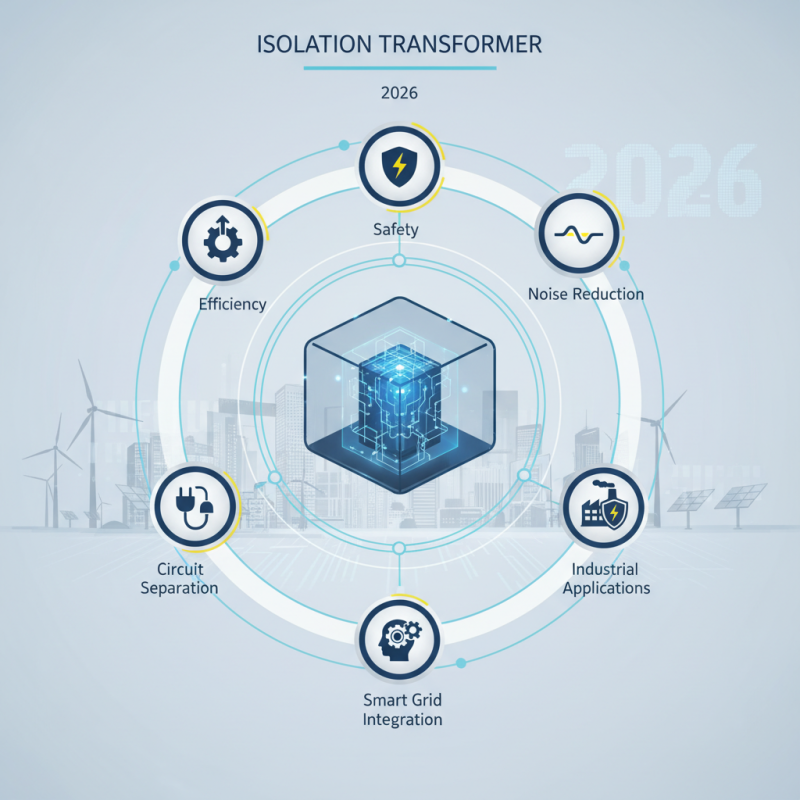
Isolation transformers play a crucial role in electrical systems. They provide electrical isolation between circuits, enhancing safety and minimizing risks of electric shock. In 2026, with growing technological advancements, their significance has increased. These transformers prevent voltage spikes and reduce noise, which is vital for sensitive equipment.

Data from industry reports indicate a significant rise in the adoption of isolation transformers. For instance, the market for isolation transformers is projected to grow at a compound annual growth rate (CAGR) of over 6% between 2021 and 2026. This trend reflects the increasing need for electrical safety and reliability in various sectors, including healthcare and telecommunications.

Isolation Transformer 3 Phase systems are particularly important in industrial applications. They ensure stable power supply for critical machinery. However, users must consider the system's design to avoid inefficiencies. Some installations may not fully utilize the transformer's capabilities. This underlines the need for regular assessments and updates in electrical infrastructure.

Key Advantages of Using Isolation Transformers in Electrical Safety

Isolation transformers are becoming indispensable for ensuring electrical safety in various industries. These devices provide galvanic isolation, reducing the risk of electric shock and equipment damage. According to a recent report by the Electrical Safety Foundation, incidents related to electrical failures could be reduced by up to 70% with the use of isolation transformers.

One key advantage of isolation transformers lies in their ability to prevent electrical noise and surges. This is vital for sensitive medical equipment, where fluctuations can lead to incorrect readings or dangerous malfunctions. Furthermore, isolation transformers can increase the lifespan of circuit breakers. A Vacuum circuit breaker with isolation can ensure that the entire system maintains optimal performance and reliability, thus protecting valuable assets.

Despite their benefits, some installations still overlook the merits of isolation transformers. This oversight may lead to unplanned downtime and repair costs. The industry must emphasize the necessity of these transformers, particularly in environments with fluctuating loads or sensitive machinery. Ongoing education in electrical safety will foster a better understanding of the transformative power that isolation transformers offer.

Industry Standards and Regulations for Isolation Transformers in 2026

What to Know About Isolation Transformers in 2026?

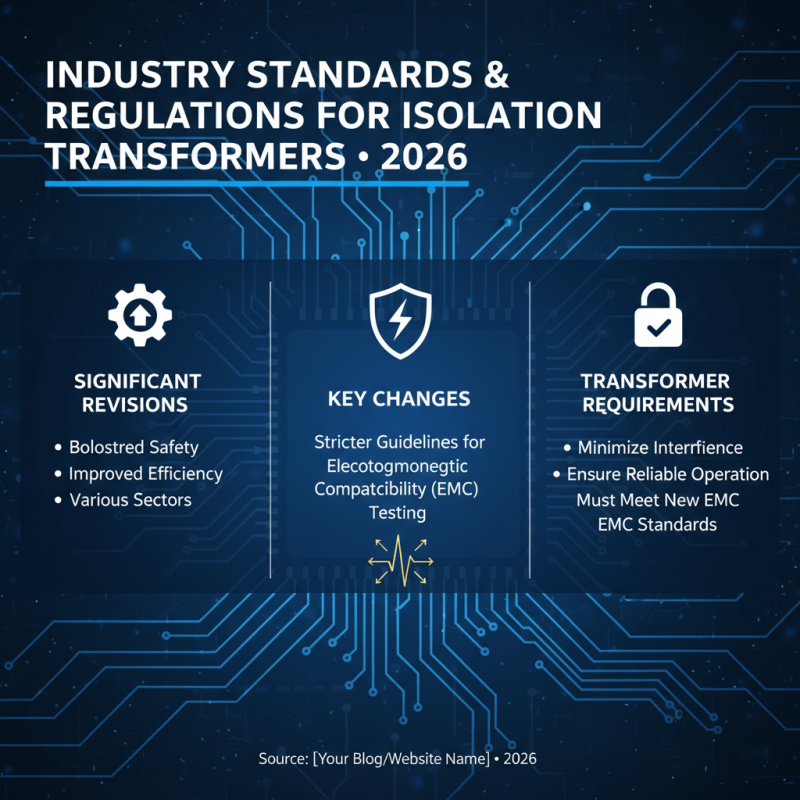
In 2026, industry standards for isolation transformers will undergo significant revisions. These changes aim to bolster safety and efficiency across various sectors. One of the key aspects includes stricter guidelines for electromagnetic compatibility (EMC) testing. Transformers must meet these requirements to minimize interference and ensure reliable operation.

The introduction of the GN30 Isolation Switch is a notable development. It enhances safety during maintenance, allowing for safer operations when disconnecting transformers from the power source. Compliance with the latest safety protocols will be mandatory. However, many professionals express concerns about the implementation timeline. Transitioning to new standards may be challenging for smaller companies.

Manufacturers will need to invest in improved designs and technologies. Yet, some industry players may resist these changes due to cost implications. They might overlook the long-term benefits of safer and more efficient systems. Continuous training for technicians will also be essential to ensure they understand and can adapt to the new regulations effectively. These evolving standards aim to promote higher reliability and safety within the industry.

Market Trends: Growth Projections for Isolation Transformers by 2026

Isolation transformers are gaining attention in various industries as we approach 2026. Their ability to enhance electrical safety and reduce noise interference makes them increasingly valuable. The market for isolation transformers is expected to grow significantly due to increased reliance on sensitive electronic equipment across sectors such as healthcare, telecommunications, and manufacturing.

A major driver for this growth is the rising concern for equipment protection. As businesses invest in advanced technologies, the demand for reliable power solutions rises. Isolation transformers offer isolation from power surges and help to maintain the integrity of sensitive devices. This trend reflects a broader realization of the importance of equipment longevity and performance.

However, challenges exist. Some industries still view isolation transformers as an extra cost rather than a necessity. Education about their benefits is essential. Additionally, the market could experience disruptions due to rapid technological advancements. Stakeholders need to adapt quickly to stay relevant. Moving forward, understanding these nuances will be crucial for companies looking to harness the potential of isolation transformers effectively.

Applications of Isolation Transformers in Renewable Energy Systems

Isolation transformers play a crucial role in renewable energy systems. Their primary application is to separate different voltage levels for safety. This isolation prevents shock hazards, which is essential when working with high voltages in solar or wind setups. As renewable energy technologies grow, the demand for safe and efficient electrical systems increases too.

In solar energy systems, for instance, isolation transformers manage the link between the inverter and the grid. They help to mitigate voltage spikes and harmonics. This protection is vital for maintaining the stability of the power supply. Similar functions are seen in wind turbine installations, where these transformers enhance system reliability. However, it's important to recognize their limitations. Isolation transformers can be bulky and may impact overall system efficiency.

Furthermore, the effectiveness of these transformers can vary based on their design and application context. Engineers must carefully evaluate factors such as the system layout and load requirements. Awareness of these complexities is integral to optimizing renewable energy projects. Each decision can significantly influence performance and safety outcomes.

Comparative Analysis of Isolation Transformers vs. Standard Transformers

Isolation transformers are essential for various applications in 2026. They provide electrical isolation and protect sensitive equipment. This is crucial in industries like healthcare and telecommunications. Their ability to filter out electrical noise improves device performance.

Standard transformers step down voltage but don’t provide isolation. This can expose equipment to potential damage. Isolation transformers also enhance safety by reducing the risk of electric shock. The differentiation between the two types is clear in terms of output stability. Many facilities use isolation transformers for safety and reliability.

However, there are drawbacks to consider. Isolation transformers can be bulkier than standard types. Their installation may require additional space and resources. On the other hand, standard transformers are often more cost-effective. These factors can lead organizations to rethink their transformer choices. Making informed decisions requires weighing benefits against limitations.

Technological Innovations in Isolation Transformers for Enhanced Efficiency

Isolation transformers are becoming vital in modern electrical systems. The push for enhanced efficiency is shaping innovations in their design. A notable trend is the adoption of advanced materials. These materials improve thermal performance, reducing energy losses significantly. The use of nanotechnology in insulation provides longevity and resilience. This has led to more compact designs without compromising functionality.

Another innovation is the integration of smart technology. These systems enable real-time monitoring and diagnostics, ensuring optimal performance. Data analytics can predict failures before they occur. This proactive approach reduces downtime and maintenance costs, proving beneficial for industrial applications. Additionally, the implementation of the Indoor High-Voltage Vacuum Load Isolation Switch has improved safety during maintenance and operations.

However, the transition to these new technologies is not without challenges. Many operators may lack knowledge about smart systems. Additionally, initial costs can deter some users from upgrading. There is a need for more education in the field. Understanding how to maximize these innovations is crucial for achieving efficiency gains. As we look toward 2026, embracing these technological advancements will be essential for future-proofing electrical systems.

What to Know About Isolation Transformers in 2026?

Feature Description Efficiency Improvement (%) Application Areas
Reduced Energy Loss Utilizes advanced core materials to minimize eddy current losses. 15% Industrial Equipment, Medical Devices
Compact Design Reduces footprint while maintaining high performance. 20% Consumer Electronics, Telecommunications
Smart Monitoring Integrates IoT for real-time performance tracking and diagnostics. 10% Renewable Energy, Smart Grids
Sustainability Features Made from recyclable materials, promoting environmental responsibility. 25% Green Building Projects, Eco-Friendly Industries
Enhanced Reliability Incorporates advanced cooling techniques for improved lifespan. 30% Data Centers, Critical Infrastructure

Enhancing Electrical Reliability: Insights from Industry Reports on High-Quality LZW32-10 Current Transformers for ZW32-10 Circuit Breakers

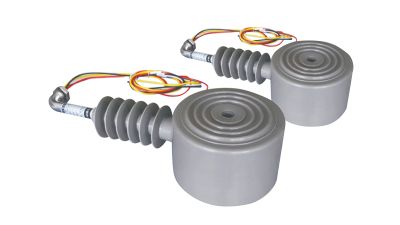
The LZW32-10 current transformer stands out in the realm of electrical components, specifically designed to enhance the reliability of ZW32-10 vacuum circuit breakers. Its high-quality construction features silicone rubber insulation, making it suitable for outdoor distribution systems where durability and performance are crucial. With a flexible current ratio range of 50-600/5A, this transformer not only meets the diverse needs of various applications but also ensures accuracy with a commendable 10P rating. This level of precision is vital for maintaining electrical system integrity and performance.

Another notable aspect of the LZW32-10 is its resilience to extreme temperature fluctuations, withstanding conditions as low as -40℃ and as high as +50℃. This capability guarantees stable operation in challenging environments, a key requirement for electrical infrastructure running in diverse geographical areas. Furthermore, the compact and sealed design enhances its longevity and reliability, paving the way for efficient current measurement. The availability of multiple configurations, such as multi-ratio and dual-winding options, allows suppliers to customize solutions that best fit their needs, representing an excellent choice for those looking to bolster electrical reliability while ensuring superior quality in their components.

FAQS

: What is the main purpose of isolation transformers?

: They provide electrical isolation between circuits, enhancing safety and reducing the risk of electric shock.

Why is there growing attention on isolation transformers?

Their role in enhancing electrical safety and reducing noise interference is increasingly valuable in various industries.

How fast is the market for isolation transformers expected to grow?

The market is projected to grow at over 6% CAGR from 2021 to 2026, reflecting increasing safety needs.

In which sectors is the demand for isolation transformers rising?

Demand is increasing in healthcare, telecommunications, and manufacturing due to reliance on sensitive electronic equipment.

What challenges do businesses face regarding isolation transformers?

Some view them as an unnecessary cost rather than essential tools for electrical safety and equipment protection.

Why should users assess their isolation transformer system regularly?

Some installations may not fully utilize the transformer's capabilities, leading to inefficiencies in power supply.

What should stakeholders do to stay relevant in the changing market?

They must adapt to rapid technological advancements and understand the importance of isolation transformers.

What is the benefit of isolation transformers during power surges?

They help maintain the integrity of sensitive devices by isolating them from power surges.

How can companies ensure they benefit from isolation transformers?

Education about their advantages and regular infrastructure updates are essential for effective usage.

What could disrupt the market for isolation transformers?

Rapid technological advancements may create challenges that stakeholders need to navigate carefully.

Conclusion

Isolation transformers play a crucial role in electrical systems by providing a barrier between the power source and the equipment, thereby enhancing safety and minimizing the risk of electric shock. They are especially valued for their ability to isolate and protect sensitive devices from surge voltages and electrical noise. With significant advantages such as improved electrical safety, isolation transformers are increasingly being incorporated into renewable energy systems, reflecting a growing trend towards sustainability within the industry.

In 2026, the market for isolation transformers is expected to experience substantial growth driven by stringent industry standards and regulations aimed at ensuring electrical safety. Technological innovations are also on the rise, focusing on enhancing the efficiency of isolation transformers compared to standard transformers. This comprehensive understanding highlights the essential role that isolation transformers will continue to play in modern electrical applications and their importance in advancing safety and performance across various sectors.
Henry

Henry

Henry is a dedicated marketing professional with extensive expertise in the electrical equipment industry. Proudly representing a company that boasts unparalleled supply chain advantages, he plays a pivotal role in promoting an impressive portfolio of over 200 series and 25,000 models, which......
Previous How to Choose the Right Power Grid Transformer for Your Needs?