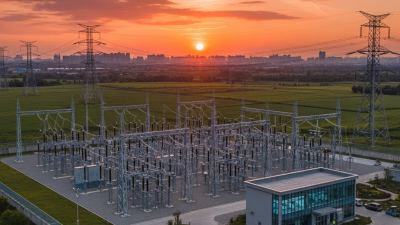
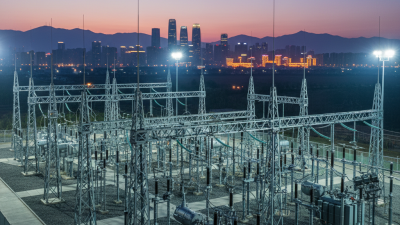
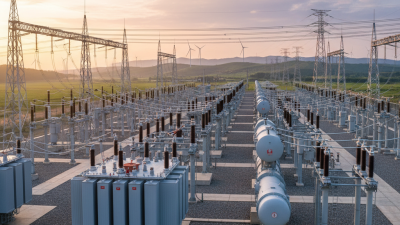
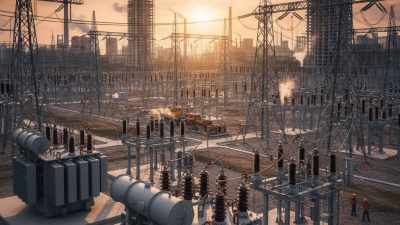
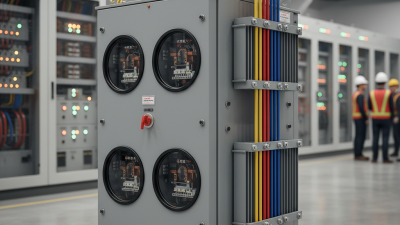
The Power Oil Transformer really plays a vital role in today’s electrical systems. It’s one of those pieces of equipment you might not think about much, but it’s crucial for making sure electricity gets from point A to point B efficiently across different industries. It uses oil, not just for cooling down the equipment, but also to insulate, which helps it work better and last longer.
In industrial environments, you can’t underestimate just how important a Power Oil Transformer is. It keeps the power supply stable—something that’s absolutely critical for keeping operations running smoothly. But here’s the thing: a lot of companies tend to forget about regular maintenance. Skipping those checks can lead to failures, unexpected downtime, and quite a bit of lost money. Just a simple routine inspection can go a long way in keeping things running efficiently in the long run.
And let’s not forget about choosing the right manufacturer. Brands like Siemens or Schneider Electric are known for making reliable Power Oil Transformers that meet international standards. Putting your money into quality equipment can really pay off in terms of performance. But, hey, technology’s always changing, so it’s also super important to keep staff trained on how to handle and maintain these transformers properly. Ignoring that training? Well, it can lead to mishaps or damage, which nobody wants on their watch—especially when it could’ve been avoided with a little knowledge and care.
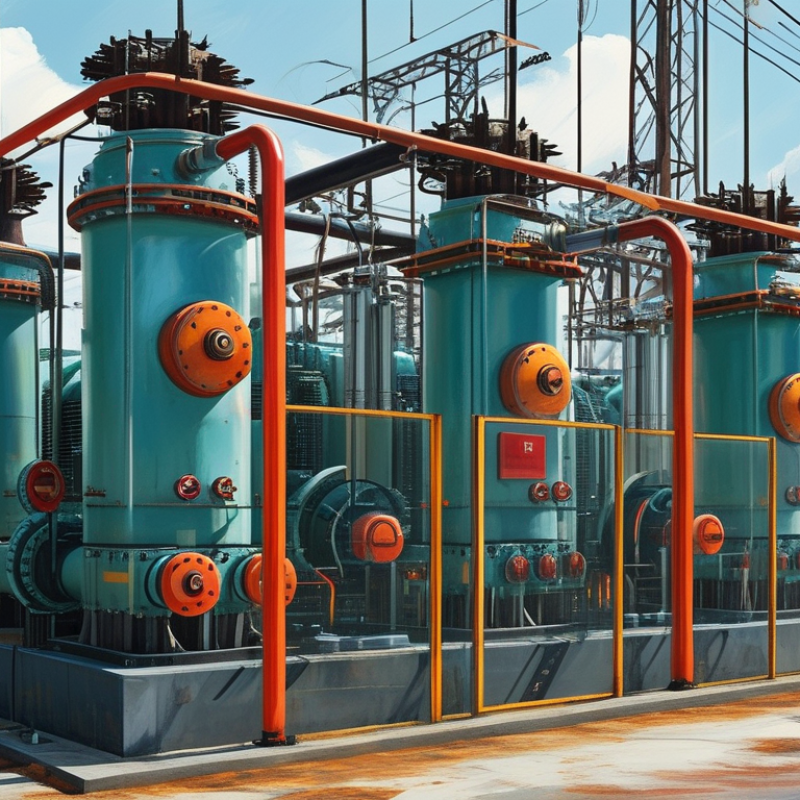
Definition of Power Oil Transformer and Its Functionality
Power Oil Transformers are essential devices in electrical distribution systems. They function by transferring electrical energy between circuits through electromagnetic induction. This process enables high voltage electricity to be stepped down to lower voltages suitable for industrial and commercial use. According to the International Energy Agency (IEA), approximately 40% of global electricity is transformed through such devices.
These transformers rely on insulating oil, which provides crucial cooling and insulation properties. A well-maintained Power Oil Transformer can operate efficiently for decades. However, industry reports indicate that up to 30% of transformers suffer from insulation degradation over time. This degradation poses risks, including reduced efficiency and increased operational costs. Regular monitoring and maintenance are essential for optimal performance, yet many facilities overlook this critical aspect.
Furthermore, environmental concerns arise with oil leaks, leading to potential contamination. A 2022 study highlighted that up to 5% of oil-filled transformers report leaks in their lifecycle. These leaks can have detrimental impacts on eco-systems and lead to costly remediation. It's vital for industries to prioritize not only the functionality of Power Oil Transformers but also their environmental footprint.
Key Components of Power Oil Transformers Explained
Power oil transformers are crucial in the electrical industry, converting voltage levels for efficient power distribution. Their importance cannot be overstated. Key components define their operation.
The transformer tank holds insulating oil, which cools the system and protects it from electrical breakdown. This oil also serves as a medium for heat transfer. Bushings, another essential part, support the electrical conductors. They ensure proper insulation and facilitate safe voltage output. This balance is vital for transformer longevity.
Complexities arise in the maintenance of power oil transformers. Regular oil testing is needed to detect contaminants. Aging insulation can lead to unexpected failures. Engineers often face challenges in optimizing performance and addressing wear. Understanding these components deeply enhances reliability in industrial applications.
What is Power Oil Transformer and Its Importance in Industry? - Key Components of Power Oil Transformers Explained
| Component |
Description |
Importance |
| Insulation Oil |
A dielectric fluid that provides insulation between the conductive parts. |
Essential for preventing electrical discharges and maintaining safety. |
| Core |
Magnetic material that directs the magnetic flux and increases efficiency. |
Critical for the transformer’s effectiveness in energy conversion. |
| Windings |
Copper or aluminum wire coils that carry the electric current. |
Essential for the transformation process between high and low voltages. |
| Bushings |
Insulated conductors that allow current to enter or exit the transformer. |
Ensure safe transmission of electricity while preventing short circuits. |
| Cooling System |
Mechanisms to dissipate heat generated during operation. |
Key for maintaining operational efficiency and extending the life of the transformer. |
The Role of Power Oil Transformers in Electrical Distribution Systems
Power oil transformers play a vital role in electrical distribution systems. These devices help regulate voltage levels and ensure a steady power supply. In industrial settings, maintaining reliable electricity is essential for operations. The transformers use oil for cooling and insulation, promoting efficient performance. Proper maintenance and monitoring are crucial to avoid failures, which can lead to significant downtime and financial losses.
The importance of power oil transformers extends beyond efficiency. They also enhance safety in electrical distribution. A well-functioning transformer minimizes the risk of electrical fires and equipment damage. However, not all transformers operate flawlessly. Some may suffer from oil contamination or insulation degradation. These issues must be addressed promptly to prevent extensive damage to the overall system.
Understanding the role of power oil transformers requires awareness of their limitations. While these transformers are robust, they require regular inspection and maintenance. Neglecting these tasks can result in poor performance and unexpected failures. Ensuring the longevity and reliability of these vital components is a continuous commitment in the industry.
Advantages of Using Power Oil Transformers in Industry
Power oil transformers play a crucial role in electrical systems across various industries. These devices utilize insulating oil for cooling and insulation. The use of oil enhances the operational efficiency and longevity of transformers. By dispersing heat, these transformers maintain optimal performance levels, which is vital for continuous operations in industries that rely heavily on electricity.
One significant advantage of Oil Immersed Power Transformers is their ability to handle high loads. They can manage fluctuations in voltage and current, safeguarding equipment and minimizing disruptions. Moreover, the insulating properties of the oil reduce the risk of electrical faults. This feature is especially important in critical industries like manufacturing and energy production. Investing in power oil transformers also reflects a commitment to safety and reliability. However, maintenance practices can sometimes be overlooked, which may lead to unforeseen issues. Regular inspections and timely servicing are essential.
Another aspect to consider is the environmental impact. While oil immersed power transformers are efficient, any leaks can pose risks to the environment. Industries must ensure proper handling and disposal of the insulating oil. Developing a proactive approach can mitigate these risks. It is essential to balance efficiency with responsibility to achieve sustainable operations.
Common Applications of Power Oil Transformers in Various Sectors
Power oil transformers are crucial in several sectors due to their effective voltage regulation and energy efficiency. In the electrical industry, these transformers ensure the safe and consistent transmission of electricity. They are commonly found in substations, where they step down high voltage to a more usable level. This process is essential for maintaining stability in the power grid, preventing outages, and ensuring reliable energy supply.
In the manufacturing sector, power oil transformers play a vital role in large-scale operations. Industries rely on them to power heavy machinery and equipment. Their robustness allows them to handle the high demands of industrial production. The food and beverage industry also utilizes these transformers to maintain precise operating conditions in processing plants. Here, oil-filled transformers contribute to temperature control, which is critical for product safety and quality.
Additionally, the transportation sector benefits significantly from these transformers. They are used in electric trains and tram systems, enabling efficient locomotion. While they are widely trusted, occasional failures highlight the need for regular maintenance and inspections. Companies must ensure their transformers are functioning optimally to prevent costly downtime. This points to the importance of continual learning and adaptation in managing such critical equipment.
Power Oil Transformers Usage in Different Sectors
This chart illustrates the usage of power oil transformers across various sectors, highlighting their significant role in energy, manufacturing, transportation, telecommunications, and construction industries.
Maintenance Practices for Ensuring Power Oil Transformer Efficiency
Maintaining the efficiency of an Oil-immersed power transformer is crucial for optimizing energy distribution in industrial settings. Regular maintenance practices help prevent unexpected failures that can lead to costly downtime. Internal inspections should occur at least every three to five years, according to industry standards. These inspections assess the condition of insulation and fluid levels, which directly impact transformer efficiency.
Monitoring oil quality is another vital aspect. The Dissolved Gas Analysis (DGA) method allows technicians to identify gases produced by electrical faults. Reports indicate that over 80% of transformer failures can be traced back to failures in oil quality. Regular testing also helps catch potential problems early. Keeping the oil free from particulate matter is equally important, as contaminants can hinder heat dissipation and escalate operational stresses.
Lastly, proper cooling system maintenance is essential. A well-functioning cooling system extends the life of an oil-immersed power transformer and maintains its performance. Studies show that inadequate cooling can reduce transformer efficiency by up to 30%. Regular checks of coolant levels and flow rates can help maintain optimal temperature and enhance reliability. Implementing these maintenance practices creates a proactive strategy for ensuring the longevity and efficiency of transformers in industrial operations.
Future Trends and Innovations in Power Oil Transformer Technology
The power oil transformer plays a vital role in the electrical infrastructure. As industries evolve, so does the technology surrounding power oil transformers. Innovations in this field aim to enhance efficiency and safety. According to recent industry reports, the global market for oil-immersed transformers is expected to grow significantly, driven by the increasing demand for renewable energy sources.
One exciting trend is the adoption of biodegradable transformer oils. These oils reduce environmental impact without compromising performance. Another innovation is the integration of IoT technologies. Smart sensors can monitor transformer conditions in real time, leading to predictive maintenance strategies. This approach can prevent costly downtime and improve reliability. Data from industry studies indicate that such advanced monitoring can decrease maintenance costs by up to 20%.
Tips: Always evaluate the reliability of transformer components. Consider the environmental benefits of biodegradable oils. The future of S Oil-Immersed Power Transformers looks promising. However, challenges remain, like the higher cost of innovative materials. Keeping an eye on regulatory changes will also be crucial for manufacturers.
FAQS
: Power oil transformers convert voltage levels for efficient power distribution. They regulate electricity safely and consistently.
The insulating oil cools the transformer and protects against electrical breakdown. It also transfers heat effectively.
Internal inspections should happen every three to five years. This helps assess insulation and fluid levels.
DGA identifies gases from electrical faults. Over 80% of transformer failures relate to oil quality issues.
Oil quality, particulate matter, and cooling system performance are key. Regular testing helps catch problems early.
Inadequate cooling can reduce transformer efficiency by up to 30%. Regular checks are crucial for maintaining performance.
They power heavy machinery in large operations. Robust transformers meet high industrial demands effectively.
Regular maintenance prevents unexpected failures. These failures can lead to costly downtime and operational impacts.
Aging insulation can lead to unexpected failures, complicating maintenance. Understanding the components can help mitigate issues.
They help maintain precise temperature control, essential for product safety. This ensures quality throughout processing plants.
Conclusion
The Power Oil Transformer is a critical component in electrical distribution systems, serving to manage voltage levels and maintain efficient energy transfer. By utilizing oil as both an insulator and a cooling medium, these transformers ensure reliable performance in various industrial applications, from power generation to manufacturing. Key components such as winding, core, and insulation systems play essential roles in the functionality of Power Oil Transformers, contributing to their effectiveness in managing energy.
The advantages of using Power Oil Transformers include enhanced efficiency, reduced downtime, and increased safety in electrical systems. Regular maintenance practices are vital to ensure their longevity and optimal performance. As technology continues to evolve, future trends in Power Oil Transformer development focus on improved materials, smarter monitoring systems, and sustainable solutions, further solidifying their importance in modern industry.