Picking the right transformer for your power needs? That's pretty important, honestly. A Step Down Transformer is often just the thing you need to lower voltage to safe, manageable levels. Lots of industries rely on this tech to keep their energy flow smooth and efficient.
Whenever you gotta turn high voltage into something safer and more usable, a Step Down Transformer really comes in clutch. It makes sure your devices get the right amount of juice, which helps avoid damage and keeps everything running nicely. You’ll find these transformers are pretty much essential, whether it’s in homes, businesses, or bigger factories.
That said, figuring out exactly when to use a Step Down Transformer can get kinda tricky. If you pick the wrong one, you might end up wasting energy or worse — damaging your equipment. It’s a good idea to think carefully about things like how much load you’re dealing with and safety rules. Finding that sweet spot between expertise and practical needs can make all the difference in getting a solid, energy-efficient setup.
What is a Step Down Transformer and How Does It Work?
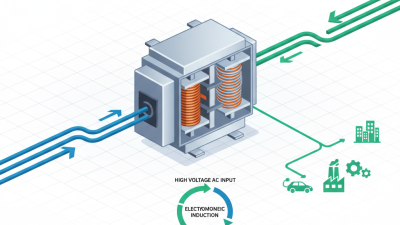
A Step Down Transformer is an essential device for managing electrical power efficiently. Its main function is to reduce high voltage levels to lower voltages suitable for various applications. The operation is based on electromagnetic induction, where an input coil generates a magnetic field that induces a current in a secondary coil. This process maintains the power levels while changing the voltage ratio.
When working with a step down transformer, consider the required voltage of your devices. The output voltage needs to match your equipment's specifications. Remember that overloading can lead to transformer failure. Proper sizing ensures that your transformer meets your power needs without sacrificing efficiency.
Another important detail is the installation environment. Step down transformers should be placed in well-ventilated areas to prevent overheating. Dust and moisture can impact their performance, so regular maintenance checks are crucial. Be aware that occasional humming or buzzing sounds are normal but should not be excessive.
Reflecting on transformer choices, identify what matters most for your project. Understand that the transformation process isn't flawless; energy losses can occur. Assessing your power demand and usage patterns will ensure you make informed decisions.
Key Advantages of Using Step Down Transformers for Power Distribution
Step down transformers play a crucial role in power distribution systems. These devices reduce high voltage levels to safe, usable levels. This is vital in urban areas where power is transmitted over long distances. According to the IEEE Power and Energy Society, nearly 70% of electrical energy is lost through heat in transmission lines. By utilizing a step down transformer, losses can be minimized, enhancing efficiency.
Cost efficiency is another key advantage. The initial investment in a step down transformer can lead to significant savings over time. Research from the National Renewable Energy Laboratory shows that using energy-efficient transformers can cut energy costs by 10-15%. This is especially beneficial for industrial applications, where operational costs can get high.
When selecting a step down transformer, consider the load requirements. Proper sizing ensures efficiency and reliability. Oversizing can lead to higher energy losses. A good practice is to consult an expert in electrical engineering to determine the appropriate specifications for your setup.
Examining field data reveals that well-maintained transformers can last 25 years or more. Regular inspections and maintenance are essential to ensure reliability. Be aware that neglecting these tasks can lead to premature failures and costly downtimes. Evaluate your maintenance routines to improve the lifespan of your step down transformer.
Understanding Voltage Reduction in Electrical Systems
A step down transformer plays a crucial role in voltage reduction for electrical systems. When high voltage needs to be decreased for safety and efficiency, these transformers are the go-to solution. By converting higher voltage electricity into a more manageable level, they protect devices and circuits. This is essential in residential and industrial applications where devices may be damaged by excessive voltage.
It is vital to select the right transformer for your needs. Consider the voltage levels required for your appliances. Underestimating or overestimating can lead to inefficiency or even damage. Research the specifications thoroughly. Sometimes, the specifications can seem overwhelming, but focusing on core voltage needs can simplify the process.
Understanding the load characteristics is equally important. Calculate the total power requirements of your connected devices. You may find that your initial assessment was inaccurate. Ensuring a 20% buffer on your transformers ensures reliability. Monitoring performance over time can alert you to any potential issues early on. Regular checks may seem tedious, but they can save you from larger problems later. The key is to maintain balance and safety.
Applications of Step Down Transformers in Various Industries
Step down transformers play a critical role in various industries by converting high voltage to lower voltage levels. This characteristic is essential in applications where sensitive equipment requires specific voltage levels. For instance, in manufacturing plants, step down transformers ensure that machinery operates safely and efficiently. Without these transformers, equipment might suffer from voltage overloads, leading to costly damages.
In the telecommunications industry, Step Down Power Transformers are vital. They provide stable voltage for communication equipment, enhancing signal quality and reducing downtime. Hospitals also rely heavily on step down transformers to power medical devices. These devices often need a precise voltage to function correctly. Any fluctuation can jeopardize patient safety.
Yet, not all applications are straightforward. Installing a step down transformer requires careful planning. Engineers must consider load requirements and environmental factors. Mistakes can lead to insufficient power delivery or equipment failure. Each installation is unique, demanding a tailored approach. The reliability of a step down power transformer can greatly impact overall operational success, emphasizing the need for thorough assessment and expertise in the selection process.
Choosing the Right Step Down Transformer for Your Specific Needs
Choosing the right step down transformer for your specific needs is crucial for optimizing your power usage. A step down transformer can reduce high voltages to lower levels, making it ideal for residential and commercial applications. It's essential to evaluate your voltage requirements first. A mismatch in voltage can damage sensitive electronics. Understanding the specifics of your appliances is key.
Consider the wattage your devices require. A transformer must handle this load efficiently. An underpowered transformer can overheat and fail. Take time to calculate the total wattage of all connected devices. This helps you select a transformer that meets your energy demands consistently.
Remember that not all transformers are alike. The build quality and materials impact reliability. Cheaper options may save money upfront but could lead to issues later. Look for trustworthy manufacturing sources and seek recommendations from professionals. The investment in a quality transformer pays off in reliability and safety over time. Reflect on past experiences and how they can inform your current decision.
Power Needs and Transformer Types
This bar chart illustrates the efficiency of different step-down transformer capacities. As the size of the transformer increases, its efficiency tends to improve, making larger transformers suitable for higher power needs.
Maintenance and Safety Considerations for Step Down Transformers
When considering a step down transformer, maintenance and safety are crucial components. Regular inspections ensure that all connections remain secure. Loose connections can lead to overheating and potential failure. According to industry reports, over 30% of transformer failures stem from poor maintenance practices. This statistic emphasizes the importance of routine checks and servicing.
Safety measures around electrical equipment are paramount. Clearance zones should be established around the transformer. Ensuring adequate ventilation helps prevent overheating. Furthermore, operators must wear appropriate personal protective equipment (PPE) while performing maintenance tasks. Adhering to operational guidelines can reduce risks significantly.
Consider using a 3 Phase Step Down Transformer in settings where voltage reduction is necessary. It's essential to train staff on proper handling procedures. By prioritizing education and awareness, organizations can create a safer working environment. The right knowledge can transform a maintenance program from reactive to proactive, thus extending the lifespan of equipment.
Why Choose a Step Down Transformer for Your Power Needs? - Maintenance and Safety Considerations for Step Down Transformers
| Feature |
Details |
| Voltage Conversion |
Reduces high voltage to a safer, lower voltage for sensitive equipment. |
| Efficiency |
High efficiency rating, typically above 90%, minimizes energy loss. |
| Safety Standards |
Complies with international safety standards, reducing risk of electrical hazards. |
| Maintenance Frequency |
Regular checks recommended every 6-12 months; more frequent in harsh environments. |
| Cooling Methods |
Uses natural air cooling or oil cooling systems to maintain optimal performance. |
| Overload Protection |
Equipped with built-in protection to prevent damage from voltage surges and overload. |
Transform Your Power Needs with the High-Quality ZGS□-12 Combined Transformer: Efficiency, Reliability, and Cost-Effectiveness
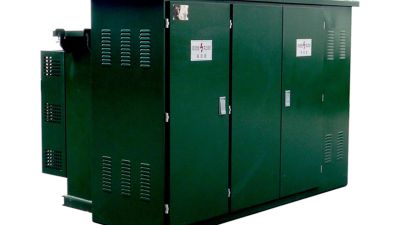
The demand for efficient power distribution systems continues to escalate as urbanization and industrial growth put pressure on existing electrical infrastructures. The ZGS□-12 combined transformer addresses these challenges with its cutting-edge design, perfect for both urban and rural environments. As a compact, fully sealed transformer, it is engineered to fulfill a variety of power supply needs while minimizing losses, which is crucial in maintaining operational efficiency. According to industry data, transformers can account for approximately 10% of total energy losses in electrical distribution systems, making low-loss configurations like those in the ZGS□-12 critical for improving overall system performance.
This transformer integrates high-voltage control, protection, and distribution equipment that enhances reliability and safety. Its design is not only about functionality but also about reducing the footprint in complex urban landscapes where space is at a premium. In addition to low-loss performance, research indicates that the adoption of dry-type fuses in modern transformers can lead to significant improvements in maintenance efficiency and longevity of equipment. This results in lowered operational costs over time, underscoring the cost-effectiveness of the ZGS□-12 in long-term utility planning.
With flexible configurations for ring-main or terminal power supply, the ZGS□-12 is adaptable to diverse installation requirements. As cities evolve to integrate smarter grid technologies, the role of dependable and efficient transformers becomes even more pronounced. By selecting advanced solutions like the ZGS□-12, utilities can ensure they meet current power demands while preparing for future growth and sustainability challenges in the energy sector.
FAQS
: A step down transformer reduces high voltage levels to safe, usable levels for power distribution.
It minimizes energy losses, which can reach 70% in long-distance transmission lines.
They can lead to significant savings, potentially cutting energy costs by 10-15% over time.
Evaluate the load requirements and ensure proper sizing to avoid higher energy losses.
They can last 25 years or more with regular inspections and maintenance.
Neglect can lead to premature failures and costly downtimes, which may impact reliability.
It protects devices from damage caused by excessive voltage in both residential and industrial settings.
Underestimating or overestimating voltage needs can lead to inefficiency or damage to devices.
The build quality impacts reliability; cheaper options may save money but could lead to issues.
It allows for early detection of potential issues, preventing larger problems down the line.
Conclusion
A Step Down Transformer is an essential component in electrical systems, designed to reduce voltage levels for safe and efficient power distribution. It operates by converting high voltage input into a lower voltage output, which is crucial for various applications across industries. The advantages of using Step Down Transformers include enhanced energy efficiency, improved safety, and the ability to support devices that require lower voltage levels.
Understanding the principles of voltage reduction is vital for ensuring compatibility with electrical systems. Step Down Transformers find applications in residential, commercial, and industrial settings, making them versatile tools in power management. When selecting a Step Down Transformer, it is important to consider specific requirements such as capacity and application. Additionally, regular maintenance and adherence to safety protocols are critical to ensure optimal performance and longevity of these transformers.