Buying electric transformers from different countries isn’t just about comparing prices. Things like voltage, frequency, insulation standards, cooling methods, and local power grid conditions can really impact what specification you actually need. A transformer that works perfectly in one place might not be suitable elsewhere — don’t assume it’s a one-size-fits-all situation.
This guide shares seven practical tips to help you evaluate suppliers and equipment around the globe. It covers aspects like reviewing technical documents, understanding IEC and IEEE standards, conducting factory acceptance tests, assessing energy efficiency, planning for transportation, providing installation support, and checking warranty details. When you’re shopping around, ask for certified test reports, clear drawings, details about materials used, and traceable quality records. It’s also smart to consider independent inspections before the gear ships out — it helps cut down on surprises. Plus, paying attention to small things like bushing sizes, tap changer settings, enclosure protection levels, and the availability of spare parts can save headaches later.
From experience, the cheapest quote isn’t usually the full picture. You’ve got to think about freight costs, import procedures, commissioning, maintenance, and those unpredictable delays that can pop up. Every project comes with its own risks, so no checklist can replace good engineering judgment. That’s a key point. Reputable manufacturers should be transparent about their design choices, provide realistic lead times, and share references for similar projects. Their quality systems should be proven, not just buzzwords on a website. Also, don’t fall into the trap of only comparing purchase prices—look at the total cost of ownership. Taking a careful, thorough approach not only ensures your equipment performs well and keeps your project on track but also sets the stage for a lasting, successful partnership with trustworthy suppliers.
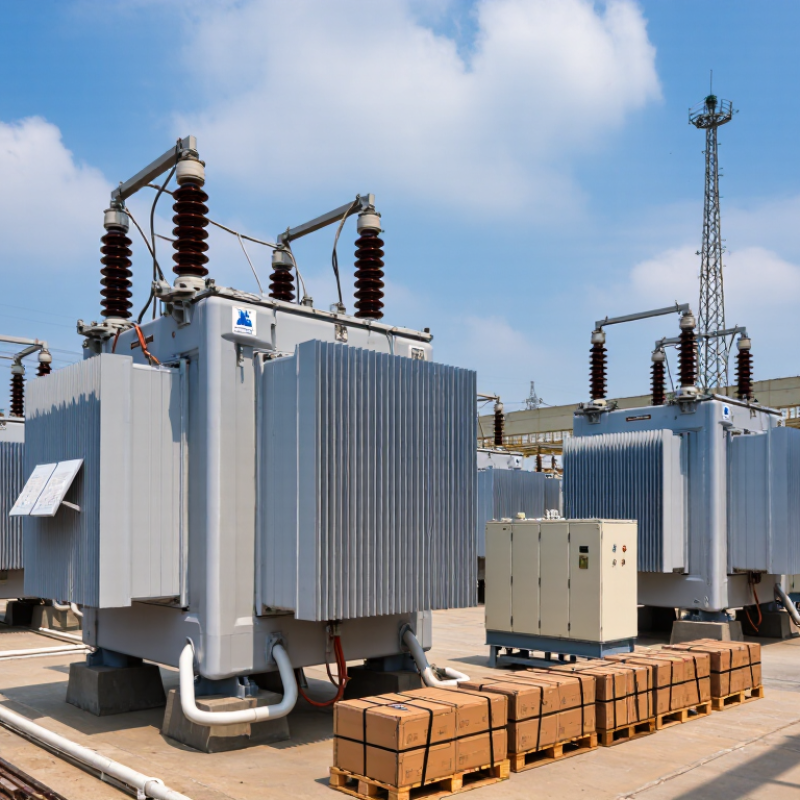
Define Transformer Specifications and Electrical Requirements
Before requesting quotations, define the transformer’s electrical duty in writing. Record primary and secondary voltages, frequency, phase arrangement, and required kVA. Include load type, starting current, future capacity, and daily operating profile. A motor-heavy site needs different planning than an office building. Measure real demand when possible. Nameplate estimates can mislead. Confirm whether the system needs a step-up, step-down, or isolation transformer. State the grounding method and neutral arrangement clearly. Do not guess.
Specify impedance, tap range, vector group, insulation level, cooling method, and acceptable temperature rise. Ask for guaranteed losses, sound level, short-circuit withstand, and efficiency at typical loading. Outdoor installations may require enclosure protection, corrosion resistance, heaters, or pressure relief equipment. Note site altitude, ambient temperature, humidity, and ventilation limits. Small details matter.
I once saw a project delayed because the quoted frequency differed from the site supply. That mistake was avoidable, but specification sheets are often copied too quickly.
Coordinate the transformer with the Electric Distribution Box, cables, breakers, metering, and protection settings. Check fault-current calculations before selecting switchgear. Confirm connection dimensions, lifting points, oil or dry-type requirements, and maintenance access. Request routine test records and applicable compliance documents from the supplier. Local electrical codes may differ, so a qualified engineer should verify the design. Leave uncertain items marked for review rather than guessing. Have the engineer approve every confirmed value before ordering.
Verify Voltage, Frequency, Capacity, and Phase Compatibility
Buying electric transformers across borders requires more than matching a price and kVA rating. Confirm the primary and secondary voltage on the nameplate, including phase-to-phase and phase-to-neutral values. A 400 V three-phase system cannot replace a 230 V single-phase supply without suitable engineering changes. Frequency matters too. A 50 Hz transformer may overheat or lose efficiency on a 60 Hz network.
Check the actual load profile, not only the connected load. Motors, pumps, and welders create starting currents that can exceed normal demand. Add reasonable capacity margin, but avoid excessive oversizing, which increases no-load losses. The International Energy Agency’s Electricity 2024 report forecasts global electricity demand growth of about 4% annually through 2026. That trend makes efficient, scalable equipment more valuable for Electric Power Substations. U.S. Department of Energy analysis also estimates stronger distribution-transformer efficiency standards could save approximately 3.6 quadrillion British thermal units over 30 years.
Ask for certified test results covering losses, temperature rise, impedance, insulation levels, and short-circuit performance. IEC 60076 provides widely used requirements for power transformers, but local grid rules may add grounding or protection conditions. Inspect the installation drawing carefully. A small phase mismatch can stop equipment from operating correctly. I once saw a specification omit the neutral connection. It looked minor. It was not. Verify frequency, vector group, tap range, enclosure rating, and ambient temperature before approving production. Mistakes often hide in assumptions.
Select the Appropriate Transformer Type and Construction
When buying an electric transformer worldwide, start with the load, not the catalogue photograph. Record voltage, frequency, phase arrangement, peak demand, and expected expansion. A dry-type transformer suits many indoor commercial spaces because it avoids liquid containment. It often needs clear airflow and a clean, dry room. For outdoor substations or demanding industrial loads, an oil-immersed design may provide stronger cooling. That choice adds fluid management, fire planning, and inspection duties. Small details matter.
Then examine construction carefully. Copper or aluminum windings, enclosure rating, insulation system, cooling method, and tap arrangement should match the site. Do not select solely by rated capacity. A lightly loaded unit can still suffer when harmonics, motor starting, or hot ambient conditions are ignored. Request routine test reports, temperature-rise data, loss figures, drawings, and maintenance instructions. Ask whether testing covered conditions similar to yours. Independent verification helps when documentation appears unusually perfect. It happens.
For international projects, confirm frequency compatibility, terminal orientation, shipping dimensions, spare parts, and local service capability. A robust enclosure may resist dust, moisture, and accidental contact, but it cannot fix poor installation. Leave space for cable bending and future inspection. I have seen projects focus on purchase price, then discover costly foundation changes and awkward access. That lesson is easy to miss. Choose construction that safely matches the duty cycle, environment, and expansion plan. If site data is uncertain, pause and measure again.
Check International Standards, Certifications, and Safety Compliance
7 Tips for Buying Electric Transformers Worldwide
Buying a transformer across borders requires more than comparing price and capacity. Check whether its design follows relevant international standards, such as IEC, IEEE, or applicable regional requirements. Standards should match the transformer type, voltage class, insulation system, and installation environment.
Ask for complete certification documents, not a logo on a brochure. Review test reports, serial numbers, issuing laboratories, and certificate validity dates. Safety compliance should cover dielectric strength, temperature rise, short-circuit performance, grounding, and fire protection. Confirm that the equipment suits the destination country’s grid frequency and voltage.
A practical check starts with the nameplate. Compare rated power, primary voltage, secondary voltage, frequency, impedance, cooling method, and protection class. Request routine test records for the exact unit, not only a sample model. Factory inspection can reveal loose terminals, damaged bushings, or poor sealing around cable entries.
Packing also matters. Moisture barriers, shock indicators, and secure lifting points protect equipment during long transport. I have seen paperwork look complete while small specification differences caused installation delays. That is an uncomfortable lesson. Ask an independent engineer to review unclear documents before payment. Also verify local approval procedures, installation rules, and qualified service support. A certificate may prove testing, but it does not guarantee correct application. Check every detail twice.
7 Tips for Buying Electric Transformers Worldwide — Check International Standards, Certifications, and Safety Compliance
The chart shows the publication year of selected IEC 60076 standards commonly referenced when specifying power and distribution transformers. Edition dates can differ by country, so buyers should confirm the latest edition adopted by the destination market before placing an order.
- Define rated power, voltage, frequency, impedance, cooling method, and insulation requirements.
- Check the applicable IEC, IEEE, or national standards for the installation location.
- Request routine, type, and special test reports that match the agreed specification.
- Verify that the supplier’s quality-management and test-laboratory documentation is valid.
- Confirm safety requirements for insulation, temperature rise, noise, fire risk, and environmental conditions.
- Review transport, installation, commissioning, maintenance, and spare-parts requirements.
- Ask for complete technical files, certificates, drawings, warranties, and traceable serial records.
Evaluate Supplier Quality, Warranty, and Technical Support
Buying a 3 Phase Electric Transformer worldwide requires more than comparing prices. Supplier quality affects safety, efficiency, and operating life. A polished website proves little. Ask for factory inspection records, routine test results, material traceability, and documented quality procedures. Verify whether engineers review voltage, frequency, load profile, cooling method, and installation conditions before production. These details reveal practical competence.
Supplier communication matters too. During evaluation, request a named technical contact and a clear response process. Ask how the team handles noise, overheating, abnormal voltage, or delayed commissioning. Strong suppliers provide drawings, manuals, test certificates, and installation guidance in readable language. Vague answers are warning signs. I once treated fast replies as proof of expertise, but later discovered that the answers came from sales staff without engineering support. That mistake taught me to request direct technical discussions.
Study the warranty line by line. Check its duration, covered components, exclusions, replacement procedure, and travel responsibilities. Confirm whether the supplier supports troubleshooting after installation, not only during sales. Ask for references from facilities with similar power demands and climates. A reliable supplier should explain expected maintenance, spare parts availability, and service limits honestly. Some documents may look complete while missing local operating details. That is worth questioning. Keep all approved specifications and test records, because small wording differences can create expensive disputes later.
Calculate Total Costs, Shipping, Duties, and Installation Needs
7 Tips for Buying Electric Transformers Worldwide
Calculate Total Costs, Shipping, Duties, and Installation Needs
Buying an electric transformer worldwide requires more than comparing purchase prices. Confirm voltage, frequency, phase, capacity, cooling method, and required test documents before requesting quotations. A technically suitable unit can still exceed your budget. Ask suppliers for packed dimensions, gross weight, lifting points, and moisture protection details. Sea freight may look inexpensive, but port handling, storage, inland transport, and insurance can change the landed cost. Request at least two shipping routes and check seasonal congestion. For a remote site, a smaller crate may reduce handling charges, even if packaging costs rise. I have underestimated these small fees before. Mistakes happen.
Calculate import duties from the correct tariff classification, not a casual product description. Verify customs valuation rules, broker fees, taxes, and documentation requirements with a licensed local professional. Some countries apply different rates to accessories, spare parts, or control cabinets.
Installation costs need equal attention. Budget for foundations, cable terminations, grounding, oil containment when relevant, testing, cranes, and qualified technicians. Confirm whether commissioning support is included or billed separately. Ask for clear warranty terms, response times, and replacement-part procedures.
Keep a 10 to 15 percent reserve for exchange-rate movement and site surprises. This estimate is not perfect. Field access, weather, or a missing permit can extend the schedule. Use one transparent cost sheet covering purchase, shipping, duties, installation, testing, and maintenance.
Inspect the Transformer and Confirm Performance Before Acceptance
Before accepting an electric transformer from an overseas supplier, inspect it in person or through an independent engineer. Check the nameplate against the purchase order, including voltage, capacity, frequency, impedance, and cooling method. Look for damaged paint, loose fittings, cracked bushings, oil stains, and moisture inside the terminal box. Small marks can reveal rough handling during transport.
Request the complete factory test report, not only a certificate. Confirm insulation resistance, winding resistance, turns ratio, polarity, and no-load losses. For an Electric Current Transformer, verify ratio accuracy, burden, insulation level, and excitation performance. Compare the test values with the approved technical specification and applicable standards. A clean report does not prove that the delivered unit is identical.
Witness functional tests before signing acceptance documents. Measure vibration, temperature rise, noise, alarm signals, and protective-device operation during a controlled energization. Check grounding connections with a calibrated meter. Record readings, photographs, serial numbers, and ambient conditions. Do not ignore unusual humming.
I have seen acceptance delayed because one terminal label differed from the drawings. That detail looked minor, but it could have caused a wiring error. Independent verification costs time. Replacing a failed transformer costs far more. Reserve payment until defects are corrected and retesting confirms stable performance.
PVC Insulated and Sheathed Electric Cables: Features, Applications, and Selection Guide
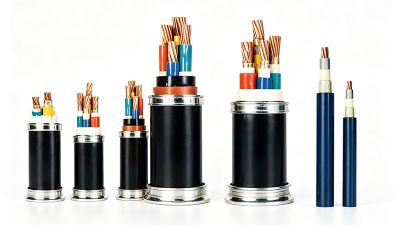
PVC insulated and sheathed electric cables are widely used as fixed power-distribution and transmission lines at a rated voltage of 0.6/1 kV. Their PVC insulation provides reliable electrical separation, while the outer sheath helps protect conductors from moisture, abrasion, chemicals, and ordinary mechanical stress. Depending on the design, conductors may be made of copper or aluminum, with multiple cores arranged for single-phase or three-phase systems. The IEA’s *Electricity 2024* report projects global electricity demand to grow by an average of 3.4% annually from 2024 to 2026, reinforcing the need for dependable low- and medium-voltage distribution infrastructure.
These cables are suitable for permanent installation in residential, commercial, industrial, and utility applications, including buildings, cable trays, conduits, underground ducts, and selected outdoor routes. They are designed for stable operation rather than repeated movement, and installation conditions should comply with applicable requirements such as IEC 60502-1. PVC compounds offer a practical balance of cost, flexibility, insulation performance, and manufacturing availability, although the permissible operating temperature and fire performance must be checked for each project.
Cable selection should begin with conductor material and cross-sectional area, followed by continuous current capacity, allowable voltage drop, short-circuit withstand, ambient temperature, installation method, and the number of grouped circuits. Moisture exposure, ultraviolet radiation, soil conditions, bending radius, and requirements for flame retardance or reduced smoke should also be evaluated. Correct sizing and routing help maintain transmission efficiency, reduce overheating risks, and support long-term service reliability.
FAQS
Record primary voltage, secondary voltage, frequency, phase arrangement, and required kVA. Include load type, starting current, future demand, and daily operating hours. Do not guess.
Connected load and nameplate estimates can mislead. Motors, pumps, and welders may draw much higher current during startup. Measure real demand when possible. I would recheck this step.
Confirm whether the system needs step-up, step-down, or isolation service. State the grounding method and neutral arrangement clearly. A missing neutral connection can stop equipment from operating correctly.
A three-phase supply cannot simply replace a single-phase system. Check phase-to-phase and phase-to-neutral voltages on the nameplate. Frequency must match the site supply. Small mismatch, serious trouble.
Allow reasonable capacity for starting currents and future expansion. Avoid excessive oversizing because it can increase no-load losses. The largest transformer is not automatically the best choice.
Request impedance, tap range, vector group, insulation level, cooling method, and temperature rise. Also request guaranteed losses, sound level, efficiency, and short-circuit withstand. Keep uncertain values marked for review.
Provide altitude, ambient temperature, humidity, ventilation limits, and installation location. Outdoor units may need corrosion resistance, enclosure protection, heaters, or pressure relief equipment. Site details matter.
Request routine test records, compliance documents, installation drawings, and connection dimensions. Check lifting points, maintenance access, cable routes, breakers, metering, and protection settings. A qualified engineer should approve every confirmed value before ordering.
Conclusion
Buying Electric Transformers internationally requires careful planning from technical selection through final acceptance. Start by defining the transformer’s intended application, load requirements, voltage, frequency, capacity, phase configuration, and operating environment. Confirm that these specifications are compatible with the destination power system, then choose the appropriate transformer type, cooling method, insulation design, and construction materials. It is also important to review applicable international standards, certifications, testing procedures, and safety requirements before placing an order.
Beyond the product itself, evaluate the supplier’s manufacturing quality, documentation, warranty terms, communication, and technical support capabilities. Calculate the complete project cost, including the transformer, packaging, transportation, insurance, duties, local handling, installation, and maintenance. Before acceptance, inspect the equipment for damage, verify its identification and test records, and confirm that performance measurements meet the agreed specifications. A structured purchasing process can reduce delays, unexpected expenses, and compatibility problems while supporting reliable long-term operation.