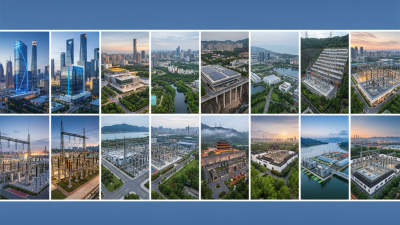
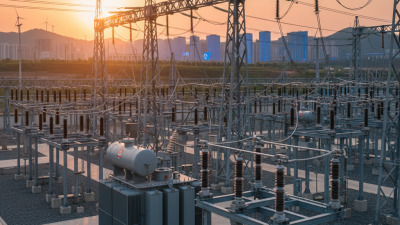
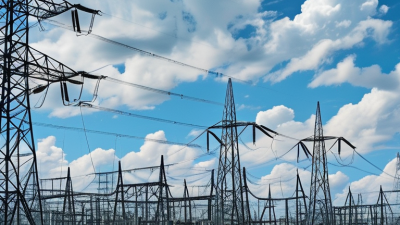
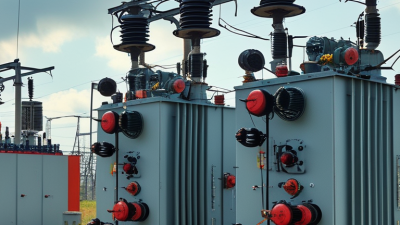
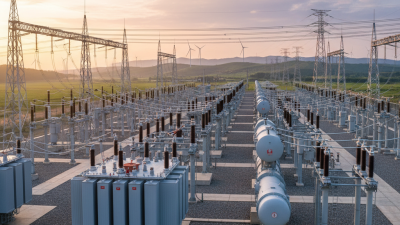
A Voltage Substation is where electricity changes direction, pressure, and purpose. It connects generating stations, transmission lines, distribution networks, and customers. Inside, transformers raise or lower voltage levels. Circuit breakers interrupt dangerous faults. Busbars divide power between outgoing circuits. Protection relays watch every electrical movement.
John D. McDonald, an IEEE Fellow and recognized substation automation specialist, describes the substation as “the heart of the power system.” This comparison is practical. A substation does not merely pass electricity forward. It measures current, isolates damaged equipment, controls voltage, and supports dependable grid operation. Companies such as Siemens Energy, Hitachi Energy, and GE Vernova develop many of these systems.
The equipment works as one coordinated chain. Incoming power reaches a transformer through high-voltage conductors. The transformer changes the voltage for the next network stage. Sensors send measurements to protection and control devices. If a fault appears, a breaker can open within milliseconds. The result protects cables, transformers, workers, and connected communities.
Still, a substation is not completely self-sufficient. Its performance depends on maintenance, weather protection, accurate settings, and trained operators. A clean yard can hide aging insulation. A modern control room can still suffer from poor data. That is an important limitation. This guide examines how a Voltage Substation operates, what each major component does, and why small failures can create wider service problems. It also considers real field conditions, including noise, heat, restricted access, and the careful inspections required before equipment returns to service.
What a Voltage Substation Is and What It Does
What Is a Voltage Substation and How Does It Work?
A voltage substation is a controlled point where electricity changes voltage, changes direction, or temporarily disconnects from the grid. It does not generate power. Instead, it manages power between generating stations, transmission lines, distribution networks, and customers. Large transformers raise voltage for efficient long-distance transmission. Other transformers reduce it before electricity reaches factories, offices, and homes.
Inside, thick conductors connect through busbars, circuit breakers, isolators, and protection relays. Current and voltage transformers measure electrical conditions in real time. If a fault occurs, a relay can signal a breaker to open within milliseconds. Grounding systems then guide dangerous fault current safely into the earth. Substation layouts look orderly on drawings, but weather, aging equipment, and maintenance errors can complicate operation. That detail is easy to underestimate.
The International Energy Agency’s Electricity 2024 report forecasts average global electricity-demand growth of 3.4% annually through 2026. More demand places greater pressure on substations, especially at congested grid connections. The North American Electric Reliability Corporation’s 2024 Long-Term Reliability Assessment projects roughly 15% peak-demand growth over the next decade. This makes capacity planning important, but bigger equipment is not always the best answer. Engineers must also consider short-circuit levels, cooling, protection settings, land limits, and future renewable generation. A substation may appear quiet. Technically, it is constantly balancing safety, voltage quality, and changing power flows.
The Main Components Inside a Voltage Substation
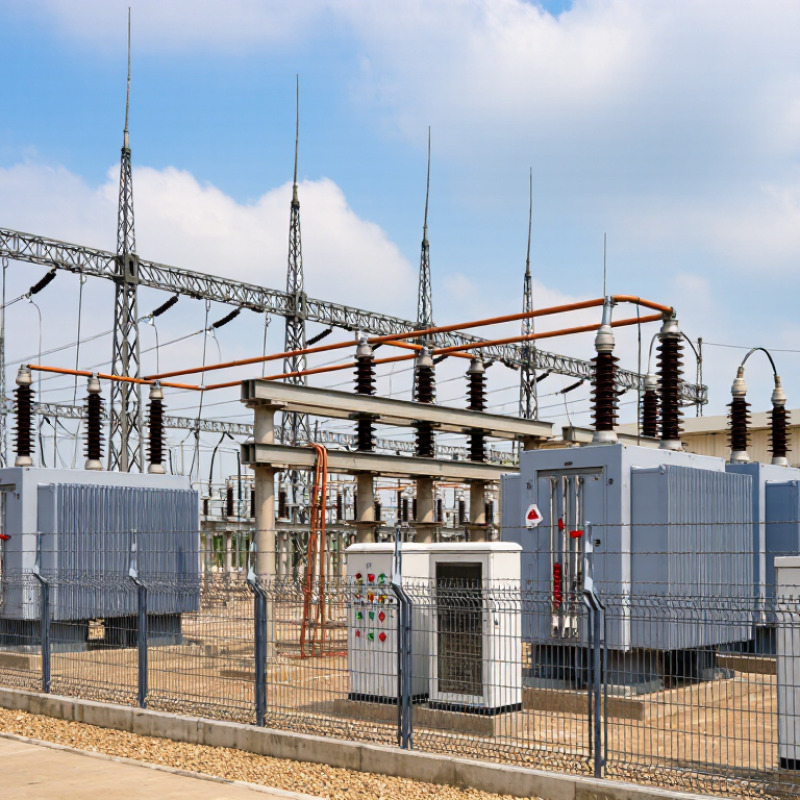
A High Voltage Substation moves electricity between transmission lines and local networks. Its transformer changes voltage levels, often stepping high transmission voltage down for distribution. The main components work as a coordinated chain. Busbars collect and route current through the yard. Circuit breakers interrupt fault currents within milliseconds. Disconnectors provide visible isolation during maintenance, but they are not designed to break heavy fault current. Current transformers and voltage transformers feed measurements to protection relays and control systems. Surge arresters divert lightning and switching surges away from valuable equipment. A grounding grid then carries dangerous fault energy safely into the soil.
The International Energy Agency reported in Electricity Grids and Secure Energy Transitions that annual grid investment may need to exceed 600 billion dollars by 2030. The report also estimates that 80 million kilometres of grids must be added or replaced by 2040. The U.S. Department of Energy’s 2023 National Transmission Needs Study identifies possible transmission capacity needs of 2.4 to 3.5 times current levels by 2035. These figures make reliable substation design increasingly important. Still, field conditions can be less perfect. Dust gathers on insulators. Labels fade. Protection settings may not match later network changes.
Tips: Check relay coordination after every major network modification. Inspect transformer oil, cable terminations, and grounding connections regularly. Keep clearances visible around live equipment. A small inspection detail can prevent a serious outage.ેણ
How Electricity Enters and Moves Through the Substation
What Is a Voltage Substation and How Does It Work?
Electricity enters a substation through incoming transmission or distribution lines. Before entering, it passes through switches and protective equipment. These devices isolate faults and control the flow safely. A Medium Voltage Substation may receive electricity at a higher voltage, then reduce it for local distribution. The transformer performs this change through electromagnetic induction. It does not create electricity. It changes voltage levels while preserving power, apart from normal losses.
Inside the substation, conductors connect the transformer to busbars. Busbars act like strong metal junctions, directing electricity toward several outgoing circuits. Current transformers and voltage transformers measure electrical conditions continuously. Relays compare these measurements with safe operating limits. When a fault appears, a circuit breaker can open within milliseconds. A sharp click may follow, even when the equipment looks still.
The electricity then leaves through feeder lines and travels to neighborhoods, factories, or commercial buildings. Grounding systems guide dangerous fault current into the earth and help protect workers. The neat diagram can mislead. Real substations contain weathered cabinets, drainage channels, warning signs, and carefully spaced equipment. Technicians inspect connections, insulation, oil levels, and relay settings during maintenance. One overlooked loose connection can create heat, damage equipment, or interrupt service. Measurements are essential, but they do not replace judgment. Conditions can change after testing.
How Transformers Change Voltage Levels
A Voltage Transformer Substation controls how electrical energy travels between generating stations, transmission lines, and local consumers. Its main task is changing voltage levels safely and efficiently. High voltage reduces current during long-distance transmission, which helps limit energy loss and heating in conductors. Near residential areas, transformers lower that voltage for safer distribution.
A transformer uses electromagnetic induction. Alternating current flows through the primary winding and creates a changing magnetic field in the iron core. This field induces voltage in the secondary winding. The winding ratio determines the change: more turns on the secondary side create a higher voltage, while fewer turns create a lower one. Step-up transformers support long-distance networks. Step-down transformers prepare electricity for streets, buildings, and industrial equipment.
The process is carefully monitored. Technicians check winding temperature, oil condition, insulation resistance, and unusual sounds during inspections. Tap changers make small voltage adjustments when demand changes, although they cannot correct every network problem. Protective relays disconnect faulty sections quickly, limiting damage to nearby equipment. Practical maintenance records often reveal gradual issues before alarms appear. Small errors matter. A loose connection, inaccurate sensor, or neglected cooling system can affect reliability. Transformer design also involves compromises between efficiency, size, cost, and noise. Some operating assumptions may look reasonable but deserve review after years of changing loads.
What Is a Voltage Substation and How Does It Work?
Typical voltage levels as transformers step electricity down from transmission to end-use distribution
Transformers change voltage by transferring electrical energy between coils with different numbers of turns. A representative power path may reduce voltage from 230 kV on a transmission network to 69 kV for sub-transmission, then to 13.8 kV for primary distribution and approximately 0.4 kV for low-voltage consumers. Actual system voltages vary by grid design and region.
How Switchgear Controls and Protects the Grid
A voltage substation changes electricity levels for safer transmission and distribution. Its switchgear controls this process under normal and emergency conditions. Metal cabinets contain breakers, disconnectors, relays, and measuring devices. The equipment must respond within fractions of a second. Small delays matter.
When a fault occurs, protection relays detect abnormal current or voltage. They send a trip signal to the circuit breaker. The breaker then separates the damaged section from the live network. A Substation Voltage Transformer measures voltage safely for relays, meters, and control systems. Disconnectors provide visible isolation during maintenance, but they do not usually interrupt fault current. This distinction prevents dangerous operating mistakes.
During inspections, technicians check contact wear, insulation condition, alarm circuits, and battery performance. They also review event records after unexpected trips. A relay may operate correctly while its settings no longer match the network. That risk is easy to overlook. Dust, moisture, heat, and loose connections can weaken protection over time. Field experience shows that clean panels do not always indicate healthy equipment. Testing must include realistic operating conditions, accurate records, and careful coordination between protection devices. Engineers should question old assumptions, especially after network changes or added generation.
How Substations Monitor and Manage Electrical Flow
What Is a Voltage Substation and How Does It Work?
A voltage substation is a controlled point where electricity changes voltage before continuing through the grid. It receives power from transmission or distribution lines. The real work involves measurement, protection, and adjustment. Transformers raise or lower voltage for safer, more efficient delivery. Switchgear connects or isolates circuits when operating conditions change. Protection relays watch for faults, such as short circuits or abnormal current.
How Substations Monitor and Manage Electrical Flow
Operators monitor voltage, current, frequency, power factor, and equipment temperature. Digital meters collect these values continuously. Communication systems send readings to a control room. There, engineers compare live data with safe operating limits. A sudden current increase may indicate a damaged cable or overloaded feeder. Small errors matter. During field inspections, technicians also check unusual sounds, oil leaks, loose connections, and heat marks.
Substations manage flow through circuit breakers, tap changers, capacitor banks, and reactive power equipment. A tap changer can adjust transformer output when demand shifts. Breakers can disconnect a faulty section within moments. Load-control actions may redirect electricity to another feeder, but they require careful judgment. Automation helps, yet it is not perfect. A sensor can drift, a communication link can fail, or an old setting can remain unnoticed. For that reason, engineers verify alarms against physical inspections and maintenance records before making major switching decisions.
Why Voltage Substations Matter to Power Distribution
What Is a Voltage Substation and How Does It Work?
Why Voltage Substations Matter to Power Distribution
A voltage substation is a controlled facility that changes electricity between transmission and distribution levels. It may raise voltage for efficient long-distance movement or lower it for local delivery. Transformers perform this central task. Switchgear directs circuits, while protective relays detect faults within fractions of a second. Engineers also use meters, grounding systems, and barriers to improve safety and operating control.
Substations matter because modern communities need steady power, not merely high power. A lower voltage supports homes, schools, shops, and small factories without overwhelming local equipment. When demand rises on a hot afternoon, a well-designed substation helps balance feeder loads and reduce unnecessary outages. It also isolates damaged sections, allowing crews to restore unaffected areas. In field inspections, small details matter: warm cable joints, unusual humming, or water near a control cabinet can signal developing trouble. Still, no substation is perfect. Aging equipment, poor maintenance, and inaccurate load forecasts can weaken reliability.
Tips: Keep access areas clear and dry. Never approach fences, conductors, or fallen lines. Utility workers should review switching procedures, test protective devices, and record temperature changes during inspections. Clear labels can prevent a costly mistake. Residents can report repeated flickering or burning smells promptly, rather than waiting for a complete failure. Reliable distribution depends on equipment, trained people, and honest maintenance records.
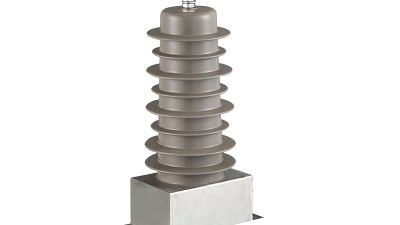
China EPT-10 Electronic Voltage Sensor: A 10kV Outdoor Solution from Leading Suppliers and Factories
The China EPT-10 Electronic Voltage Sensor is a reliable 10kV outdoor solution developed for modern distribution networks. Designed and produced by experienced suppliers and advanced factories, it supports accurate voltage monitoring in demanding outdoor environments. Its durable construction helps maintain stable performance while providing dependable electrical measurement for distribution equipment, intelligent terminals, and network control systems.
Featuring a charging-powered structure, the EPT-10 is suitable for both AC and DC applications, offering flexible installation across different power configurations. Its electronic sensing technology enables timely voltage data collection, supporting smarter operation, condition monitoring, and improved maintenance planning. With its compact design and practical engineering, the sensor can assist utilities and industrial users in building more efficient smart grid systems and enhancing terminal power management.
FAQS
It is a controlled point where electricity changes voltage. Transformers raise or lower voltage for transmission and distribution. The site also measures, protects, and routes electrical flow. It is not merely a transformer yard.
A transformer changes voltage levels. It may reduce high transmission voltage for local networks. It can also raise voltage for efficient transmission. Oil condition, temperature, and connections require regular checks.
Busbars collect and route current. Circuit breakers interrupt fault current quickly. Disconnectors create visible isolation during maintenance. Disconnectors usually cannot interrupt heavy fault current.
Protection relays detect abnormal current or voltage. They send a trip signal to a circuit breaker. The breaker separates the damaged section from the live network. Small delays matter.
Digital meters track voltage, current, frequency, and temperature. They may also measure power factor. Communication systems send readings to a control room. Operators compare live values with safe limits.
Surge arresters divert lightning and switching surges away from valuable equipment. A grounding grid carries dangerous fault energy into the soil. Ground connections must remain secure. A clean panel proves little.
They check relay settings, breaker contacts, insulation, alarms, and batteries. They inspect transformer oil, cable terminations, and grounding connections. Dust may collect on insulators. Labels can fade.
Network changes may make old settings unsuitable. Added generation or a new feeder can alter fault conditions. Sensors can drift, and communication links can fail. Engineers should question old assumptions. Mistakes remain possible.
Conclusion
A Voltage Substation is a key facility in the electrical grid that receives, transforms, controls, and distributes electricity. Power enters through incoming lines and passes through equipment designed to regulate its movement safely. Transformers adjust high transmission voltages to lower levels suitable for regional networks, industrial facilities, businesses, and homes. This process helps electricity travel efficiently over long distances while making it practical and safer for local distribution.
Inside a Voltage Substation, switchgear manages connections and can quickly isolate faulty sections when problems occur. Protective devices help limit damage caused by overloads, short circuits, or other electrical disturbances. Monitoring and control systems track voltage, current, equipment status, and power flow, allowing operators to balance demand and respond to changing conditions. By coordinating these functions, substations support reliable power delivery, improve grid stability, and help ensure that electricity reaches customers consistently and safely.