
Leave Your Message
0%

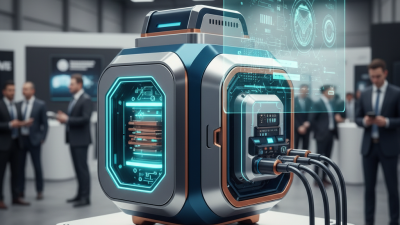
You know, in the fast-changing world of energy, Prefabricated Substations have really become a game-changer for meeting power needs more efficiently. I remember Dr. Michael Chen, a real expert in energy infrastructure, once said, "Prefabricated Substations offer a flexible solution for modern energy challenges." That kind of says it all about how much these structures are becoming more and more important.

If you're looking into wholesale options, investing in prefabricated substations can seriously help streamline how we distribute energy. They’re pretty quick to install, which means projects don’t get dragged out forever, and they’re also better for the environment — a big plus for developers these days. Plus, the quality has come a long way, though it’s always good to stay cautious and keep assessing these solutions as the industry evolves.

Of course, while there are tons of benefits, it’s not all smooth sailing. Not every product on the market is top-notch, and companies really need to do their homework before choosing a supplier. Making sure they follow international standards isn’t just about ticking boxes — it’s about making sure you can trust what you’re getting. So, keeping an eye on these things is pretty essential if we want to get the best power solutions today and stay ahead in this ever-changing landscape.
Why Choose Wholesale China Prefabricated Substations for Your Power Needs?

Benefits of Prefabricated Substations in Modern Power Systems

Prefabricated substations are transforming the landscape of modern power systems. These units are designed for efficient assembly and deployment. According to industry reports, prefabricated solutions can cut construction time by up to 30%. The modular design allows for flexibility in location and reduces site disruption. This is particularly beneficial in urban areas where space is limited.

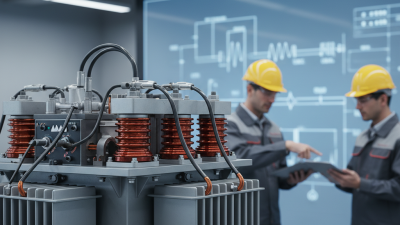
Another important aspect is their reliability. Studies indicate that prefabricated Electric Power Substations offer enhanced performance and lower maintenance costs. Their consistent quality is assured through controlled manufacturing processes. However, challenges remain. There can be initial cost considerations and logistics hurdles in transporting large prefabricated units. Companies must weigh these factors carefully.

Sustainability is increasingly relevant in power infrastructure. Prefabricated substations can be designed to integrate renewable energy sources more easily. The potential environmental benefits could be significant. Reports show that incorporating smart technologies can further improve efficiency, but adoption rates still vary widely among regions. The ongoing evolution of these systems will undoubtedly require continuous reflection on their effectiveness.

Why Choose Wholesale China Prefabricated Substations for Your Power Needs? - Benefits of Prefabricated Substations in Modern Power Systems

Benefit Description Value
Cost Efficiency Lower initial investment compared to traditional substations. Up to 30% savings
Speed of Installation Prefabricated units allow for rapid deployment and reduced construction time. 50% faster completion
Scalability Easily expandable as power demand grows. Modular design
Reduced Footprint Compact design requires less land area than traditional substations. Up to 60% less space
Environmental Impact Designed to minimize ecological disruption. Eco-friendly materials
Safety Features Inbuilt safety measures to protect infrastructure and personnel. High safety standards

Cost Efficiency of Wholesale China Prefabricated Substations

Why Choose Wholesale China Prefabricated Substations for Your Power Needs?

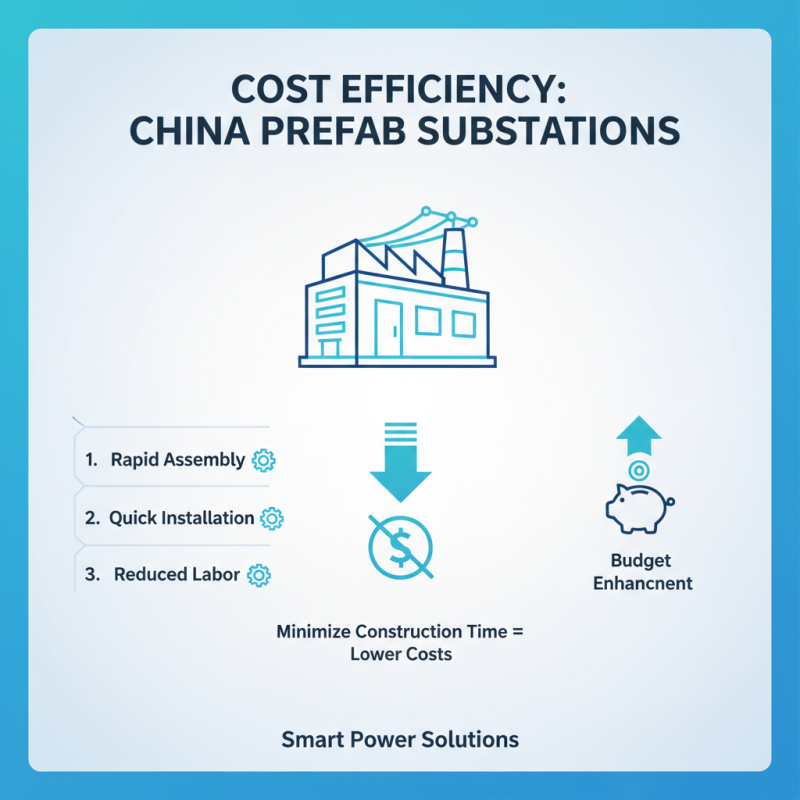
When considering power solutions, cost efficiency is a top priority. Wholesale China prefabricated substations offer a practical approach to achieving this goal. These substations are designed for quick assembly and installation. By minimizing construction time, they reduce labor costs. Such savings can significantly enhance your project’s budget.

In addition to lowering labor costs, these substations use standardized components. This means consistent pricing and predictable expenses. Ordering in bulk can lead to further reductions. Such cost advantages make these solutions appealing for large-scale projects. However, it’s essential to assess quality alongside price.

Reliability cannot be compromised for savings. While cheaper options exist, they may lack durability or require more maintenance. It's important to balance immediate costs with long-term performance. Investing in quality components can prevent unexpected expenses down the line. Thoughtful decision-making is crucial in this context. A comprehensive understanding of your power needs will drive your choices.

Comparative Analysis of Traditional vs. Prefabricated Substations

Why Choose Wholesale China Prefabricated Substations for Your Power Needs?

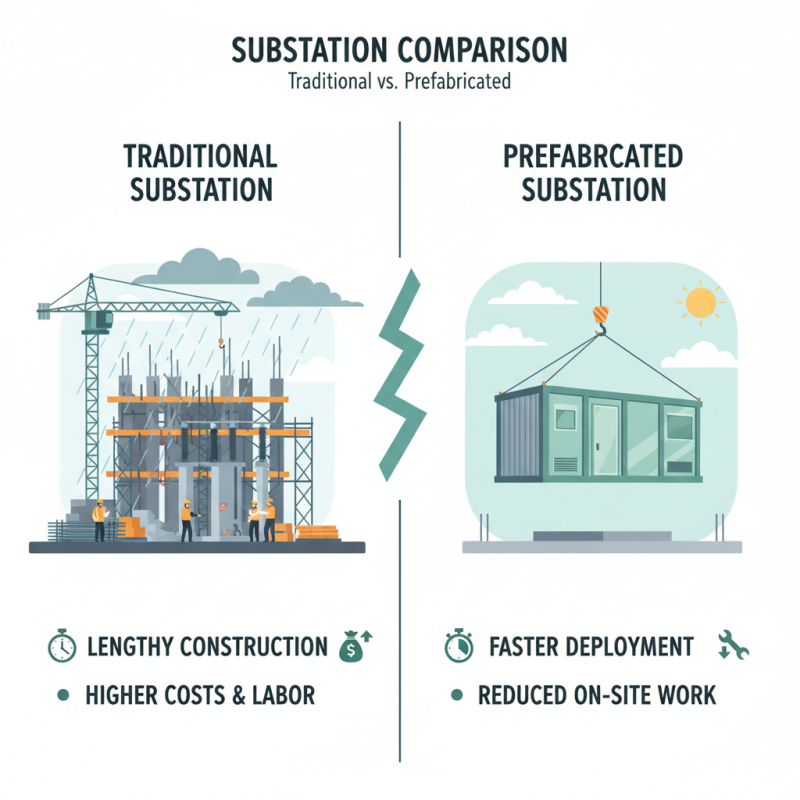
When evaluating substations, two main types emerge: traditional and prefabricated. Traditional substations often involve lengthy construction timelines. Builders face challenges like site preparation and unexpected weather. These factors can lead to delays and increased costs. Traditional setups usually require more labor. This complexity can complicate project management.

On the other hand, prefabricated substations offer a streamlined solution. They arrive on-site as nearly complete units. This design reduces installation time significantly. Assembly often takes days rather than months. Prefabricated options can adapt to various locations, making them versatile. However, they may lack the customization potential of traditional designs. This can be a limitation for specific project needs.

Cost considerations also play a vital role in decision-making. Traditional substations might appear less expensive initially. Yet, the long-term expenses, like maintenance and labor, may exceed those of prefabricated alternatives. Understanding these dynamics is crucial for project stakeholders. When choosing the right substation type, weighing efficiency against customization is essential. Each option has its strengths and weaknesses, leading to essential reflections on project priorities.

Quality Standards and Certifications of Chinese Manufactured Substations

When considering prefabricated substations, understanding quality standards is essential. Chinese manufacturers adhere to stringent international standards to ensure reliability. Many products meet IEC, ANSI, and IEEE certifications. This compliance guarantees safety and functionality.

Quality control plays a crucial role in the manufacturing process. Each component undergoes rigorous testing before assembly. Engineers examine materials, ensuring durability. The focus on cold-rolled steel and advanced insulation methods highlights the commitment to quality. However, not every manufacturer maintains these standards consistently. Some may overlook critical testing phases. This inconsistency can affect the end product's reliability.

Regular audits and certifications from authoritative bodies bolster consumer confidence. Buyers should seek manufacturers with established records in quality assurance. Familiarity with local and global standards provides an added layer of trust. Being aware of potential gaps in quality can save time and prevent future complications. Ultimately, understanding these standards empowers smarter purchasing decisions.

Impact of Prefabricated Substations on Renewable Energy Integration

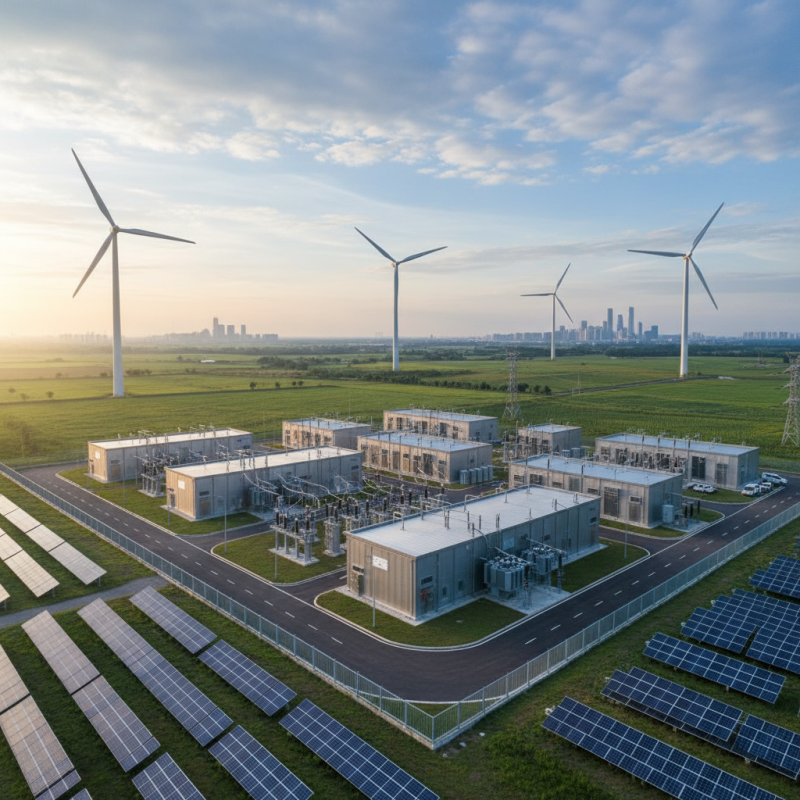
Prefabricated substations play a crucial role in renewable energy integration. They offer a compact and efficient solution for managing power distribution, especially with the rise of solar and wind energy. These substations are designed to be constructed off-site, allowing for quicker deployment. This is essential in areas where renewable energy projects need immediate support. Rapid assembly means that power can flow from renewable sources to consumers sooner.

The design of these substations often incorporates advanced technology. This enables them to efficiently manage fluctuations in energy supply. For example, solar and wind energy can be inconsistent. Prefabricated substations help ensure stability in power quality. They can adapt to changing conditions and maintain grid reliability. This adaptability is vital as more renewable energy sources come online.

Despite their benefits, challenges remain. The integration of prefabricated substations with existing infrastructure can pose issues. Some regions may face resistance to new technology. Local regulations may also complicate implementation. Addressing these hurdles requires collaboration between stakeholders. Understanding local needs is key to successful deployment. Balancing innovation with practicality is essential for future growth.

Customization Options for Wholesale Prefabricated Substations in the Market

When considering wholesale prefabricated substations, customization options are a key factor. These substations can be tailored to meet specific power requirements. They can vary in size, voltage ratings, and layout configurations to fit diverse projects. Whether you need a compact solution for a remote site or a larger setup for urban power distribution, customization ensures the substation meets operational demands.

Design flexibility is another advantage. Various materials and components can be selected according to environmental conditions. This means substations can withstand harsh weather or seismic activities. Customization allows for the integration of smart technologies as well, enabling better monitoring and control. Although customization can increase costs, the long-term benefits often outweigh the initial expenditure. It's important to evaluate both immediate needs and future scalability.

Finding reliable manufacturers is essential. Not all suppliers provide the same level of quality or support. Researching their experience in the field helps. Customer reviews and case studies can offer insight into their reliability. Working with a reputable supplier can lead to more effective project outcomes. However, over-relying on a single source can be risky. Diversifying suppliers can mitigate potential disruptions.

Logistics and Delivery Advantages of Sourcing from China’s Suppliers

When considering prefabricated substations, logistics play a critical role. Sourcing from China provides unique delivery advantages. Chinese suppliers often have extensive networks, allowing for faster shipping times. This efficiency can be key when timelines are tight.

China’s manufacturing capabilities also ensure that these products are delivered as per specifications. The precision in the construction process contributes to a lower rate of defects. However, it is essential to assess the supplier's reputation and quality control measures. Some suppliers may promise quick delivery, but their products might not meet quality standards.

Tips for sourcing effectively include verifying certifications and inspecting shipment terms. Engage suppliers who offer transparent communication. This helps ensure that your needs are understood. Building a relationship with reliable suppliers can streamline future orders. Regular follow-ups are often beneficial for addressing concerns early. As you navigate sourcing, reflecting on past experiences can guide your choices.

Innovative Solutions for Power Distribution: Exploring the YB High Voltage/Low Voltage Prefabricated Substation

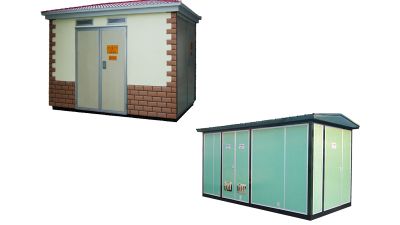
The YB series prefabricated substations represent a cutting-edge approach to power distribution, offering a compact and integrated solution that meets the needs of modern urban environments. By combining high-voltage equipment, transformer, and low-voltage panels within a single enclosure, these substations significantly enhance space efficiency. This makes them particularly suitable for locations with limited space, such as urban complexes, residential communities, and industrial parks, as well as for temporary installations that require swift setup and reliable operation.

Additionally, the YB series substations offer flexibility in their configurations, allowing for options such as ring-main or dual power supply systems. This versatility ensures that they can be tailored to meet specific power distribution demands while maintaining compliance with safety standards like GB/T 17467-2020. As a result, these prefabricated substations not only provide a mobile and efficient solution for power distribution but also contribute to the overall safety and effectiveness of electrical systems in various applications.

FAQS

: What are the main types of substations?

: The two main types of substations are traditional and prefabricated.

What challenges do traditional substations face?

Traditional substations often deal with long construction times, site preparation problems, and weather delays.

How fast can prefabricated substations be installed?

Prefabricated substations can be assembled in just days rather than months.

Are prefabricated substations customizable?

Yes, they offer some customization but may lack options compared to traditional designs.

What should be considered when evaluating costs?

Consider both initial costs and long-term expenses like maintenance and labor.

Why is reliable supplier research important?

Not all suppliers have the same quality; their experience can significantly impact project success.

How can sourcing from China benefit projects?

China’s suppliers often provide faster shipping and precision in manufacturing, reducing defects.

What should you verify when sourcing products?

Check certifications and ensure transparent communication with suppliers.

Can reliance on a single supplier be risky?

Yes, relying too much on one supplier might cause disruptions in the project.

What is an important reflective practice for sourcing?

Reflecting on past experiences can help shape better sourcing choices in the future.

Conclusion

Prefabricated substations have become increasingly popular in modern power systems due to their numerous benefits, including enhanced efficiency and reduced construction time. These modular solutions offer significant cost advantages, especially when sourced from wholesale suppliers in China. A comparative analysis reveals that prefabricated substations often outperform traditional models in terms of installation and maintenance, facilitating quicker deployment for energy needs.

Furthermore, Chinese-manufactured prefabricated substations adhere to rigorous quality standards and certifications, ensuring reliability in performance. Their design flexibility allows for customization, catering to specific requirements of various projects. Additionally, the logistics and delivery advantages offered by sourcing from China ensure that businesses can meet their energy demands promptly, making prefabricated substations a strategic choice for integrating renewable energy solutions and advancing infrastructure development.

Ethan

Ethan

Ethan is a dedicated marketing professional with a deep expertise in the electrical equipment industry. With a strong background in supply chain management, he is well-versed in the nuances of over 200 series and 25,000 models of products, including transformers, both high and low voltage......
Previous Best 5 Wholesale Custom Electrical Substation Solutions for Your Business?