


China Discharge Coil Suppliers - High-Quality Factory Direct Discharge Coils for Enhanced Performance
China Discharge Coil Suppliers - High-Quality Factory Direct Discharge Coils for Enhanced Performance
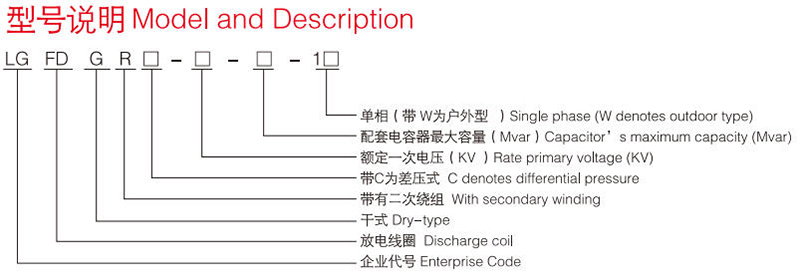
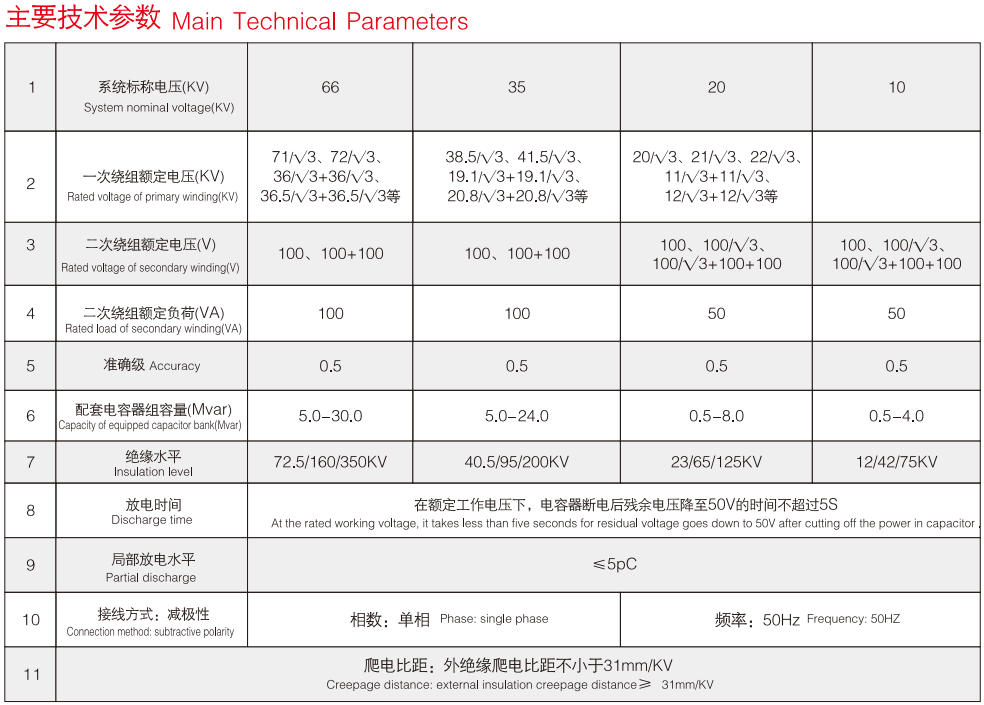
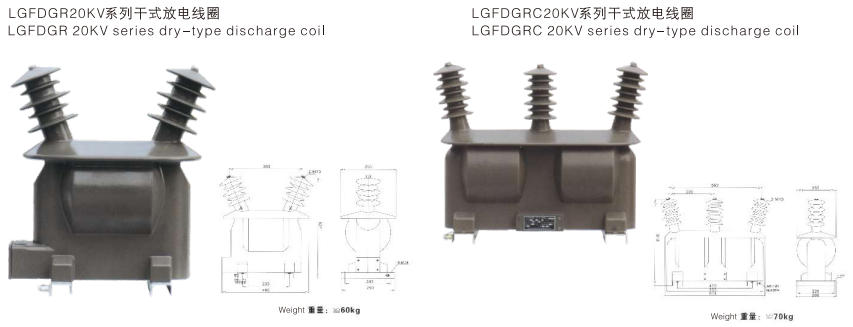
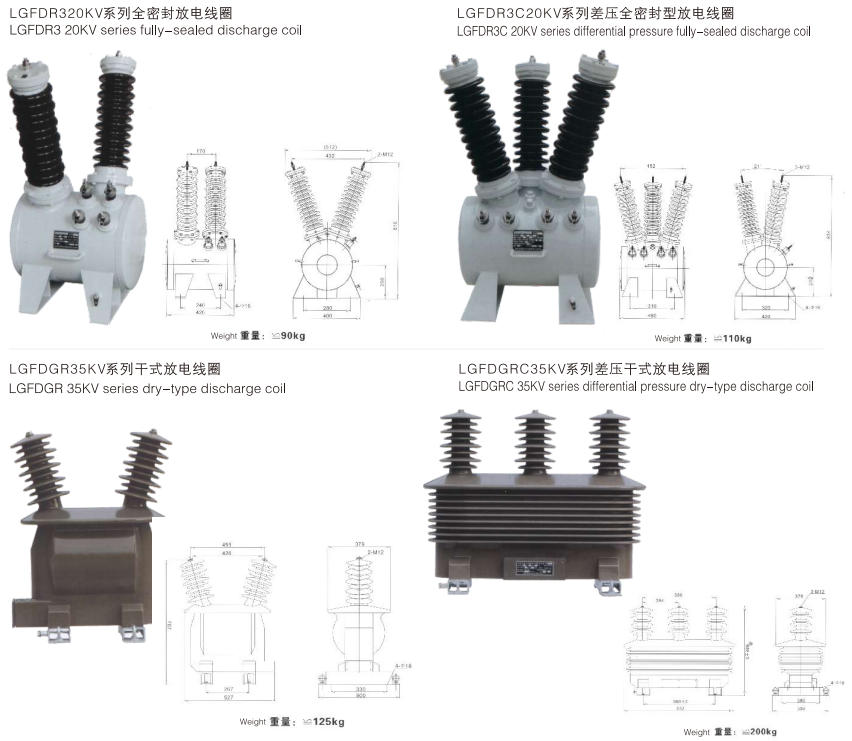
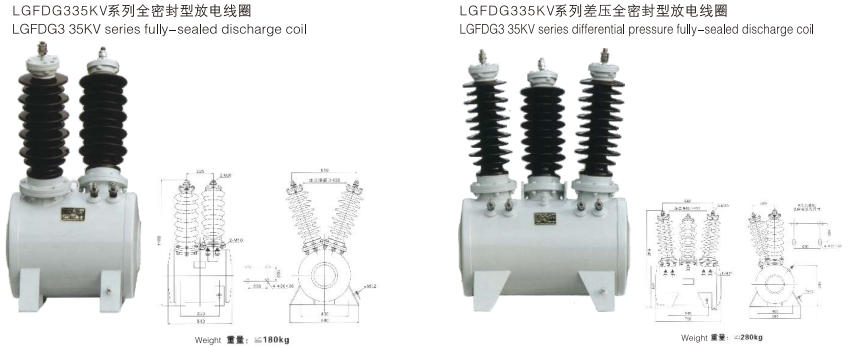
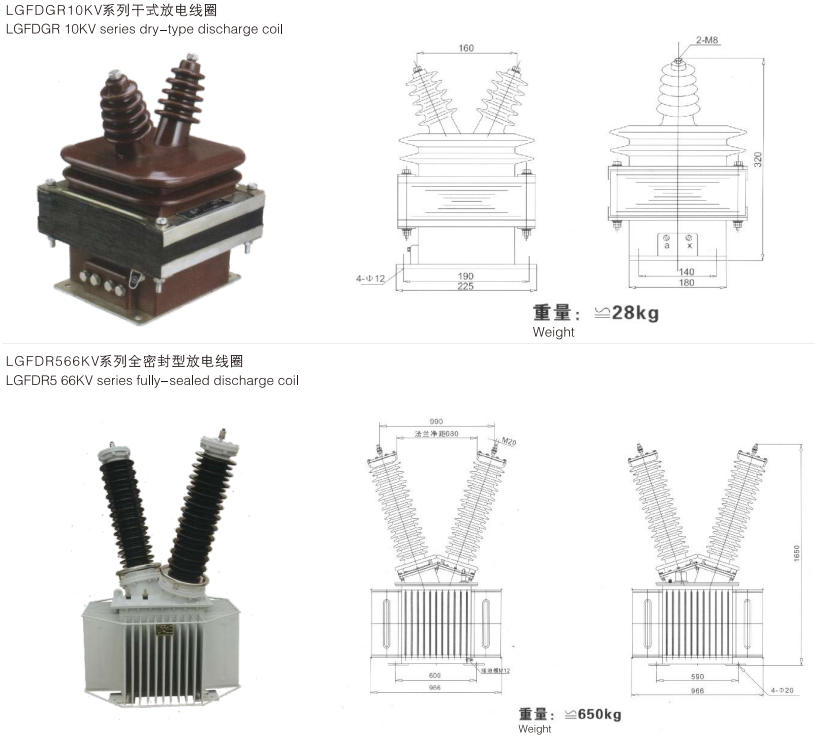
Model Designation & Technical Specifications
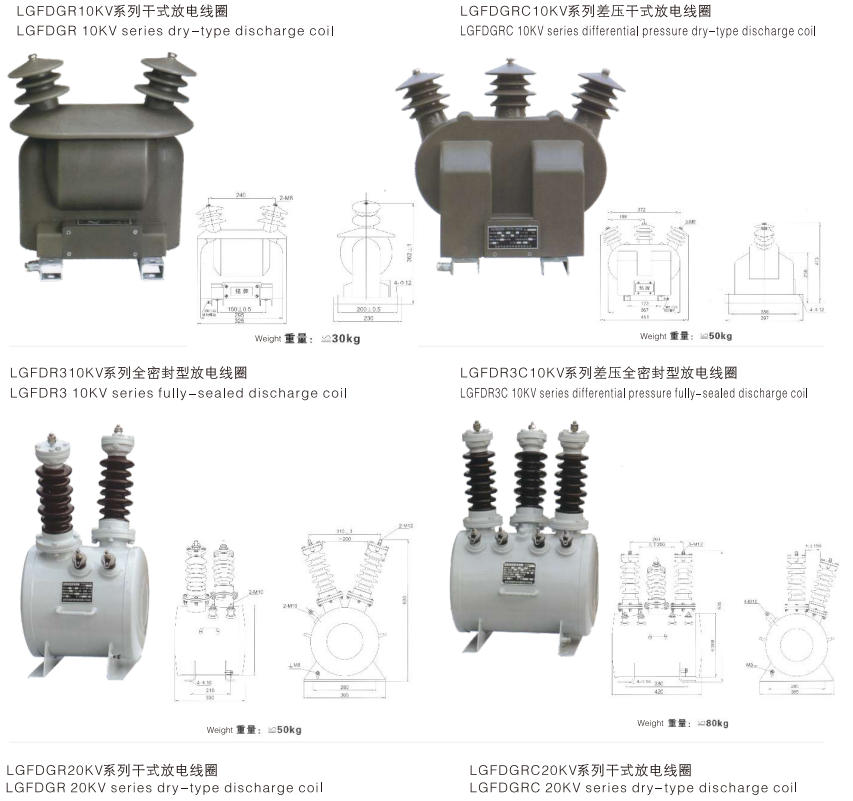
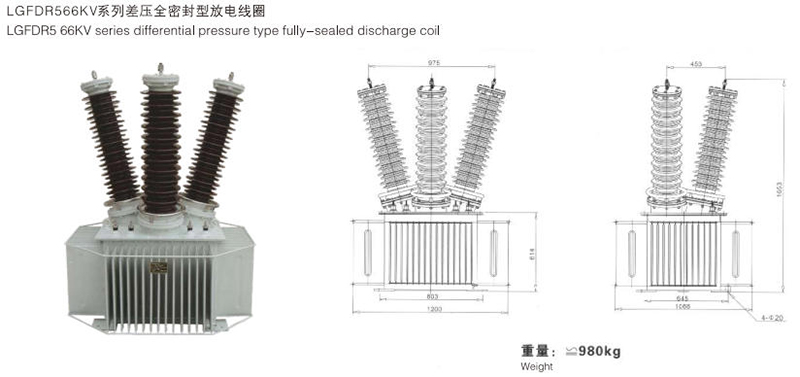
Discharge Coil Configurations & Dimensional Types
Frequently Asked Questions (FAQ)
Q1
What is the primary function of a discharge coil?
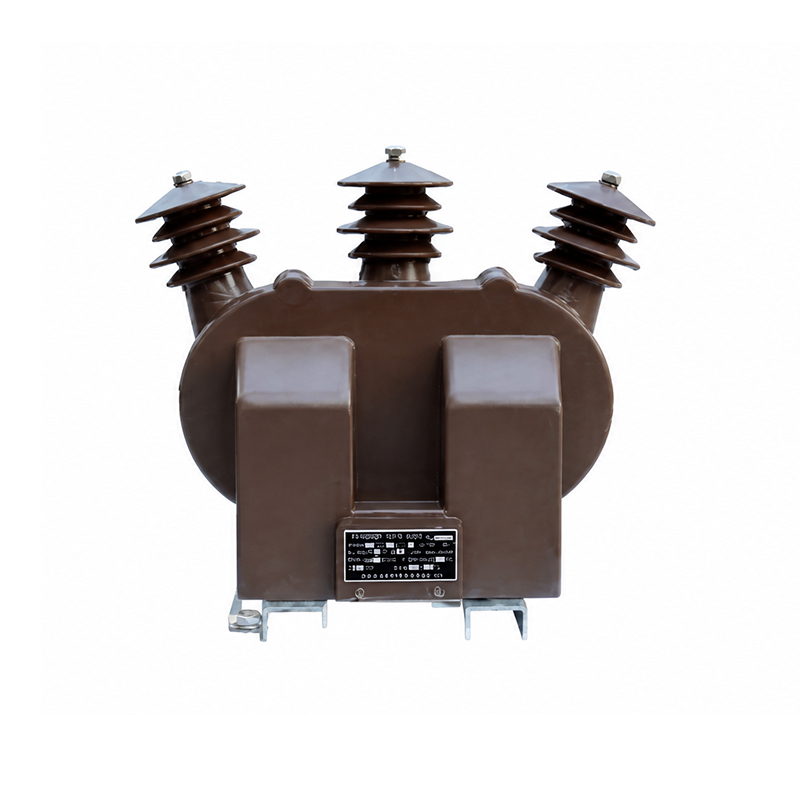
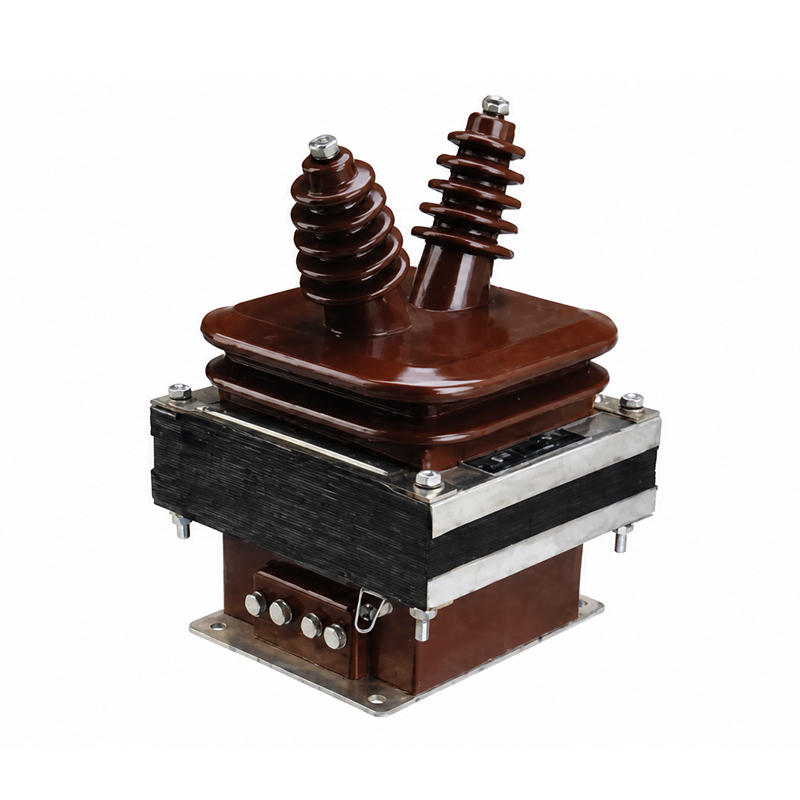
A discharge coil is connected in parallel with high-voltage capacitor banks to quickly and safely discharge residual electrical charges down to a safe voltage level (usually below 50V) within seconds after disconnection from the power supply, preventing electrical hazard and equipment damage during reclosing.
Q2
Can a discharge coil also provide voltage monitoring or protection signals?
Yes, models equipped with secondary windings can serve dual purposes: acting as a rapid discharge device while providing accurate voltage measurement and protective relay signals for unbalanced neutral or differential protection.
Q3
How should the discharge coil be wired to the capacitor bank?
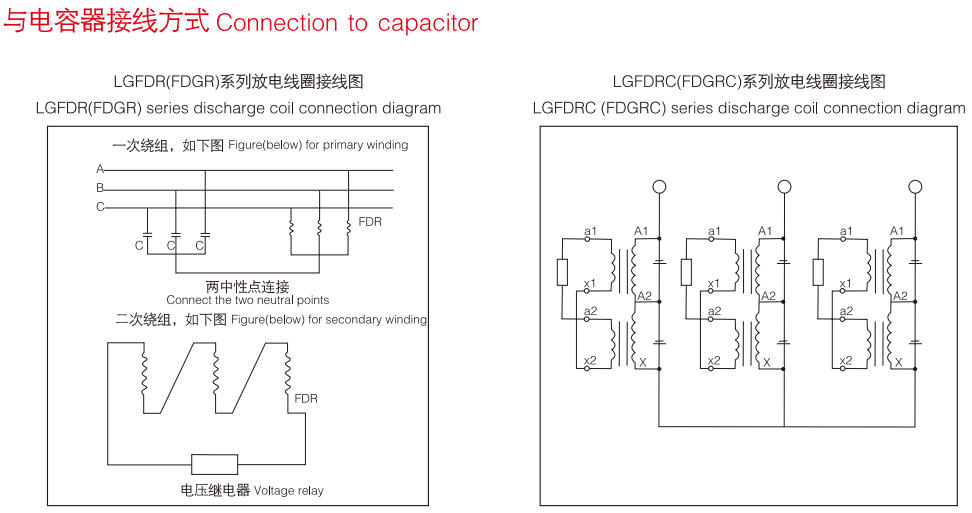
The primary winding of the discharge coil must be connected in direct parallel with the capacitor units or banks according to the approved wiring diagram. Ensure that connection terminals are properly torqued and high-voltage phase clearances are maintained.
Q4
What factors should be considered when selecting a discharge coil model?
Key selection parameters include the system rated voltage, insulation level, installation environment (indoor or outdoor), required discharge time, rated thermal output capacity, and whether secondary measurement/protection windings are required.
Q5
What are the routine maintenance requirements for discharge coils?
Periodic maintenance involves visual inspections for surface cleanliness, checking the insulation integrity, verifying tightness of electrical terminal connections, and ensuring there are no signs of overheating, tracking, or epoxy casting degradation.
Q6
Why is rapid discharging critical for capacitor switching operations?
If a capacitor bank is reconnected while retaining residual charge, substantial transient overvoltages and inrush currents can occur, causing severe stress or destruction to switchgear, capacitors, and surrounding electrical assets.