

- Home
- About Us
- Products
- News
- Application
- FAQ
- Contact Us
- Resources
Leave Your Message
Optimized for 20kV distribution automation, industrial motor control centers (MCC), and tropical high-humidity reliability across Java, Sumatra, Kalimantan, and Sulawesi.

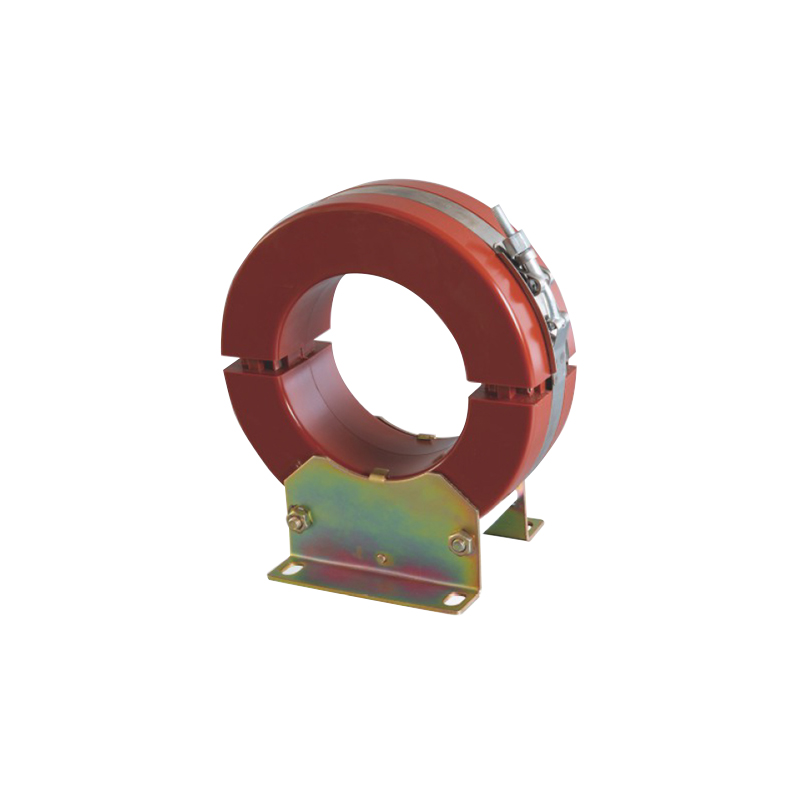
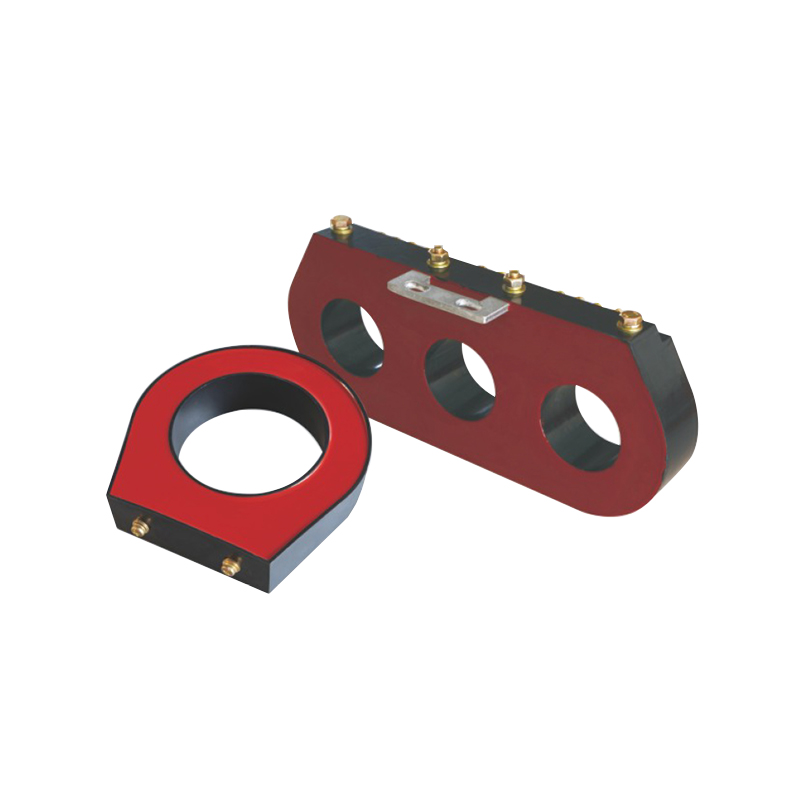
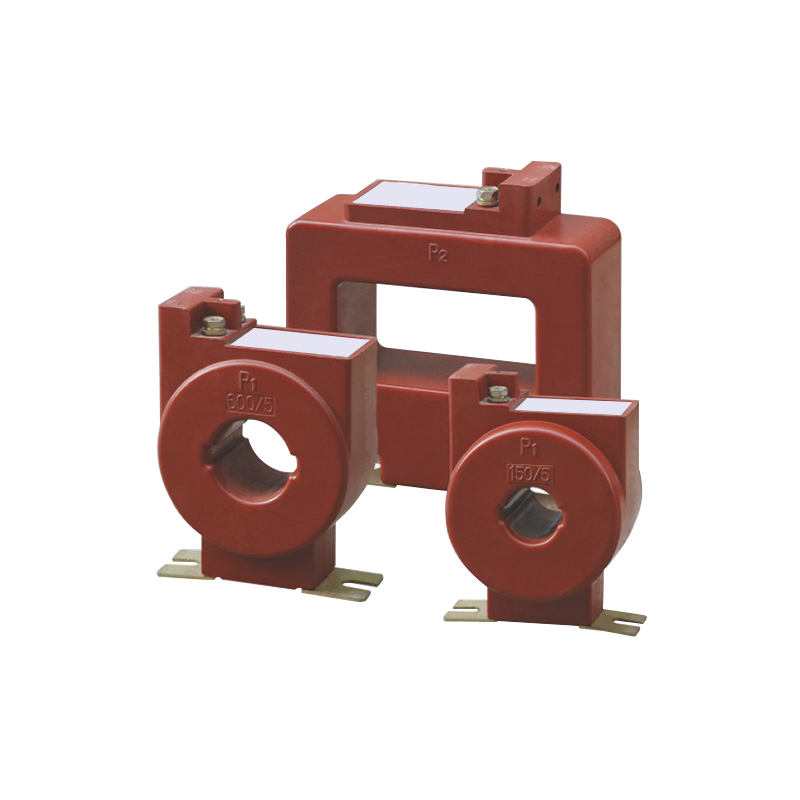
Engineered specifically to survive Indonesia's equatorial climate, high humidity, volcanic soil resistivity, and demanding industrial harmonic environments.
Formulated with hydrophobic aliphatic polyurethane and high-grade epoxy resin that resists constant 95% relative humidity, coastal salt-mist corrosion, and fungal growth common across the Indonesian archipelago.
Ultra-low loss magnetic core materials guarantee stringent billing accuracy and minimal phase angle displacement under fluctuating load profiles, supporting PLN tariff metering and distributed energy resource (DER) monitoring.
High thermal and dynamic short-time current withstand ratings (up to 31.5kA/3s) provide absolute relay protection during transient disturbances, preventing switchgear arc-flash failures in heavy industrial substations.
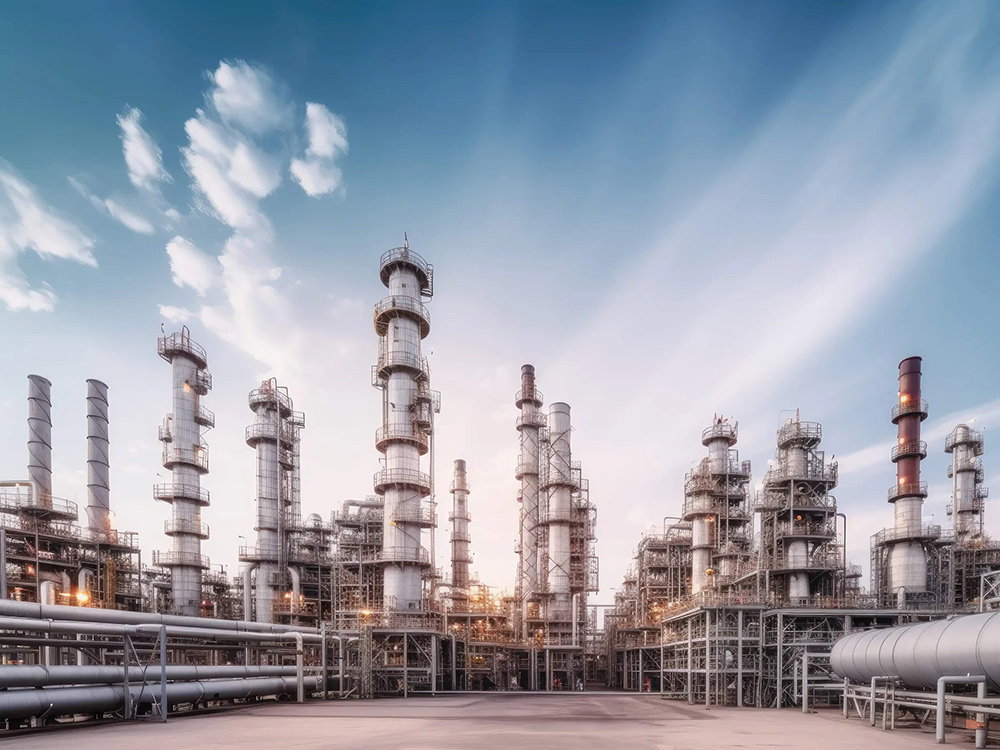
Indonesia, the largest economy in Southeast Asia, is experiencing unprecedented growth in electrical infrastructure driven by the government's RUPTL (Rencana Usaha Penyediaan Tenaga Listrik) plan, rapid industrial decentralization, and ambitious green energy targets. As PT Perusahaan Listrik Negara (PLN) accelerates the modernization of its transmission and distribution networks from North Sumatra to Papua, the demand for precision measuring instruments and protective equipment has never been more critical. Current Transformers (CTs) serve as the indispensable sensory organs of the power grid, converting primary currents ranging from thousands of amperes into standardized, galvanically isolated secondary values (typically 5A or 1A) for revenue meters, microprocessor-based protection relays, and SCADA monitoring terminals.
In modern switchgear assemblies operating at low voltage (400V/690V) and medium voltage (20kV—the standard distribution voltage designated by PLN), reliability is paramount. A malfunction or saturation in an uncertified current transformer can lead to catastrophic relay tripping failures, unmetered revenue losses, or severe explosion hazards inside switchboards. As an experienced exporter and international supplier to Southeast Asian engineering contractors, panel builders, and state energy corporations, Suian Industrial Control delivers high-performance instrument transformers engineered specifically for Indonesia's severe tropical conditions and volatile load demands.
The industrial landscape across Indonesia presents distinctive operational criteria for electrical equipment:
Deploying electrical apparatus across the Indonesian archipelago entails coping with aggressive natural environmental stressors. Ambient temperatures consistently exceed 35°C with relative humidity regularly hovering above 90%, compounded by monsoon rainfall and coastal salt-laden atmospheres. Conventional low-grade casting materials degrade rapidly under such conditions, suffering dielectric breakdown, fungal surface tracking, and insulation failure.
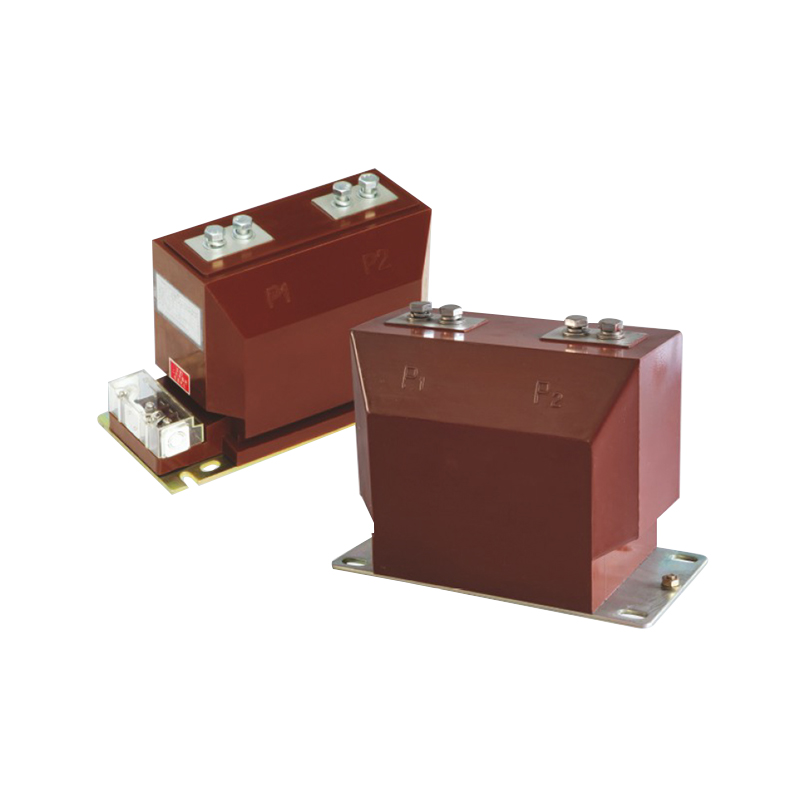
Suian's medium-voltage cast-resin current transformers utilize high-grade cycloaliphatic epoxy resin cured in computerized vacuum casting ovens. This creates a monolithic, void-free dielectric barrier with partial discharge levels well under 10 picoCoulombs (pC) at 1.2 times operating voltage. Furthermore, creepage distances are engineered in excess of 25 mm/kV or 31 mm/kV (Heavy Pollution Level IV according to IEC 60815), mitigating flashover hazards even in coastal port substations such as Tanjung Priok, Tanjung Perak, and Makassar.
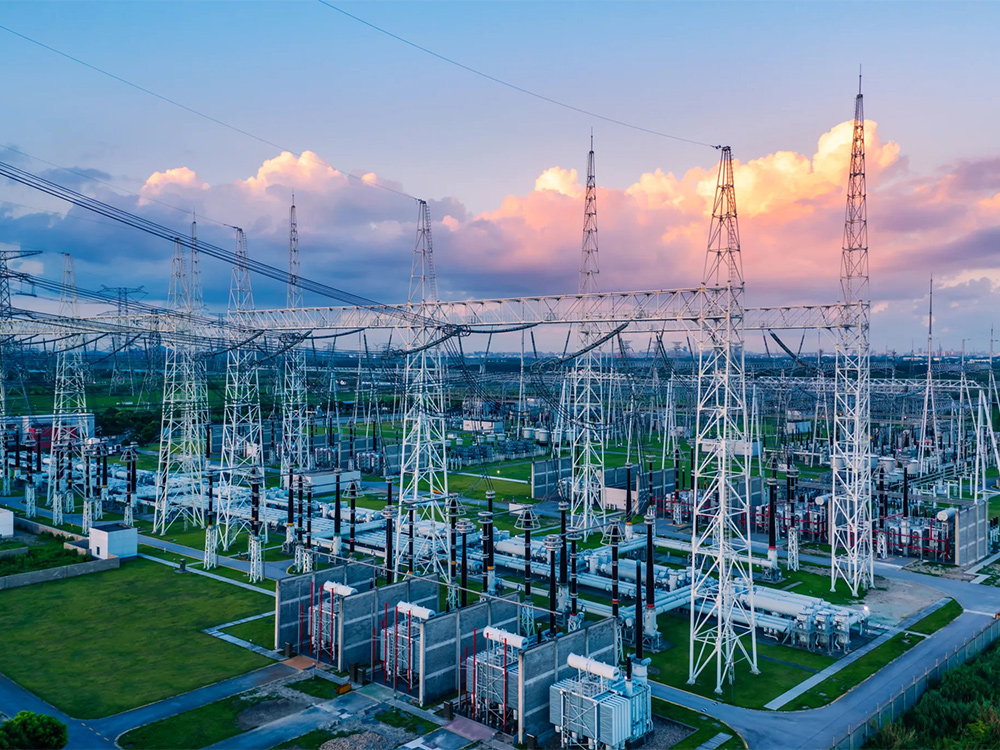
Suian Industrial Control has a rich product line, widely used in various fields such as power control, mechanical operation control, automation control, new energy, robots, and large-scale Indonesian infrastructure.




When designing electrical panels or procuring equipment for projects governed by Indonesian technical specifications (such as SPLN D3.014-1:2009 or IEC 61869-2 standards), electrical consultants and switchgear builders must carefully evaluate several technical parameters:
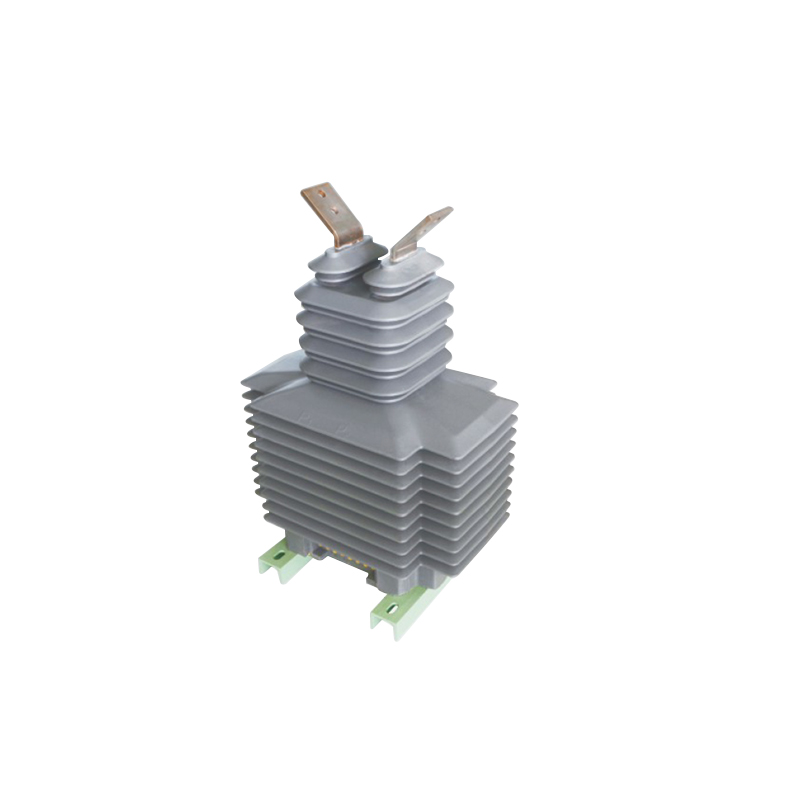
Indonesia's primary distribution backbone utilizes a three-phase three-wire or four-wire system rated at nominal 20 kV line-to-line voltage, with maximum operating voltage reaching 24 kV. Instrument transformers designated for these systems (such as the LZZBJ9-10 and LZZBJ71-35 series) must deliver a rated power-frequency withstand voltage of at least 50 kV (1 minute dry) and a rated lightning impulse withstand voltage (BIL) of 125 kV peak. This margin is essential due to frequent equatorial lightning activity across the volcanic arcs of Java and Sumatra.
Modern switchboards require dual or triple core current transformers to satisfy conflicting electrical requirements:
In mid-voltage cable circuits and industrial motor feeds, single-phase-to-ground faults represent the vast majority of initial insulation failures. Standard three-phase CT residual connections often lack the low-amperage resolution necessary to detect high-impedance ground faults. The Suian LXK series circular window zero-sequence CTs surround all three phases of the XLPE insulated cable simultaneously. With flux-balanced toroidal geometry, they detect tiny zero-sequence leakage currents (from 0.5A upward), delivering reliable trip signals to directional earth fault relays before catastrophic phase-to-phase arcing can ignite cable trays.
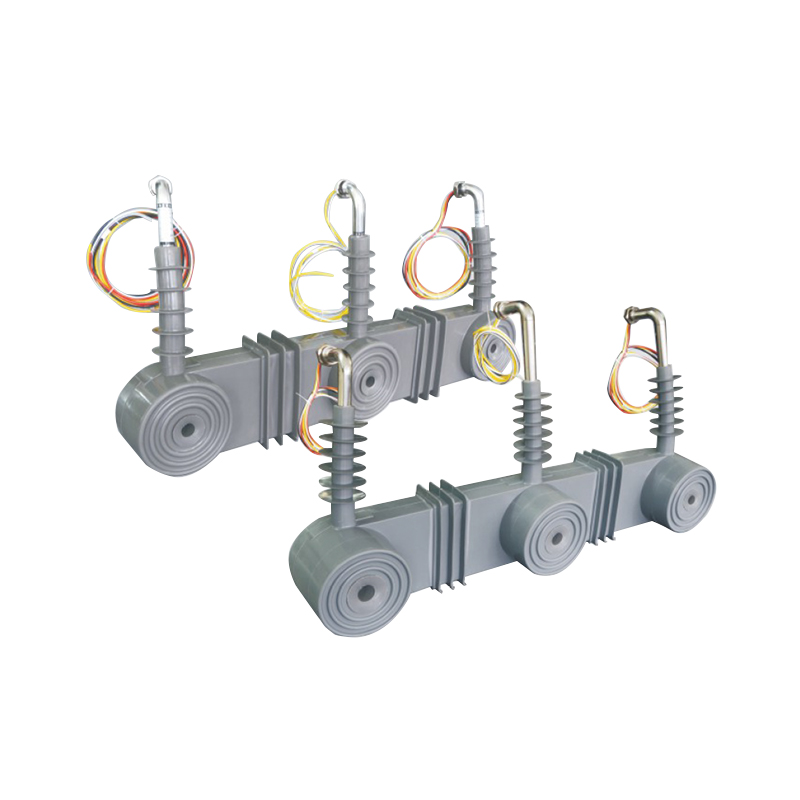
As PLN deploys smart automated pole-mounted switches (reclosers and load break switches / LBS) under distribution automation system (DAS) initiatives, compact integrated devices like the LJ-ZW20 series and integrated voltage-current combination sensors combine current measurement, zero-sequence current detection, and capacitive voltage sensing into a single space-saving casting. These units interface directly with Feeder Terminal Units (FTUs) to support automated fault detection, isolation, and service restoration (FDIR) across expansive rural grids.
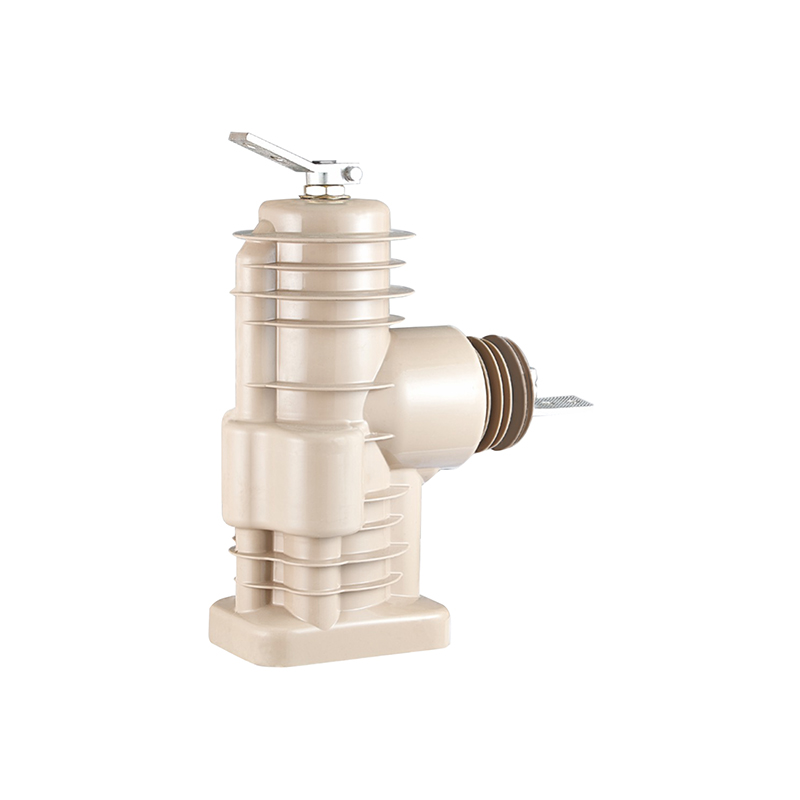
Explore our full line of low voltage, medium voltage, zero-sequence, outdoor post type, and smart sensor instrument transformers available for export and bulk delivery to Indonesian ports.
Key technical and logistics guidance for electrical switchboard manufacturers, PLN contractors, and industrial purchasing agents.
Yes. All our medium-voltage and low-voltage current transformers are manufactured in strict conformance with IEC 61869-1, IEC 61869-2 (superseding IEC 60044-1), and align seamlessly with SPLN engineering parameters for 20kV distribution switchgear. Complete routine and type test certificates (including lightning impulse withstand, partial discharge, temperature rise, and accuracy error curves) are provided with every shipment.
We regularly dispatch consolidated and full-container shipments to major Indonesian ports including Tanjung Priok (Jakarta), Tanjung Perak (Surabaya), and Belawan (Medan). We supply Form E (ASEAN-China Free Trade Certificate of Origin) for preferential import duty exemptions, along with commercial invoices, certified packing lists, test reports, and mill certificates for smooth Bea Cukai (Customs) clearance.
Absolutely. We specialize in custom OEM engineering for legacy switchboards. Whether your retrofit requires secondary taps (e.g., 200-400-800/5A), dual secondary windings (0.2S for revenue metering + 5P20 for differential/distance protection), or non-standard mounting footprint dimensions for air-insulated switchgear (AIS), our technical team provides rapid 3D CAD modeling and prototype manufacturing.
Our epoxy resins incorporate hydrophobic filler materials that prevent surface moisture films from conducting leakage currents. The cast surface exhibits high comparative tracking index (CTI ≥ 600V), meeting high-voltage class F insulation requirements. For outdoor post-type units (e.g., LZZBJ71-35), deep shed aerodynamic profiles maximize leakage distance and enable natural rain self-cleaning of airborne salt and industrial particulate deposits.