
Leave Your Message
From primary-secondary fusion units to high-precision outdoor models, our CT portfolio is field-proven in large-scale wind farm deployments across multiple voltage levels.
As the global energy transition accelerates, wind power has emerged as one of the fastest-growing sources of electricity generation. According to the Global Wind Energy Council (GWEC), cumulative installed wind capacity surpassed 1,000 GW worldwide in 2023, with new installations expected to exceed 680 GW through 2028. Behind every megawatt of clean energy generated by a wind turbine lies an intricate electrical infrastructure — and at the heart of that infrastructure sit current transformers (CTs).
Current transformers are indispensable components in wind farm electrical systems. They step down high primary currents to measurable secondary values, enabling protection relays, energy meters, and SCADA systems to monitor and safeguard the grid connection. In a wind farm environment — characterized by fluctuating power output, wide load variation, remote siting, and extreme weather — the performance demands placed on CTs far exceed those of conventional industrial applications.
Wind turbines generate power intermittently — output can swing from near-zero to full rated capacity within minutes. CTs deployed in wind farm collector systems must maintain accuracy class performance across a wide dynamic range, typically from 5% to 120% of rated current, to ensure reliable metering and fault protection at all operating conditions.
The market for current transformers in renewable energy — and wind farms specifically — is experiencing robust expansion. Driven by government-mandated renewable portfolio standards, falling turbine costs, and growing corporate demand for green power, wind farm construction pipelines are full globally. This translates directly into procurement volumes for electrical protection and metering equipment, including CTs.
In China alone, the world's largest wind market, annual new installed capacity reached 75.9 GW in 2023, pushing cumulative capacity to over 440 GW. Each grid-connected wind turbine requires multiple CTs — within the nacelle, at the turbine step-up transformer, in the 35kV collector cable circuits, and at the 110/220kV grid substation. A 300 MW onshore wind farm may require well over 500 individual CT units across its entire electrical infrastructure.
Commercially, wind farm developers and EPC contractors increasingly demand CTs that are not just compliant with IEC 61869 or GB standards, but that also offer extended operational lifespans (25+ years), low maintenance requirements, and compatibility with digital substation architectures. Chinese manufacturers, particularly those based in Liushi — China's acknowledged electrical manufacturing capital — have built world-class capabilities to meet these demands at competitive price points.
Wind farm electrical engineers specify CTs based on a unique combination of electrical, environmental, and system integration requirements:
Current transformers serve distinct functions at every node of a wind farm's electrical architecture. Understanding each deployment scenario is essential for correct specification.
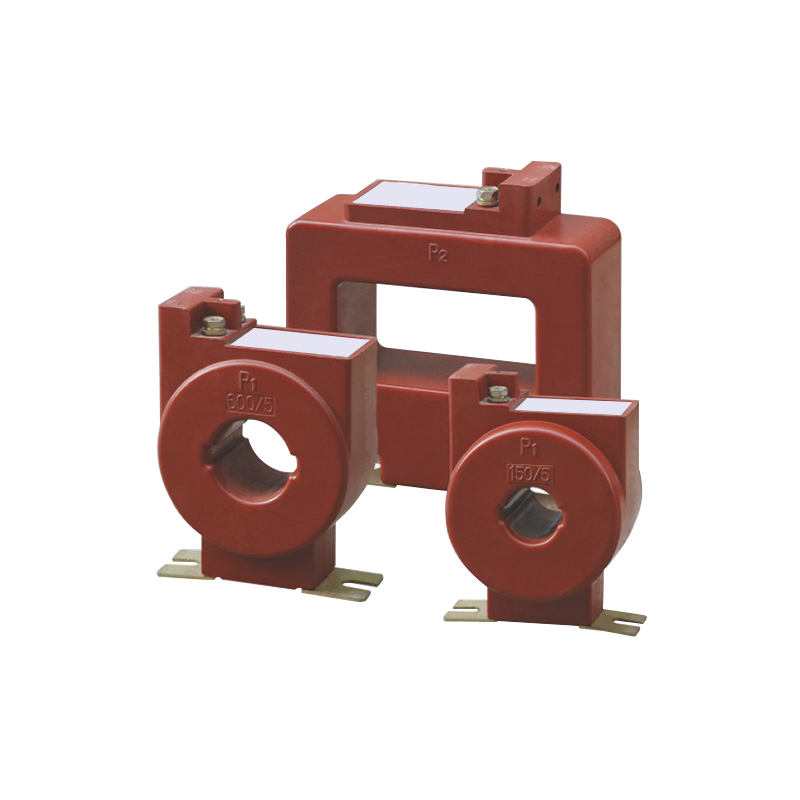
At the low-voltage (690V) output of each wind turbine generator, compact busbar-type CTs — such as LMZ series — measure current for the turbine controller's protection functions including overcurrent, ground fault, and anti-islanding detection. These must handle high inrush currents during turbine startup and provide accurate metering for individual turbine energy accounting.
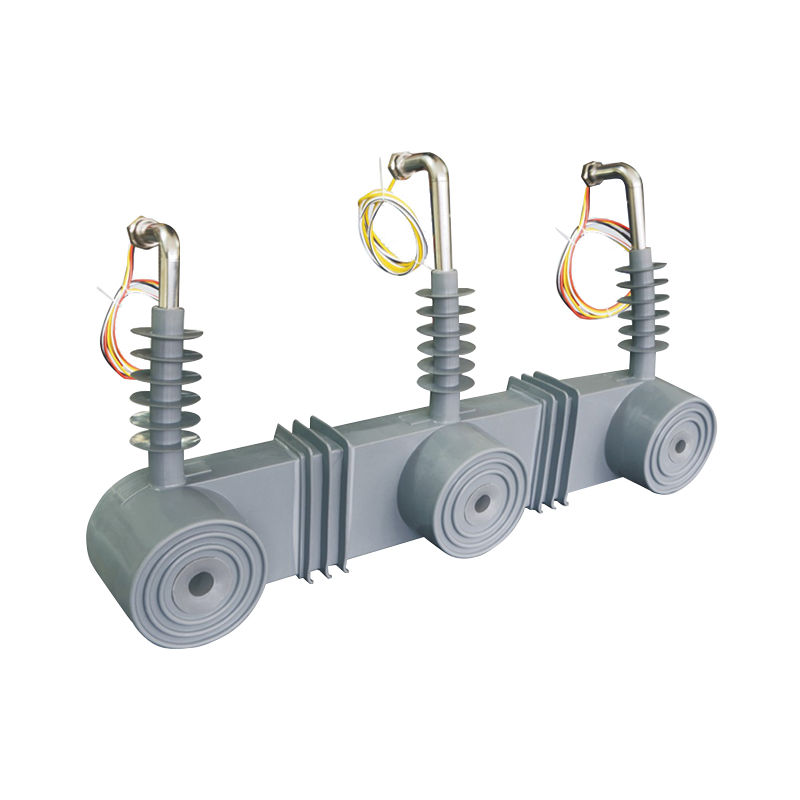
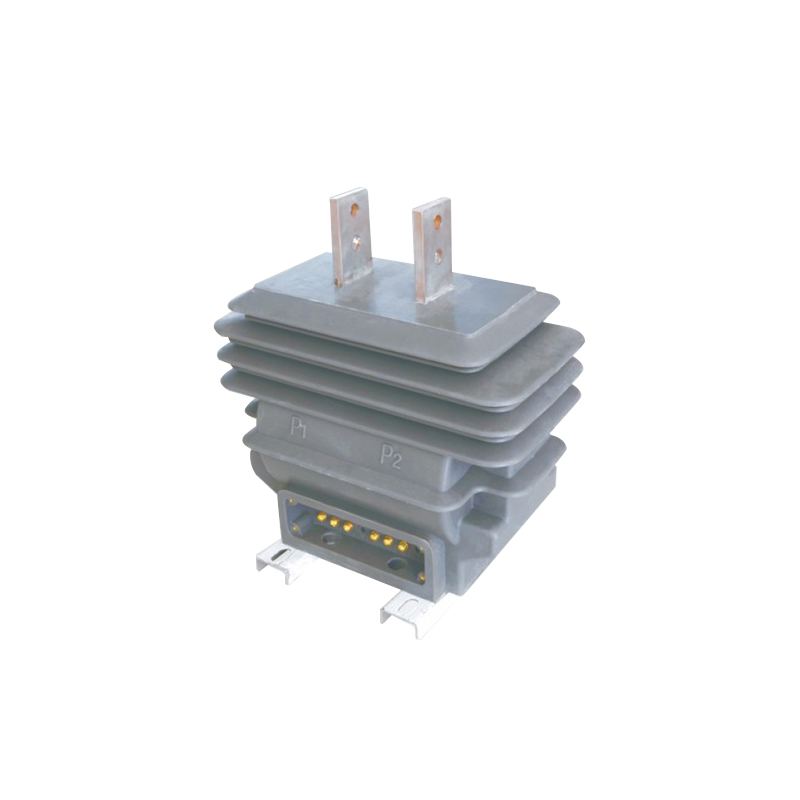
Each turbine's step-up transformer (typically 690V/35kV) is protected by CTs on both primary and secondary sides. The 35kV secondary CTs must combine Class 0.5S metering accuracy with Class 5P20 protection performance, mounted in compact switchgear housings suitable for pad-mount transformer enclosures. The LZZBJ series outdoor CTs are ideally suited to this demanding application.
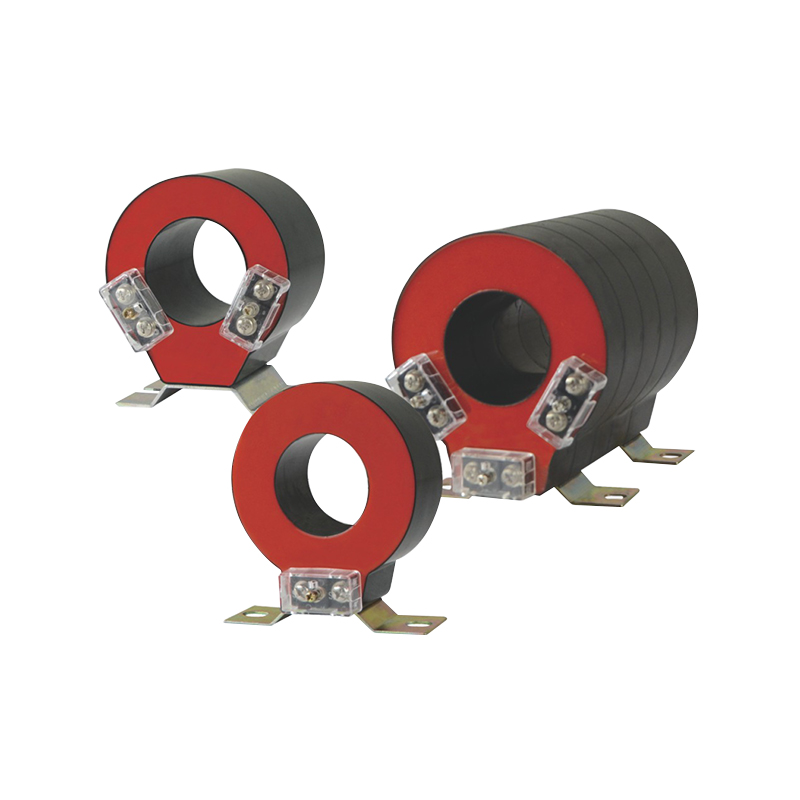
Wind farm collector systems aggregate power from multiple turbines via underground or overhead 35kV radial or ring feeders. CTs at each feeder point — typically installed in ring network cabinets (RMUs) — must deliver reliable protection and metering even under unbalanced loading conditions common in collector networks. Ring network cabinet CTs with compact dimensions and high short-time current withstand are the standard solution.
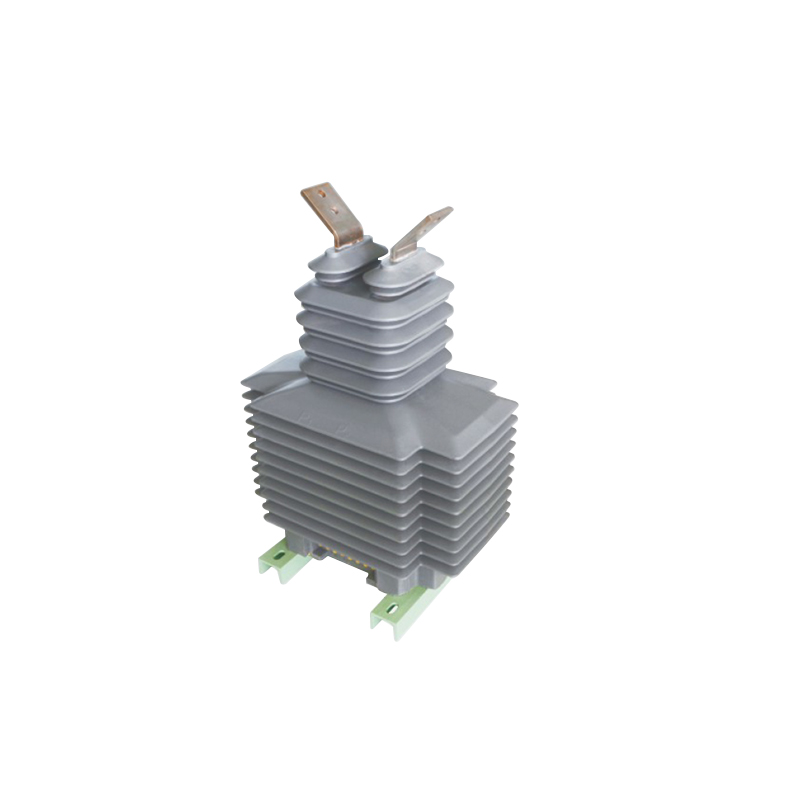
Offshore wind projects feature high-voltage offshore substations that step up collector voltage to 110–220kV for export cables to shore. CTs in these applications face severe marine environments — salt spray, high humidity, and temperature extremes. LZZBW outdoor CTs with enhanced anti-corrosion treatment and superior pollution-class insulators are the specification of choice for offshore substation platforms.
The onshore 110/220kV grid connection substation integrates wind farm output into the transmission network. High-accuracy, high-burden CTs at this level serve both protection relay panels and utility metering points. These CTs must comply with national or regional grid codes — in China, this means GB/T 1208 compliance with Class 0.2S accuracy for trade metering and TPY class for bus protection schemes.
Modern wind farms deploy centralized SCADA systems that rely on real-time current data from hundreds of CT points. High-precision CTs with stable secondary output feed into IEDs (Intelligent Electronic Devices) that relay measurements to the SCADA server. Primary-secondary fusion CTs — which integrate the current sensor and data acquisition module in one unit — are increasingly deployed to reduce wiring complexity and improve data accuracy across the entire farm network.
The shift toward IEC 61850 digital substations is driving demand for electronic current transformers and low-power instrument transformers (LPITs). These devices output digital signals directly, eliminating traditional copper wiring and enabling plug-and-play integration with digital protection IEDs and smart meters.
Offshore wind capacity is forecast to grow tenfold by 2030. This drives demand for marine-grade CTs with IP68 ratings, cathodic protection compatibility, and certified performance under IEC 60529 salt-fog and damp-heat test regimes. Suppliers capable of certifying to DNV or Bureau Veritas marine standards gain a significant competitive edge.
Co-locating battery energy storage systems (BESS) with wind farms introduces bidirectional power flows that traditional CTs were not designed to measure accurately. Next-generation CTs for hybrid wind+storage sites must handle four-quadrant operation, with accurate measurement in both generation and charging modes — a key differentiator for advanced metering infrastructure.
Primary-secondary fusion apparatus — integrating the CT, voltage transformer, protection relay, and communication module in one compact unit — is transforming wind farm switchgear procurement. These fusion devices reduce installation time, minimize connection points (and therefore failure modes), and simplify maintenance — driving rapid adoption in new-build wind projects across China and emerging markets.
Wind energy development across South & Southeast Asia, Africa, and the Middle East — often financed and built under China's Belt and Road Initiative — creates large export volumes for Chinese CT manufacturers. Compliance with both IEC and local grid codes, combined with competitive pricing from Liushi's industrial cluster, positions Chinese suppliers as natural partners for BRI wind projects.
As wind turbine nacelles and offshore substation platforms become space-constrained, demand grows for compact, modular CT designs that reduce footprint without compromising electrical performance. Resin-cast and SF₆-free gas-insulated CT technologies are enabling miniaturization at medium-voltage levels, opening new design possibilities for future wind farm switchgear.
Yueqing Suian Electric Co., Ltd. is a wholly state-owned trading company controlled by Yueqing Liushi Urban and Rural Construction Investment Co., Ltd., with a registered capital of 10 million yuan. It has been deeply involved in the field of electrical product trading. With its solid state-owned background, rich experience in serving central enterprises, and the leading electrical industry ecosystem and location empowerment in China, it is committed to pioneering a new pattern of global electrical trade with the responsibility of a state-owned enterprise, becoming a core partner of the electrical supply chain trusted by global customers, and providing high-standard and reliable electrical products and solutions for overseas markets.
Liushi Town, known as "Zhejiang's No. 1 Industrial Strong Town," achieved a total industrial output value of 106.76 billion yuan in 2024, exceeding 100 billion yuan for two consecutive years and firmly ranking first in Zhejiang Province among the top 1,000 towns in China in terms of comprehensive strength. As a wholly state-owned enterprise, the company, backed by the state-owned capital of the Liushi Town Government, naturally possesses core advantages such as strong financial strength, compliant operation, and strong risk resistance.
The company has accumulated extensive cooperative experience in the domestic market, successfully serving numerous leading central enterprises, including China Construction Eighth Engineering Bureau, China Construction Science & Industry Group Co., Ltd., China Construction Second Engineering Bureau, and Sinopec. Based in Liushi, Yueqing, known as the "Electrical Capital of China" and the "Export Base of Low-Voltage Electrical Appliances in China," the company focuses on core trade in the electrical field, mainly dealing in over 200 series and 25,000 models of products.
Adhering to the core principles of "integrity as the foundation, compliance as the basis, and win-win cooperation as the way," Yueqing Sui'an Electric Co., Ltd. builds a solid foundation for cooperation with the credibility of a state-owned enterprise, ensures product quality with the service experience of a central enterprise, empowers global competitiveness with the advantages of industrial clusters, and connects overseas markets with professional services.





Backed by government capital support from Liushi Town People's Government, we possess robust financial strength, standardized compliant operations, and strong risk resilience capabilities that ensure business stability and reliability.

Extensive collaboration with industry-leading central state-owned enterprises including China Construction Eighth Engineering Division, China State Construction Engineering Corporation, and Sinopec, demonstrating our capability to meet the most stringent quality standards.
Direct access to over 25,000 product models across 200+ series through our strategic position in China's electrical industry hub, ensuring diverse product selection, competitive pricing, and reliable supply continuity.

Products and services meet international standards and certifications, making us ideally positioned for Belt and Road Initiative projects and overseas infrastructure development requiring reliable electrical solutions.
Get expert product recommendations, technical specifications, and competitive quotes for your onshore or offshore wind energy project — backed by China's leading state-owned electrical trading platform.
Request a QuoteBrowse our comprehensive selection of outdoor, indoor, and fusion-type instrument transformers engineered for wind farm and renewable energy grid integration.