
Leave Your Message
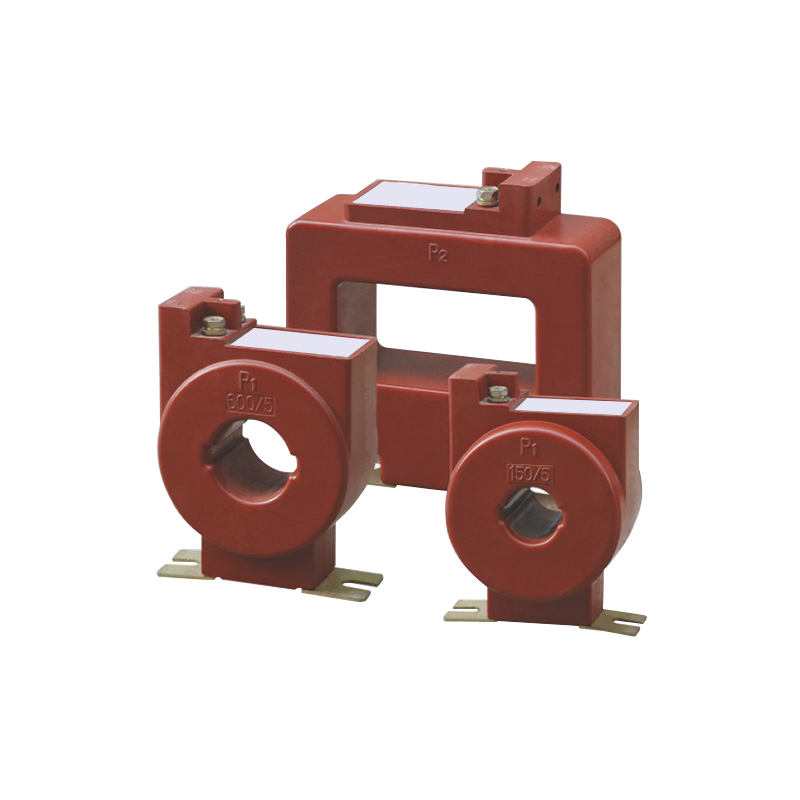
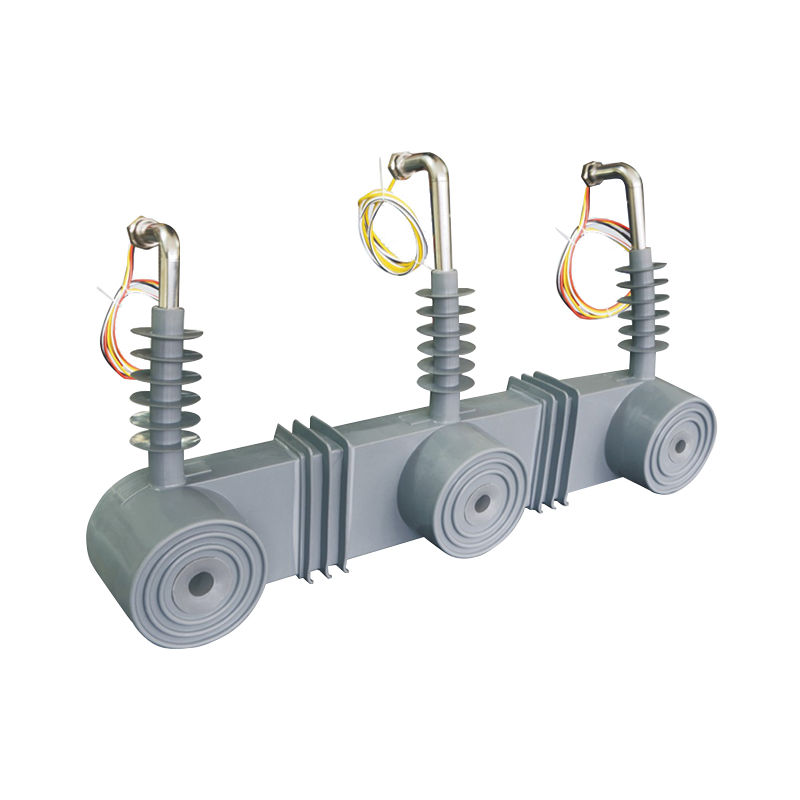
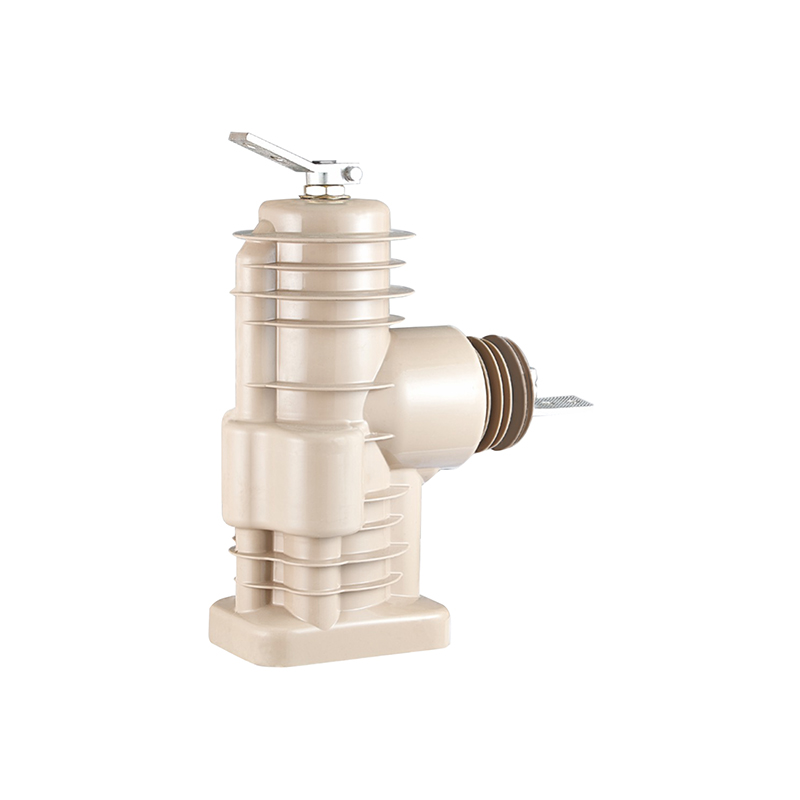
Current transformers (CTs) play a critical role in modern power generation systems, particularly when stepping up generator voltage for transmission and distribution. These precision instruments provide accurate current measurements while maintaining electrical isolation, ensuring safe and efficient operation of power systems across industrial and commercial applications worldwide.
In generator voltage stepping applications, current transformers serve as the essential link between high-voltage power generation equipment and protective relay systems, metering devices, and control circuits. By accurately scaling down high current levels to manageable values, CTs enable precise monitoring and control of electrical systems without exposing measurement equipment or personnel to dangerous voltage levels.
When generators produce electrical power, the voltage must often be stepped up through transformers to reduce transmission losses over long distances. During this process, current transformers provide essential measurement and protection functions that ensure system reliability and safety. The integration of CTs with step-up transformers creates a comprehensive monitoring system that protects both the generation equipment and the distribution network.
The global market for current transformers in power generation applications has experienced significant growth, driven by increasing energy demands, renewable energy integration, and grid modernization initiatives. The market is projected to reach $3.2 billion by 2028, with a compound annual growth rate (CAGR) of 6.8% from 2023 to 2028.
Coal, natural gas, and nuclear power plants require robust CT solutions for large-scale generator voltage stepping applications, with typical ratings ranging from 10kV to 500kV transmission levels.
Wind farms, solar power plants, and hydroelectric facilities demand specialized current transformers that can handle variable load conditions and rapid power fluctuations inherent to renewable sources.
Industrial cogeneration facilities, backup generator systems, and microgrid applications require compact, accurate CT solutions for voltage stepping and power quality management.
The current transformer industry is experiencing rapid technological evolution, driven by digitalization, smart grid requirements, and the transition to sustainable energy systems. Several key trends are reshaping the application of CTs in generator voltage stepping:
Digital Current Transformers: The transition from traditional analog CTs to digital solutions is accelerating. Digital CTs offer enhanced accuracy, reduced maintenance requirements, and seamless integration with modern SCADA systems. These devices utilize optical sensing technology and digital signal processing to provide real-time current measurements with accuracy classes reaching 0.1% or better.
IoT Integration and Predictive Maintenance: Modern current transformers increasingly incorporate IoT connectivity, enabling continuous condition monitoring and predictive maintenance capabilities. Sensors monitor temperature, vibration, and insulation resistance, providing early warning of potential failures before they impact system operation. This proactive approach reduces unplanned downtime and extends equipment lifespan.
Compact and Eco-Friendly Designs: Environmental regulations and space constraints are driving the development of compact CT designs using advanced materials and insulation systems. Gas-insulated current transformers (GIS-CT) and dry-type designs eliminate the need for oil insulation, reducing environmental risks and maintenance requirements while achieving smaller footprints.
Next-generation CTs feature IEC 61850 communication protocols, enabling seamless integration with digital substations and smart grid infrastructure. This standardization facilitates interoperability between equipment from different manufacturers and supports advanced grid management functions.
Advanced CT designs now offer extended measurement ranges, accurately measuring both normal operating currents and fault currents up to 100 times rated values. This capability eliminates the need for separate metering and protection CTs, reducing system complexity and cost.
Current transformers for generator voltage stepping applications serve diverse scenarios across the power generation landscape. Understanding these specific applications helps optimize CT selection and system design:
Large-Scale Thermal Power Plants: In conventional thermal power stations, generators typically produce power at 11kV to 25kV, which must be stepped up to transmission voltages of 132kV, 220kV, or higher. Current transformers installed at the generator terminals and on the high-voltage side of step-up transformers provide comprehensive monitoring of power flow. These installations typically employ multiple CT cores within a single housing—one for metering, one for protection, and additional cores for differential protection schemes.
Wind Farm Collector Systems: Modern wind farms present unique challenges for current transformer applications. Individual wind turbines generate power at 690V or 3.3kV, which is collected and stepped up through multiple transformer stages to reach transmission voltage. CTs must accurately measure currents under highly variable conditions, including rapid power fluctuations, harmonic distortion from power electronic converters, and potential DC components. Specialized wide-bandwidth CTs with enhanced harmonic measurement capabilities are essential for these applications.
Large-scale photovoltaic installations utilize multiple inverters feeding into a common collection system before voltage stepping. Current transformers in these applications must handle:
Industrial Cogeneration Facilities: Manufacturing plants and process industries often operate cogeneration systems where steam or gas turbines drive generators that supply facility power needs while excess generation is exported to the grid. Current transformers in these applications monitor power flow in both directions, support synchronization with the utility grid, and provide protection coordination between the facility's electrical system and the external network. The CTs must maintain accuracy across a wide load range, from minimal house loads to full export capacity.
Hydroelectric Power Stations: Hydroelectric generators present specific challenges due to their low-speed operation and resulting electrical characteristics. The generators typically produce power at 6.6kV to 18kV with high current levels. Step-up transformers increase voltage to transmission levels while current transformers provide monitoring and protection. In these applications, CTs must accurately measure under conditions of variable frequency during startup and shutdown, handle high inrush currents during synchronization, and maintain accuracy across seasonal load variations.
Selecting appropriate current transformers for generator voltage stepping applications requires careful consideration of multiple technical parameters:
Accuracy Class and Burden: Metering applications typically require accuracy class 0.2S or 0.5S to meet revenue metering standards, while protection applications use classes 5P or 10P. The burden—the load presented by connected instruments and wiring—must be carefully calculated to ensure the CT operates within its accuracy limits. Modern digital protective relays present minimal burden, but legacy electromechanical meters and long cable runs can significantly impact accuracy.
Rated Primary Current: The CT's rated primary current should align with the maximum continuous operating current of the generator or transformer being monitored. For generator applications, this typically ranges from 1000A to 20,000A. Proper selection ensures optimal accuracy at normal operating currents while providing adequate margin for overload conditions.
The CT's insulation must withstand the system voltage plus appropriate safety margins. For step-up transformer applications, CTs on the high-voltage side require insulation ratings matching the transmission voltage, typically specified in terms of power frequency withstand voltage and lightning impulse withstand voltage.
Current transformers must withstand both continuous thermal loading at rated current and short-time thermal loading during fault conditions. The thermal rating factor (typically 1.2 to 1.5) defines the continuous overload capability, while the short-time thermal current rating specifies fault current withstand capability for one or three seconds.
Saturation Characteristics: During fault conditions, the CT core may saturate if the fault current exceeds the instrument security factor (ISF) or accuracy limit factor (ALF). Proper specification of these parameters ensures protective relays receive accurate current information during faults, enabling correct operation of protection schemes. For differential protection applications, CTs must be carefully matched to prevent false tripping due to saturation-induced current mismatches.
Proper installation and commissioning of current transformers in generator voltage stepping applications is critical for long-term reliability and accuracy:
Physical Installation: Current transformers must be securely mounted with adequate clearances to adjacent equipment and structures. In outdoor installations, consideration must be given to environmental factors including temperature extremes, humidity, pollution levels, and seismic requirements. The CT orientation should facilitate proper drainage of any condensation and allow for visual inspection of key components.
Secondary Wiring: CT secondary circuits must never be open-circuited while primary current flows, as this creates dangerous high voltages and can damage the CT core. Secondary wiring should be sized to minimize burden, with typical recommendations of 2.5mm² or larger copper conductors. All connections must be tight and corrosion-resistant, with proper grounding at a single point to prevent ground loops.
Current transformers in generator applications require minimal maintenance but benefit from periodic inspection and testing to ensure continued accuracy and reliability:
Routine Inspections: Visual inspections should check for signs of overheating, oil leakage (in oil-filled designs), physical damage, and secure mounting. Infrared thermography can identify hot spots indicating poor connections or excessive loading. These inspections are typically performed annually or during scheduled generator outages.
Periodic Testing: Accuracy testing should be performed at intervals determined by the application criticality and regulatory requirements. Revenue metering CTs may require testing every 5-10 years, while protection CTs can often operate for 15-20 years between tests. Advanced diagnostic techniques including frequency response analysis can assess core condition without removing the CT from service.
Predictive Maintenance: Modern monitoring systems continuously track CT performance parameters, identifying degradation trends before they impact operation. Key indicators include increased excitation current, changes in ratio accuracy, and temperature trends. This data-driven approach optimizes maintenance intervals and prevents unexpected failures.
The future of current transformers in generator voltage stepping applications will be shaped by several transformative trends:
Artificial Intelligence Integration: AI algorithms will analyze CT data patterns to optimize generator performance, predict equipment failures, and automatically adjust protection settings for changing system conditions. Machine learning models will continuously refine accuracy corrections and identify anomalous behavior indicating potential problems.
Quantum Sensing Technology: Research into quantum current sensors promises revolutionary improvements in accuracy, bandwidth, and immunity to electromagnetic interference. While still in development, these technologies could eventually replace conventional CT designs in demanding applications.
Wireless Power Transfer: Emerging wireless power transfer technologies for CT secondary circuits will eliminate the need for physical wiring, reducing installation costs and improving system flexibility. Energy harvesting from the measured current will power intelligent CT electronics without external power supplies.
Distributed ledger technology will provide tamper-proof recording of energy generation data from CT measurements, supporting peer-to-peer energy trading and transparent renewable energy certification.
Nanocrystalline and amorphous metal cores will enable smaller, more accurate CTs with improved linearity and reduced losses, supporting the trend toward compact, efficient power generation equipment.
As CTs become increasingly connected, robust cybersecurity measures will be essential to protect critical infrastructure from cyber threats while maintaining system reliability and data integrity.
The evolution of current transformers for generator voltage stepping applications reflects the broader transformation of the power generation industry. As renewable energy integration accelerates, grid infrastructure modernizes, and digitalization advances, CTs will continue to play an indispensable role in ensuring safe, reliable, and efficient power generation and transmission. Organizations that stay abreast of these technological developments and select appropriate CT solutions will be well-positioned to optimize their power generation operations for decades to come.
Yueqing Suian Electric Co., Ltd. is a wholly state-owned trading company controlled by Yueqing Liushi Urban and Rural Construction Investment Co., Ltd., with a registered capital of 10 million yuan. It has been deeply involved in the field of electrical product trading. With its solid state-owned background, rich experience in serving central enterprises, and the leading electrical industry ecosystem and location empowerment in China, it is committed to pioneering a new pattern of global electrical trade with the responsibility of a state-owned enterprise, becoming a core partner of the electrical supply chain trusted by global customers, and providing high-standard and reliable electrical products and solutions for overseas markets.
Liushi Town, known as "Zhejiang's No. 1 Industrial Strong Town," achieved a total industrial output value of 106.76 billion yuan in 2024, exceeding 100 billion yuan for two consecutive years and firmly ranking first in Zhejiang Province among the top 1,000 towns in China in terms of comprehensive strength. As a wholly state-owned enterprise, the company, backed by the state-owned capital of the Liushi Town Government, naturally possesses core advantages such as strong financial strength, compliant operation, and strong risk resistance. The company has accumulated extensive cooperative experience in the domestic market, successfully serving numerous leading central enterprises, including China Construction Eighth Engineering Bureau, China Construction Science & Industry Group Co., Ltd., China Construction Second Engineering Bureau, and Sinopec. It has accumulated rich project experience in infrastructure engineering, energy and power, and other fields. Its products and services have passed the stringent standards of central enterprises and possess mature capabilities suitable for large-scale projects and complex scenarios.
Based in Liushi, Yueqing, known as the "Electrical Capital of China" and the "Export Base of Low-Voltage Electrical Appliances in China," the company focuses on core trade in the electrical field. Boasting unparalleled supply chain advantages, it mainly deals in over 200 series and 25,000 models of products, including transformers, high and low voltage electrical equipment, complete sets of electrical equipment, wires and cables, and new energy electrical products. Leveraging state-owned platform resources, the company ensures product quality and supply stability while achieving high cost-effectiveness through the scale effect of industrial clusters, providing diversified product choices for overseas customers. Deeply integrated into the "Belt and Road" initiative, the company excels in connecting with major overseas infrastructure and energy projects, and can provide supporting services for electrical products that meet international standards.
Adhering to the core principles of "integrity as the foundation, compliance as the basis, and win-win cooperation as the way," Yueqing Sui'an Electric Co., Ltd. builds a solid foundation for cooperation with the credibility of a state-owned enterprise, ensures product quality with the service experience of a central enterprise, empowers global competitiveness with the advantages of industrial clusters, and connects overseas markets with professional services. Leveraging the "Electrical+" strategy of Liushi Town and the benefits of six emerging industrial parks, the company collaborates with global partners to build an international trade network, empowering the development of the global electrical industry with the quality of a state-owned enterprise, and is committed to becoming a trustworthy international electrical trading partner.
Yueqing Suian Electric Co., Ltd.