Leave Your Message
In today's increasingly complex industrial and commercial environments, the demand for safe, reliable, and fire-resistant electrical distribution systems has never been more critical. Distribution substations designed specifically for fire-sensitive indoor dry-type installations represent a sophisticated evolution in electrical infrastructure, combining advanced engineering principles with stringent safety protocols to protect both personnel and valuable assets.
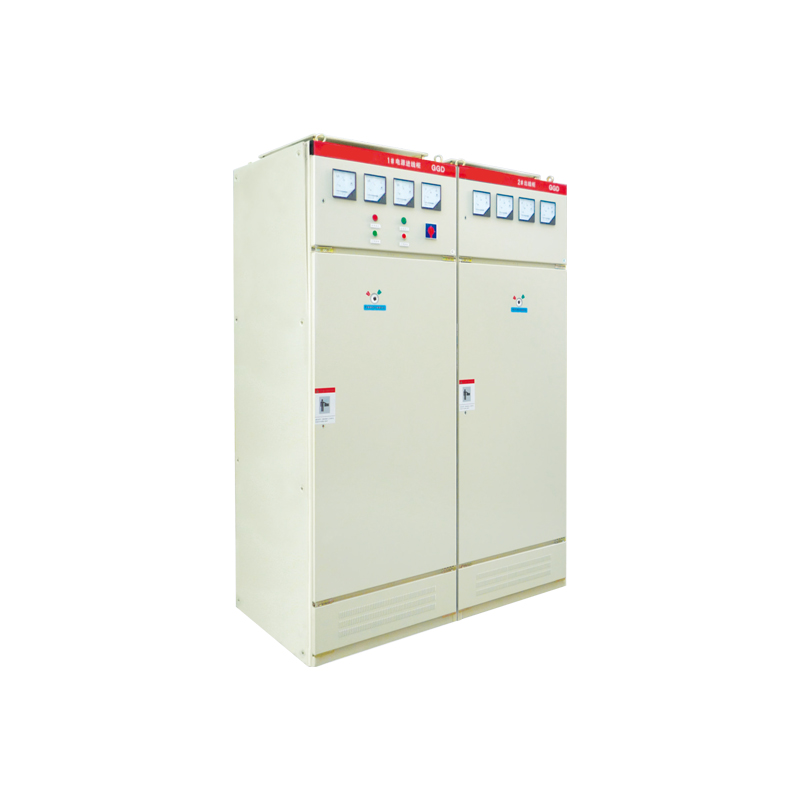
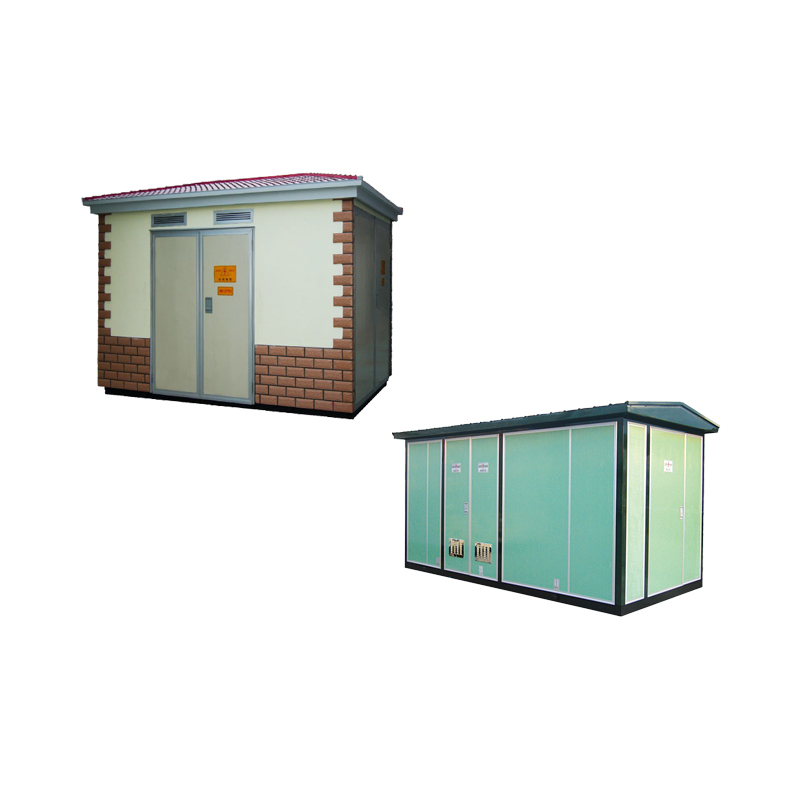
Fire-sensitive indoor dry-type distribution substations are specialized electrical systems engineered to operate in environments where the risk of fire poses significant threats to operations, property, and human safety. Unlike traditional oil-filled transformers that present inherent fire hazards due to flammable insulating oils, dry-type installations utilize solid insulation materials and air cooling, dramatically reducing fire risks while maintaining exceptional electrical performance.
Dry-type distribution substations eliminate the use of flammable insulating fluids, reducing fire risk by up to 95% compared to traditional oil-filled systems, making them ideal for hospitals, data centers, high-rise buildings, and other critical facilities.
The global market for fire-safe electrical distribution systems has experienced remarkable growth, with the dry-type transformer segment alone projected to reach $8.2 billion by 2028, growing at a CAGR of 6.8%. This expansion is driven by increasingly stringent building codes, heightened awareness of fire safety, and the proliferation of mission-critical facilities that cannot tolerate downtime or fire-related incidents.
Hospitals and medical centers require uninterrupted power with zero fire risk. Dry-type substations ensure patient safety while powering life-critical equipment, operating rooms, and emergency systems.
With millions in equipment and irreplaceable data at stake, data centers demand fire-safe power distribution that maintains 99.999% uptime while protecting against thermal incidents.
Modern skyscrapers incorporate dry-type substations on multiple floors, eliminating fire hazards while distributing power efficiently throughout vertical infrastructure.
Industrial facilities handling flammable materials or operating in explosive atmospheres rely on dry-type systems to prevent ignition sources and ensure continuous production.
Schools and universities prioritize student safety with fire-resistant electrical systems that meet strict educational facility codes and regulations.
Shopping malls and retail complexes protect high foot traffic areas with fire-safe distribution systems that ensure public safety and business continuity.
Modern fire-sensitive indoor dry-type distribution substations incorporate numerous advanced technologies that enhance both safety and performance. The insulation systems utilize Class F or Class H materials capable of withstanding temperatures up to 155°C or 180°C respectively, providing substantial thermal margins that prevent degradation and extend equipment lifespan.
Enclosure design plays a crucial role in fire safety. Contemporary substations feature IP54 or higher ingress protection ratings, preventing dust accumulation and moisture ingress that could compromise insulation integrity. Many installations now incorporate fire-resistant enclosures constructed from steel with intumescent coatings that expand when exposed to heat, creating an insulating barrier that maintains structural integrity for 2-4 hours during fire events.
Ventilation systems represent another critical innovation. Advanced computational fluid dynamics (CFD) modeling optimizes airflow patterns, ensuring adequate cooling while preventing hot spot formation. Some systems incorporate temperature-activated dampers that automatically close during fire conditions, preventing fire and smoke propagation through ventilation pathways.
Next-generation substations integrate IoT sensors and AI-powered predictive analytics, monitoring thermal patterns, partial discharge activity, and insulation resistance in real-time to predict potential failures before they occur, reducing unplanned downtime by up to 70%.
Protection and monitoring systems have evolved dramatically. Modern installations feature comprehensive protection schemes including differential protection, overcurrent protection, earth fault protection, and thermal overload protection. Digital relays with communication capabilities enable integration with building management systems, providing centralized monitoring and control of the entire electrical infrastructure.
Fire-sensitive indoor dry-type distribution substations must comply with a comprehensive framework of international and regional standards. The International Electrotechnical Commission (IEC) 60076 series provides fundamental requirements for power transformers, while IEC 61378 addresses converter transformers. In North America, IEEE C57.12.01 and NEMA TP-1 establish performance criteria and efficiency standards.
Fire safety standards are particularly stringent. UL 1561 covers dry-type general purpose and power transformers, including specific fire resistance requirements. The National Fire Protection Association (NFPA) 70 (National Electrical Code) mandates installation practices that minimize fire hazards, including clearance requirements, ventilation specifications, and protection methods.
Environmental considerations have driven the development of energy efficiency standards. The European Union's Ecodesign Directive establishes minimum efficiency requirements, pushing manufacturers to develop low-loss designs that reduce operational costs and environmental impact. Many jurisdictions now require transformers to meet DOE 2016 efficiency levels or equivalent standards, driving innovation in core materials and winding designs.
Seismic certification has become increasingly important, particularly in earthquake-prone regions. IEEE 693 provides testing protocols and performance criteria ensuring substations can withstand seismic events without compromising safety or functionality. This standard has become mandatory for critical facilities in many jurisdictions.
While fire-sensitive indoor dry-type distribution substations typically require higher initial capital investment compared to traditional systems, comprehensive total cost of ownership (TCO) analysis consistently demonstrates superior long-term value. The elimination of oil-related maintenance, including testing, filtering, and eventual disposal of hazardous materials, generates significant operational savings over the equipment's 30-40 year lifespan.
Insurance considerations provide another financial advantage. Many insurance carriers offer premium reductions of 15-25% for facilities utilizing dry-type distribution systems due to dramatically reduced fire risk. For large commercial or industrial facilities, these savings can amount to hundreds of thousands of dollars annually, substantially offsetting higher initial costs.
Energy efficiency improvements deliver ongoing operational savings. Modern dry-type transformers achieve efficiency levels exceeding 98.5%, with premium designs reaching 99.0% or higher. For a 2000 kVA substation operating at 70% load factor, the difference between 98.0% and 98.5% efficiency represents approximately $8,000 in annual energy savings at typical commercial electricity rates.
Reduced downtime costs represent perhaps the most significant economic advantage. Fire incidents involving traditional substations can result in weeks or months of downtime while damage is assessed, equipment is replaced, and facilities are restored. For critical operations like data centers or hospitals, downtime costs can exceed $10,000 per minute, making the fire-prevention capabilities of dry-type systems invaluable.
The evolution of fire-sensitive indoor dry-type distribution substations continues to accelerate, driven by technological innovation and changing market demands. Digital transformation represents the most significant trend, with substations increasingly incorporating smart sensors, edge computing capabilities, and advanced analytics that enable predictive maintenance and optimized performance.
Modular and scalable designs are gaining prominence, particularly in data center and industrial applications where power demands fluctuate significantly. These systems allow facility operators to add capacity incrementally, matching infrastructure investment to actual demand while maintaining consistent safety and performance standards throughout expansion phases.
Advanced materials science is yielding new insulation systems with superior thermal performance and fire resistance. Nano-engineered dielectrics and composite materials promise to further enhance safety margins while reducing equipment size and weight, enabling installation in space-constrained environments.
Integration with renewable energy systems and energy storage represents another frontier. Modern substations increasingly incorporate bidirectional power flow capabilities, supporting distributed generation, battery storage systems, and vehicle-to-grid applications while maintaining fire safety standards critical for indoor installations.
By 2030, industry experts predict that 85% of new indoor distribution substations will incorporate AI-driven autonomous operation capabilities, self-healing networks, and zero-emission cooling systems, fundamentally transforming how we design and operate critical electrical infrastructure.
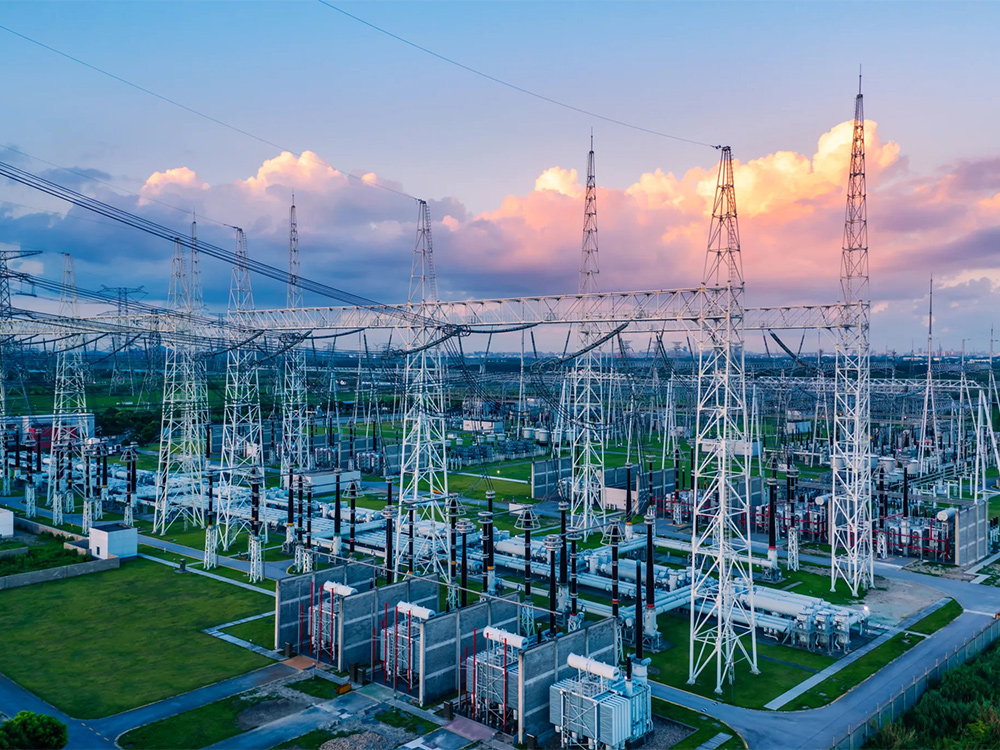
Electric energy
As the cornerstone of stable power grid operation, this industry encompasses all aspects of power generation, transmission, and distribution, placing extremely high demands on the reliability, safety, and long-term service performance of equipment. We provide core equipment for traditional thermal, hydroelectric, and nuclear power plants, substations at all levels, and power transmission and distribution networks.

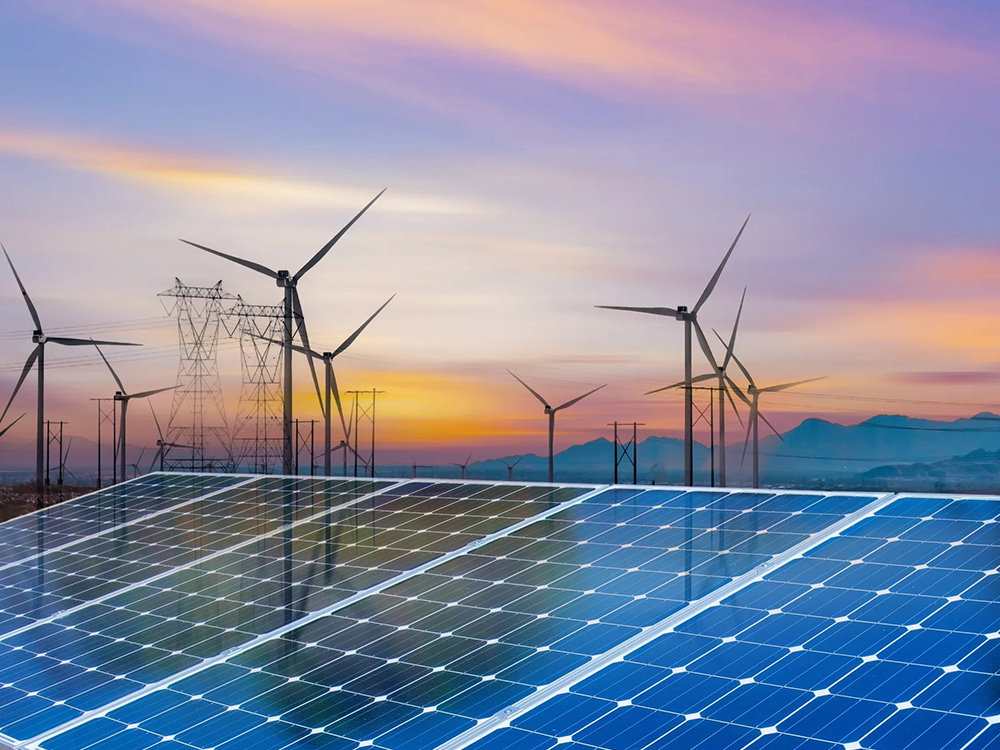
New energy power generation
The rapid development of green energy sources such as photovoltaics and wind power has placed higher demands on the adaptability and intelligence of the electrical equipment used in their production. We focus on the specific needs of new energy power generation scenarios, providing a full range of electrical solutions from generation to grid connection.
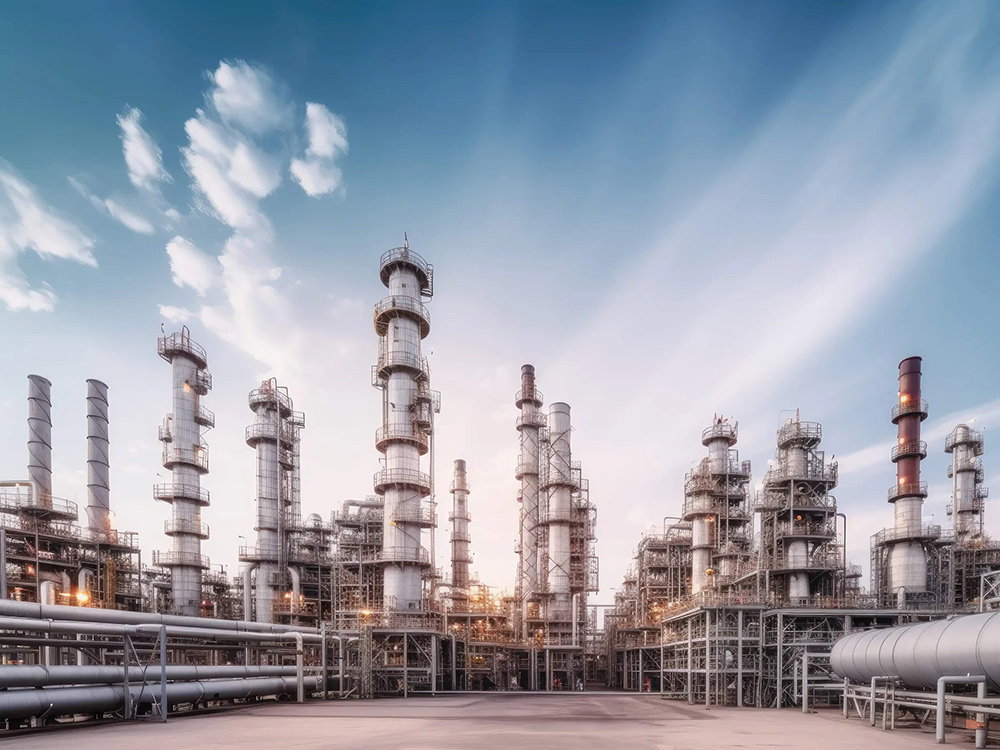
Industrial manufacturing and automation
Modern factories rely on a continuous, safe, and high-quality power supply to ensure uninterrupted operation of production lines. Our products serve the power distribution systems and automation control loops of various manufacturing plants, acting as the "heart" and "nerves" of industrial power.

Building and Municipal Engineering
From large commercial complexes to smart city infrastructure, safe, efficient, and intelligent power distribution systems are the lifeblood of modern buildings. We provide a complete range of electrical products for various buildings and municipal projects, from main power distribution to end-point lighting.

Infrastructure construction
Major infrastructure projects such as railways, highways, ports, and water conservancy are large-scale and operate in complex environments, posing a severe test to the durability and reliability of power equipment. We provide full-cycle product support for infrastructure projects, from temporary power supply during the construction phase to permanent power distribution during the operation phase.
Comprehensive product portfolio for all fire-sensitive indoor applications