
Leave Your Message
High-Performance Equipment for Long-Distance Transmission
Distribution substations play a critical role in modern electrical power systems, serving as vital nodes that transform high-voltage electricity from transmission lines into lower voltages suitable for distribution to end users. In the context of long-distance power grid transmission, these facilities are essential infrastructure that ensures reliable, efficient, and safe delivery of electrical energy across vast geographical areas.
As global energy demand continues to rise and renewable energy sources become increasingly integrated into power grids, the importance of advanced distribution substations has never been greater. These sophisticated installations must handle complex power flows, maintain voltage stability, protect against faults, and accommodate bidirectional power flows from distributed generation sources. The evolution of distribution substation technology reflects the broader transformation of electrical grids into smart, resilient, and sustainable energy networks.
Long-distance power transmission presents unique challenges that distribution substations must address. Power losses over extended transmission lines, voltage drops, reactive power compensation, and the need for multiple transformation stages all require carefully engineered solutions. Modern distribution substations incorporate advanced technologies including digital monitoring systems, automated switchgear, intelligent protection relays, and communication infrastructure that enables real-time grid management and optimization.
The commercial and industrial landscape surrounding distribution substations for long-distance transmission is characterized by significant investment in grid modernization, increasing adoption of renewable energy, and growing emphasis on grid resilience and reliability. Utilities, industrial facilities, mining operations, and large-scale renewable energy projects all depend on robust distribution substation infrastructure to maintain continuous power supply and support economic activities.
Advanced Capabilities for Long-Distance Transmission Networks
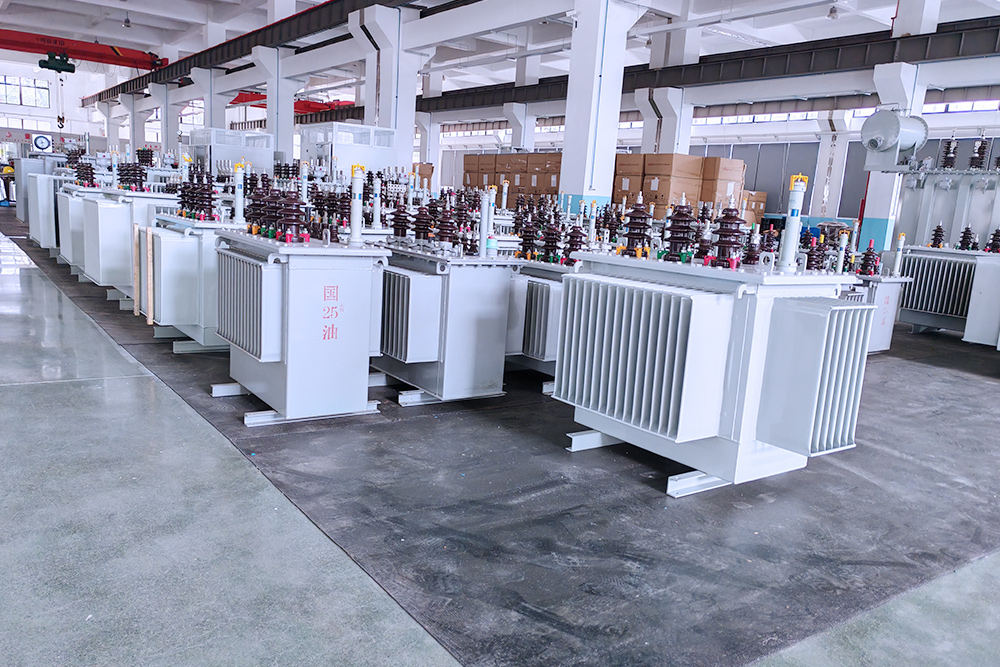
Advanced transformer technology enables efficient stepping down of transmission voltages (typically 110kV-500kV) to distribution levels (11kV-33kV), minimizing power losses and ensuring optimal voltage regulation across long-distance networks.
Multi-layered protection schemes including overcurrent, differential, distance, and earth fault protection ensure rapid fault detection and isolation, protecting both equipment and maintaining grid stability during abnormal conditions.
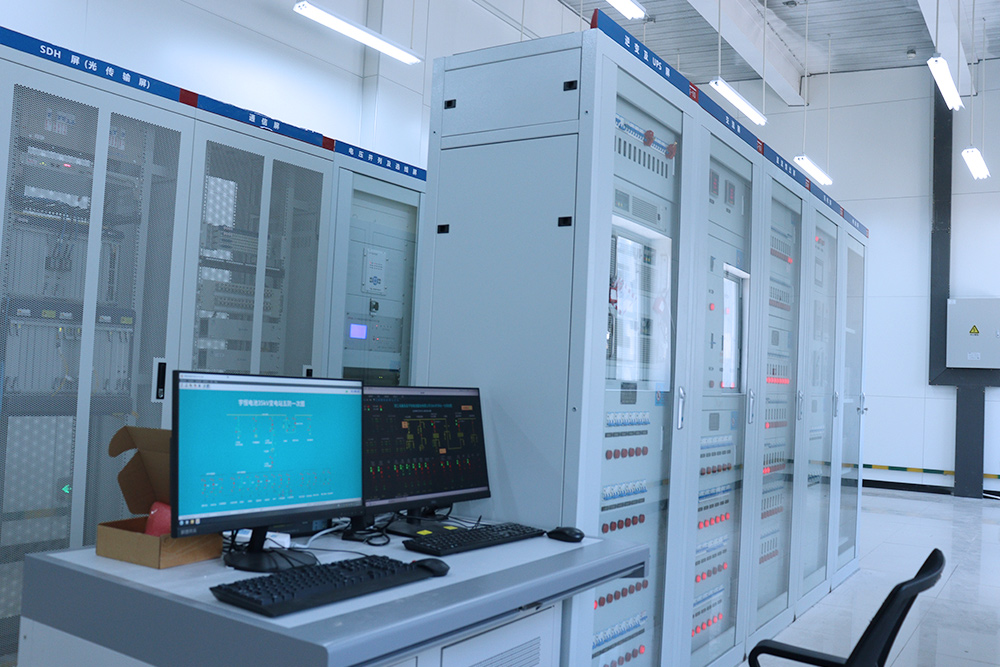
SCADA integration, intelligent electronic devices (IEDs), and real-time monitoring systems provide comprehensive visibility into substation operations, enabling predictive maintenance and optimized performance management.
Capacitor banks, reactors, and static VAR compensators maintain power factor and voltage stability over long transmission distances, improving efficiency and reducing losses in the distribution network.
Communication infrastructure supporting IEC 61850, DNP3, and other protocols enables seamless integration with smart grid systems, supporting advanced applications like demand response and distributed energy resource management.
Ruggedized designs with climate control, corrosion protection, and seismic resistance ensure reliable operation in diverse environmental conditions, from extreme temperatures to high-altitude installations.
Critical Use Cases in Long-Distance Power Transmission
Distribution substations serve as critical connection points for large-scale wind farms, solar parks, and hydroelectric facilities located in remote areas. These installations must handle variable power generation, provide voltage support, and enable seamless integration of renewable energy into the main transmission grid. Advanced substations incorporate power electronics, energy storage interfaces, and sophisticated control systems to manage the intermittent nature of renewable sources while maintaining grid stability and power quality across long transmission distances.
Large industrial facilities, mining operations, and manufacturing plants in remote locations require dedicated distribution substations to receive power from long-distance transmission lines. These substations must provide reliable, high-quality power for sensitive industrial processes, heavy machinery, and continuous operations. Customized designs address specific requirements such as harmonics management, power factor correction, and backup power integration, ensuring uninterrupted production and operational efficiency in isolated industrial zones.
International power transmission projects and regional grid interconnections rely on strategically positioned distribution substations to facilitate power exchange between different countries or grid operators. These facilities must accommodate different voltage standards, frequency synchronization requirements, and metering systems for accurate power accounting. Advanced protection and control systems ensure seamless operation during normal conditions and rapid response during disturbances, supporting energy security and regional cooperation.
Major cities and urban centers at the end of long-distance transmission corridors require robust distribution substations to receive bulk power and distribute it to local networks. These installations must handle high load densities, support multiple outgoing feeders, and provide redundancy for critical infrastructure. Compact designs, noise reduction measures, and environmental considerations are essential for substations located in or near populated areas, while maintaining the technical performance required for reliable urban power supply.
High-speed rail networks, metro systems, and electrified transportation corridors require specialized distribution substations to convert power from transmission grids to appropriate voltages for traction systems. These substations must handle dynamic loads, provide rapid voltage regulation, and ensure continuous power supply for transportation safety and reliability. Specialized designs address unique requirements such as single-phase loads, harmonic filtering, and integration with railway signaling systems.
Modern data centers, telecommunications facilities, and other critical infrastructure require ultra-reliable power supply from distribution substations connected to long-distance transmission networks. These installations incorporate redundant transformers, multiple incoming feeders, automatic transfer systems, and integration with on-site generation and energy storage. Advanced monitoring and control systems ensure the highest levels of power quality and availability, supporting the continuous operation of mission-critical digital infrastructure.
Engineering Excellence for Long-Distance Transmission
Shaping the Future of Power Distribution Infrastructure
The power industry is experiencing a fundamental transformation toward digital substations that leverage advanced sensors, IoT devices, artificial intelligence, and big data analytics. Smart substations incorporate digital twins for simulation and optimization, predictive maintenance algorithms that reduce downtime, and autonomous control systems that respond to grid conditions in real-time. This digital revolution enables utilities to optimize asset utilization, extend equipment lifespan, and improve overall grid reliability while reducing operational costs. The integration of edge computing and 5G communication technologies further enhances the capabilities of modern distribution substations, enabling faster decision-making and more sophisticated grid management strategies.
The rapid growth of renewable energy sources is fundamentally changing the role of distribution substations in long-distance transmission networks. Modern substations must accommodate bidirectional power flows as distributed generation sources feed power back into the grid, requiring advanced voltage regulation, frequency control, and protection schemes. Energy storage systems are increasingly integrated at substation level to provide grid stabilization, peak shaving, and renewable energy smoothing capabilities. This trend is driving innovation in power electronics, control algorithms, and grid management software, transforming distribution substations from passive transformation points into active grid management nodes that enable higher penetration of renewable energy sources.
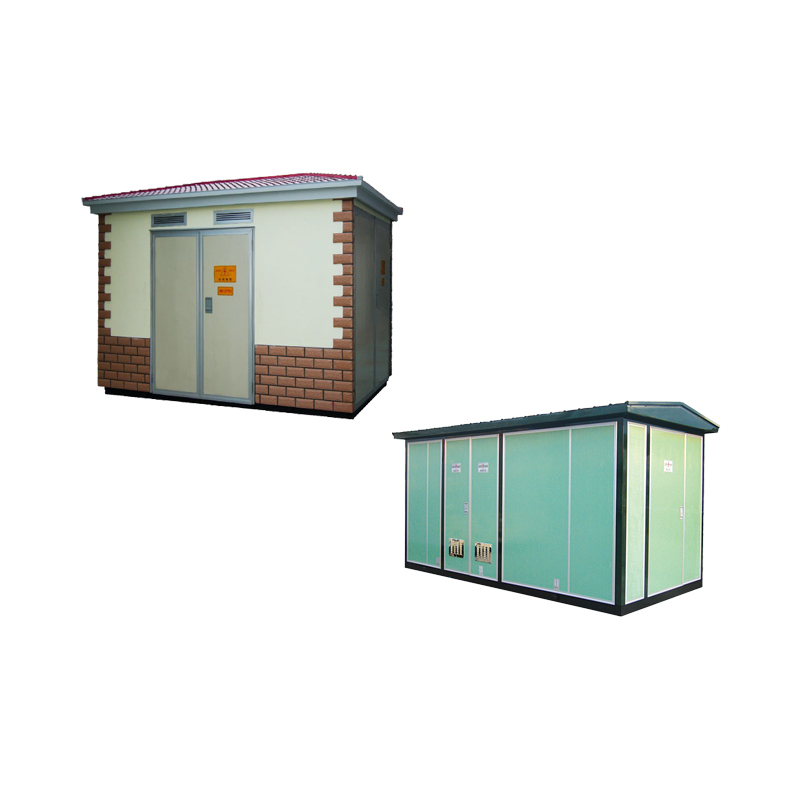
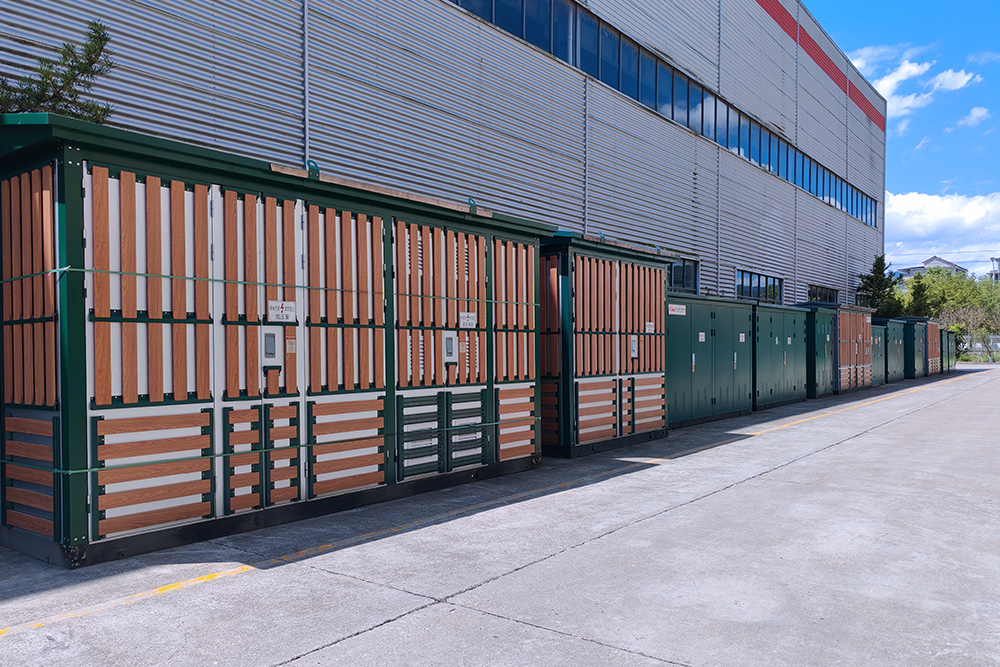
Space constraints, environmental concerns, and the need for rapid deployment are driving the development of compact and modular substation solutions. Gas Insulated Switchgear (GIS) technology enables significant size reduction compared to conventional Air Insulated Substations (AIS), making substations feasible in urban areas and environmentally sensitive locations. Prefabricated modular substations with factory testing and pre-commissioning reduce on-site construction time, improve quality control, and enable faster project delivery. Container-based mobile substations provide flexibility for temporary installations, emergency response, and rapidly growing load areas, supporting the dynamic nature of modern power systems.
As distribution substations become increasingly connected and digitalized, cybersecurity has emerged as a critical concern for power system operators. The integration of communication networks, remote access capabilities, and digital control systems creates potential vulnerabilities that must be addressed through comprehensive security frameworks. Modern substations incorporate multi-layered cybersecurity measures including network segmentation, intrusion detection systems, encrypted communications, and regular security audits. Physical security enhancements such as perimeter protection, access control, and surveillance systems complement cybersecurity measures to ensure overall substation resilience against both physical and cyber threats.
Environmental considerations are increasingly influencing distribution substation design and operation. The transition from SF6 gas to environmentally friendly alternatives in switchgear, adoption of biodegradable transformer oils, and implementation of noise reduction measures reflect the industry's commitment to sustainability. Solar panels, rainwater harvesting, and energy-efficient auxiliary systems reduce the environmental footprint of substation operations. Circular economy principles are being applied to substation lifecycle management, emphasizing equipment refurbishment, component recycling, and responsible disposal practices. These environmental initiatives align with broader corporate sustainability goals and regulatory requirements while demonstrating responsible stewardship of electrical infrastructure.
Yueqing Suian Electric Co., Ltd. is a wholly state-owned trading company controlled by Yueqing Liushi Urban and Rural Construction Investment Co., Ltd., with a registered capital of 10 million yuan. It has been deeply involved in the field of electrical product trading. With its solid state-owned background, rich experience in serving central enterprises, and the leading electrical industry ecosystem and location empowerment in China, it is committed to pioneering a new pattern of global electrical trade with the responsibility of a state-owned enterprise, becoming a core partner of the electrical supply chain trusted by global customers, and providing high-standard and reliable electrical products and solutions for overseas markets.
Liushi Town, known as "Zhejiang's No. 1 Industrial Strong Town," achieved a total industrial output value of 106.76 billion yuan in 2024, exceeding 100 billion yuan for two consecutive years and firmly ranking first in Zhejiang Province among the top 1,000 towns in China in terms of comprehensive strength. As a wholly state-owned enterprise, the company, backed by the state-owned capital of the Liushi Town Government, naturally possesses core advantages such as strong financial strength, compliant operation, and strong risk resistance. The company has accumulated extensive cooperative experience in the domestic market, successfully serving numerous leading central enterprises, including China Construction Eighth Engineering Bureau, China Construction Science & Industry Group Co., Ltd., China Construction Second Engineering Bureau, and Sinopec. It has accumulated rich project experience in infrastructure engineering, energy and power, and other fields. Its products and services have passed the stringent standards of central enterprises and possess mature capabilities suitable for large-scale projects and complex scenarios.
Based in Liushi, Yueqing, known as the "Electrical Capital of China" and the "Export Base of Low-Voltage Electrical Appliances in China," the company focuses on core trade in the electrical field. Boasting unparalleled supply chain advantages, it mainly deals in over 200 series and 25,000 models of products, including transformers, high and low voltage electrical equipment, complete sets of electrical equipment, wires and cables, and new energy electrical products. Leveraging state-owned platform resources, the company ensures product quality and supply stability while achieving high cost-effectiveness through the scale effect of industrial clusters, providing diversified product choices for overseas customers. Deeply integrated into the "Belt and Road" initiative, the company excels in connecting with major overseas infrastructure and energy projects, and can provide supporting services for electrical products that meet international standards.
Adhering to the core principles of "integrity as the foundation, compliance as the basis, and win-win cooperation as the way," Yueqing Sui'an Electric Co., Ltd. builds a solid foundation for cooperation with the credibility of a state-owned enterprise, ensures product quality with the service experience of a central enterprise, empowers global competitiveness with the advantages of industrial clusters, and connects overseas markets with professional services. Leveraging the "Electrical+" strategy of Liushi Town and the benefits of six emerging industrial parks, the company collaborates with global partners to build an international trade network, empowering the development of the global electrical industry with the quality of a state-owned enterprise, and is committed to becoming a trustworthy international electrical trading partner.
Yueqing Suian Electric Co., Ltd.








Comprehensive Solutions for Long-Distance Power Grid Transmission