
Leave Your Message
The global transition toward renewable energy has positioned wind power as a cornerstone of sustainable electricity generation. As wind farms continue to proliferate across diverse geographical landscapes, the role of distribution substations in renewable energy wind farm integration has become increasingly critical. These sophisticated electrical infrastructure components serve as the vital link between wind turbine generators and the broader electrical grid, ensuring efficient power conversion, voltage regulation, and seamless energy transmission.
Distribution substations designed for wind farm integration represent highly specialized electrical facilities that perform multiple essential functions. These installations must accommodate the variable nature of wind energy production, managing fluctuating power outputs while maintaining grid stability and power quality standards. Modern distribution substations for wind farms incorporate advanced transformer technology, sophisticated switchgear systems, protection relays, and intelligent monitoring equipment that work in concert to optimize energy delivery from wind turbines to end consumers.
The technical complexity of these substations stems from the unique challenges presented by wind energy generation. Unlike conventional power plants that produce steady, predictable output, wind farms generate electricity that varies with wind speed and direction. Distribution substations must therefore incorporate dynamic voltage regulation capabilities, reactive power compensation systems, and advanced protection schemes that can respond instantaneously to changing generation conditions while protecting both the wind farm equipment and the connected electrical grid.
Modern wind farm distribution substations typically operate at voltage levels ranging from 33kV to 220kV, depending on the wind farm capacity and grid connection requirements. These facilities incorporate step-up transformers that elevate the generator output voltage (typically 690V or 3.3kV) to transmission levels suitable for long-distance power delivery. Advanced protection systems, including distance protection, differential protection, and earth fault protection, ensure rapid isolation of faults while minimizing disruption to healthy sections of the electrical network.
The global wind energy sector has experienced remarkable growth over the past decade, with installed capacity exceeding 840 GW worldwide as of 2024. This expansion has created substantial demand for specialized distribution substation equipment capable of handling the unique requirements of wind farm integration. The market for wind farm electrical infrastructure, including distribution substations, is projected to grow at a compound annual growth rate (CAGR) of 8.5% through 2030, driven by ambitious renewable energy targets set by governments worldwide and the increasing economic competitiveness of wind power.
China has emerged as the dominant player in both wind energy deployment and electrical equipment manufacturing, with companies based in regions like Yueqing, Zhejiang Province leveraging decades of electrical industry expertise to develop cutting-edge substation solutions. The concentration of electrical manufacturing capability in China's industrial clusters has created unique advantages in terms of supply chain integration, technical innovation, and cost competitiveness that benefit global wind farm developers seeking reliable, high-quality distribution substation equipment.
Different geographical markets present distinct opportunities and challenges for distribution substation deployment in wind farm applications. Offshore wind development in Europe and Asia requires specialized substation designs that can withstand harsh marine environments while maintaining high reliability. Onshore wind farms in regions like North America, Latin America, and Africa require substations optimized for extreme temperature variations, high altitude operation, or remote location installation with minimal maintenance requirements.
Emerging markets in Southeast Asia, the Middle East, and Africa represent significant growth frontiers for wind energy development and associated electrical infrastructure. These regions are increasingly recognizing wind power's potential to address energy security concerns, reduce dependence on fossil fuel imports, and meet growing electricity demand while limiting carbon emissions. Distribution substation suppliers with international standards compliance, proven track records in diverse operating environments, and competitive pricing structures are well-positioned to capture opportunities in these expanding markets.
Multi-gigawatt wind farm developments require sophisticated substation networks with multiple voltage transformation stages, extensive switchgear configurations, and coordinated protection schemes that ensure reliable power delivery from hundreds of individual turbines.
Offshore substations face unique engineering challenges including corrosion resistance, wave and wind loading, limited space constraints, and the need for remote monitoring and maintenance capabilities that minimize costly offshore interventions.
Modern distribution substations increasingly serve hybrid installations combining wind generation with solar PV, battery energy storage, and grid connection, requiring flexible designs that can accommodate multiple energy sources and bidirectional power flows.
Wind farms connecting to weak or remote electrical grids require substations with enhanced voltage support capabilities, including static VAR compensators (SVC) or STATCOM systems that maintain power quality and grid stability under challenging conditions.
Mountain-top wind farms operating at elevations above 2,000 meters require specially designed substations with equipment rated for reduced air density, extreme temperature variations, and increased electrical clearance requirements.
Wind farms in Arctic, desert, or tropical environments demand substations engineered for temperature extremes, sand and dust ingress protection, high humidity resistance, or ice loading conditions that would compromise standard equipment designs.
The distribution substation sector for wind farm integration is experiencing rapid technological evolution driven by digitalization, automation, and the integration of smart grid capabilities. Modern substations increasingly incorporate digital secondary systems replacing conventional electromechanical protection relays with intelligent electronic devices (IEDs) that offer superior performance, flexibility, and communication capabilities. These digital substations enable real-time monitoring, predictive maintenance, and remote operation that significantly reduce operational costs while improving reliability.
Advanced monitoring and diagnostic systems utilizing Internet of Things (IoT) sensors, artificial intelligence algorithms, and cloud-based analytics platforms are transforming substation operation and maintenance practices. These technologies enable condition-based maintenance strategies that replace time-based preventive maintenance schedules, optimizing maintenance resource allocation while minimizing unplanned outages. Thermal imaging cameras, partial discharge sensors, dissolved gas analysis systems, and vibration monitors provide continuous equipment health assessment that identifies developing problems before they result in failures.
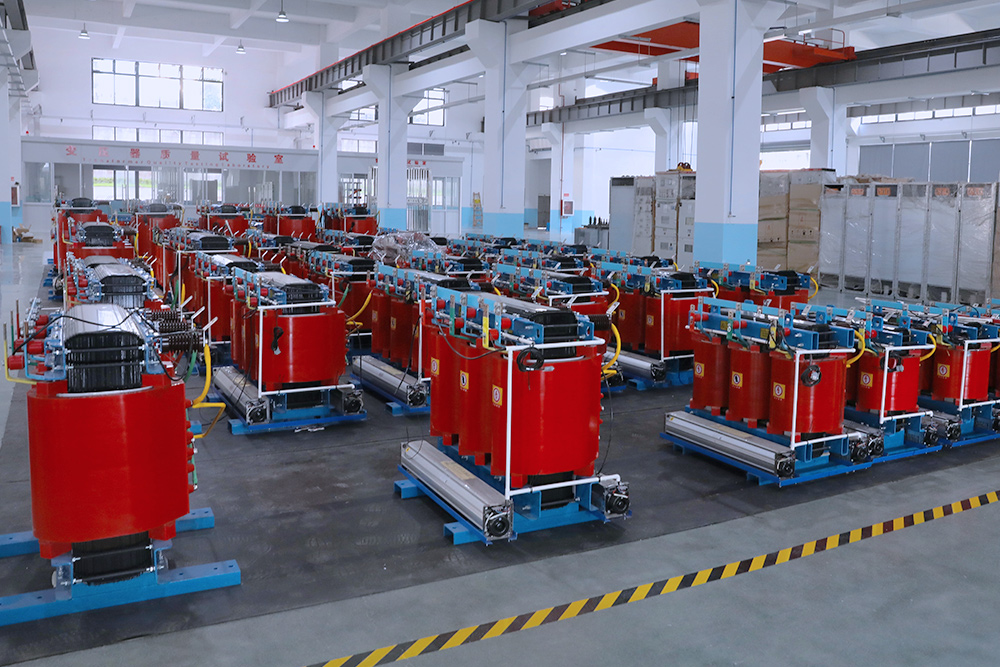
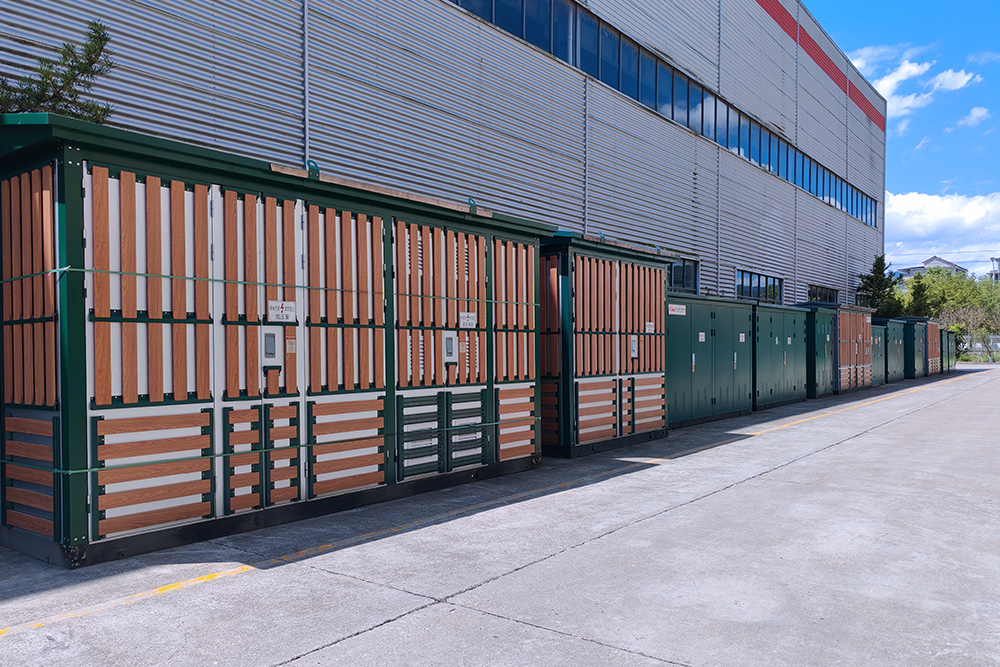
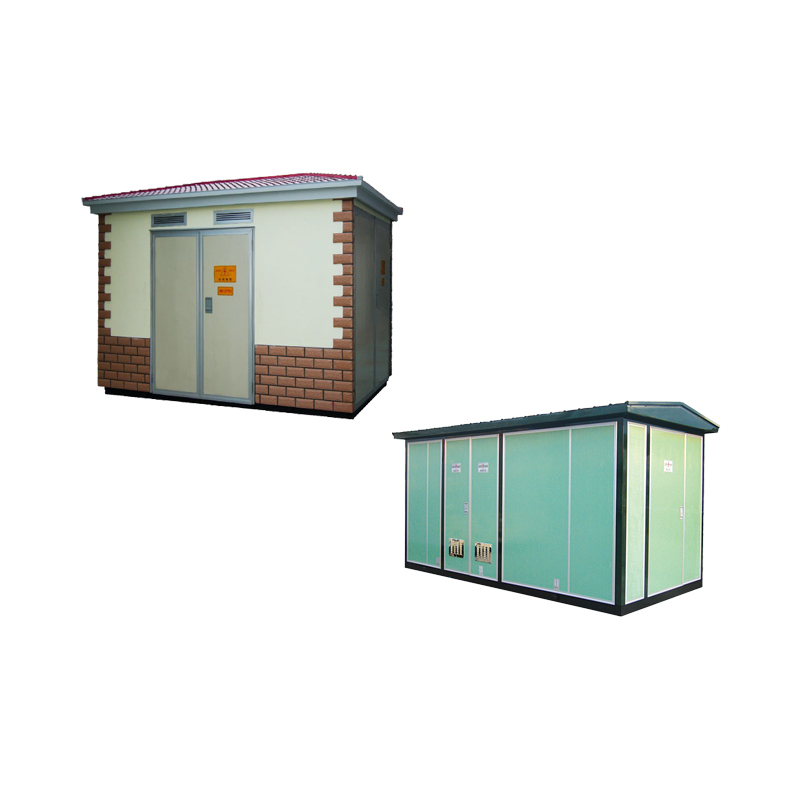
The wind energy industry has increasingly adopted modular, prefabricated substation designs that offer significant advantages over traditional field-erected installations. Prefabricated substations manufactured in controlled factory environments ensure superior quality control, reduced construction timelines, and lower overall project costs. These compact, integrated solutions are particularly well-suited to remote wind farm locations where site access, local labor availability, and construction logistics present significant challenges.
Modern distribution substations for wind farms increasingly incorporate environmentally responsible design features including SF6-free switchgear using alternative insulation technologies, biodegradable transformer oils, noise reduction measures, and compact footprints that minimize land use impacts. These sustainable design approaches align with the environmental objectives driving wind energy adoption while addressing growing regulatory requirements and stakeholder expectations regarding the environmental performance of electrical infrastructure.
The integration of large-scale wind generation into existing electrical grids presents complex technical challenges that distribution substations must address. Wind energy's variable and sometimes unpredictable nature can create voltage fluctuations, frequency deviations, and power quality issues that affect grid stability and reliability. Modern distribution substations incorporate sophisticated control systems and power electronics equipment that mitigate these challenges through real-time voltage regulation, reactive power management, and harmonic filtering.
Grid code compliance represents a critical consideration for wind farm distribution substations, as transmission system operators worldwide have established increasingly stringent technical requirements for renewable energy integration. These requirements typically specify fault ride-through capabilities, voltage and frequency operating ranges, power quality standards, and communication protocols that wind farms must satisfy. Distribution substations must therefore incorporate protection and control systems specifically designed to ensure wind farm compliance with applicable grid codes while maintaining safe, reliable operation under all grid conditions.
The economic viability of wind energy projects depends significantly on the capital and operational costs associated with electrical infrastructure, including distribution substations. Substation equipment typically represents 8-12% of total wind farm capital expenditure, making cost optimization a priority for project developers. However, this cost optimization must be balanced against reliability, performance, and lifecycle cost considerations, as substation failures can result in substantial revenue losses from interrupted wind energy generation.
The global trend toward competitive procurement and international supply chains has created opportunities for electrical equipment manufacturers offering high-quality products at competitive prices. Chinese manufacturers, leveraging advanced manufacturing capabilities, economies of scale, and comprehensive product portfolios, have captured increasing market share in international wind farm projects. State-owned enterprises with proven track records serving major infrastructure developers offer particular advantages in terms of financial stability, quality assurance, and the ability to support large-scale, complex projects with comprehensive technical and commercial solutions.
Large wind farms ranging from 50 MW to over 1,000 MW require comprehensive substation solutions with multiple transformer banks, extensive high-voltage switchgear, and sophisticated protection and control systems. These installations must coordinate the output of dozens or hundreds of individual wind turbines, aggregate power to transmission voltage levels, and interface seamlessly with regional or national electrical grids. Distribution substations for utility-scale wind farms incorporate redundant equipment configurations, advanced monitoring systems, and remote operation capabilities that ensure maximum availability and reliability.
Smaller-scale wind installations serving industrial facilities, agricultural operations, or community energy projects require compact, cost-effective substation solutions optimized for distributed generation applications. These systems typically operate at distribution voltage levels (11kV-33kV) and must provide bidirectional power flow capability, islanding protection, and seamless synchronization with the utility grid. Prefabricated substation designs offer particular advantages for distributed wind applications, providing integrated, factory-tested solutions that minimize installation complexity and commissioning time.
The complementary generation profiles of wind and solar energy have driven increasing interest in hybrid renewable energy projects that combine both technologies at a single site. Distribution substations serving hybrid wind-solar installations must accommodate the distinct characteristics of each generation source while optimizing overall system performance. These substations incorporate flexible protection schemes, advanced power quality management systems, and intelligent control algorithms that maximize renewable energy utilization while maintaining grid code compliance under all operating conditions.
The integration of battery energy storage systems with wind farms represents a rapidly growing application scenario that enhances project economics and grid integration capabilities. Distribution substations serving wind-storage projects must accommodate bidirectional power flows, manage charging and discharging cycles, and coordinate wind generation with storage dispatch to optimize revenue, provide grid services, or ensure power delivery commitments. These advanced substations incorporate sophisticated energy management systems, high-speed protection schemes, and communication interfaces that enable participation in electricity markets and ancillary service provision.
Yueqing Suian Electric Co., Ltd. is a wholly state-owned trading company controlled by Yueqing Liushi Urban and Rural Construction Investment Co., Ltd., with a registered capital of 10 million yuan. It has been deeply involved in the field of electrical product trading. With its solid state-owned background, rich experience in serving central enterprises, and the leading electrical industry ecosystem and location empowerment in China, it is committed to pioneering a new pattern of global electrical trade with the responsibility of a state-owned enterprise, becoming a core partner of the electrical supply chain trusted by global customers, and providing high-standard and reliable electrical products and solutions for overseas markets.
Liushi Town, known as "Zhejiang's No. 1 Industrial Strong Town," achieved a total industrial output value of 106.76 billion yuan in 2024, exceeding 100 billion yuan for two consecutive years and firmly ranking first in Zhejiang Province among the top 1,000 towns in China in terms of comprehensive strength. As a wholly state-owned enterprise, the company, backed by the state-owned capital of the Liushi Town Government, naturally possesses core advantages such as strong financial strength, compliant operation, and strong risk resistance. The company has accumulated extensive cooperative experience in the domestic market, successfully serving numerous leading central enterprises, including China Construction Eighth Engineering Bureau, China Construction Science & Industry Group Co., Ltd., China Construction Second Engineering Bureau, and Sinopec. It has accumulated rich project experience in infrastructure engineering, energy and power, and other fields. Its products and services have passed the stringent standards of central enterprises and possess mature capabilities suitable for large-scale projects and complex scenarios.
Based in Liushi, Yueqing, known as the "Electrical Capital of China" and the "Export Base of Low-Voltage Electrical Appliances in China," the company focuses on core trade in the electrical field. Boasting unparalleled supply chain advantages, it mainly deals in over 200 series and 25,000 models of products, including transformers, high and low voltage electrical equipment, complete sets of electrical equipment, wires and cables, and new energy electrical products. Leveraging state-owned platform resources, the company ensures product quality and supply stability while achieving high cost-effectiveness through the scale effect of industrial clusters, providing diversified product choices for overseas customers. Deeply integrated into the "Belt and Road" initiative, the company excels in connecting with major overseas infrastructure and energy projects, and can provide supporting services for electrical products that meet international standards.
Adhering to the core principles of "integrity as the foundation, compliance as the basis, and win-win cooperation as the way," Yueqing Sui'an Electric Co., Ltd. builds a solid foundation for cooperation with the credibility of a state-owned enterprise, ensures product quality with the service experience of a central enterprise, empowers global competitiveness with the advantages of industrial clusters, and connects overseas markets with professional services. Leveraging the "Electrical+" strategy of Liushi Town and the benefits of six emerging industrial parks, the company collaborates with global partners to build an international trade network, empowering the development of the global electrical industry with the quality of a state-owned enterprise, and is committed to becoming a trustworthy international electrical trading partner.





Backed by government capital support from Liushi Town People's Government, we possess robust financial strength, standardized compliant operations, and strong risk resilience capabilities that ensure business stability and reliability.

Extensive collaboration with industry-leading central state-owned enterprises including China Construction Eighth Engineering Division, China State Construction Engineering Corporation, and Sinopec, demonstrating our capability to meet the most stringent quality standards.
Direct access to over 25,000 product models across 200+ series through our strategic position in China's electrical industry hub, ensuring diverse product selection, competitive pricing, and reliable supply continuity.

Products and services meet international standards and certifications, making us ideally positioned for Belt and Road Initiative projects and overseas infrastructure development requiring reliable electrical solutions.