
Leave Your Message
Distribution substations designed for stepping up generator voltage represent a critical infrastructure component in modern power generation facilities. These specialized electrical installations serve as the essential link between power generation equipment operating at lower voltages and transmission systems requiring higher voltage levels for efficient long-distance power delivery. The fundamental principle involves transforming electrical energy from generator output voltage (typically ranging from 6.3kV to 21kV) to transmission voltage levels (commonly 66kV, 110kV, 220kV, or higher), enabling efficient power distribution across extensive electrical grids.
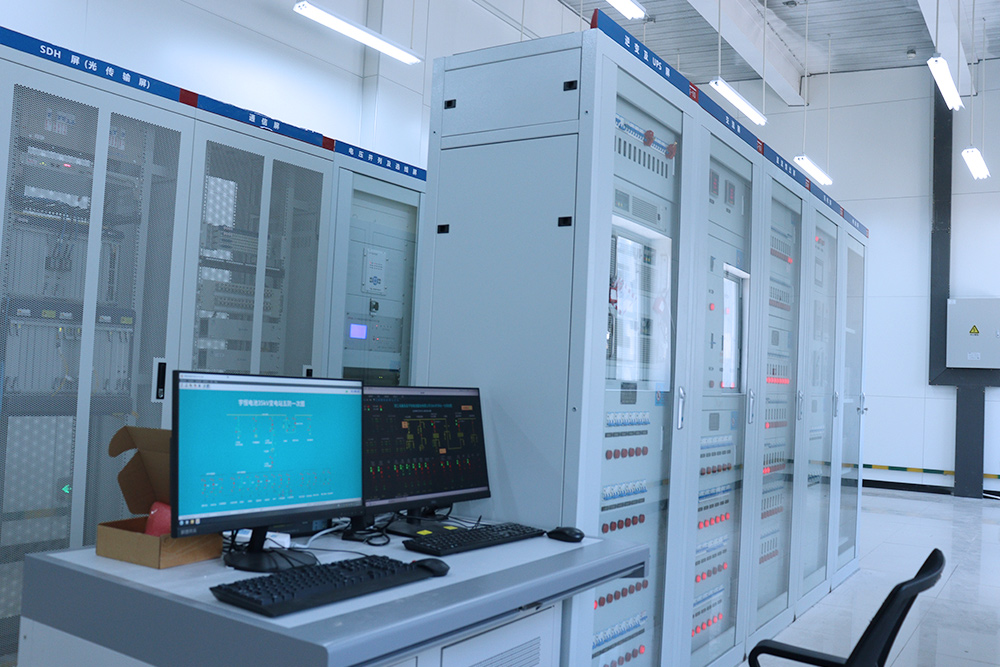
The engineering complexity of these substations encompasses sophisticated transformer technology, advanced switchgear systems, comprehensive protection schemes, and intelligent monitoring capabilities. Modern installations integrate digital control systems, automated fault detection, and remote operational capabilities, representing the convergence of traditional electrical engineering with contemporary digital transformation initiatives in the power sector.
Generator voltage step-up substations function as the primary interface between power generation facilities and the broader electrical grid. Whether serving thermal power plants, hydroelectric facilities, renewable energy installations, or industrial cogeneration systems, these substations ensure that electrical power generated at optimal generator voltage levels can be efficiently transmitted over long distances with minimal losses. The voltage transformation process reduces current levels proportionally, thereby decreasing resistive losses in transmission lines and enabling economical power delivery across extensive geographical areas.
The global market for distribution substations specialized in generator voltage step-up applications has experienced substantial growth, driven by expanding electricity demand, renewable energy integration, and infrastructure modernization initiatives. Commercial power generation facilities, industrial manufacturing plants with captive power generation, and utility-scale renewable energy projects represent the primary market segments. The Asia-Pacific region, particularly China, India, and Southeast Asian nations, leads in new substation installations, reflecting rapid industrialization and electrification programs.
Industrial applications extend beyond traditional utility-scale power plants to encompass distributed generation scenarios, including combined heat and power (CHP) systems, waste-to-energy facilities, and large-scale solar photovoltaic installations with centralized inverter configurations. The commercial viability of these systems depends on factors including generation capacity, voltage transformation ratios, equipment reliability, maintenance requirements, and regulatory compliance with grid connection standards.
Seamless connection of diverse generation sources to transmission networks
Efficient transformation from generator to transmission voltage levels
Advanced protection and control systems ensuring network reliability
Contemporary distribution substation technology has evolved significantly from traditional air-insulated switchgear configurations to incorporate gas-insulated switchgear (GIS), hybrid solutions, and digitally-enabled smart substation architectures. The integration of IEC 61850 communication protocols facilitates interoperability between intelligent electronic devices (IEDs), enabling comprehensive substation automation and integration with supervisory control and data acquisition (SCADA) systems.
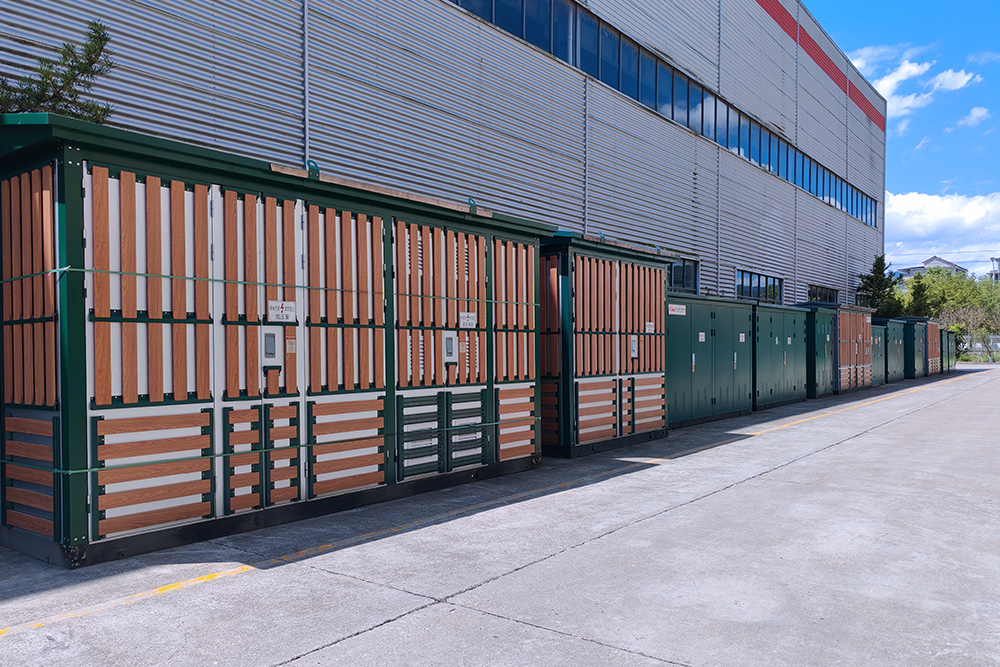
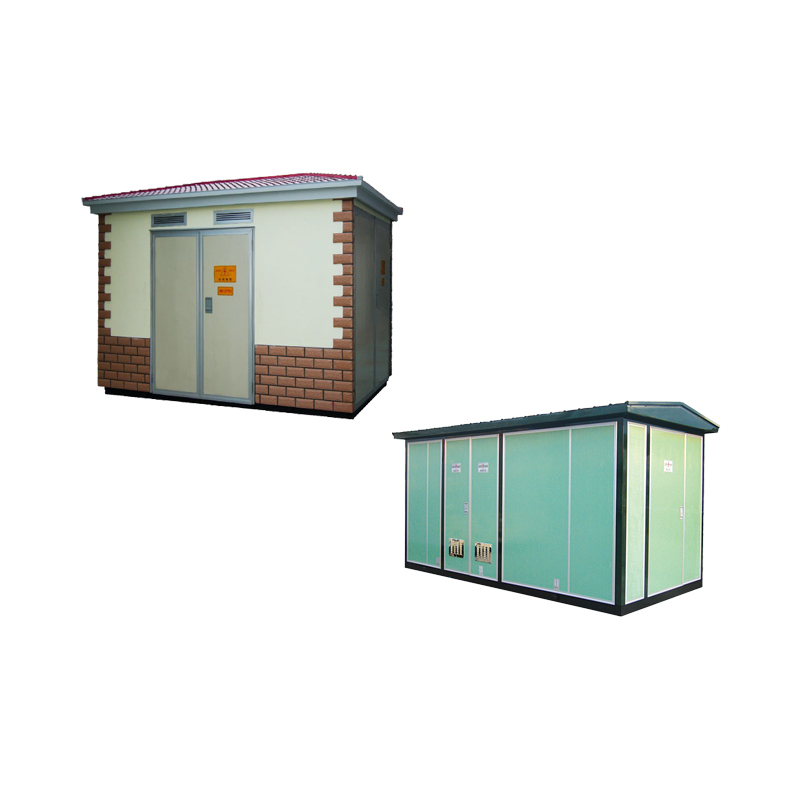
Emerging trends include the adoption of digital twin technology for predictive maintenance, artificial intelligence-driven fault diagnosis, and blockchain-enabled energy transaction systems. Environmental considerations drive the transition toward SF6-free switchgear alternatives, utilizing vacuum technology or eco-friendly insulating gases. Modular substation designs, particularly prefabricated compact substations, offer reduced construction timelines, minimized site requirements, and enhanced deployment flexibility for both permanent installations and temporary power applications.
The proliferation of renewable energy generation presents unique challenges for voltage step-up substations, particularly regarding variable generation patterns, power quality management, and grid synchronization requirements. Modern substations incorporate advanced power electronics, including static VAR compensators (SVC) and static synchronous compensators (STATCOM), to maintain voltage stability and power factor correction. Energy storage system integration at the substation level provides frequency regulation, peak shaving capabilities, and enhanced grid resilience.
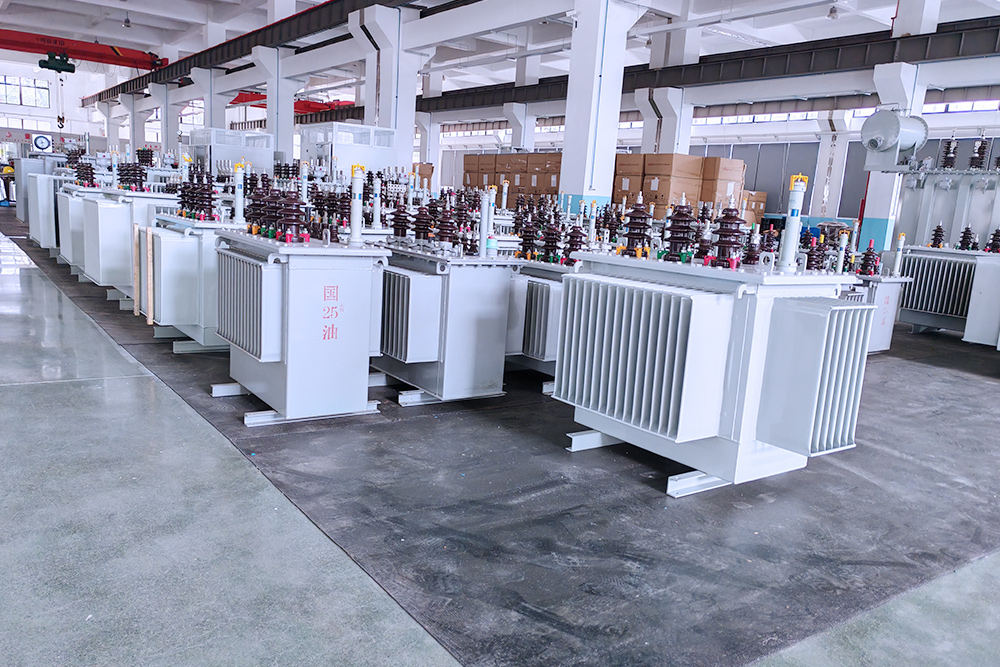
Utility-Scale Thermal Power Plants: Large coal-fired, natural gas, or nuclear power generation facilities typically employ multiple generator step-up transformers, each rated for several hundred MVA capacity. These installations feature redundant protection systems, auxiliary power supplies, and comprehensive cooling systems to ensure continuous operation under varying load conditions.
Hydroelectric Generation Facilities: Run-of-river and reservoir-based hydroelectric plants require specialized substation configurations accounting for seasonal generation variations, potential for islanded operation, and synchronization with cascaded generation units. Voltage step-up substations in these applications often incorporate specialized grounding systems to address unique electrical characteristics of water-cooled generators.
Industrial Cogeneration Systems: Manufacturing facilities with captive power generation utilize distribution substations to step up voltage from gas turbine or reciprocating engine generators for either grid export or internal distribution at medium voltage levels. These systems frequently incorporate sophisticated protection schemes to enable seamless transition between grid-connected and islanded operation modes.
Renewable Energy Parks: Large-scale solar photovoltaic installations and wind farms employ collector substations that aggregate power from multiple generation units before voltage transformation for grid injection. These substations incorporate specialized equipment to manage harmonic distortion, reactive power compensation, and compliance with grid code requirements for renewable energy integration.
Designing distribution substations for generator voltage step-up applications requires careful consideration of multiple technical parameters. Transformer sizing must account for generator rated capacity, expected load profiles, and future expansion requirements. Short-circuit current calculations determine switchgear ratings and protection system specifications. Insulation coordination studies ensure adequate electrical clearances and surge protection across all voltage levels.
Environmental factors significantly influence equipment selection and substation layout. Ambient temperature ranges, altitude considerations, seismic requirements, and pollution levels affect transformer cooling systems, switchgear ratings, and insulator specifications. Coastal installations require enhanced corrosion protection, while facilities in cold climates necessitate specialized winterization measures.
Distribution substations must comply with comprehensive regulatory frameworks governing electrical safety, environmental protection, and grid connection requirements. International standards including IEC 60076 (power transformers), IEC 62271 (high-voltage switchgear), and IEEE C37 series (protection and control) provide technical specifications for equipment design, testing, and performance verification. Grid connection codes established by transmission system operators define power quality requirements, protection schemes, and communication protocols for generator interconnection.
Capital investment in generator voltage step-up substations represents a significant component of overall power generation project costs, typically ranging from 5% to 15% of total project expenditure depending on voltage levels, capacity, and technological sophistication. Economic analysis must consider not only initial equipment and construction costs but also long-term operational expenses including maintenance, losses, and periodic equipment replacement.
The economic viability of advanced substation technologies, such as GIS or digital automation systems, depends on factors including land costs, reliability requirements, and operational efficiency gains. While initial capital costs may be higher, reduced maintenance requirements, smaller footprint, and enhanced operational capabilities often justify premium technology investments, particularly in space-constrained urban environments or critical infrastructure applications.
The distribution substation sector stands at the threshold of transformative change driven by digitalization, decarbonization, and decentralization trends reshaping the global energy landscape. The proliferation of distributed energy resources, electric vehicle charging infrastructure, and energy storage systems necessitates more flexible, intelligent substation architectures capable of bidirectional power flow management and dynamic grid support functions.
Emerging technologies including solid-state transformers, wide-bandgap semiconductor devices, and advanced materials promise revolutionary improvements in efficiency, power density, and controllability. The convergence of operational technology (OT) and information technology (IT) enables unprecedented visibility into substation performance, facilitating predictive maintenance strategies and optimized asset management.
Climate change adaptation and resilience considerations increasingly influence substation design, with enhanced flood protection, extreme weather preparedness, and cybersecurity measures becoming standard requirements. The transition toward sustainable infrastructure emphasizes lifecycle environmental impact assessment, circular economy principles in equipment design, and carbon footprint reduction throughout substation operational lifespans.
Yueqing Suian Electric Co., Ltd. is a wholly state-owned trading company controlled by Yueqing Liushi Urban and Rural Construction Investment Co., Ltd., with a registered capital of 10 million yuan. It has been deeply involved in the field of electrical product trading. With its solid state-owned background, rich experience in serving central enterprises, and the leading electrical industry ecosystem and location empowerment in China, it is committed to pioneering a new pattern of global electrical trade with the responsibility of a state-owned enterprise, becoming a core partner of the electrical supply chain trusted by global customers, and providing high-standard and reliable electrical products and solutions for overseas markets.
Liushi Town, known as "Zhejiang's No. 1 Industrial Strong Town," achieved a total industrial output value of 106.76 billion yuan in 2024, exceeding 100 billion yuan for two consecutive years and firmly ranking first in Zhejiang Province among the top 1,000 towns in China in terms of comprehensive strength. As a wholly state-owned enterprise, the company, backed by the state-owned capital of the Liushi Town Government, naturally possesses core advantages such as strong financial strength, compliant operation, and strong risk resistance. The company has accumulated extensive cooperative experience in the domestic market, successfully serving numerous leading central enterprises, including China Construction Eighth Engineering Bureau, China Construction Science & Industry Group Co., Ltd., China Construction Second Engineering Bureau, and Sinopec. It has accumulated rich project experience in infrastructure engineering, energy and power, and other fields. Its products and services have passed the stringent standards of central enterprises and possess mature capabilities suitable for large-scale projects and complex scenarios.
Based in Liushi, Yueqing, known as the "Electrical Capital of China" and the "Export Base of Low-Voltage Electrical Appliances in China," the company focuses on core trade in the electrical field. Boasting unparalleled supply chain advantages, it mainly deals in over 200 series and 25,000 models of products, including transformers, high and low voltage electrical equipment, complete sets of electrical equipment, wires and cables, and new energy electrical products. Leveraging state-owned platform resources, the company ensures product quality and supply stability while achieving high cost-effectiveness through the scale effect of industrial clusters, providing diversified product choices for overseas customers. Deeply integrated into the "Belt and Road" initiative, the company excels in connecting with major overseas infrastructure and energy projects, and can provide supporting services for electrical products that meet international standards.
Adhering to the core principles of "integrity as the foundation, compliance as the basis, and win-win cooperation as the way," Yueqing Sui'an Electric Co., Ltd. builds a solid foundation for cooperation with the credibility of a state-owned enterprise, ensures product quality with the service experience of a central enterprise, empowers global competitiveness with the advantages of industrial clusters, and connects overseas markets with professional services. Leveraging the "Electrical+" strategy of Liushi Town and the benefits of six emerging industrial parks, the company collaborates with global partners to build an international trade network, empowering the development of the global electrical industry with the quality of a state-owned enterprise, and is committed to becoming a trustworthy international electrical trading partner.
Yueqing Suian Electric Co., Ltd.





Backed by government capital support from Liushi Town People's Government, we possess robust financial strength, standardized compliant operations, and strong risk resilience capabilities that ensure business stability and reliability.

Extensive collaboration with industry-leading central state-owned enterprises including China Construction Eighth Engineering Division, China State Construction Engineering Corporation, and Sinopec, demonstrating our capability to meet the most stringent quality standards.
Direct access to over 25,000 product models across 200+ series through our strategic position in China's electrical industry hub, ensuring diverse product selection, competitive pricing, and reliable supply continuity.

Products and services meet international standards and certifications, making us ideally positioned for Belt and Road Initiative projects and overseas infrastructure development requiring reliable electrical solutions.