
Leave Your Message
Distribution substations serve as critical nodes in the electrical grid, transforming high-voltage electricity from transmission systems into lower voltages suitable for residential consumption. In modern urban environments, these facilities are essential for delivering reliable, safe, and efficient power to millions of households. As cities continue to expand and energy demands increase, the role of distribution substations in urban residential electricity distribution has become more crucial than ever.
The landscape of urban residential electricity distribution has undergone significant transformation over the past decades. Traditional distribution substations, which were often large, ground-mounted facilities located on the outskirts of residential areas, are being replaced or supplemented by compact, prefabricated units that can be seamlessly integrated into urban environments. This evolution reflects the growing demands of modern cities, where space is at a premium and the need for reliable power continues to escalate.
Modern distribution substations incorporate advanced technologies such as smart grid capabilities, remote monitoring systems, and automated fault detection mechanisms. These innovations enable utility companies to respond more quickly to power disruptions, optimize energy distribution, and provide better service to residential customers. The integration of digital technologies has transformed substations from passive distribution points into active, intelligent components of the electrical grid.
The global market for distribution substations is experiencing robust growth, driven by urbanization, infrastructure modernization, and increasing electricity demand. According to industry analyses, the distribution substation market is projected to reach significant valuations over the coming years, with urban residential applications representing a substantial portion of this growth. China, as the world's largest electrical equipment manufacturer, plays a pivotal role in this market, with regions like Yueqing serving as major production and innovation hubs.
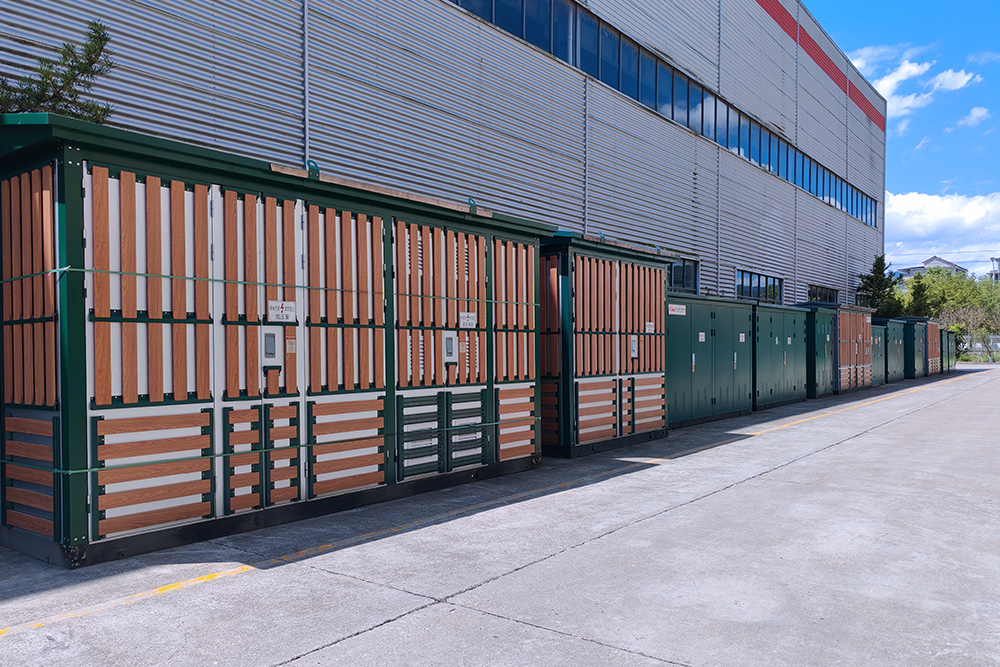
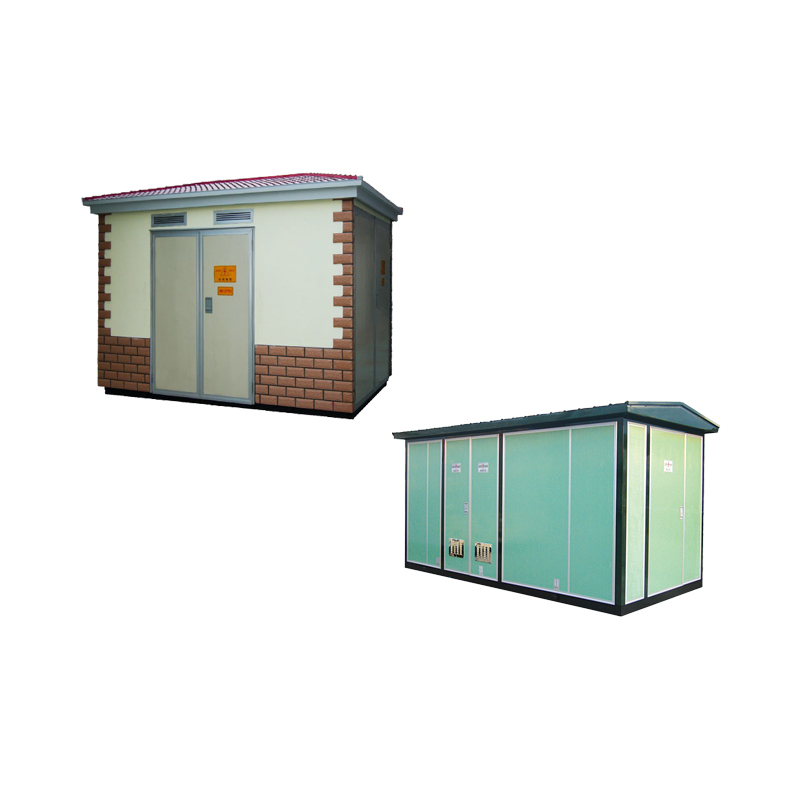
Several key trends are shaping the distribution substation industry for urban residential applications. First, there is a growing emphasis on compact, modular designs that minimize land footprint while maximizing functionality. Prefabricated substations, such as the YB□ series, have gained popularity because they can be manufactured in controlled factory environments, ensuring consistent quality, and then rapidly deployed at installation sites with minimal disruption to surrounding communities.
Second, environmental considerations are driving innovation in substation design. Modern units feature improved insulation materials, reduced noise emissions, and enhanced safety features that make them more suitable for installation in densely populated residential areas. The use of environmentally friendly insulating materials and the implementation of oil-free transformer technologies are becoming industry standards, reflecting growing environmental consciousness and regulatory requirements.
Third, the integration of renewable energy sources into residential power grids is creating new challenges and opportunities for distribution substations. As more households install solar panels and other distributed generation systems, substations must be capable of handling bidirectional power flows and managing the intermittency associated with renewable energy sources. This has led to the development of "smart substations" equipped with advanced power electronics and control systems.
Distribution substations for urban residential applications typically operate at voltage levels ranging from 10kV to 35kV on the high-voltage side, stepping down to 380V/220V for residential distribution. The capacity of these substations varies based on the population density and energy consumption patterns of the areas they serve, with typical ratings ranging from 315kVA to 2500kVA for residential neighborhoods.
The design of modern residential distribution substations incorporates multiple safety and reliability features. These include automatic circuit breakers, surge protection devices, ground fault detection systems, and fire suppression equipment. The physical structure is engineered to withstand environmental stresses such as extreme temperatures, humidity, and seismic activity, ensuring continuous operation under various conditions.
Prefabricated substations offer particular advantages for urban residential applications. These units are factory-assembled and tested, reducing on-site construction time from months to days. The compact design allows installation in locations where traditional substations would be impractical, such as within residential complexes, underground facilities, or integrated into building structures. The modular nature of these systems also facilitates future expansion or modification as neighborhood power demands evolve.
Distribution substations serve diverse application scenarios within urban residential environments. In established neighborhoods undergoing electrical infrastructure upgrades, compact prefabricated substations can replace aging equipment without requiring extensive excavation or disruption to residents. These modernization projects improve power quality, reduce outage frequency, and accommodate increased electrical loads from modern appliances and electric vehicle charging.
In new residential developments, distribution substations are integrated into the initial infrastructure planning. Developers and utility companies collaborate to position substations strategically, ensuring optimal power distribution while minimizing visual impact and noise concerns for residents. Advanced aesthetic designs allow substations to blend with surrounding architecture, addressing community concerns about industrial equipment in residential areas.
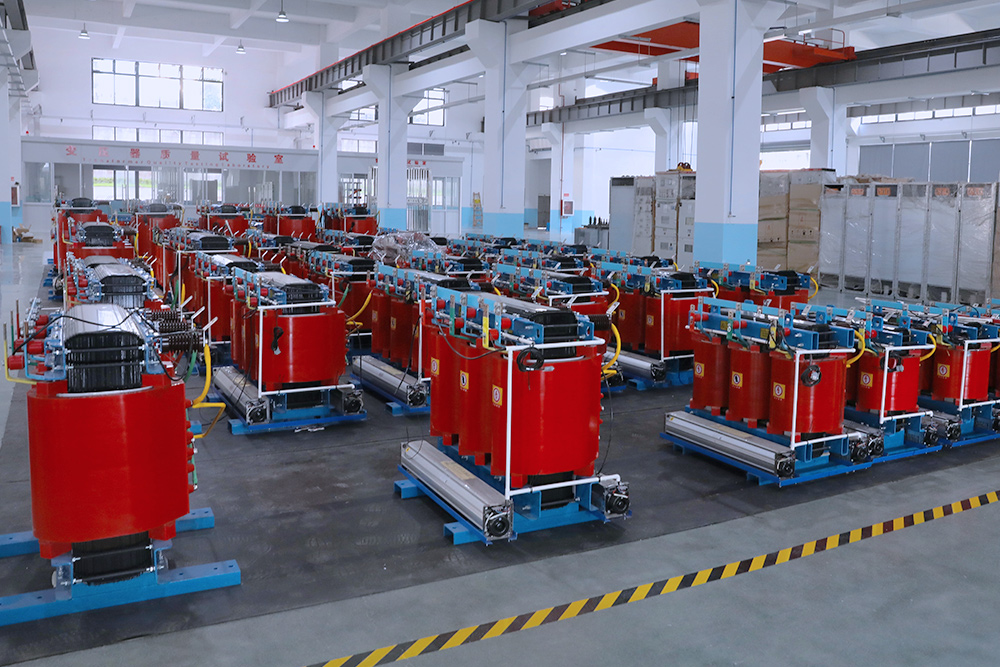
High-rise residential buildings present unique challenges for power distribution. In these applications, compact substations may be installed within building structures, often in basement or ground-floor utility areas. These installations require careful attention to ventilation, fire safety, and accessibility for maintenance personnel. The use of dry-type transformers and advanced cooling systems makes such installations feasible while maintaining safety standards.
Mixed-use developments combining residential, commercial, and retail spaces require flexible distribution solutions. Modern substations can be configured to serve multiple load types simultaneously, with separate feeders for residential and commercial customers. This versatility is essential in contemporary urban planning, where land use patterns are increasingly diverse and integrated.
The future of distribution substations for urban residential electricity distribution is closely tied to smart grid technologies. Advanced metering infrastructure (AMI), distributed energy resource management systems (DERMS), and real-time monitoring capabilities are transforming how electricity is distributed and managed at the neighborhood level. Distribution substations are evolving into intelligent hubs that not only distribute power but also collect and analyze data on consumption patterns, power quality, and system health.
Artificial intelligence and machine learning algorithms are being deployed to predict equipment failures before they occur, optimize load distribution, and respond automatically to grid disturbances. These technologies enable predictive maintenance strategies that reduce downtime and extend equipment lifespan, ultimately improving service reliability for residential customers.
The proliferation of electric vehicles is creating new demands on residential distribution infrastructure. Distribution substations must accommodate the significant additional loads associated with EV charging, particularly during peak evening hours when residents return home. Future substation designs will incorporate dynamic load management capabilities, possibly including energy storage systems that can buffer demand spikes and support grid stability.
Energy storage integration represents another frontier for distribution substation development. Battery energy storage systems (BESS) co-located with distribution substations can provide multiple benefits, including peak shaving, backup power during outages, and support for renewable energy integration. As battery costs continue to decline, such installations are becoming economically viable for residential applications.
Distribution substations for urban residential applications must comply with stringent national and international standards. In China, equipment must meet GB (Guobiao) standards covering aspects such as electrical safety, environmental protection, and electromagnetic compatibility. International projects require compliance with IEC standards, IEEE guidelines, or regional standards such as European EN norms or North American ANSI/NEMA specifications.
Environmental regulations increasingly influence substation design and operation. Noise emission limits, electromagnetic field exposure guidelines, and requirements for environmentally friendly materials all impact equipment selection and installation practices. Manufacturers and utility companies must navigate this complex regulatory landscape while maintaining cost-effectiveness and operational efficiency.
Safety certifications and quality management systems are essential for manufacturers serving the distribution substation market. ISO 9001 quality management certification, ISO 14001 environmental management certification, and product-specific certifications demonstrate a manufacturer's commitment to consistent quality and compliance with international best practices.
The economics of distribution substations for urban residential applications involve balancing initial capital investment against long-term operational costs and reliability benefits. Prefabricated substations typically command higher upfront costs compared to traditional site-built alternatives, but these are offset by reduced installation time, lower labor costs, and improved reliability that reduces maintenance expenses over the equipment's 30-40 year operational lifespan.
Investment in distribution infrastructure is driven by multiple factors, including population growth, economic development, and government policies promoting electrical grid modernization. In China's context, initiatives such as the "New Infrastructure" campaign and rural electrification programs are driving substantial investments in distribution equipment. International markets, particularly in developing regions participating in the Belt and Road Initiative, represent significant growth opportunities for Chinese manufacturers.
The total cost of ownership for distribution substations encompasses not only equipment and installation costs but also ongoing expenses for maintenance, energy losses, and eventual replacement or refurbishment. Modern equipment with higher efficiency ratings and advanced monitoring capabilities can significantly reduce these long-term costs, making them attractive investments despite potentially higher initial prices.
Modern residential complexes require reliable, scalable power distribution infrastructure from the ground up. Prefabricated distribution substations offer rapid deployment capabilities, allowing developers to meet tight construction schedules while ensuring high-quality electrical service. These installations support smart home technologies, EV charging infrastructure, and future load growth as neighborhoods develop.
Aging electrical infrastructure in established neighborhoods requires systematic upgrades to meet contemporary standards and increasing demand. Compact distribution substations can be installed in space-constrained urban environments, replacing outdated equipment with minimal disruption to residents. These modernization projects improve power quality, reduce outage frequency, and enhance overall grid reliability.
High-rise residential buildings present unique power distribution challenges due to concentrated loads and vertical distribution requirements. Specialized compact substations designed for building integration provide efficient power transformation while meeting stringent safety and space requirements. These systems support the electrical demands of hundreds or thousands of residential units within a single structure.
Contemporary urban planning increasingly favors mixed-use developments combining residential, commercial, and retail spaces. Distribution substations serving these environments must accommodate diverse load profiles and provide flexible configuration options. Advanced substation designs enable separate metering and distribution for different customer classes while optimizing overall system efficiency.
Yueqing Suian Electric Co., Ltd. is a wholly state-owned trading company controlled by Yueqing Liushi Urban and Rural Construction Investment Co., Ltd., with a registered capital of 10 million yuan. It has been deeply involved in the field of electrical product trading. With its solid state-owned background, rich experience in serving central enterprises, and the leading electrical industry ecosystem and location empowerment in China, it is committed to pioneering a new pattern of global electrical trade with the responsibility of a state-owned enterprise, becoming a core partner of the electrical supply chain trusted by global customers, and providing high-standard and reliable electrical products and solutions for overseas markets.
Liushi Town, known as "Zhejiang's No. 1 Industrial Strong Town," achieved a total industrial output value of 106.76 billion yuan in 2024, exceeding 100 billion yuan for two consecutive years and firmly ranking first in Zhejiang Province among the top 1,000 towns in China in terms of comprehensive strength. As a wholly state-owned enterprise, the company, backed by the state-owned capital of the Liushi Town Government, naturally possesses core advantages such as strong financial strength, compliant operation, and strong risk resistance. The company has accumulated extensive cooperative experience in the domestic market, successfully serving numerous leading central enterprises, including China Construction Eighth Engineering Bureau, China Construction Science & Industry Group Co., Ltd., China Construction Second Engineering Bureau, and Sinopec. It has accumulated rich project experience in infrastructure engineering, energy and power, and other fields. Its products and services have passed the stringent standards of central enterprises and possess mature capabilities suitable for large-scale projects and complex scenarios.
Based in Liushi, Yueqing, known as the "Electrical Capital of China" and the "Export Base of Low-Voltage Electrical Appliances in China," the company focuses on core trade in the electrical field. Boasting unparalleled supply chain advantages, it mainly deals in over 200 series and 25,000 models of products, including transformers, high and low voltage electrical equipment, complete sets of electrical equipment, wires and cables, and new energy electrical products. Leveraging state-owned platform resources, the company ensures product quality and supply stability while achieving high cost-effectiveness through the scale effect of industrial clusters, providing diversified product choices for overseas customers. Deeply integrated into the "Belt and Road" initiative, the company excels in connecting with major overseas infrastructure and energy projects, and can provide supporting services for electrical products that meet international standards.
Adhering to the core principles of "integrity as the foundation, compliance as the basis, and win-win cooperation as the way," Yueqing Sui'an Electric Co., Ltd. builds a solid foundation for cooperation with the credibility of a state-owned enterprise, ensures product quality with the service experience of a central enterprise, empowers global competitiveness with the advantages of industrial clusters, and connects overseas markets with professional services. Leveraging the "Electrical+" strategy of Liushi Town and the benefits of six emerging industrial parks, the company collaborates with global partners to build an international trade network, empowering the development of the global electrical industry with the quality of a state-owned enterprise, and is committed to becoming a trustworthy international electrical trading partner.





Backed by government capital support from Liushi Town People's Government, we possess robust financial strength, standardized compliant operations, and strong risk resilience capabilities that ensure business stability and reliability.

Extensive collaboration with industry-leading central state-owned enterprises including China Construction Eighth Engineering Division, China State Construction Engineering Corporation, and Sinopec, demonstrating our capability to meet the most stringent quality standards.

Direct access to over 25,000 product models across 200+ series through our strategic position in China's electrical industry hub, ensuring diverse product selection, competitive pricing, and reliable supply continuity.

Products and services meet international standards and certifications, making us ideally positioned for Belt and Road Initiative projects and overseas infrastructure development requiring reliable electrical solutions.