
Leave Your Message
Critical Infrastructure for Healthcare Safety and Reliability
In modern healthcare facilities, the safe operation of medical equipment is paramount to patient safety and treatment efficacy. Distribution transformers designed for medical equipment isolation serve as the first line of defense against electrical hazards, providing galvanic isolation between the power supply and sensitive medical devices. These specialized transformers are engineered to meet the stringent requirements of medical environments, where even the slightest electrical anomaly can have life-threatening consequences.
Medical isolation transformers create a separate derived electrical system that prevents leakage currents from reaching patients and medical staff. This is particularly crucial in critical care areas such as operating rooms, intensive care units, cardiac catheterization laboratories, and diagnostic imaging facilities where patients are in direct contact with multiple electrical devices simultaneously. The isolation provided by these transformers effectively breaks the ground loop, reducing the risk of microshock and macroshock hazards that could otherwise prove fatal.
Distribution transformers for medical applications must comply with rigorous international standards including IEC 60601-1 (Medical Electrical Equipment Safety), UL 1561 (Dry-Type General Purpose and Power Transformers), and IEC 61558-2-15 (Isolating Transformers for Medical IT Systems). These standards mandate specific insulation levels, leakage current limitations, overload capabilities, and continuous monitoring requirements to ensure uninterrupted power supply to life-supporting equipment.
The global market for medical-grade distribution transformers has experienced significant growth in recent years, driven by the expansion of healthcare infrastructure, increasing prevalence of chronic diseases requiring continuous monitoring, and the proliferation of sophisticated medical imaging and diagnostic equipment. According to industry analysis, the medical transformer market is projected to grow at a compound annual growth rate (CAGR) of 6.8% through 2030, with particular strength in emerging markets where healthcare facility construction is accelerating.
Healthcare facilities are increasingly investing in redundant power systems and high-reliability transformers to ensure uninterrupted operation of critical medical equipment. This trend is particularly pronounced in regions with unstable grid infrastructure, where medical isolation transformers with integrated voltage regulation and harmonic filtering capabilities are becoming standard specifications for new hospital construction and renovation projects.
Dedicated isolation transformers for surgical suites provide maximum protection against electrical shock during critical procedures, with continuous insulation monitoring and alarm systems.
High-capacity transformers designed to handle the demanding power requirements of MRI, CT, and X-ray equipment while maintaining electrical isolation and power quality.
Low-noise isolation transformers ensure clean power delivery to sensitive monitoring equipment, preventing interference and ensuring accurate patient data collection.
The evolution of medical equipment isolation transformers has been marked by several key technological innovations. Modern designs incorporate advanced core materials such as amorphous metal alloys and high-grade silicon steel, which significantly reduce no-load losses and improve energy efficiency. These materials enable transformers to operate at lower temperatures, extending service life and reducing cooling requirements in temperature-sensitive medical environments.
Digital monitoring and diagnostic capabilities represent another frontier in medical transformer technology. Smart transformers equipped with IoT sensors continuously monitor parameters including insulation resistance, load current, temperature, and harmonic distortion. This real-time data enables predictive maintenance strategies, allowing facility managers to identify potential issues before they result in equipment failure or service interruption. Integration with building management systems (BMS) provides centralized oversight of electrical infrastructure across entire healthcare campuses.
The application of distribution transformers in medical settings extends far beyond basic power distribution. In cardiac catheterization laboratories, ultra-low leakage current transformers protect patients whose hearts are directly accessed by conductive catheters. These specialized units maintain leakage currents below 10 microamperes, well below the threshold that could induce ventricular fibrillation in a patient with direct cardiac contact.
Neonatal intensive care units (NICU) present unique challenges where premature infants with underdeveloped skin barriers are particularly vulnerable to electrical hazards. Medical isolation transformers in these environments must provide exceptional ground fault protection while supporting the high density of electrical equipment required for incubator operation, phototherapy, respiratory support, and continuous monitoring systems.
Modern healthcare facilities face increasing pressure to reduce energy consumption and environmental impact while maintaining the highest standards of patient care. Medical-grade distribution transformers play a crucial role in these sustainability initiatives. High-efficiency designs meeting NEMA Premium or IE4 efficiency standards can reduce energy losses by 30-50% compared to conventional units, translating to significant operational cost savings over the 30-40 year service life typical of quality transformers.
The environmental benefits extend beyond operational efficiency. Manufacturers are increasingly adopting eco-friendly insulating materials, eliminating hazardous substances, and designing for end-of-life recyclability. Dry-type transformers using cast resin or vacuum pressure impregnation (VPI) technology eliminate the fire hazards and environmental concerns associated with oil-filled units, making them particularly suitable for installation within patient care areas.
Healthcare facilities must navigate a complex landscape of electrical codes and medical equipment standards. In the United States, the National Electrical Code (NEC) Article 517 specifically addresses electrical systems in healthcare facilities, mandating the use of isolated power systems in anesthetizing locations and other critical care areas. European facilities must comply with IEC 60364-7-710, which establishes requirements for electrical installations in medical locations. These regulations drive the specification and installation of appropriate isolation transformers throughout medical facilities.
The future of medical equipment isolation transformers is being shaped by several converging trends. The rise of telemedicine and remote patient monitoring is creating demand for reliable power infrastructure supporting communication and data transmission equipment. Modular healthcare facilities and mobile medical units require compact, lightweight isolation transformers with rapid deployment capabilities.
Artificial intelligence and machine learning algorithms are being integrated into transformer monitoring systems, enabling autonomous optimization of power distribution and predictive identification of potential failure modes. These smart systems can automatically adjust tap settings to compensate for voltage variations, balance loads across multiple transformers, and coordinate with backup power systems during utility disturbances.
The ongoing electrification of medical equipment, including the transition to electric-powered surgical tools and the increasing use of robotic surgical systems, is driving demand for higher-capacity isolation transformers with superior transient response characteristics. Simultaneously, the proliferation of sensitive electronic medical devices requires transformers with enhanced harmonic filtering and electromagnetic compatibility (EMC) performance.
Proper installation and ongoing maintenance of medical isolation transformers are critical to ensuring long-term reliability and safety. Installation must be performed by qualified electrical contractors familiar with healthcare facility requirements, with careful attention to grounding systems, conductor sizing, and protection device coordination. Location selection must consider accessibility for maintenance, adequate ventilation for heat dissipation, and protection from physical damage and environmental contamination.
Preventive maintenance programs should include regular testing of insulation resistance, verification of ground fault protection systems, thermographic inspection to identify hot spots indicating poor connections or overloading, and periodic load studies to ensure transformers are operating within design parameters. Documentation of all testing and maintenance activities is essential for regulatory compliance and warranty preservation.
Specifying appropriate isolation transformers for medical equipment requires careful consideration of multiple factors. Load calculations must account not only for connected equipment but also for future expansion and the high inrush currents characteristic of medical imaging equipment. Voltage regulation requirements depend on the sensitivity of connected equipment, with some applications requiring regulation within ±1% under all load conditions.
Environmental factors including ambient temperature, altitude, and the presence of corrosive atmospheres influence transformer design and rating. Acoustic noise levels are particularly important in patient care areas, necessitating the specification of low-noise designs or the provision of adequate sound attenuation. Physical dimensions and weight must be compatible with available installation space and structural load-bearing capacity, especially in renovation projects where space is constrained.
Yueqing Suian Electric Co., Ltd. is a wholly state-owned trading company controlled by Yueqing Liushi Urban and Rural Construction Investment Co., Ltd., with a registered capital of 10 million yuan. It has been deeply involved in the field of electrical product trading. With its solid state-owned background, rich experience in serving central enterprises, and the leading electrical industry ecosystem and location empowerment in China, it is committed to pioneering a new pattern of global electrical trade with the responsibility of a state-owned enterprise, becoming a core partner of the electrical supply chain trusted by global customers, and providing high-standard and reliable electrical products and solutions for overseas markets.
Liushi Town, known as "Zhejiang's No. 1 Industrial Strong Town," achieved a total industrial output value of 106.76 billion yuan in 2024, exceeding 100 billion yuan for two consecutive years and firmly ranking first in Zhejiang Province among the top 1,000 towns in China in terms of comprehensive strength. As a wholly state-owned enterprise, the company, backed by the state-owned capital of the Liushi Town Government, naturally possesses core advantages such as strong financial strength, compliant operation, and strong risk resistance. The company has accumulated extensive cooperative experience in the domestic market, successfully serving numerous leading central enterprises, including China Construction Eighth Engineering Bureau, China Construction Science & Industry Group Co., Ltd., China Construction Second Engineering Bureau, and Sinopec. It has accumulated rich project experience in infrastructure engineering, energy and power, and other fields. Its products and services have passed the stringent standards of central enterprises and possess mature capabilities suitable for large-scale projects and complex scenarios.
Based in Liushi, Yueqing, known as the "Electrical Capital of China" and the "Export Base of Low-Voltage Electrical Appliances in China," the company focuses on core trade in the electrical field. Boasting unparalleled supply chain advantages, it mainly deals in over 200 series and 25,000 models of products, including transformers, high and low voltage electrical equipment, complete sets of electrical equipment, wires and cables, and new energy electrical products. Leveraging state-owned platform resources, the company ensures product quality and supply stability while achieving high cost-effectiveness through the scale effect of industrial clusters, providing diversified product choices for overseas customers. Deeply integrated into the "Belt and Road" initiative, the company excels in connecting with major overseas infrastructure and energy projects, and can provide supporting services for electrical products that meet international standards.
Adhering to the core principles of "integrity as the foundation, compliance as the basis, and win-win cooperation as the way," Yueqing Sui'an Electric Co., Ltd. builds a solid foundation for cooperation with the credibility of a state-owned enterprise, ensures product quality with the service experience of a central enterprise, empowers global competitiveness with the advantages of industrial clusters, and connects overseas markets with professional services. Leveraging the "Electrical+" strategy of Liushi Town and the benefits of six emerging industrial parks, the company collaborates with global partners to build an international trade network, empowering the development of the global electrical industry with the quality of a state-owned enterprise, and is committed to becoming a trustworthy international electrical trading partner.
Yueqing Suian Electric Co., Ltd.









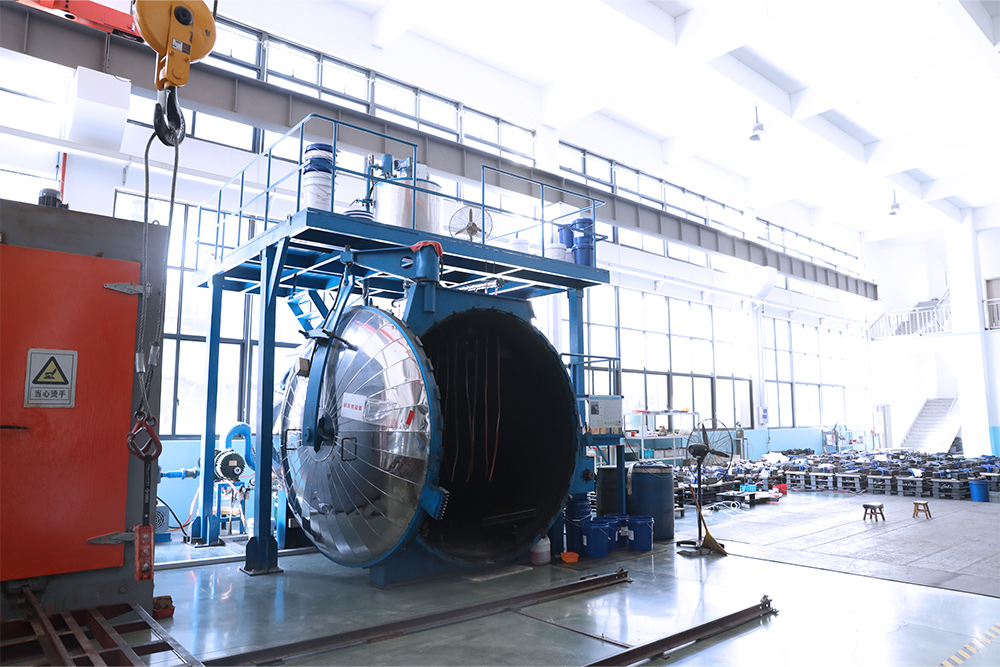
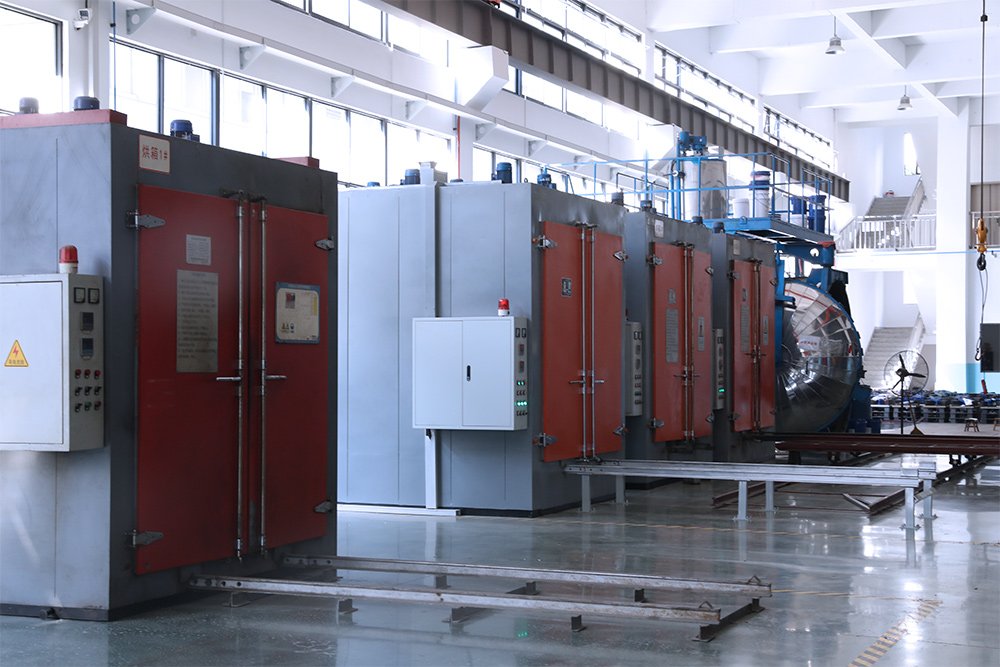
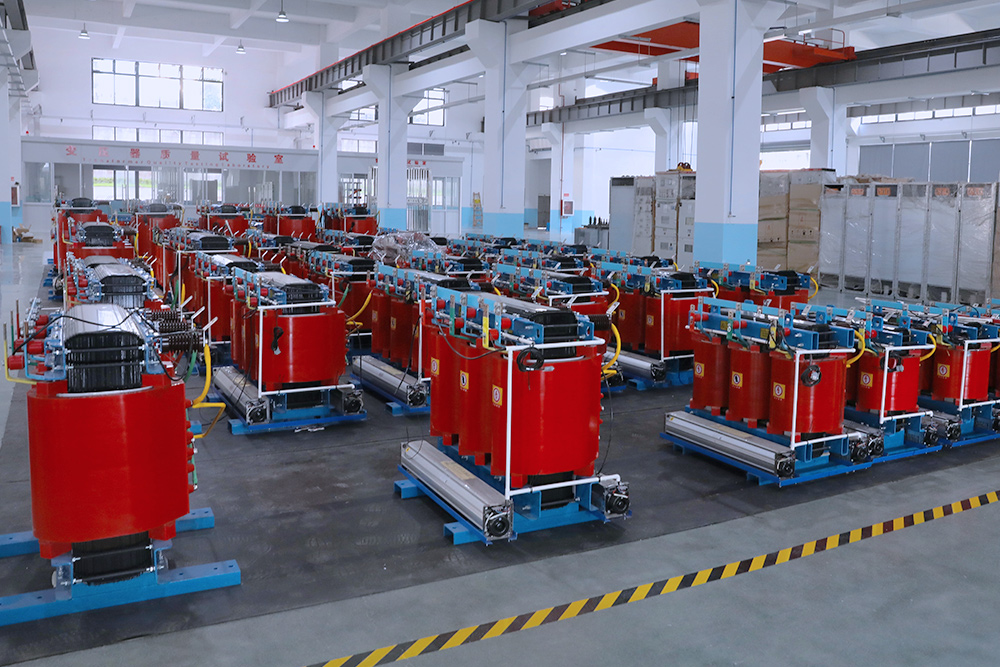
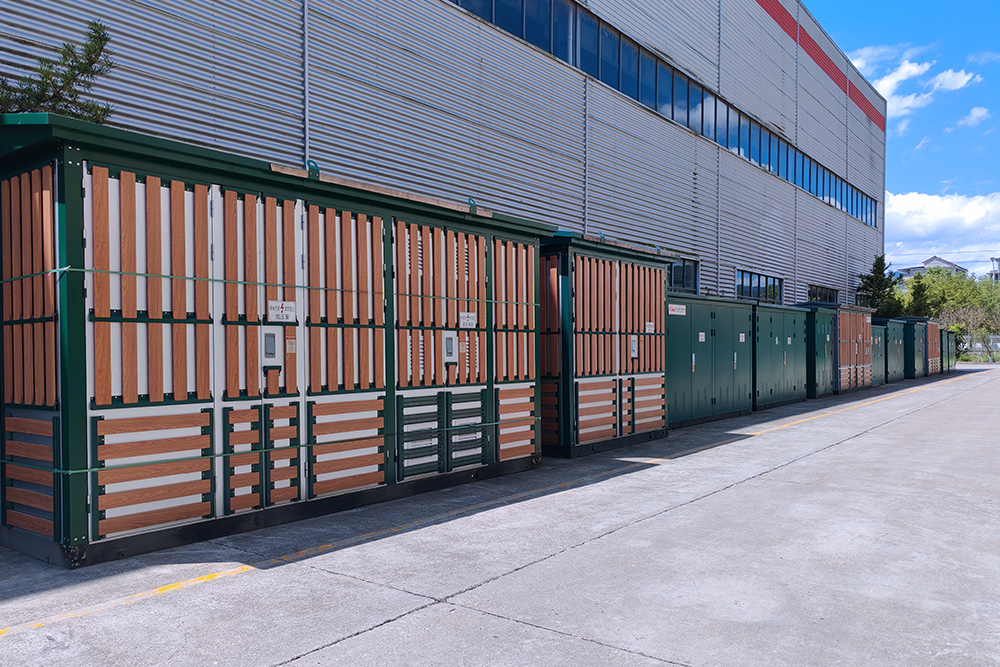
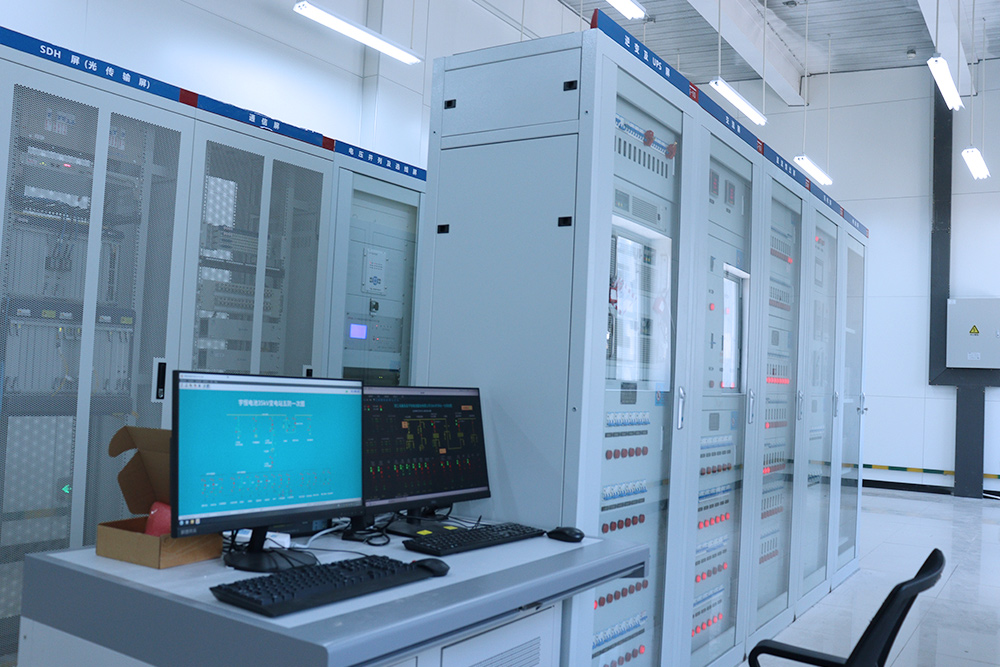
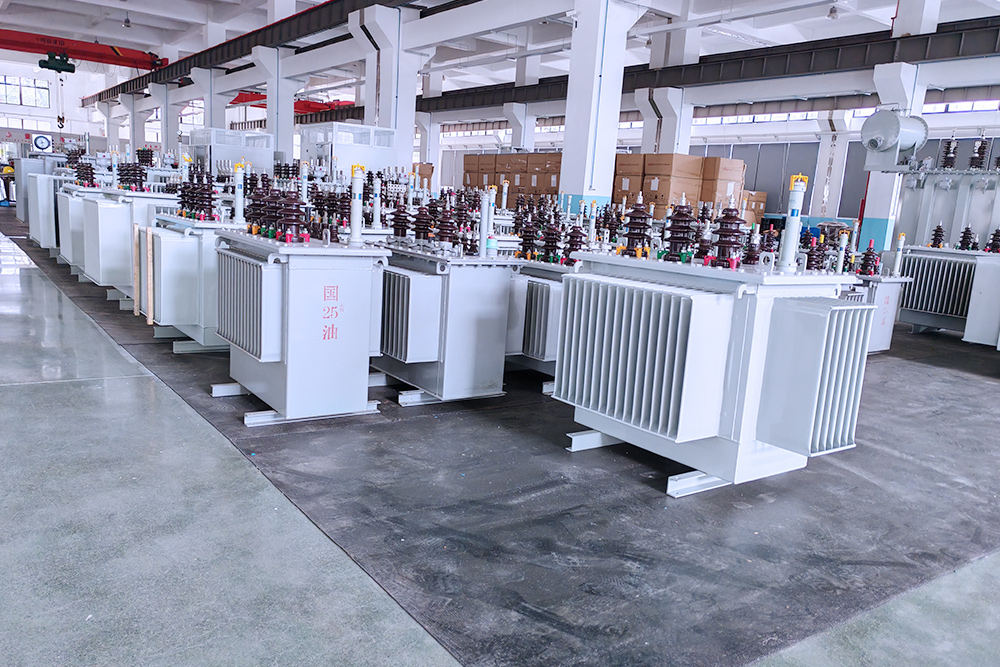
Comprehensive Solutions for Healthcare Electrical Infrastructure
Yueqing Suian Electric Co., Ltd. provides world-class distribution transformers and electrical solutions specifically designed for medical equipment isolation. With our state-owned enterprise strength, proven track record serving major healthcare projects, and access to China's most comprehensive electrical supply chain, we are your trusted partner for safe, reliable, and compliant medical electrical infrastructure.