

Leave Your Message
Precision-engineered transformers and instrument transformers designed for the demanding environments of wind farm power collection, grid integration, and renewable energy monitoring systems.
As the global energy transition accelerates, wind power has emerged as one of the fastest-growing sources of clean electricity. At the core of every wind farm's power delivery infrastructure lies the transformer — and dry type transformers have become the preferred choice for modern wind energy projects worldwide.
In a wind farm, each turbine generates electricity at low voltage (typically 690V). Dry type transformers — installed either inside the turbine tower or in adjacent nacelle enclosures — step up this voltage to medium voltage levels (6kV–35kV) for efficient transmission through the wind farm's internal collection grid. Unlike oil-filled transformers, dry type units use cast resin or air insulation, eliminating fire risks and environmental contamination from oil leaks, which is critical in both onshore and offshore wind environments.
Wind energy is inherently variable — power output fluctuates with wind speed, creating unique challenges for grid integration. Dry type transformers used in wind farm substations must handle rapid load changes, harmonic distortions from power converters, and voltage regulation demands. Modern units feature low partial discharge levels, Class F or H insulation systems, and advanced thermal monitoring to ensure continuous, reliable operation even under the most demanding grid conditions.
For onshore wind farms, dry type transformers are deployed in two primary roles: turbine step-up transformers (located within or adjacent to each wind turbine) and central substation transformers (stepping up voltage from the collection grid to transmission levels). Their compact design, low maintenance requirements, and ability to operate in dusty, humid, or high-altitude environments make them ideal for remote onshore wind sites across plains, mountains, and desert regions.
Offshore wind represents one of the most demanding applications for dry type transformers. Salt-laden air, high humidity, and limited maintenance access require transformers with superior corrosion resistance, IP54 or higher enclosure ratings, and extended service intervals. Dry type transformers with epoxy-cast windings are increasingly specified for offshore platform substations and floating wind installations, where fire safety and zero-oil-spill requirements are paramount.
Industry data indicates that wind farms adopting dry type transformer technology in their collection grids and substations benefit from significantly reduced operation and maintenance costs compared to oil-filled alternatives. Elimination of oil sampling, fire suppression systems, and containment infrastructure translates directly into lower lifecycle costs — a critical factor as developers seek to maximize returns on increasingly competitive renewable energy projects.
The dry type transformer market for wind farm integration is evolving rapidly, driven by technological innovation, policy mandates, and the global push for net-zero energy systems. Understanding these trends is essential for developers, EPCs, and utilities planning next-generation wind projects.
Next-generation dry type transformers for wind farms are increasingly equipped with embedded sensors, temperature monitoring systems, and IoT connectivity. Real-time data on winding temperature, partial discharge activity, and load current enables predictive maintenance strategies that minimize unplanned downtime — a critical advantage in remote wind farm locations where service visits are costly.
The adoption of vacuum pressure impregnation (VPI) technology and advanced epoxy resin systems is extending the operational life of dry type transformers in wind applications. New Class H and Class C insulation systems allow continuous operation at higher temperatures, enabling more compact designs and greater power density — ideal for space-constrained turbine nacelles and offshore platforms.
Sustainability is reshaping transformer design. Manufacturers are developing dry type transformers with recyclable insulation materials, reduced copper and core losses, and designs optimized for end-of-life disassembly. These eco-design principles align with the environmental objectives of wind energy projects and increasingly stringent EU and international product regulations.
As wind turbines grow in size — with individual units now exceeding 15MW — the associated step-up transformers must scale accordingly. Dry type transformer manufacturers are pushing voltage ratings to 36kV and beyond, with capacities reaching 10MVA per unit. This trend supports the development of utility-scale offshore wind arrays and large onshore wind farms in China, Europe, and the Americas.
Wind farms are increasingly co-located with solar PV, battery energy storage systems (BESS), and hydrogen production facilities. Dry type transformers in these hybrid energy hubs must accommodate bidirectional power flows, variable frequency drives, and DC-AC conversion interfaces. Purpose-designed units with enhanced harmonic tolerance are becoming standard specifications for multi-technology renewable energy projects.
China's Belt and Road Initiative is accelerating wind energy development across Southeast Asia, Africa, the Middle East, and Central Asia. Chinese dry type transformer manufacturers — backed by state-owned enterprise supply chains and competitive pricing — are supplying critical equipment for these international projects, with products meeting IEC, IEEE, and local grid codes simultaneously.
From individual turbine step-up to utility-scale grid interconnection, dry type transformers serve multiple critical functions across the full wind farm value chain. Here we explore the most important deployment scenarios in detail.
Installed inside the wind turbine tower base or nacelle, these compact dry type units step voltage from the generator output (typically 690V AC) to the collection grid voltage (6kV, 10kV, or 35kV). Cast resin insulation provides excellent resistance to the vibration, moisture, and temperature cycling inherent in turbine environments. Units are designed for Class F or H thermal performance and meet IEC 60076-11 standards for dry type power transformers.
At the central substation of an onshore wind farm, dry type transformers step up the collection grid voltage (typically 35kV) to transmission voltage (110kV–220kV) for export to the main grid. These larger units — often rated 50MVA and above — require advanced thermal management, on-load tap changers, and sophisticated protection relay integration to manage the variability of wind generation and maintain grid code compliance.
Offshore wind farm substations — whether fixed-foundation or floating — represent the most demanding application for dry type transformers. Fully enclosed in IP54-rated housings, these units must withstand salt fog, 100% humidity, and marine atmospheric corrosion while maintaining zero environmental risk. Leading offshore wind developers increasingly specify dry type over oil-filled units for platform substations, citing fire safety, reduced platform weight, and simplified environmental permitting.
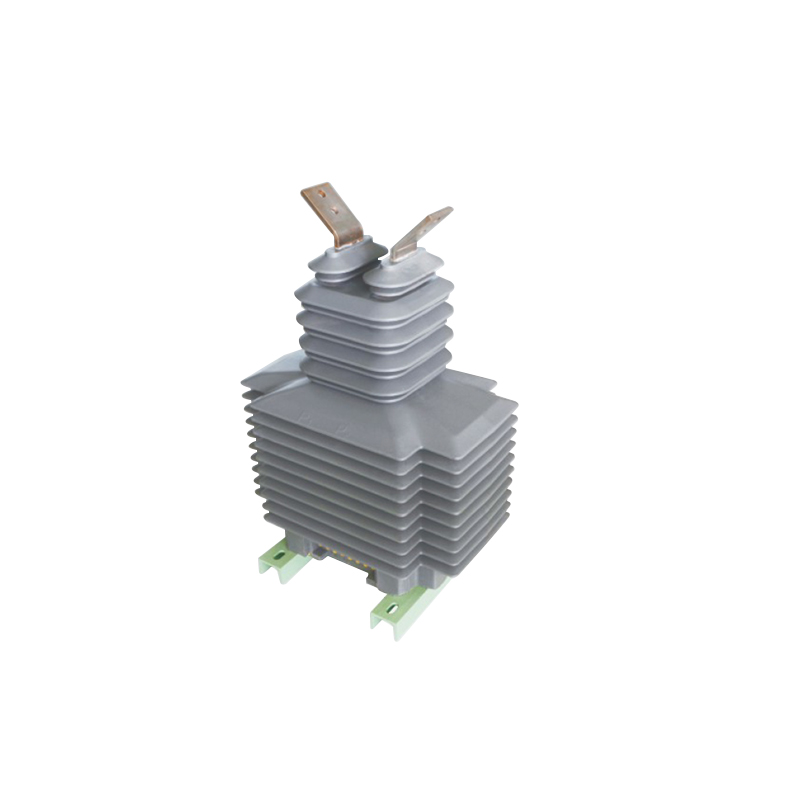
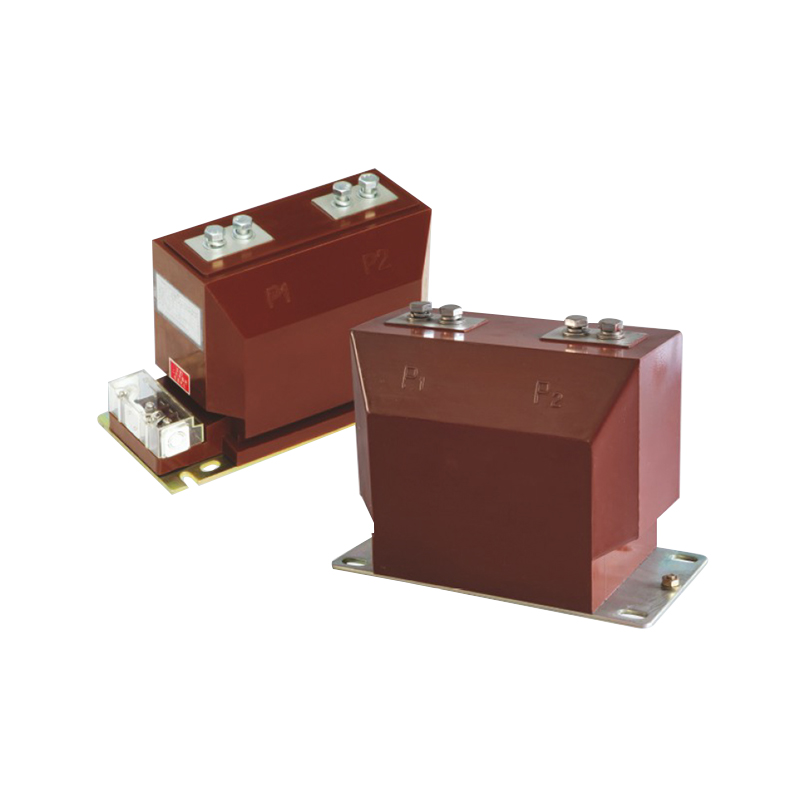
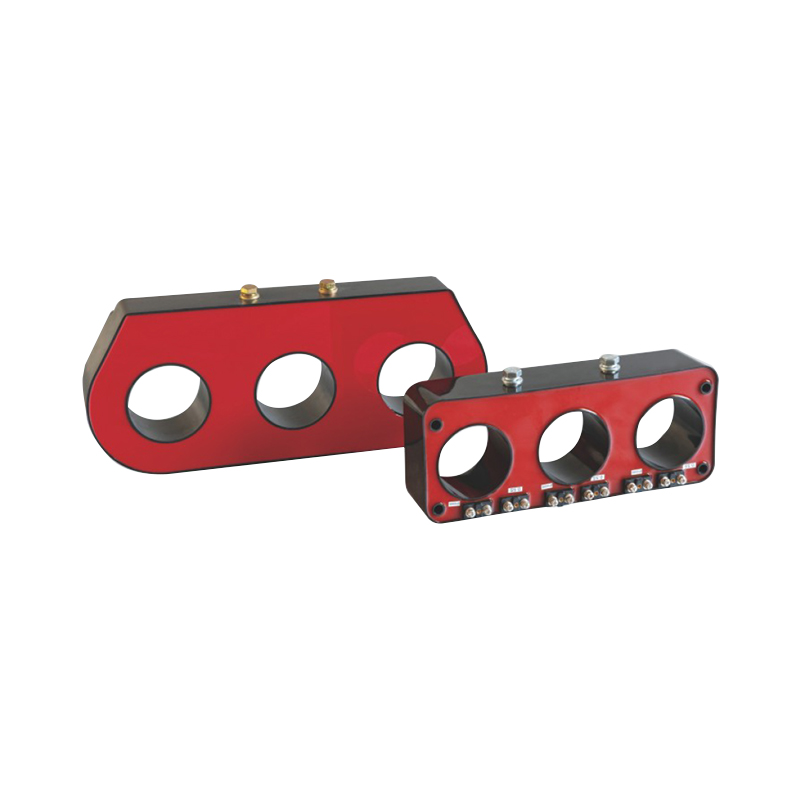
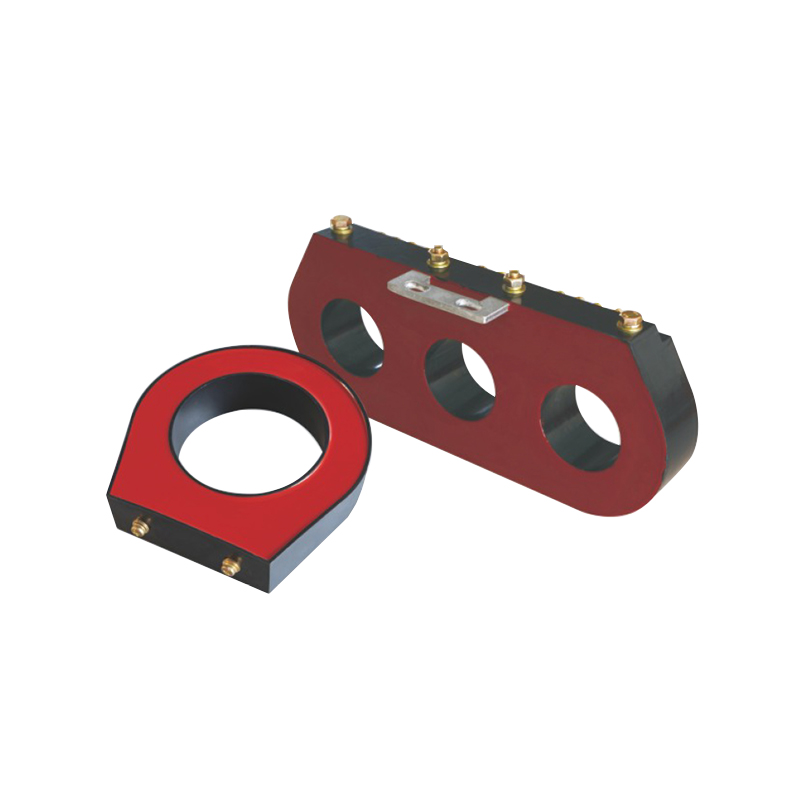
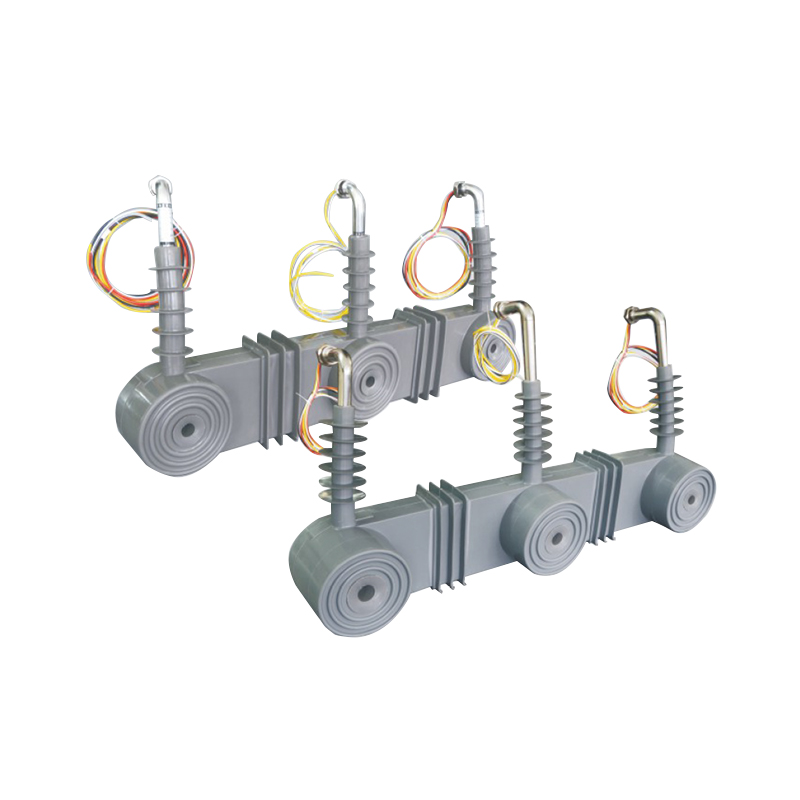
Accurate measurement and protection of wind farm electrical systems relies on high-precision current and voltage transformers deployed throughout the collection grid, substation, and grid connection point. Outdoor current transformers (such as the LZZBJ71-35 series) and ring network cabinet voltage transformers provide the measurement signals required for energy metering, revenue measurement, differential protection, and fault detection — all essential for safe, bankable wind farm operation.
As battery energy storage systems are integrated with wind farms to provide grid frequency regulation and capacity firming, dry type transformers serve as the interface between the BESS inverter output and the wind farm collection grid. These units must tolerate high harmonic content from power electronics and support rapid bidirectional power flow switching — capabilities that are now standard in purpose-designed wind-BESS integration transformers.
Many of the world's most productive wind resources are located at high altitudes (above 2,000m) or in extreme climates — from the Tibetan Plateau to Arctic regions. Dry type transformers for these applications require derating calculations for reduced air density, enhanced insulation for low-temperature starts, and anti-condensation heating systems. Chinese manufacturers have developed extensive experience in supplying transformers for high-altitude wind farms, a critical capability for Belt and Road energy projects in mountainous Central Asian nations.
Yueqing Suian Electric Co., Ltd. brings a unique combination of state-owned enterprise credibility, industrial cluster advantages, and proven project experience to wind farm transformer supply chains worldwide.

Backed by government capital support from Liushi Town People's Government, we possess robust financial strength, standardized compliant operations, and strong risk resilience capabilities that ensure business stability and reliability for large wind energy projects.

Extensive collaboration with industry-leading central state-owned enterprises including China Construction Eighth Engineering Division, China State Construction Engineering Corporation, and Sinopec — demonstrating capability to meet the most stringent quality standards in energy infrastructure.

Direct access to over 25,000 product models across 200+ series through our strategic position in China's electrical industry hub, ensuring diverse product selection, competitive pricing, and reliable supply continuity for wind farm developers globally.

Products and services meet IEC, IEEE, and international standards and certifications, making us ideally positioned for Belt and Road Initiative wind energy projects and overseas infrastructure development requiring reliable electrical solutions.




Yueqing Suian Electric Co., Ltd. is a wholly state-owned trading company controlled by Yueqing Liushi Urban and Rural Construction Investment Co., Ltd., with a registered capital of 10 million yuan. It has been deeply involved in the field of electrical product trading. With its solid state-owned background, rich experience in serving central enterprises, and the leading electrical industry ecosystem and location empowerment in China, it is committed to pioneering a new pattern of global electrical trade with the responsibility of a state-owned enterprise, becoming a core partner of the electrical supply chain trusted by global customers, and providing high-standard and reliable electrical products and solutions for overseas markets.
Liushi Town, known as "Zhejiang's No. 1 Industrial Strong Town," achieved a total industrial output value of 106.76 billion yuan in 2024, exceeding 100 billion yuan for two consecutive years and firmly ranking first in Zhejiang Province among the top 1,000 towns in China in terms of comprehensive strength. As a wholly state-owned enterprise, the company, backed by the state-owned capital of the Liushi Town Government, naturally possesses core advantages such as strong financial strength, compliant operation, and strong risk resistance.
The company has accumulated extensive cooperative experience in the domestic market, successfully serving numerous leading central enterprises, including China Construction Eighth Engineering Bureau, China Construction Science & Industry Group Co., Ltd., China Construction Second Engineering Bureau, and Sinopec. It has accumulated rich project experience in infrastructure engineering, energy and power, and other fields.
Based in Liushi, Yueqing, known as the "Electrical Capital of China" and the "Export Base of Low-Voltage Electrical Appliances in China," the company focuses on core trade in the electrical field. Boasting unparalleled supply chain advantages, it mainly deals in over 200 series and 25,000 models of products, including transformers, high and low voltage electrical equipment, complete sets of electrical equipment, wires and cables, and new energy electrical products.
Adhering to the core principles of "integrity as the foundation, compliance as the basis, and win-win cooperation as the way," Yueqing Sui'an Electric Co., Ltd. builds a solid foundation for cooperation with the credibility of a state-owned enterprise, ensures product quality with the service experience of a central enterprise, empowers global competitiveness with the advantages of industrial clusters, and connects overseas markets with professional services.
Wholly state-owned, backed by Liushi Town Government capital — delivering unmatched financial strength and compliance standards for global wind energy projects.
Deeply integrated into the Belt and Road Initiative, connecting Chinese electrical manufacturing excellence with overseas wind energy and infrastructure projects across 39+ countries.
Located in Liushi — China's Electrical Capital — with direct access to 200+ product series, 25,000+ models, and the world's most competitive electrical manufacturing cluster.
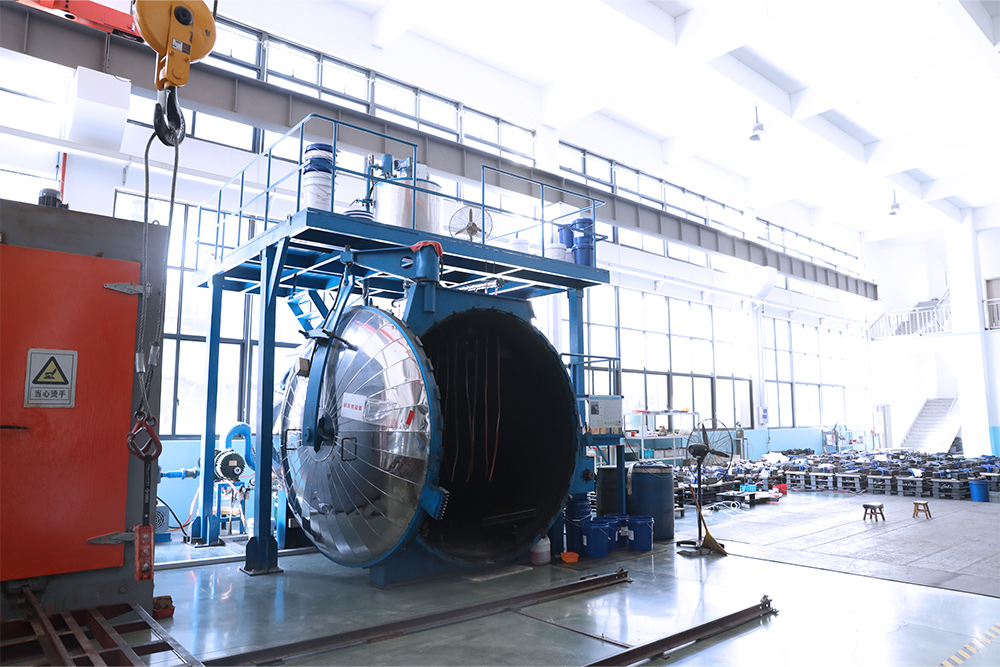
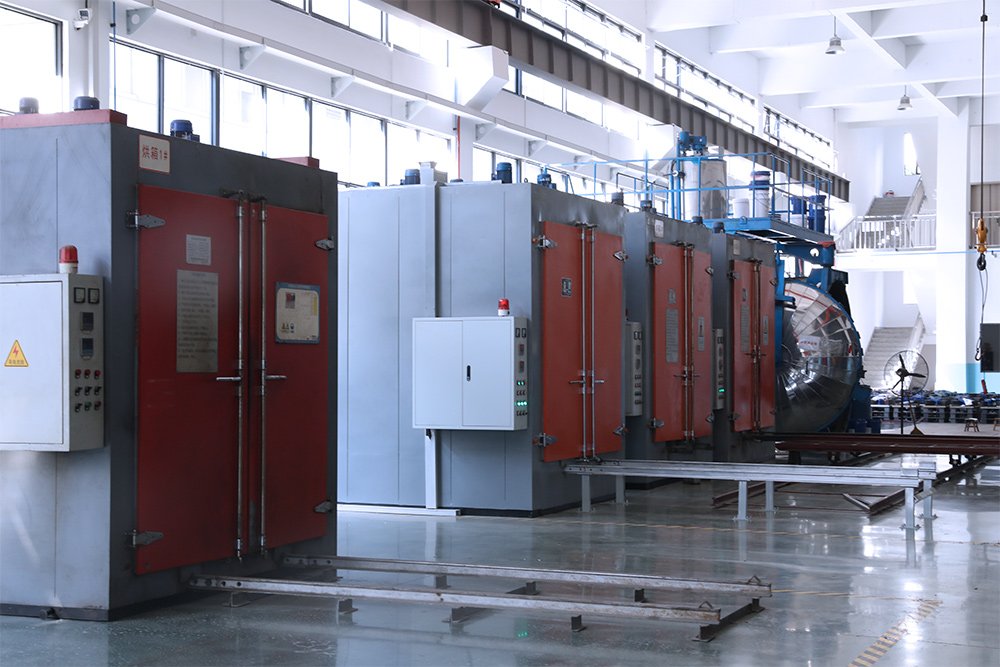
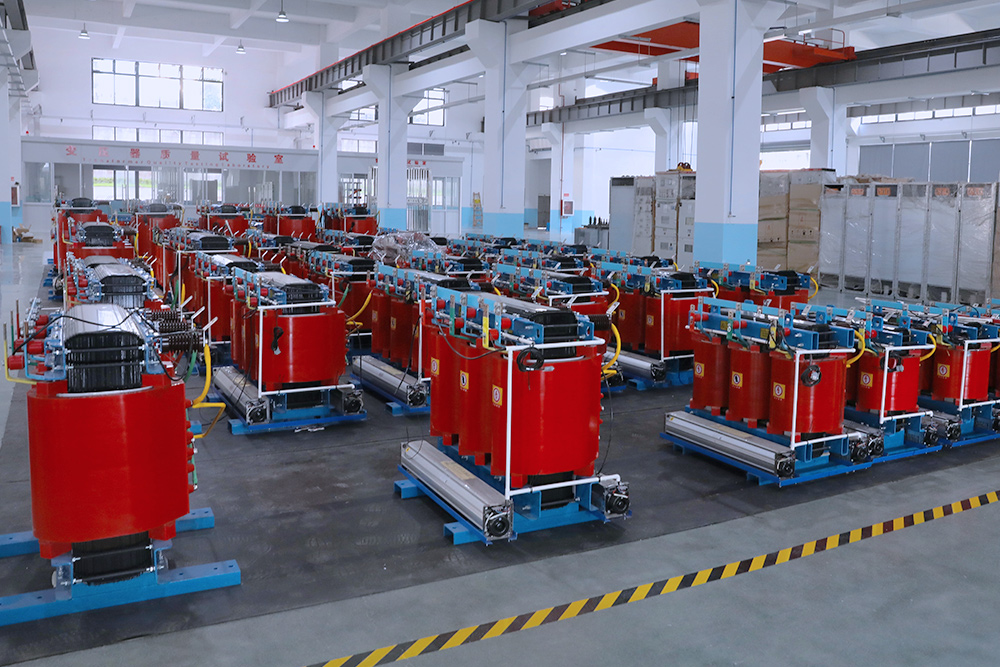
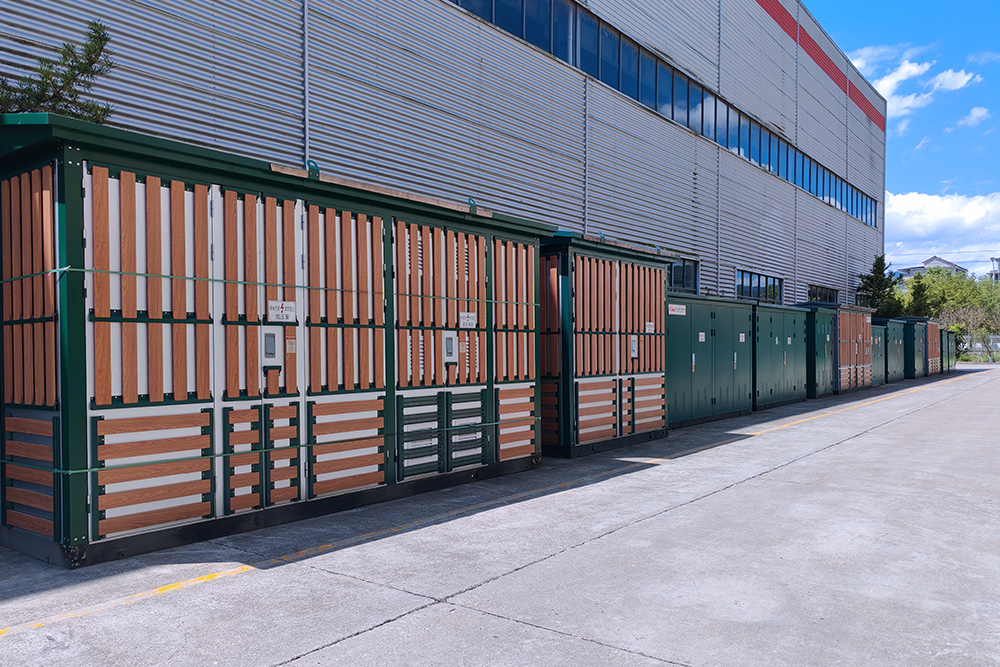
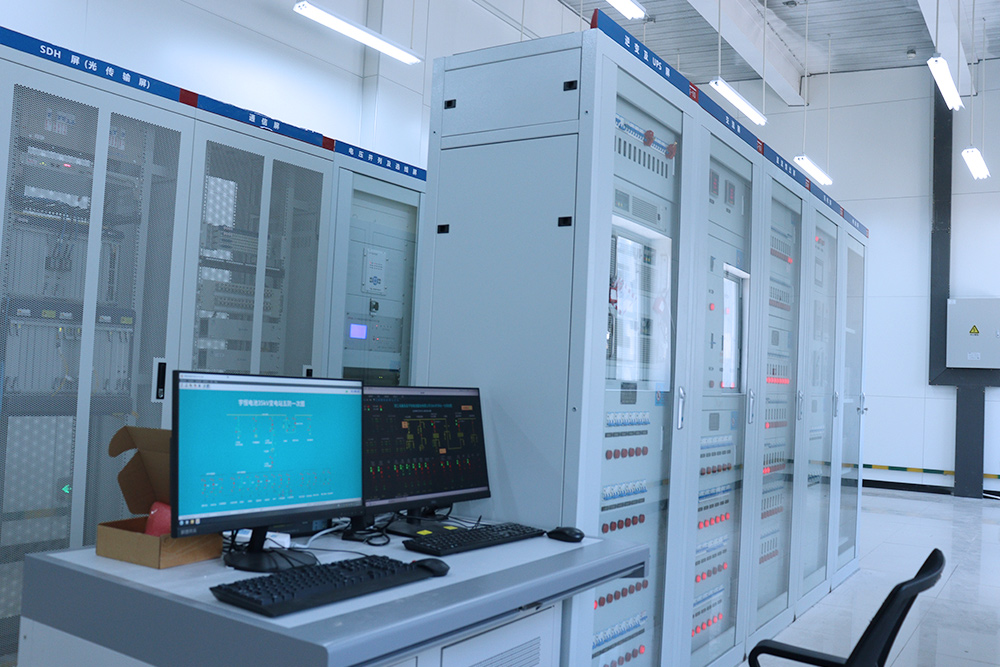
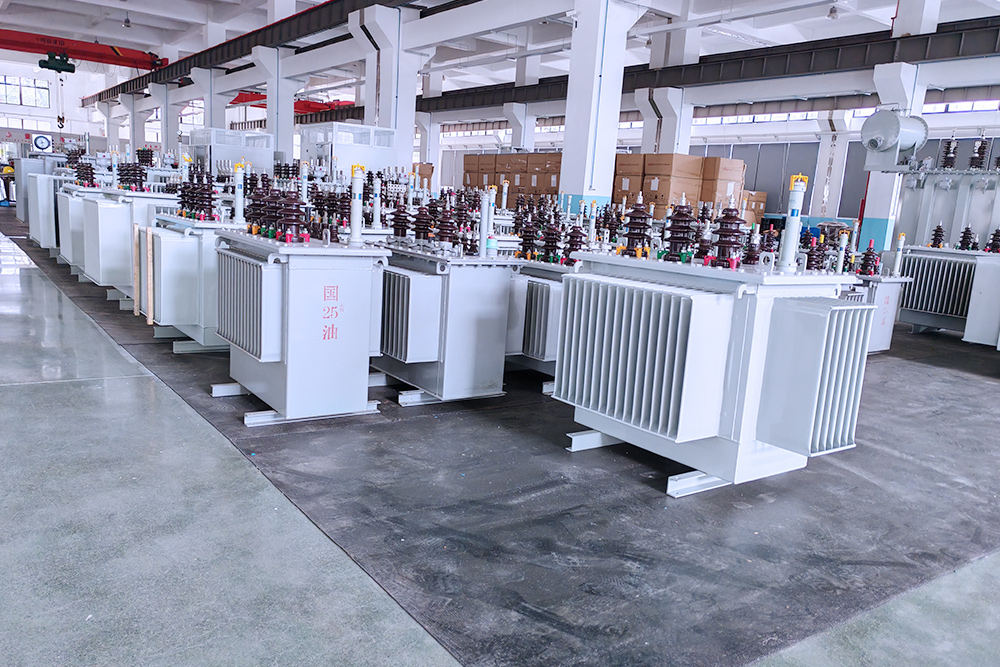
Our production facilities feature advanced manufacturing and testing equipment, ensuring every dry type transformer meets the highest quality standards required for wind farm integration applications.
Explore our comprehensive range of current transformers, voltage transformers, and combination transformers engineered for wind farm power collection, metering, and protection applications.



Whether you are developing an onshore wind farm, an offshore wind platform, or a hybrid renewable energy project, Yueqing Suian Electric Co., Ltd. provides the dry type transformers, instrument transformers, and electrical solutions you need — backed by state-owned enterprise reliability and China's leading electrical supply chain.
Request a Quote →