

Overview of Dry Type Transformers for Generator Voltage Step-Up
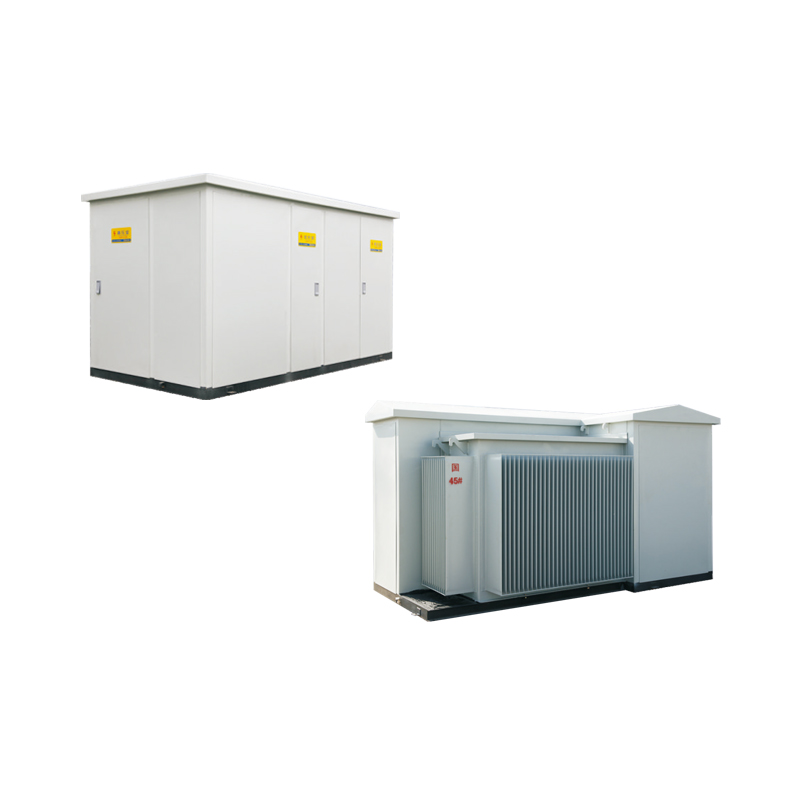
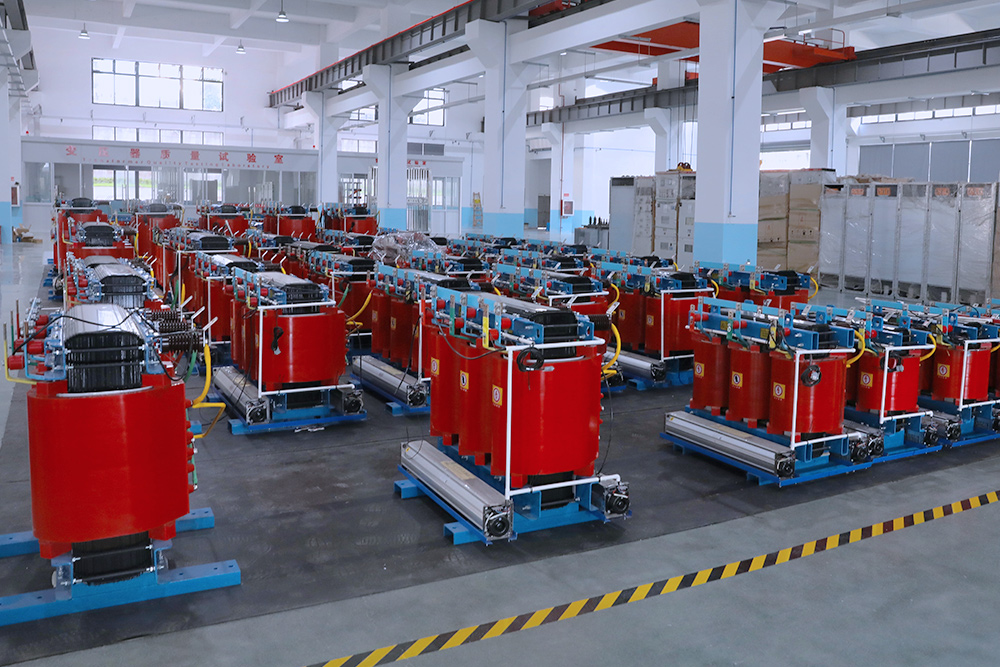
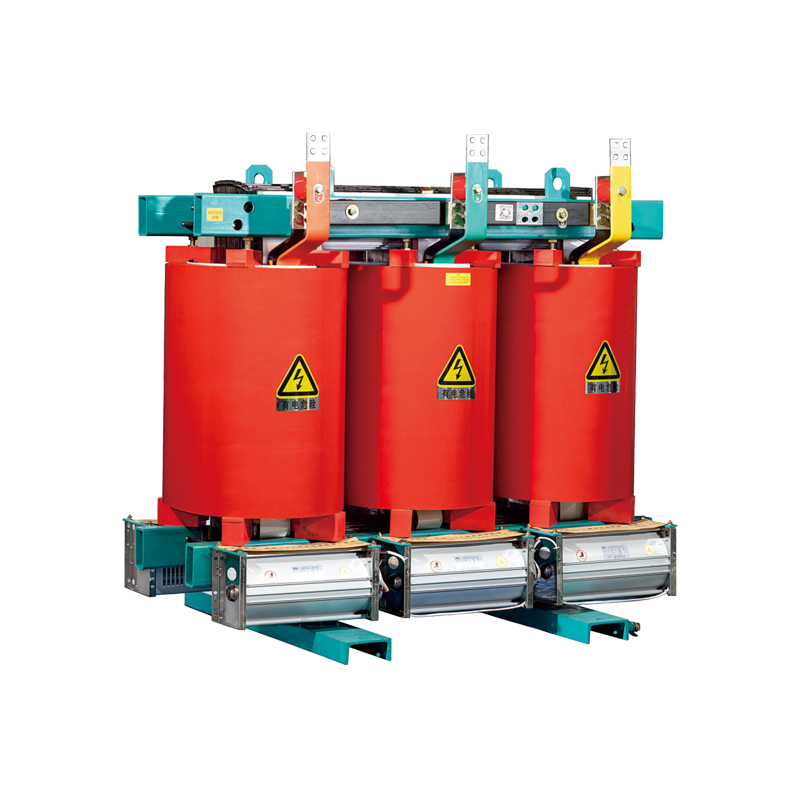
Dry type transformers play a crucial role in electrical power systems, particularly when it comes to stepping up generator voltage. Unlike traditional oil-filled transformers, dry type transformers are insulated by air and epoxy resin, which provides enhanced safety, environmental friendliness, and lower maintenance requirements. This makes them an ideal choice for industrial applications where reliability, compactness, and robustness are essential.
Specifically, when paired with power generators, dry type transformers step up the output voltage to match transmission or distribution network requirements, ensuring efficient energy transfer. Their design typically emphasizes high insulation strength and thermal performance, enabling the handling of fluctuating load demands and transient conditions common in modern power plants and renewable energy facilities.
Current Industrial Usage and Commercial Landscape
In commercial and industrial sectors, dry type transformers for stepping up generator voltage have gained significant traction, driven by market demands for cleaner, safer, and more compact electrical equipment. Industries including manufacturing, data centers, hospitals, and renewable energy farms have adopted dry type transformers to meet stringent environmental and safety standards, especially in urban or densely populated locations where oil-filled transformers pose higher fire risks.
Additionally, the growing trend toward decentralized power generation—such as Combined Heat and Power (CHP) systems, wind turbines, and photovoltaic plants—fuels the demand for reliable and versatile dry type step-up transformers. Their ability to operate efficiently in harsh environments with minimal emissions makes them a preferred choice for these applications.
Technological Trends and Development Directions
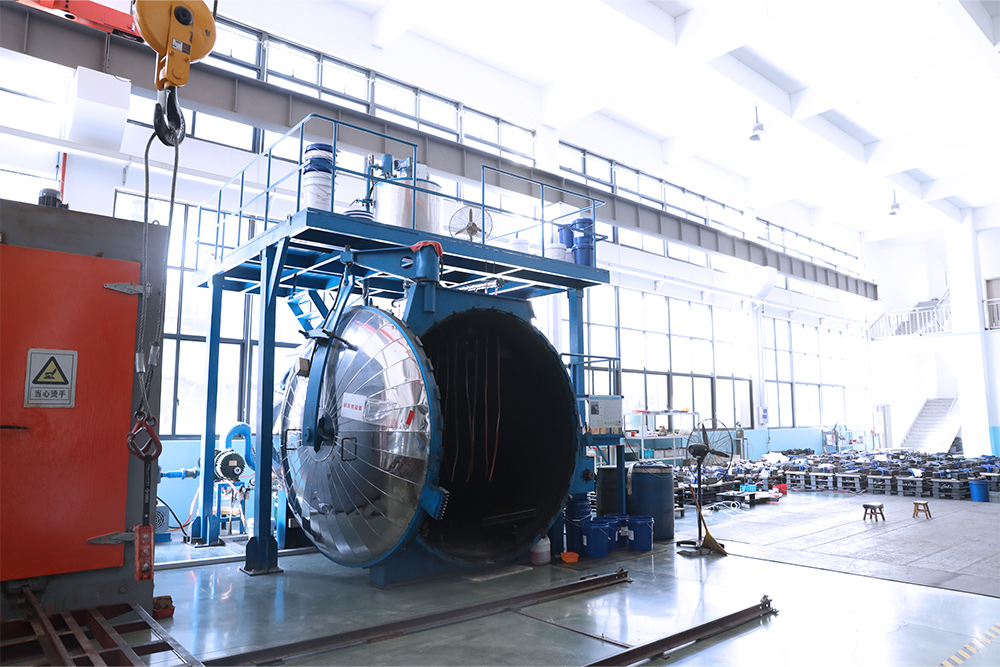
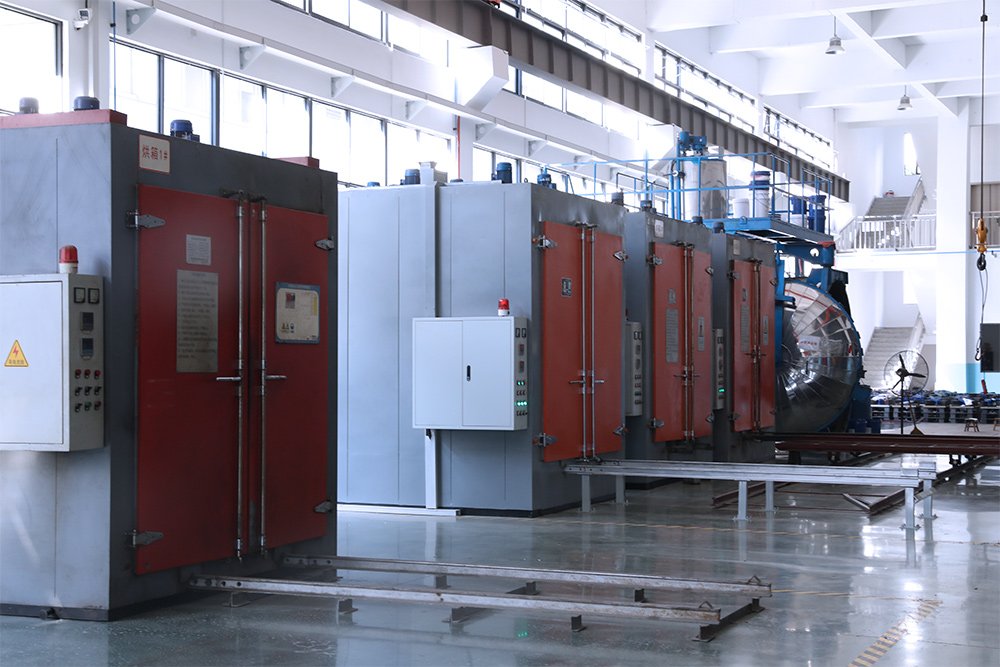
Recent technological advancements have further improved dry type transformer performance. Innovations in resin formulations, vacuum pressure impregnation (VPI) processes, and magnetic core materials have enhanced electrical efficiency, thermal dissipation, and operational longevity. Smart monitoring technologies integrated within dry type transformers now enable predictive maintenance and real-time diagnostics, reducing downtime and operational costs.
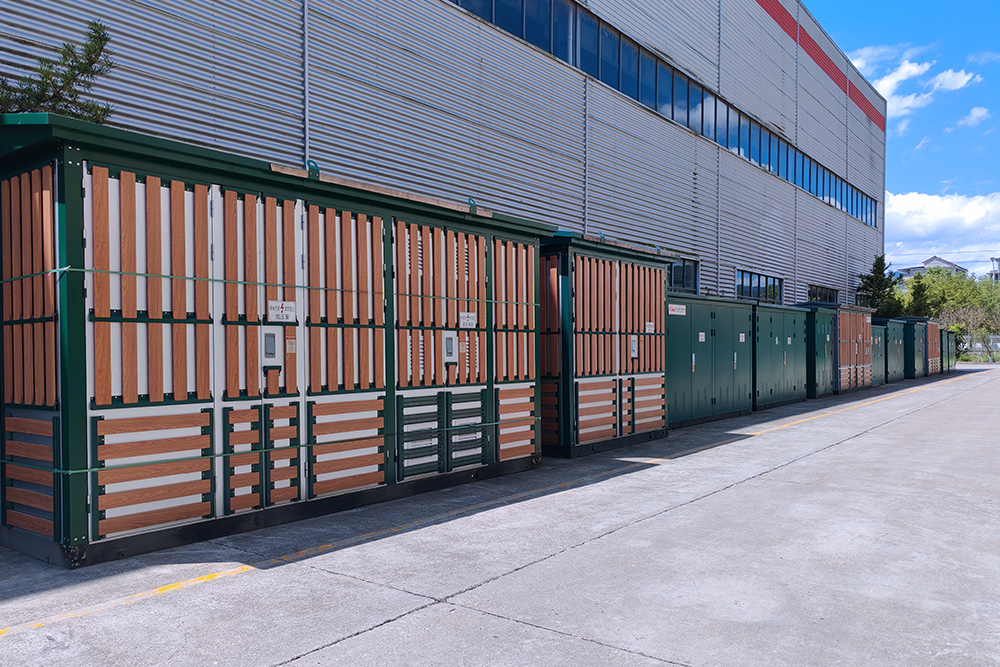
Furthermore, modular designs are becoming more prevalent, allowing configurations tailored to specific voltage and power needs while simplifying installation and scalability. Integration with renewable energy systems and smart grid infrastructure emphasizes compatibility with emerging energy storage and power electronic devices, setting a new benchmark for transformer adaptability.
In-Depth Application Scenarios
- Renewable Energy Plants: Dry type step-up transformers are essential in wind and solar farms, stepping up intermittent generation voltages for grid integration with minimal losses and excellent environmental safety.
- Manufacturing and Industrial Complexes: These transformers ensure stable voltage supply in facilities with heavy electrical machinery, offering robust performance against electrical faults and temperature extremes.
- Hospitals and Critical Infrastructure: The fire-safe, low-maintenance nature of dry type transformers supports continuous, safe power supply where downtime is unacceptable.
- Data Centers and Communication Facilities: Dry type transformers provide clean and reliable power, ensuring sensitive electronic infrastructure is protected from voltage fluctuations.
- Urban Distribution Networks: Their compact footprint and enhanced safety features are well-suited for installation in constrained urban environments, including indoors.
Commercial Advantages of Dry Type Transformers for Generator Voltage Step-Up
The commercial benefits of dry type transformers in these stepping-up scenarios include reduced operational costs due to negligible oil handling, minimal fire risk allowing installation near or inside buildings, and compliance with increasingly strict environmental regulations worldwide. The longer lifespan and reduced maintenance further improve return on investment, while the transformers’ recyclability aligns with corporate sustainability goals.
Moreover, the versatility of dry type transformers enables them to be customized for a wide voltage range and power rating, fitting diverse project scales from small commercial generators to large industrial facilities.