
Leave Your Message
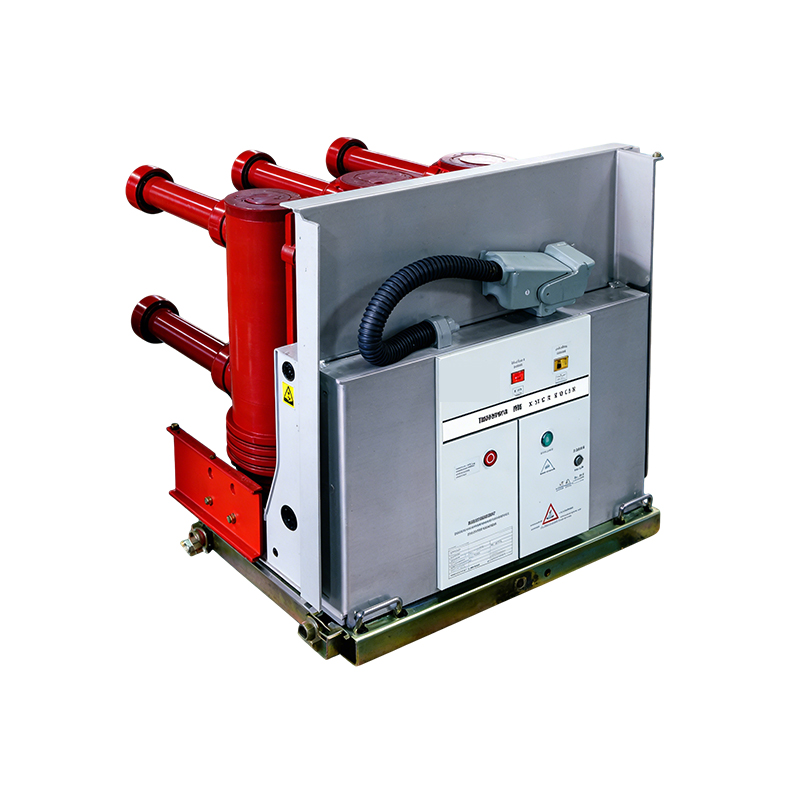
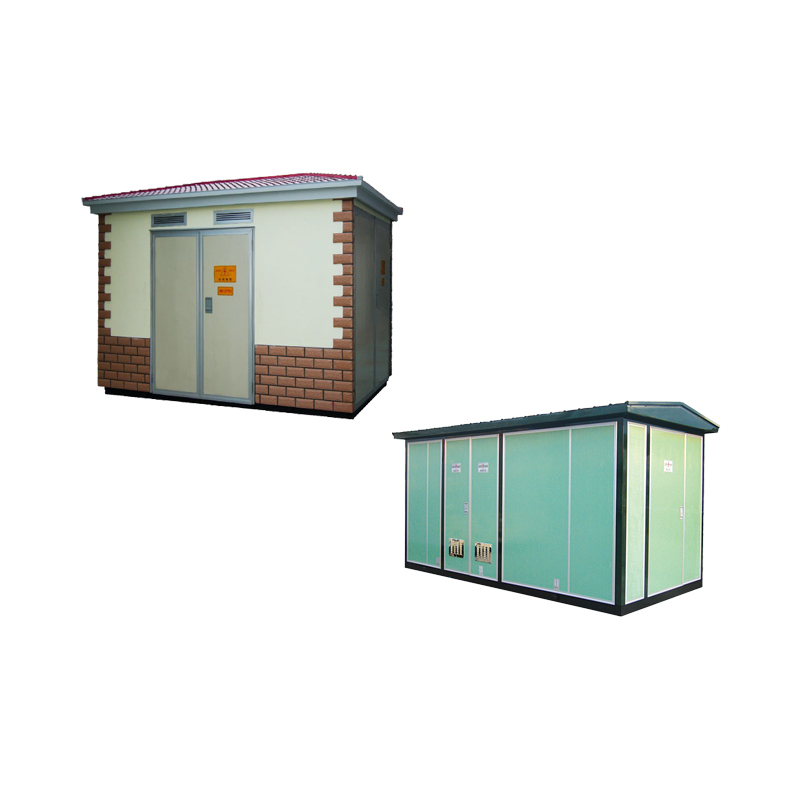
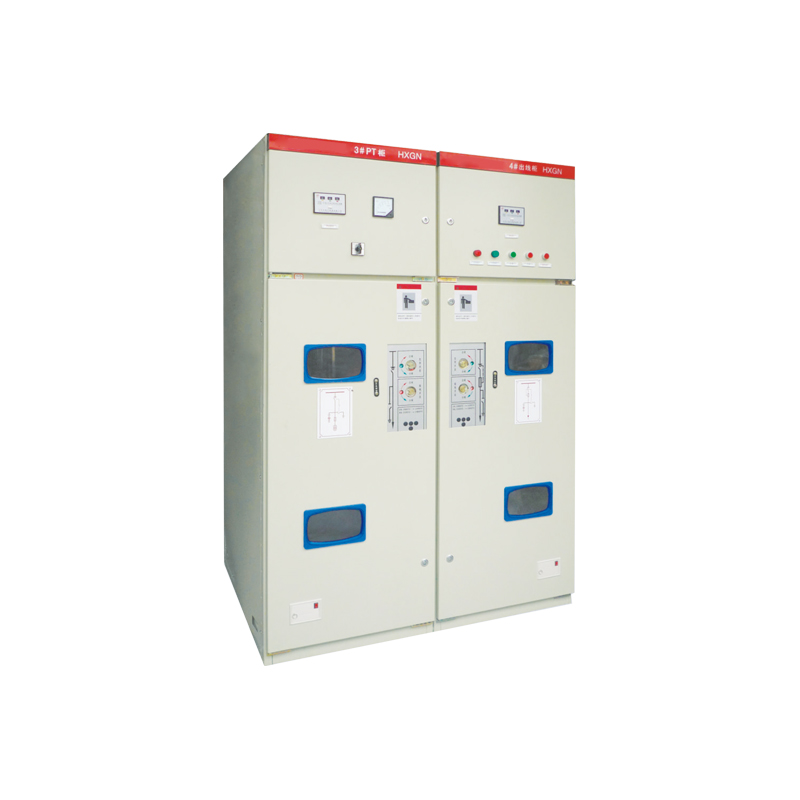
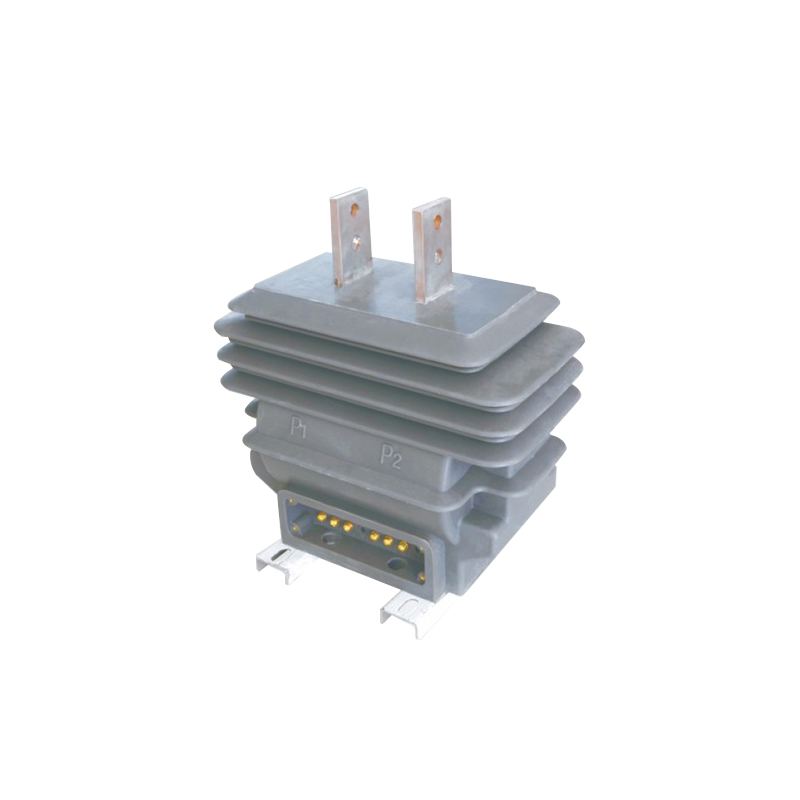
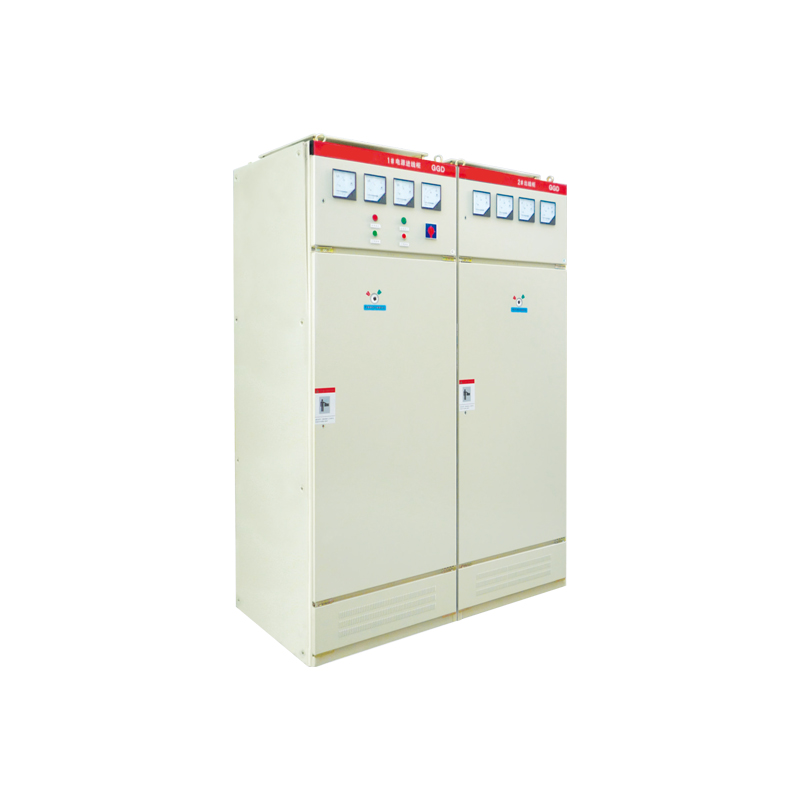
An electric distribution box — also referred to as a power distribution panel, electrical panel, or breaker box — is the central nerve of any urban residential electricity distribution system. It receives incoming electrical power from the utility grid or a substation and distributes it safely across multiple circuits serving individual apartments, common areas, lighting systems, elevators, HVAC units, and other residential loads.
In modern urban environments, where high-density residential towers, smart apartment complexes, and mixed-use developments are the norm, the electric distribution box must handle increasingly complex demands: higher power loads, bidirectional energy flows from rooftop solar panels, EV charging stations, and smart home automation systems — all while maintaining strict safety standards and uninterrupted service.
As cities across Asia, Africa, the Middle East, and Southeast Asia undergo rapid urbanization, the demand for advanced, reliable, and intelligent electric distribution boxes for residential applications has surged to unprecedented levels, making this one of the most strategically important product categories in the global electrical equipment market.
With over 68% of the world's population projected to live in urban areas by 2050 (UN data), the construction of high-density residential complexes is accelerating across emerging markets in Southeast Asia, Africa, and the Middle East. Each new residential tower requires sophisticated multi-level electric distribution box systems — from high-voltage incoming switchgear at the substation level down to low-voltage distribution panels on every floor. This structural demand is creating a sustained, multi-decade growth cycle for urban residential power distribution equipment manufacturers and suppliers.
Modern electric distribution boxes are no longer passive hardware — they are becoming intelligent nodes within smart grid ecosystems. The integration of IoT sensors, real-time power quality monitors, automated fault detection, and remote SCADA connectivity is transforming how urban residential buildings manage electricity. Smart distribution panels can now communicate consumption data to utility operators, automatically balance loads, detect anomalies before failures occur, and integrate seamlessly with building energy management systems (BEMS). This digital transformation is reshaping product specifications and creating premium market segments for intelligent distribution solutions.
The proliferation of rooftop solar PV systems, battery energy storage systems (BESS), and EV charging infrastructure in residential buildings is fundamentally changing the requirements for distribution boxes. Traditional unidirectional panels are being replaced by bidirectional-capable distribution systems that can manage energy flows from multiple generation sources. Governments across Europe, China, and Southeast Asia are mandating net-zero building standards, making energy-flexible distribution infrastructure a regulatory requirement rather than an optional upgrade — a powerful market catalyst for advanced distribution box manufacturers.
Aging electrical infrastructure in many urban markets is driving massive replacement and upgrade cycles. Stricter fire safety regulations, arc-fault protection requirements, and ground-fault interrupter mandates are compelling building owners and developers to invest in modern, compliant distribution systems. In China, the updated GB/T standards for residential distribution equipment have set new benchmarks for safety performance, while internationally, IEC 61439 compliance is becoming a prerequisite for market entry in most developed economies. This regulatory tailwind is accelerating the retirement of legacy equipment and fueling demand for next-generation distribution boxes.
China's Belt and Road Initiative (BRI) has created enormous demand for electrical infrastructure equipment across more than 140 participating countries. Residential and mixed-use development projects in BRI corridors — spanning Central Asia, East Africa, South Asia, and Southeast Asia — require complete electrical distribution systems from substations to individual unit panels. Chinese electrical equipment manufacturers and trading companies with proven central SOE project experience are uniquely positioned to serve these markets, offering cost-competitive, internationally certified products with comprehensive technical support and after-sales services.
Artificial intelligence is entering the electric distribution box domain through predictive maintenance platforms that analyze thermal imaging data, vibration signatures, and electrical parameters to forecast component failures weeks before they occur. Leading utilities and property management companies are deploying AI-powered distribution monitoring systems that dramatically reduce unplanned outages in urban residential buildings. This emerging application is creating new value-added service opportunities for distribution equipment suppliers who can offer integrated hardware-software solutions combining smart distribution panels with cloud-based analytics platforms.
International compliance assured
Smart grid integration built-in
Scalable for any project size
Advanced safety engineering
Global supply chain coverage
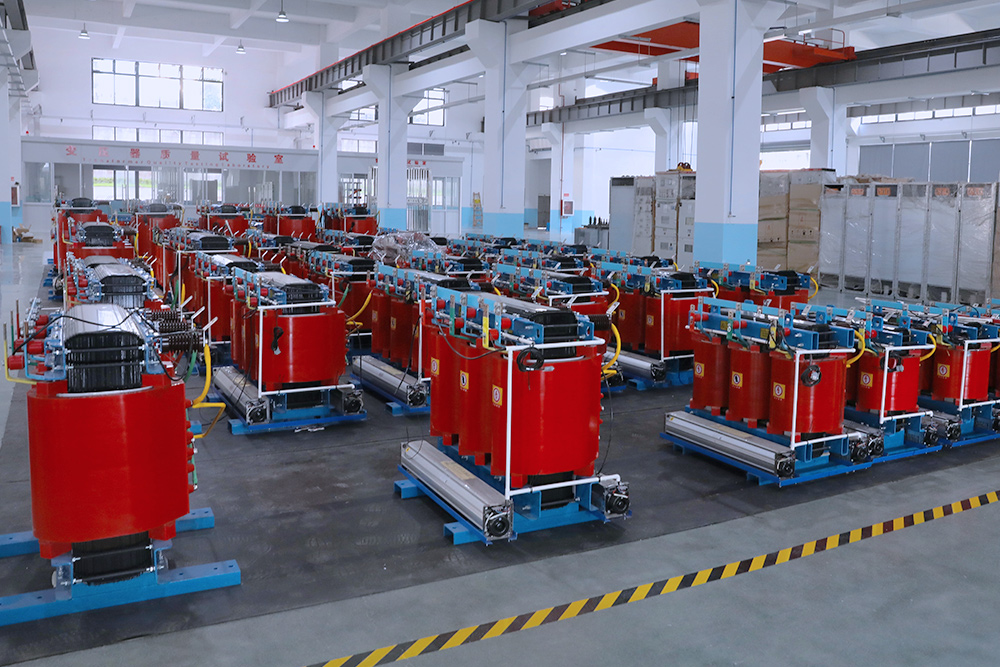
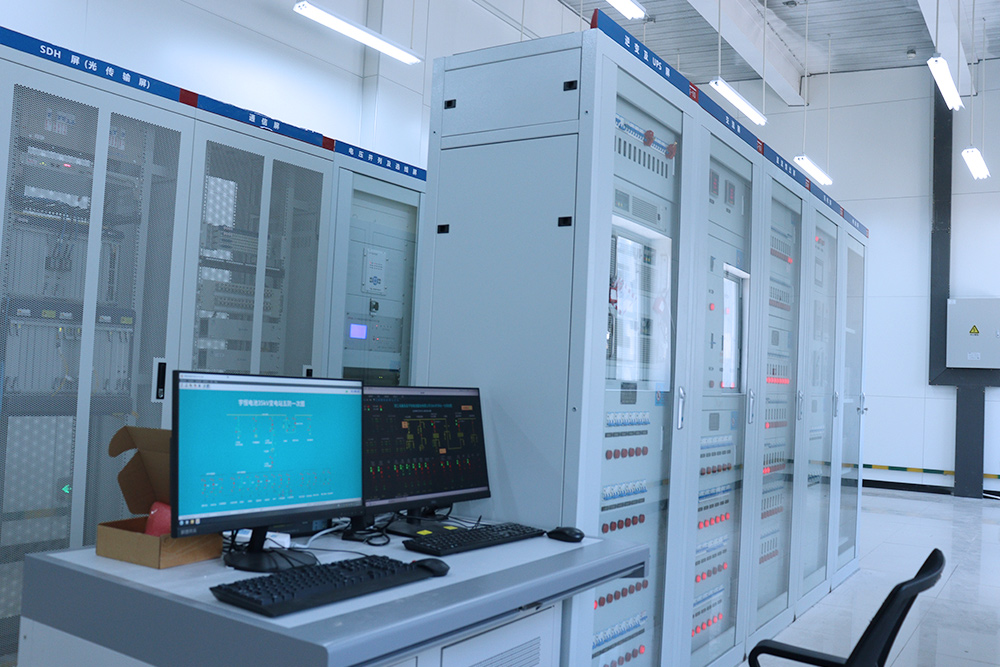
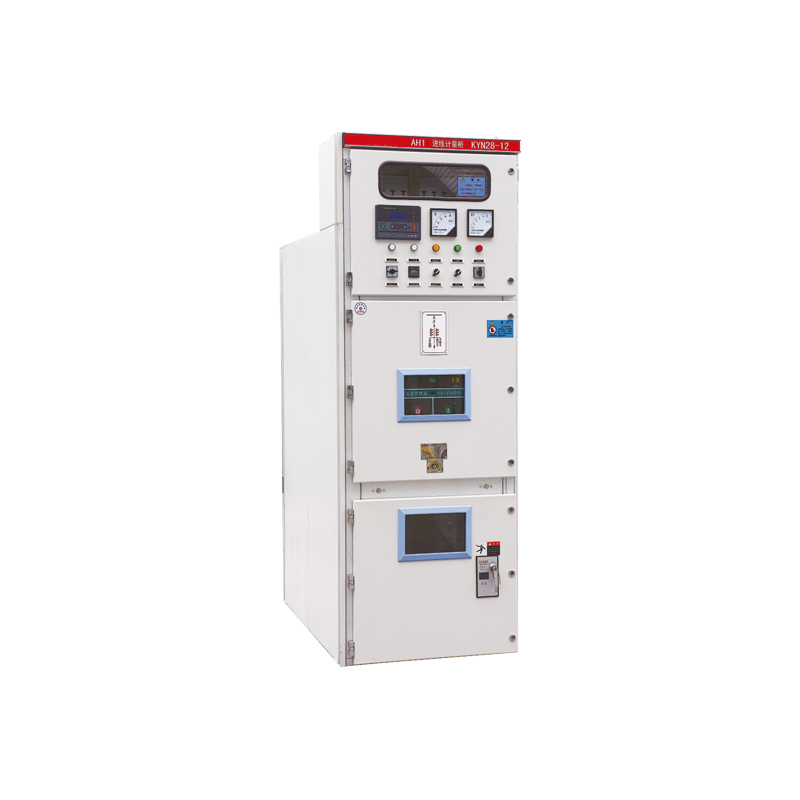
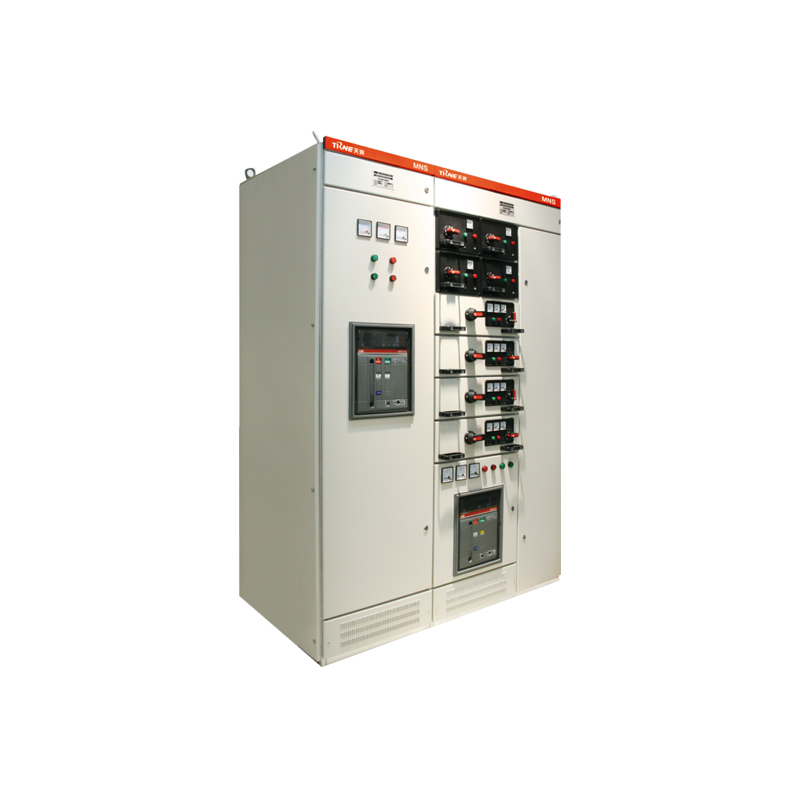
In skyscrapers and high-density apartment towers, multi-tier distribution systems are essential. High-voltage switchgear and prefabricated substations receive power at 10kV–35kV from the grid, step it down through dry-type transformers, and feed low-voltage distribution boards on each floor. Distribution boxes on every level manage circuits for individual units, corridor lighting, fire alarm systems, and emergency power supplies — all requiring meticulous coordination and fail-safe redundancy.
Modern gated communities and villa developments deploy intelligent distribution boxes that integrate with home automation systems. These panels feature smart metering, remote load management, and solar PV integration points. Each villa's distribution box connects to a community-level management platform, enabling property managers to monitor energy consumption, detect faults, and manage EV charging loads across hundreds of residential units simultaneously — a rapidly growing application in China, the UAE, and Southeast Asia.
The explosive growth of electric vehicles is creating unprecedented demand for upgraded residential distribution infrastructure. Standard residential distribution boxes must be replaced or supplemented with higher-capacity panels capable of managing the additional loads from Level 2 and DC fast chargers in underground parking facilities. Smart load management distribution systems can dynamically allocate charging power based on grid capacity and resident demand — a critical application for any urban residential complex built or renovated after 2022.
Urban residential buildings with rooftop solar PV systems require specialized distribution boxes capable of managing bidirectional energy flows. These advanced panels integrate anti-islanding protection, grid-tie inverter interfaces, and battery storage connection points. In China's "dual carbon" policy framework and under EU energy independence mandates, solar-ready distribution infrastructure is becoming a standard requirement for new residential developments, creating a substantial upgrade market for existing housing stock as well.
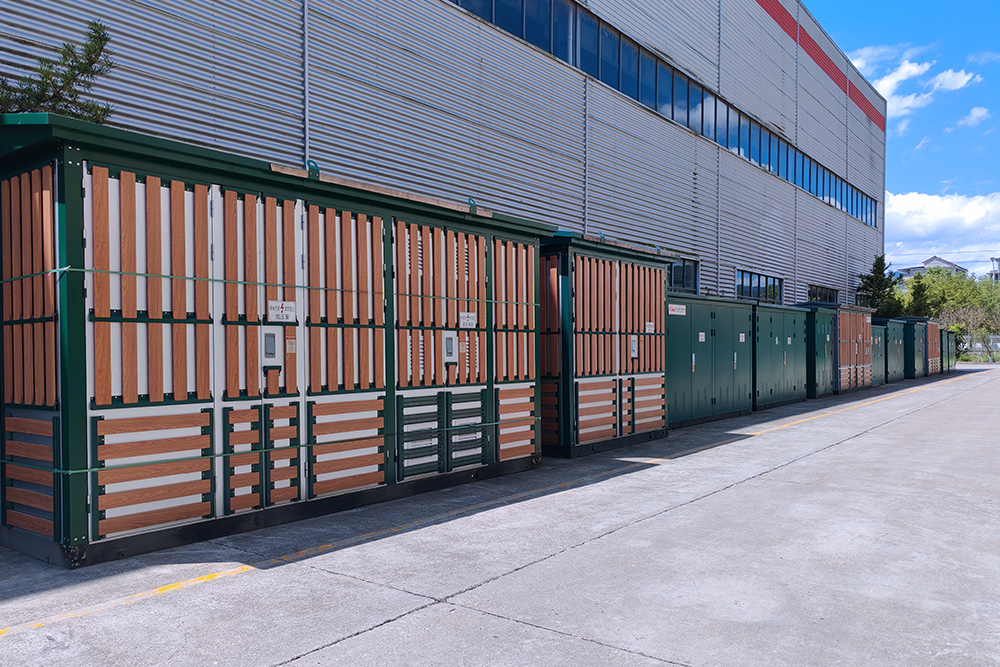
Urban mixed-use projects — combining residential apartments with retail, office, and hospitality spaces — require highly sophisticated distribution architectures with separate metering zones, dedicated supply circuits for commercial tenants, and emergency backup systems for critical loads. The distribution box hierarchy in these projects typically spans from 35kV primary substations through secondary distribution to individual tenant panels, requiring seamless integration of equipment from multiple product families and voltage classes.
Aging urban residential districts in China, Eastern Europe, and emerging markets are undergoing large-scale electrical infrastructure modernization programs. Replacing decades-old distribution boxes with modern, smart-capable panels is a priority for both safety compliance and energy efficiency improvements. These urban renewal projects represent a massive addressable market for suppliers offering cost-effective, standards-compliant distribution solutions with minimal installation disruption — a key capability for companies with central SOE project execution experience.
Yueqing Suian Electric Co., Ltd. is a wholly state-owned trading company controlled by Yueqing Liushi Urban and Rural Construction Investment Co., Ltd., with a registered capital of 10 million yuan. It has been deeply involved in the field of electrical product trading. With its solid state-owned background, rich experience in serving central enterprises, and the leading electrical industry ecosystem and location empowerment in China, it is committed to pioneering a new pattern of global electrical trade with the responsibility of a state-owned enterprise, becoming a core partner of the electrical supply chain trusted by global customers, and providing high-standard and reliable electrical products and solutions for overseas markets.
Liushi Town, known as "Zhejiang's No. 1 Industrial Strong Town," achieved a total industrial output value of 106.76 billion yuan in 2024, exceeding 100 billion yuan for two consecutive years and firmly ranking first in Zhejiang Province among the top 1,000 towns in China in terms of comprehensive strength. As a wholly state-owned enterprise, the company, backed by the state-owned capital of the Liushi Town Government, naturally possesses core advantages such as strong financial strength, compliant operation, and strong risk resistance.
The company has accumulated extensive cooperative experience in the domestic market, successfully serving numerous leading central enterprises, including China Construction Eighth Engineering Bureau, China Construction Science & Industry Group Co., Ltd., China Construction Second Engineering Bureau, and Sinopec. It has accumulated rich project experience in infrastructure engineering, energy and power, and other fields.
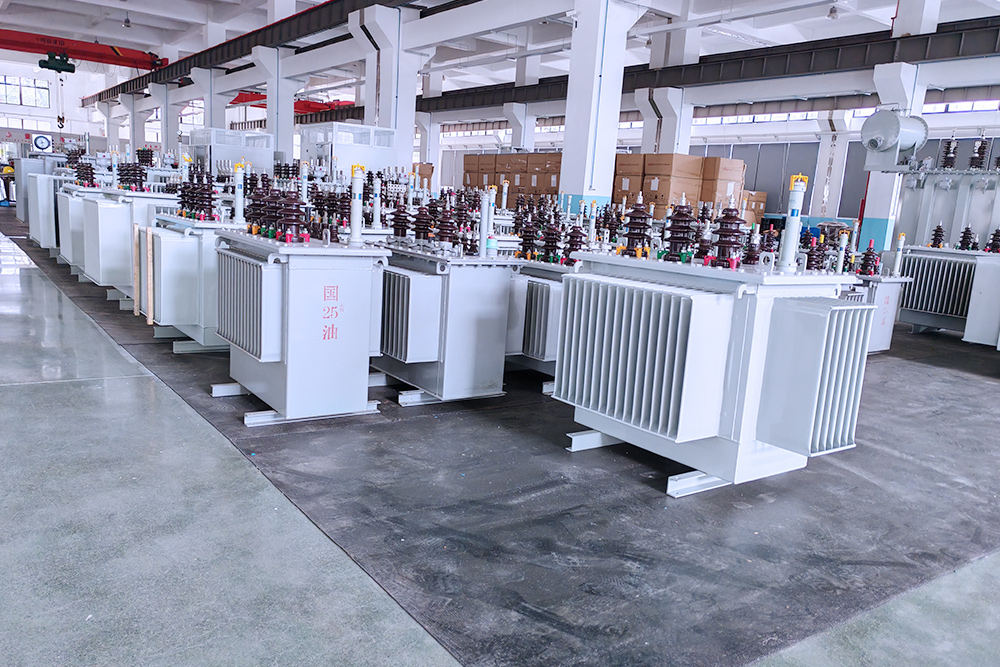
Based in Liushi, Yueqing, known as the "Electrical Capital of China" and the "Export Base of Low-Voltage Electrical Appliances in China," the company focuses on core trade in the electrical field. Boasting unparalleled supply chain advantages, it mainly deals in over 200 series and 25,000 models of products, including transformers, high and low voltage electrical equipment, complete sets of electrical equipment, wires and cables, and new energy electrical products.
Adhering to the core principles of "integrity as the foundation, compliance as the basis, and win-win cooperation as the way," Yueqing Sui'an Electric Co., Ltd. builds a solid foundation for cooperation with the credibility of a state-owned enterprise, ensures product quality with the service experience of a central enterprise, empowers global competitiveness with the advantages of industrial clusters, and connects overseas markets with professional services.
Backed by government capital support from Liushi Town People's Government, ensuring robust financial strength, standardized compliant operations, and strong risk resilience for long-term partnership reliability.
Extensive collaboration with China Construction Eighth Engineering Bureau, China State Construction Engineering Corporation, China Construction Second Engineering Bureau, and Sinopec — demonstrating capability to meet the most stringent quality standards.
Deeply integrated into the Belt and Road Initiative, excelling in connecting with major overseas infrastructure and energy projects, providing supporting services for electrical products that meet international standards across 60+ countries.
Direct access to over 25,000 product models across 200+ series through strategic position in China's electrical industry hub — ensuring diverse product selection, competitive pricing, and reliable supply continuity for global customers.
Leveraging Liushi Town's "Electrical+" strategy and six emerging industrial parks, collaborating with global partners to build an international trade network and empower the development of the global electrical industry.






Backed by government capital support from Liushi Town People's Government, we possess robust financial strength, standardized compliant operations, and strong risk resilience capabilities that ensure business stability and reliability.

Extensive collaboration with industry-leading central state-owned enterprises including China Construction Eighth Engineering Division, China State Construction Engineering Corporation, and Sinopec, demonstrating our capability to meet the most stringent quality standards.
Direct access to over 25,000 product models across 200+ series through our strategic position in China's electrical industry hub, ensuring diverse product selection, competitive pricing, and reliable supply continuity.

Products and services meet international standards and certifications, making us ideally positioned for Belt and Road Initiative projects and overseas infrastructure development requiring reliable electrical solutions.