

Leave Your Message
Precision-engineered power equipment designed for accurate current and voltage monitoring across industrial substations, renewable energy systems, and smart grid infrastructure.
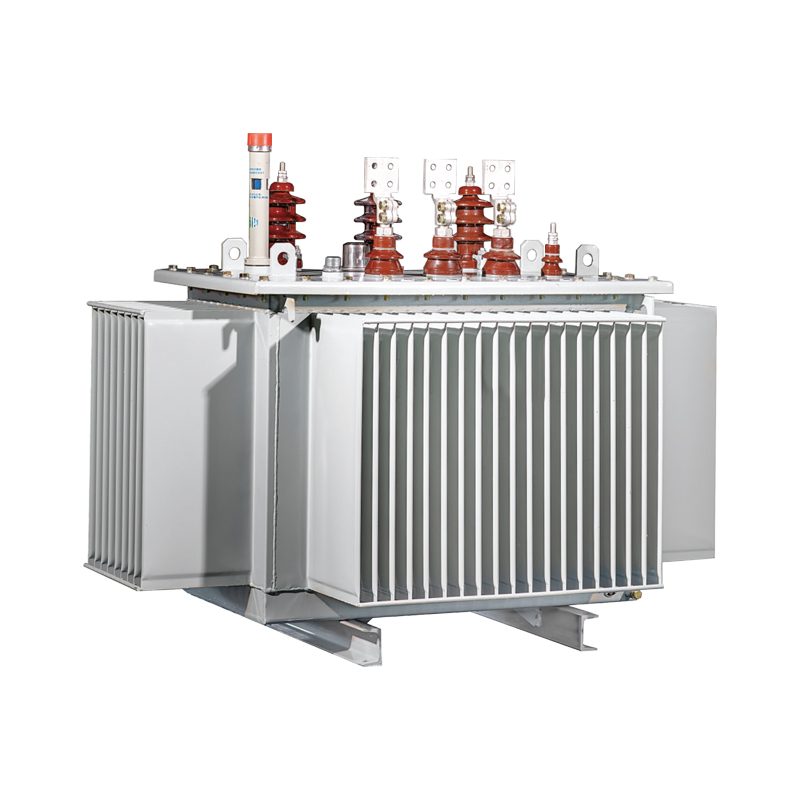
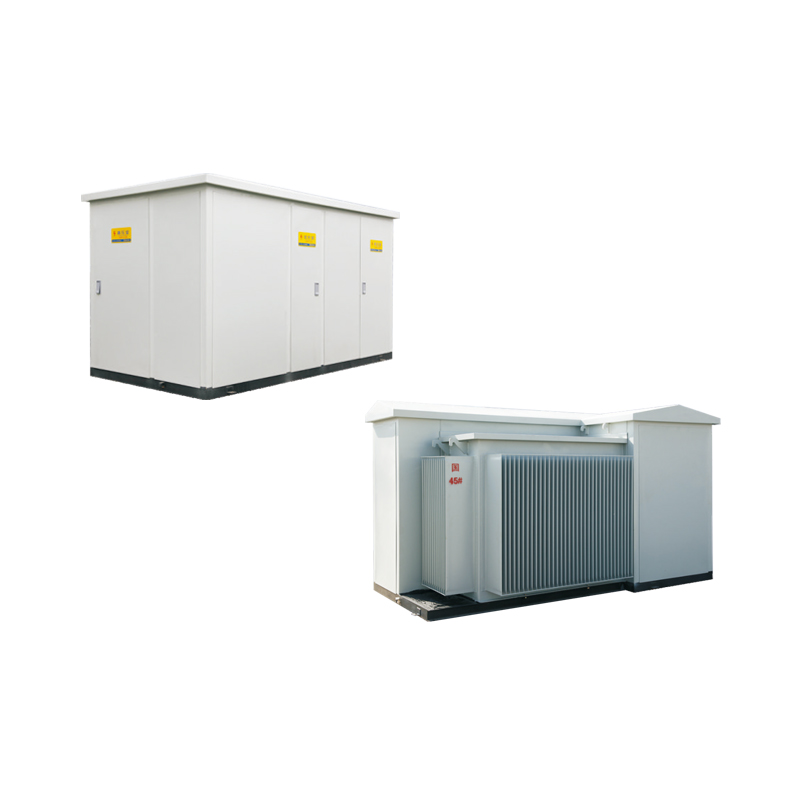
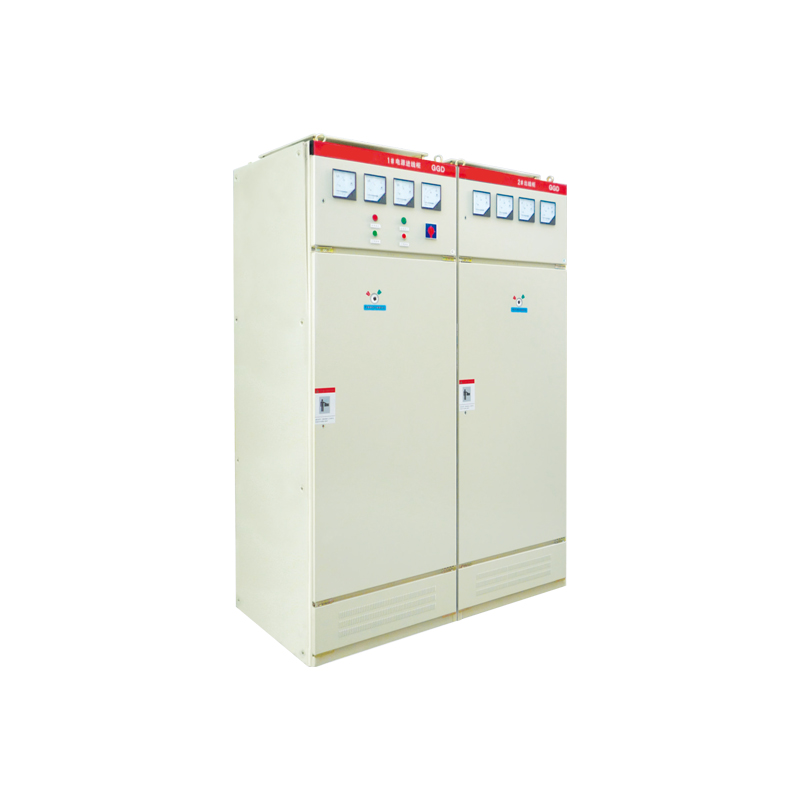
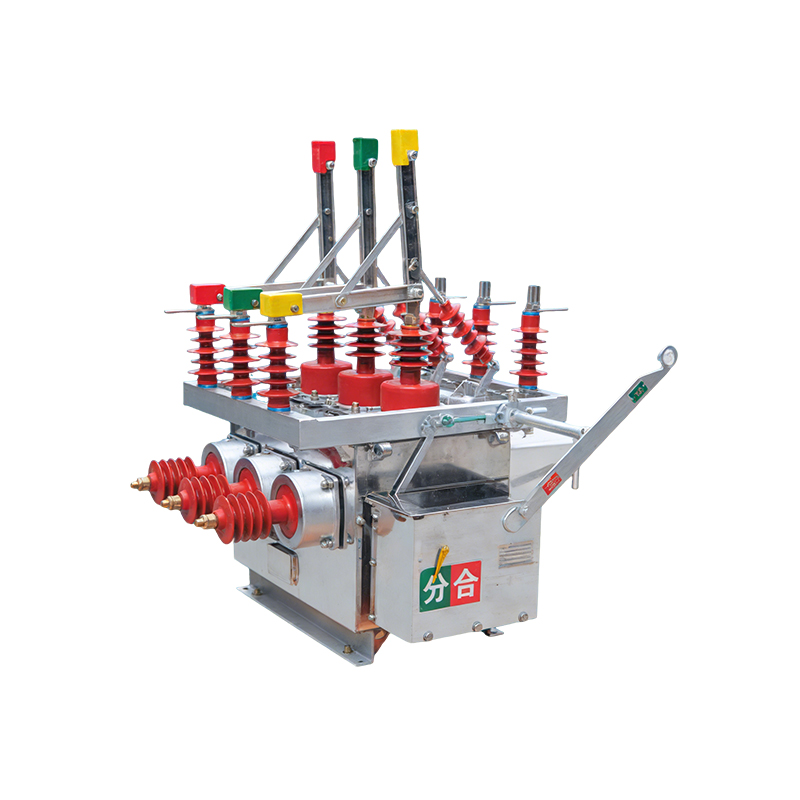
In today's hyper-connected power grid, the ability to monitor, analyze, and respond to electrical parameters in real time is no longer optional — it is the foundation of grid stability and operational excellence.
Electric power substations serve as the critical nodes of modern electrical infrastructure, transforming, regulating, and distributing electrical energy across vast transmission and distribution networks. As power systems grow increasingly complex — integrating distributed renewable sources, high-density industrial loads, and intelligent automation — the demand for precise current and voltage monitoring within substations has reached an unprecedented level. Accurate real-time measurements are not merely a technical requirement; they are the cornerstone of grid reliability, equipment protection, energy efficiency, and regulatory compliance.
Modern substations must process and respond to electrical anomalies within milliseconds. A deviation of even 1–2% in voltage levels can trigger cascading failures across interconnected grid segments, resulting in costly outages, equipment damage, and safety hazards. High-accuracy current transformers, voltage sensors, and intelligent monitoring relays are therefore indispensable components of any reliable substation design — from 6kV distribution substations to 500kV ultra-high-voltage transmission hubs.
The global substation monitoring market is undergoing rapid transformation, driven by grid modernization mandates, renewable integration, and the rise of Industry 4.0.
Global industrial electricity consumption is projected to grow by over 30% by 2035, driven by EV manufacturing, data center expansion, and semiconductor fabrication. This places immense pressure on industrial substations to maintain precise voltage regulation and current balance across increasingly complex load profiles.
Wind and solar power introduce inherent variability into grid voltage and current parameters. Substations integrating photovoltaic and wind generation assets require advanced monitoring systems capable of handling rapid power fluctuations, harmonic distortion, and reactive power compensation — all in real time.
The rollout of smart grid infrastructure across North America, Europe, and Asia-Pacific is accelerating the adoption of digital current and voltage sensors, IEC 61850-compliant protection relays, and cloud-connected SCADA platforms — fundamentally changing how substations are monitored and controlled.
Battery energy storage systems (BESS) connected at the substation level demand highly accurate bidirectional current monitoring to manage charge/discharge cycles, prevent overloading, and ensure grid frequency stability — a rapidly growing application segment.
Smart city projects, metro rail systems, and large-scale commercial complexes require dedicated substations with real-time power quality monitoring. Voltage sag detection, current imbalance alerts, and harmonic analysis are now standard requirements in urban power distribution tenders.
Stringent grid codes — including IEEE C57, IEC 60044, and national power quality standards — mandate continuous monitoring and reporting of current and voltage parameters. Non-compliance can result in significant financial penalties and forced disconnection from the grid.
Key market indicators reflecting the global importance of precise substation monitoring technology.
The next generation of electric power substations is being shaped by six transformative technology trends that are redefining precision monitoring capabilities.
Artificial intelligence and machine learning algorithms are being embedded directly into substation protection relays and monitoring units. These systems analyze historical current and voltage waveform patterns to predict insulation degradation, transformer overloading, and incipient faults — often days before physical failure occurs. AI-driven substations can reduce unplanned outages by up to 35% compared to conventional threshold-based protection schemes.
The integration of Industrial IoT (IIoT) sensors with substation monitoring systems enables continuous, remote visibility into current and voltage parameters across geographically distributed grid assets. Cloud-connected monitoring platforms provide operations teams with real-time dashboards, automated alarm management, and mobile access — eliminating the need for costly on-site inspection cycles and dramatically reducing operational expenditure.
Non-conventional instrument transformers (NCITs) using optical fiber, Rogowski coils, and electronic voltage dividers are replacing traditional electromagnetic CTs and VTs in modern substation designs. These digital sensors offer superior accuracy (Class 0.1 and above), wider dynamic range, inherent safety advantages, and direct compatibility with IEC 61850 digital substation architectures — representing a fundamental shift in measurement technology.
The widespread adoption of IEC 61850 communication standards is enabling fully digital substations where current and voltage data flows seamlessly between intelligent electronic devices (IEDs), protection relays, and control systems via high-speed Ethernet networks. This architecture eliminates traditional copper wiring, reduces installation costs by 20–30%, and enables advanced interoperability between equipment from different manufacturers.
As distributed energy resources (DERs) proliferate, substations must manage complex bidirectional power flows that challenge traditional unidirectional monitoring paradigms. Advanced phasor measurement units (PMUs) and wide-area monitoring systems (WAMS) are being deployed to provide synchronized, high-resolution current and voltage measurements across the entire grid topology — enabling dynamic stability assessment and real-time contingency analysis.
As substations become increasingly connected, cybersecurity has emerged as a critical dimension of monitoring system design. Modern substation automation systems incorporate end-to-end encryption, role-based access control, and intrusion detection capabilities to protect measurement data integrity and prevent unauthorized control actions — a requirement now mandated by NERC CIP and IEC 62351 standards in major markets.
Precise current and voltage monitoring in substations unlocks transformative value across a diverse spectrum of industrial and commercial environments.
Suian Industrial Control has a rich product line, widely used in various fields such as power control, mechanical operation control, automation control, new energy, robots, etc.
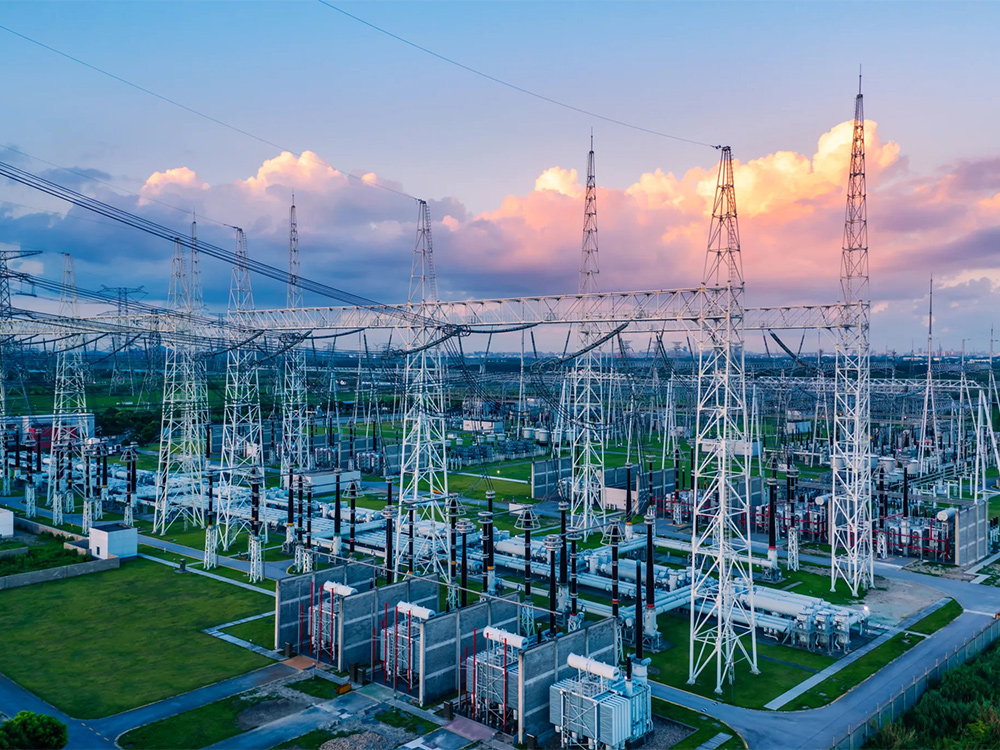




Explore our full portfolio of substation equipment engineered for precise current and voltage monitoring across every voltage level and application environment.
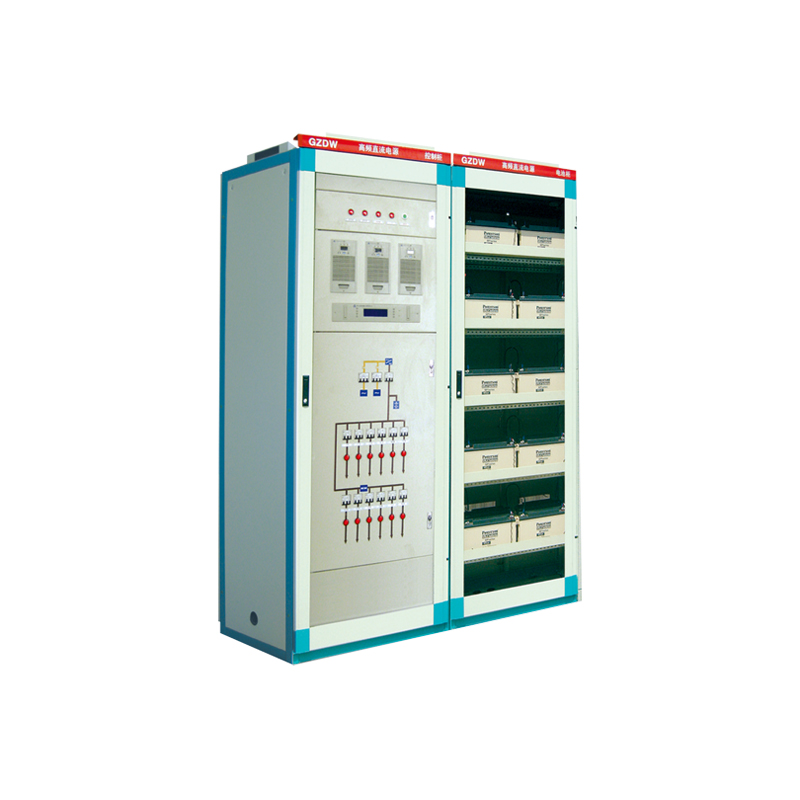
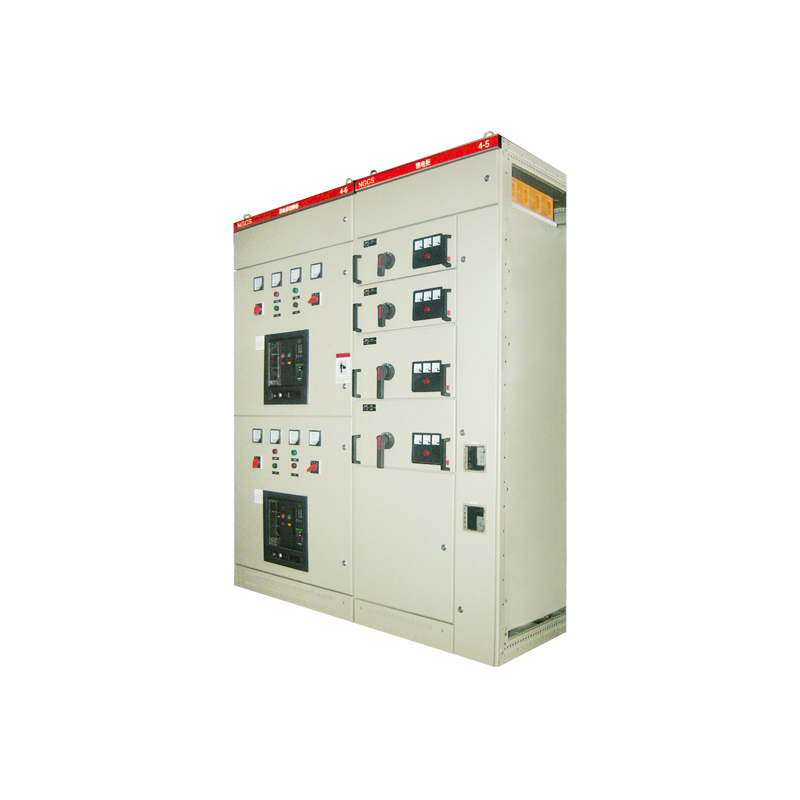
Suian Industrial Control delivers precision-engineered electrical equipment trusted by power utilities, industrial manufacturers, and infrastructure developers worldwide. Discover how our substation solutions can elevate your power monitoring capabilities.
Explore All Solutions