

Leave Your Message
Precision-engineered transformers and distribution systems designed for generator voltage step-up applications — from renewable energy farms to industrial power plants.
An electric power substation designed for stepping up generator voltage is a critical node in the electrical power system. When electricity is generated at a power plant — whether from thermal, hydro, nuclear, wind, or solar sources — it is typically produced at a relatively low voltage level (often between 6 kV and 35 kV). To transmit this power efficiently over long distances with minimal losses, the voltage must be increased significantly, often to 110 kV, 220 kV, 500 kV, or even higher. This is precisely the function of a step-up substation.
The substation achieves this voltage transformation primarily through large step-up power transformers, supported by an array of high-voltage switchgear, protection relay systems, measurement and metering equipment, control systems, and auxiliary power supplies. The entire installation works in concert to ensure that generated electricity is safely, reliably, and efficiently elevated to transmission-level voltage before being dispatched to the high-voltage grid.
A fully functional step-up substation integrates multiple sophisticated components, each playing a vital role in the overall system performance and safety:
The transformer is the heart of any step-up substation. Oil-immersed transformers (such as the S□ series 6-10kV models) are widely deployed in outdoor, high-capacity installations due to their excellent heat dissipation, high overload capacity, and long service life. Dry-type transformers (such as the SCB□ series) are preferred in indoor substations, urban environments, and locations where fire safety and environmental protection are paramount. For renewable energy applications, specialized transformers such as the YBWF/G-40.5/0.69 series are engineered specifically to handle the variable output characteristics of wind turbines and photovoltaic arrays, stepping up their low generator voltage to medium or high-voltage grid levels.
Switchgear assemblies control the flow of electricity, isolate faults, and protect equipment from damage. Outdoor high-voltage dual power switch devices (such as the ZW10-12XDG series) provide reliable switching and protection for medium-voltage networks, ensuring continuity of supply even during maintenance or fault conditions.
On the low-voltage side of the transformer, distribution cabinets such as the GGD AC series manage the distribution of auxiliary power within the substation itself and to connected facilities, ensuring that all control systems, protection relays, and communication equipment receive clean, stable power.
A reliable DC power supply — such as the GZDW DC Screen Power Display System — is indispensable in substations. It provides uninterrupted DC power to protection and control circuits, ensuring that relay protection, circuit breaker tripping, and monitoring systems remain operational even during AC supply interruptions.
The global electric power substation market is experiencing robust growth, driven by grid modernization, renewable energy integration, and industrial electrification.
Rapid technological advancement, decarbonization goals, and the global energy transition are reshaping how step-up substations are designed, built, and operated.
The explosive growth of wind and solar power generation has created massive demand for specialized step-up substations capable of handling variable, intermittent generation profiles. Offshore wind farms, in particular, require compact, high-reliability step-up transformer solutions rated at 40.5 kV and above to connect to onshore transmission grids.
Modern substations are increasingly incorporating IEC 61850-compliant digital protection and control systems, IoT-based remote monitoring, AI-driven predictive maintenance, and automated fault diagnosis. These innovations reduce operational costs, improve reliability, and enable real-time grid management at unprecedented scale.
Countries with vast geographic territories — particularly China, India, and Brazil — are deploying UHV AC and DC transmission systems operating at 800 kV to 1,100 kV. Step-up substations at the generation end must be engineered to interface with these extreme voltage levels, demanding next-generation transformer insulation and switching technology.
Space constraints in urban environments and the need for rapid deployment in remote renewable energy sites are driving demand for compact, factory-assembled, and modular substations. These prefabricated units integrate transformers, switchgear, and control systems into a single enclosure, dramatically reducing site work and commissioning time.
Grid-scale battery energy storage systems (BESS) are increasingly co-located with step-up substations, particularly at renewable energy generation sites. This integration requires additional power conversion equipment and bidirectional transformer capabilities to manage both charging and discharging cycles efficiently.
International energy cooperation projects — such as the ASEAN Power Grid, the European supergrid, and Africa's interconnection initiatives — are creating demand for high-capacity step-up substations at national border points, requiring compliance with multiple international standards and grid codes simultaneously.
From vast wind farms to urban industrial parks, step-up substations serve as the essential bridge between power generation and grid transmission across diverse industries.
Each wind turbine generates power at low voltage (typically 0.69 kV). Individual turbine transformers step this up to collector system voltage (33–66 kV), before a main step-up substation elevates it further to transmission voltage (110–220 kV+). Specialized transformers like the YBWF/G series are engineered for the harsh vibration, temperature cycling, and harmonic conditions inherent in wind power environments.
Large photovoltaic power plants require step-up substations to convert DC power (via inverters) from low AC collection voltage to high-voltage transmission levels. The intermittent nature of solar generation demands transformers with excellent no-load loss performance and advanced on-load tap changers to maintain stable grid voltage during cloud transients and daily generation cycles.
Conventional thermal, gas turbine, and combined-cycle power plants rely on large unit transformers directly connected to generator terminals to step up voltage from generator level (typically 10–20 kV) to transmission level (220–500 kV). These generator step-up transformers (GSU) are among the most critical and highest-value components in the entire power plant.
Nuclear power stations demand the highest levels of reliability and redundancy in their step-up substation infrastructure. Multiple independent transformer banks, diverse power supply routes, and ultra-reliable switchgear ensure that both normal operation and safety-critical systems maintain power under all conceivable fault scenarios, meeting stringent nuclear safety standards.
Large industrial facilities — steel mills, petrochemical complexes, mining operations, and data center campuses — increasingly operate their own on-site combined heat and power (CHP) or captive power plants. Step-up substations at these sites enable surplus power to be exported to the public grid, turning energy costs into revenue streams while improving overall energy efficiency.
Offshore oil and gas platforms, remote mine sites, and island power systems all require robust step-up substation solutions capable of operating in extreme environments — high humidity, salt spray, seismic activity, or extreme temperature ranges. Compact, hermetically sealed transformer designs with advanced monitoring systems are essential for these demanding applications.
Suian Industrial Control has a rich product line, widely used in various fields such as power control, mechanical operation control, automation control, new energy, robots, etc.
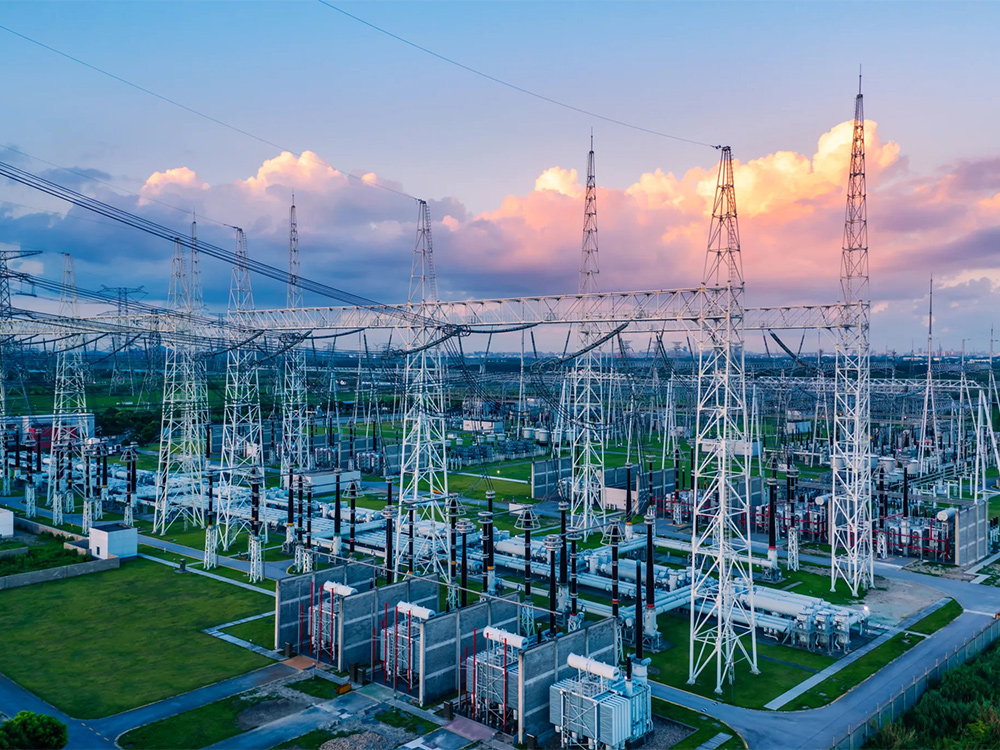
Electric Energy — Step-Up Substation for Grid Power Systems
As the cornerstone of stable power grid operation, this industry encompasses all aspects of power generation, transmission, and distribution, placing extremely high demands on the reliability, safety, and long-term service performance of equipment. We provide core equipment for traditional thermal, hydroelectric, and nuclear power plants, substations at all levels, and power transmission and distribution networks.
Learn More
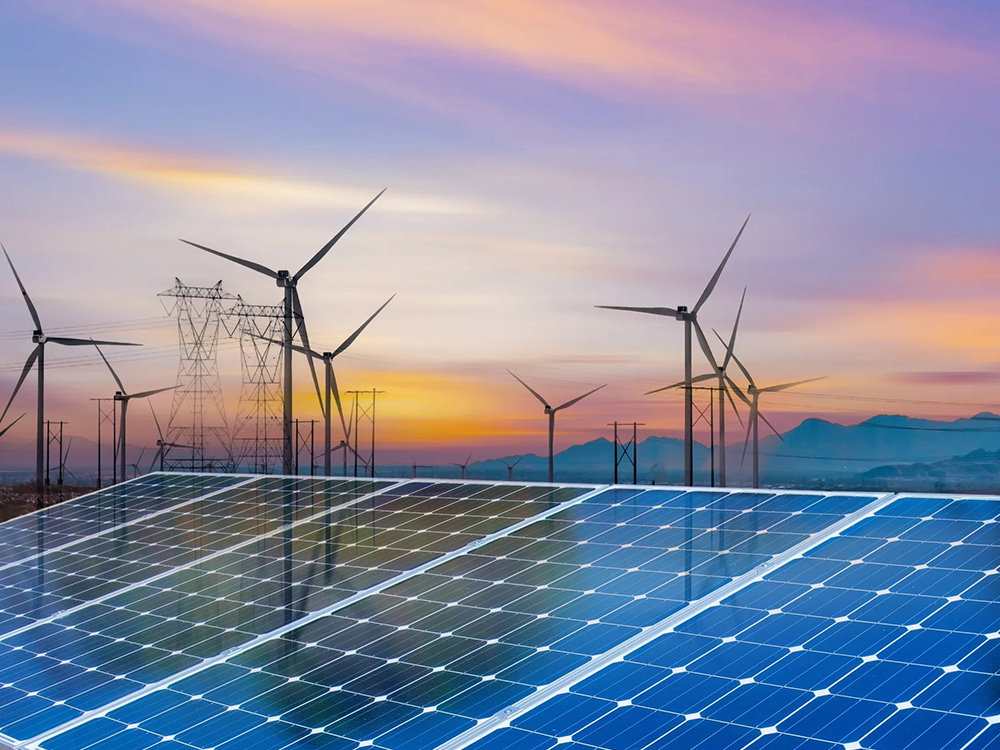
New Energy Power Generation — Renewable Step-Up Transformer Solutions
The rapid development of green energy sources such as photovoltaics and wind power has placed higher demands on the adaptability and intelligence of the electrical equipment used in their production. We focus on the specific needs of new energy power generation scenarios, providing a full range of electrical solutions from generation to grid connection.
Learn More
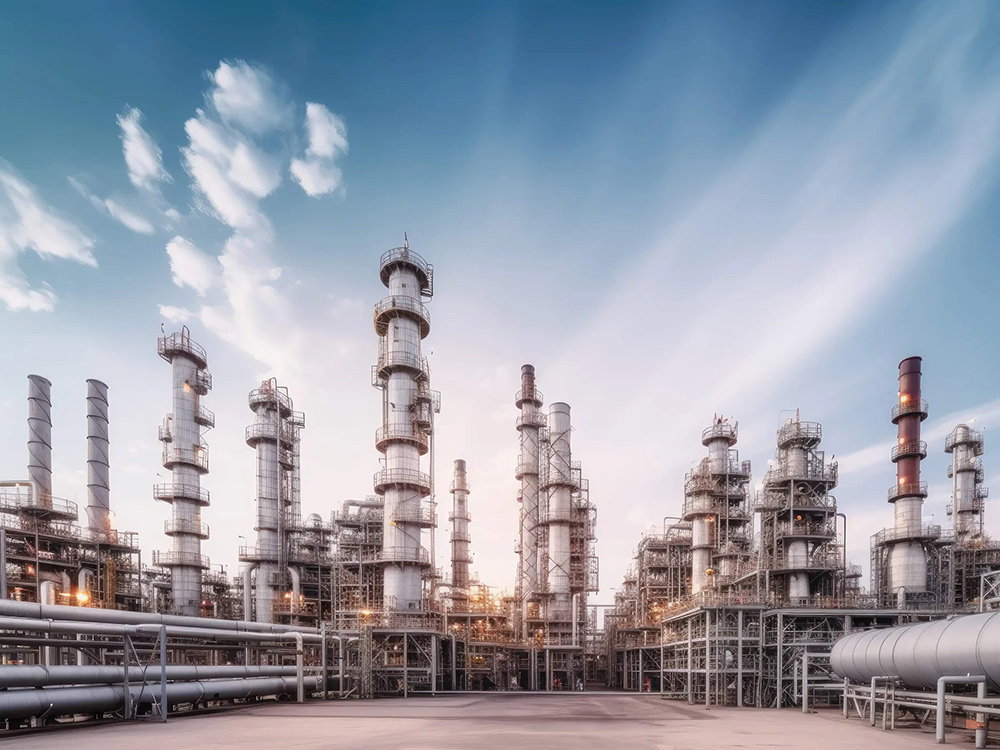
Industrial Manufacturing & Automation — Power Distribution for Smart Factories
Modern factories rely on a continuous, safe, and high-quality power supply to ensure uninterrupted operation of production lines. Our products serve the power distribution systems and automation control loops of various manufacturing plants, acting as the "heart" and "nerves" of industrial power.
Learn More

Building & Municipal Engineering — Intelligent Power Distribution for Smart Cities
From large commercial complexes to smart city infrastructure, safe, efficient, and intelligent power distribution systems are the lifeblood of modern buildings. We provide a complete range of electrical products for various buildings and municipal projects, from main power distribution to end-point lighting.
Learn More
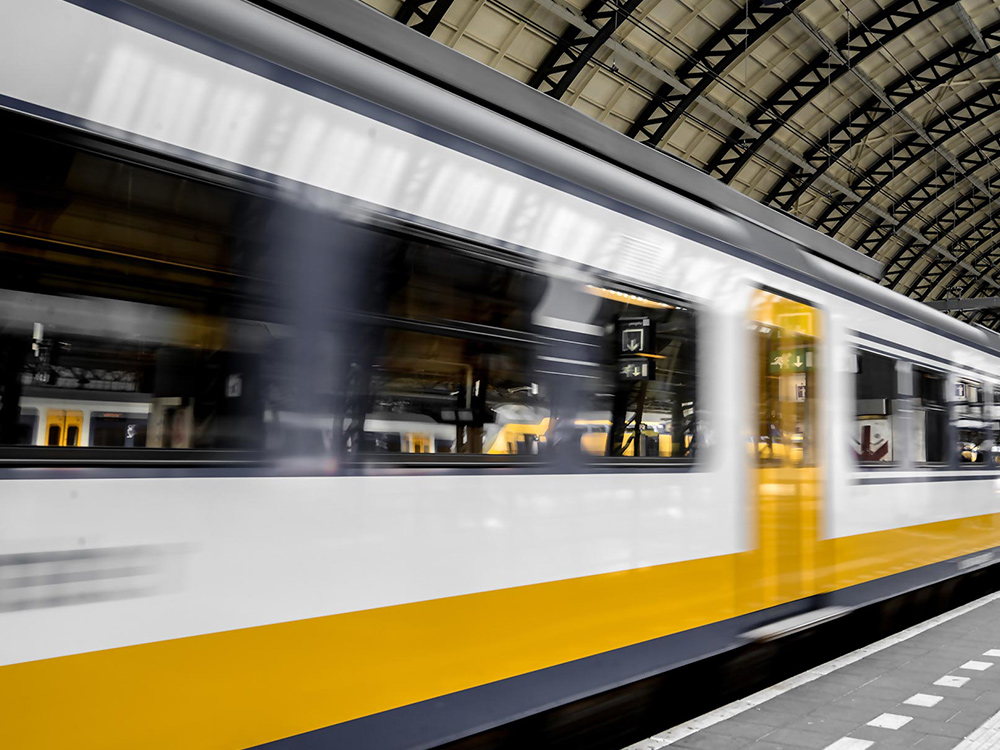
Infrastructure Construction — Reliable Step-Up Power for Major Projects
Major infrastructure projects such as railways, highways, ports, and water conservancy are large-scale and operate in complex environments, posing a severe test to the durability and reliability of power equipment. We provide full-cycle product support for infrastructure projects, from temporary power supply during the construction phase to permanent power distribution during the operation phase.
Learn More
The global market for electric power substations — and specifically for step-up substation equipment — is undergoing a profound transformation. Driven by the dual imperatives of energy security and decarbonization, governments and utilities worldwide are committing unprecedented capital to grid expansion and modernization programs.
In developed economies, the primary driver is grid modernization: aging infrastructure built in the 1960s–1980s is being replaced with digital, automated substations capable of integrating distributed renewable generation and supporting bidirectional power flows. In emerging economies across Asia, Africa, and Latin America, the priority is greenfield expansion — connecting hundreds of millions of people to reliable electricity for the first time, while simultaneously building out the renewable energy capacity needed to meet growing demand sustainably.
In commercial and industrial project development, the selection of the correct step-up transformer is one of the most consequential engineering and procurement decisions. An undersized or poorly specified transformer can become a bottleneck that limits generation capacity, reduces efficiency, or creates reliability risks that cost orders of magnitude more to rectify than the original equipment savings. Key selection criteria include:
The transformer must match the generator's rated output voltage on the primary side and the required transmission or distribution voltage on the secondary side. On-load tap changers (OLTC) allow fine adjustment of the output voltage to maintain grid compliance across varying generation levels.
Transformer impedance affects fault current levels and voltage regulation. In step-up applications, the transformer must withstand the maximum short-circuit current that can flow from the high-voltage grid, requiring robust mechanical and electrical design of the winding assembly.
For large-scale generation applications, minimizing transformer no-load and load losses directly impacts the project's lifetime energy yield and carbon footprint. Oil-immersed transformers with ONAF or OFAF forced cooling systems achieve the highest efficiency ratings for high-capacity step-up applications.
Projects in ecologically sensitive areas, urban environments, or locations with stringent fire codes may require dry-type transformers or transformers using biodegradable ester-based insulating fluids, offering superior environmental protection compared to conventional mineral oil.
Explore our comprehensive lineup of substation equipment — from high-voltage transformers to intelligent switching and DC power systems — engineered for step-up generator voltage applications.
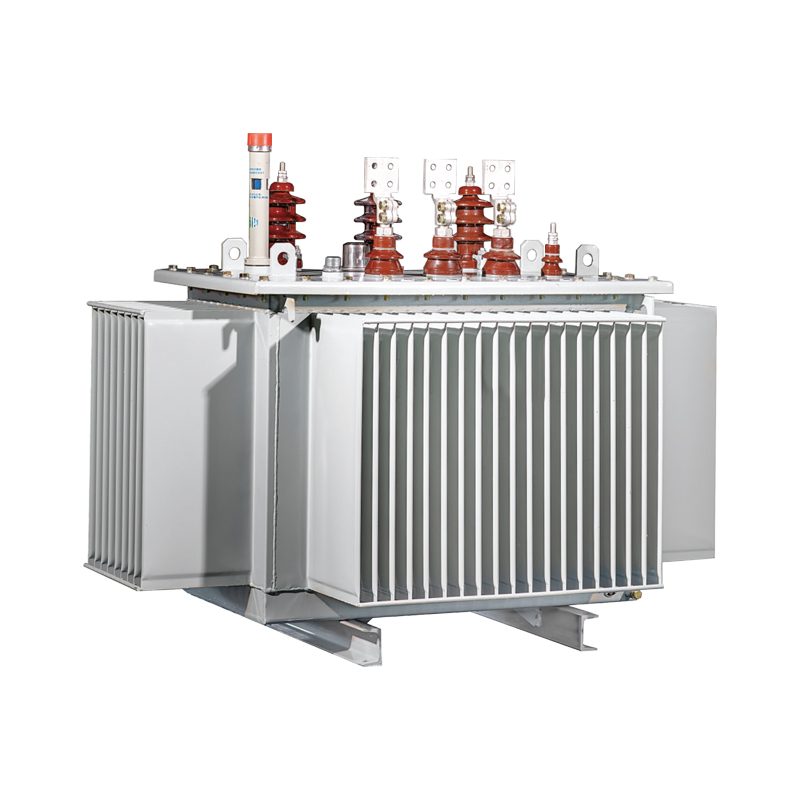 S□ series 6-10kV Oil-Immersed Power Transformer
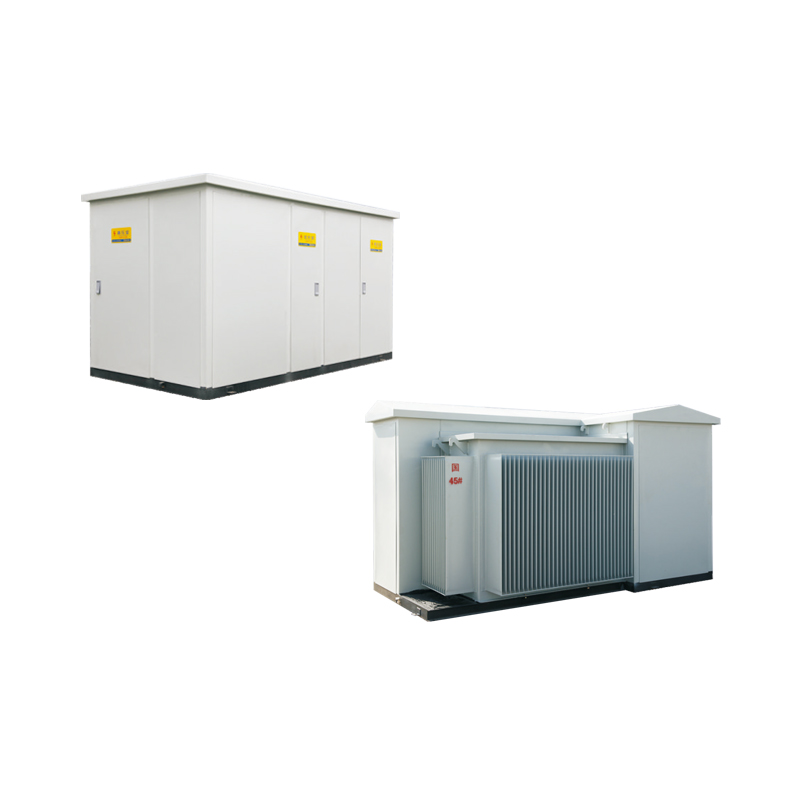 YBWF/G-40.5/0.69 Wind Power Transformer / Photovoltaic Power Transformer
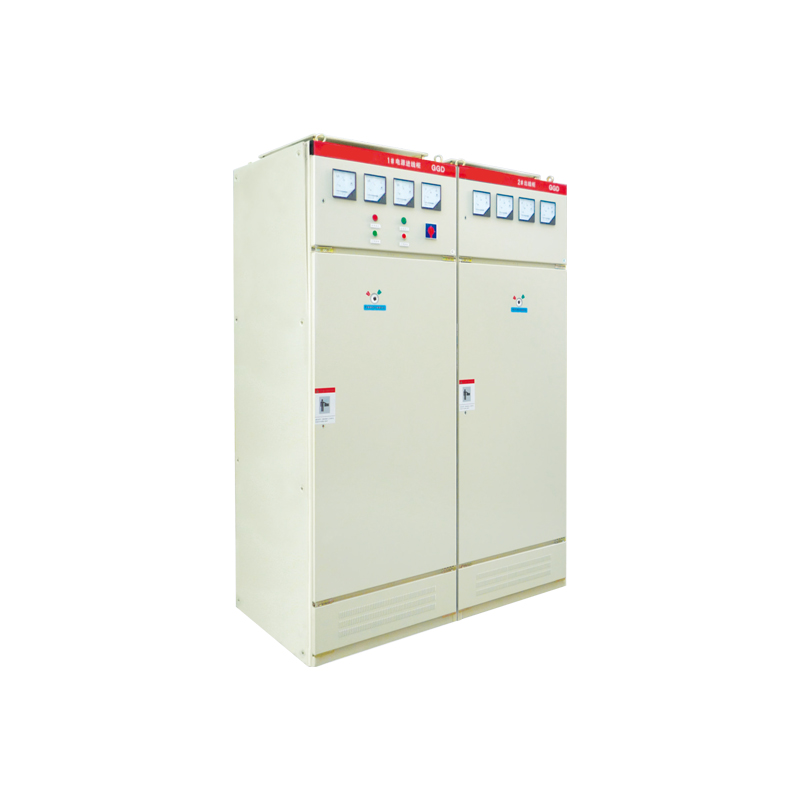 GGD AC Low Voltage Power Distribution Cabinet
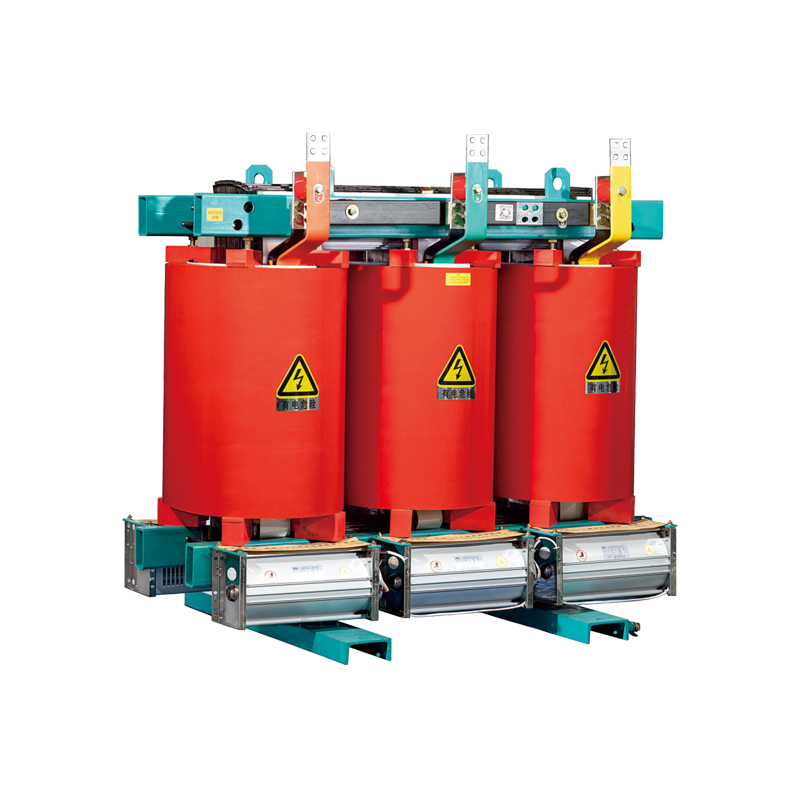 SCB□ series 6-10kV Dry-Type Power Transformer
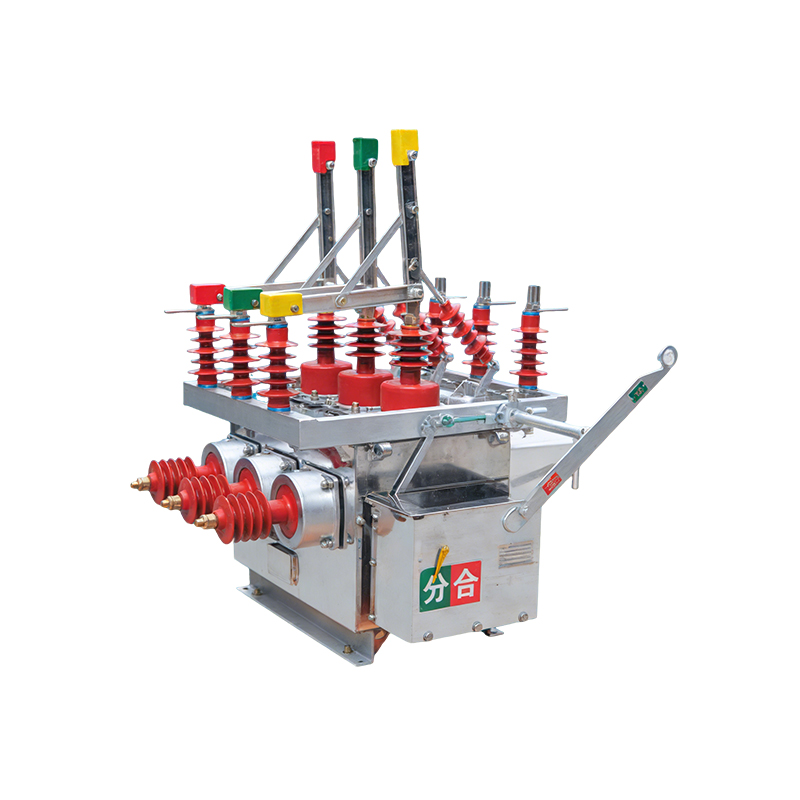 ZW10-12XDG Series Outdoor High Voltage Dual Power Switch Device
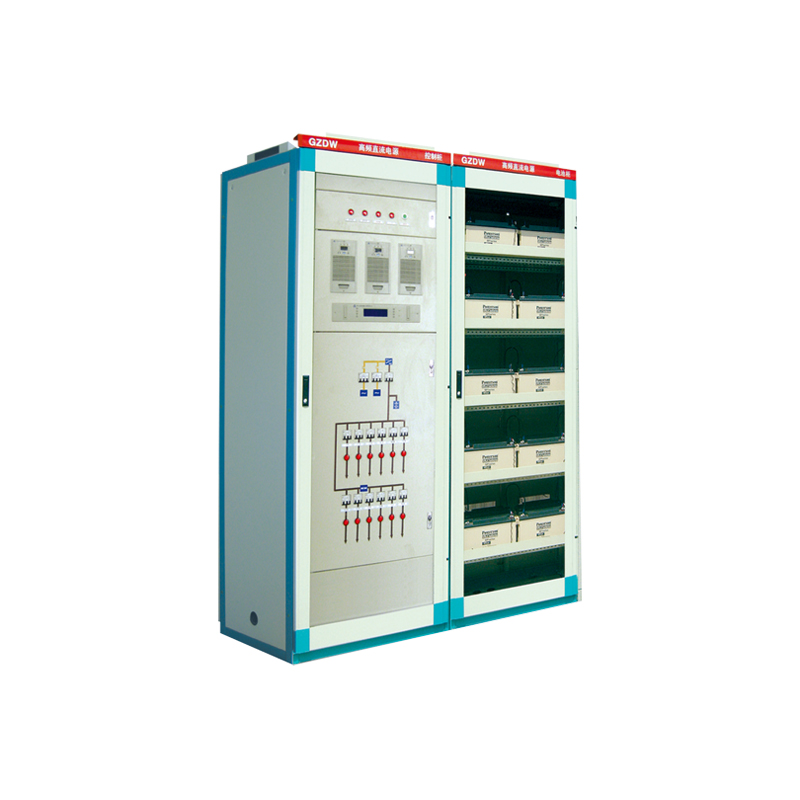 GZDW DC Screen Power Display System
S□ series 6-10kV Oil-Immersed Power Transformer
SCB□ series 6-10kV Dry-Type Power Transformer
Whether you are developing a utility-scale renewable energy farm, upgrading an industrial power plant, or modernizing grid infrastructure, Suian Industrial Control delivers the engineering expertise and product quality your project demands.
Explore Our Full Product Range