
Leave Your Message

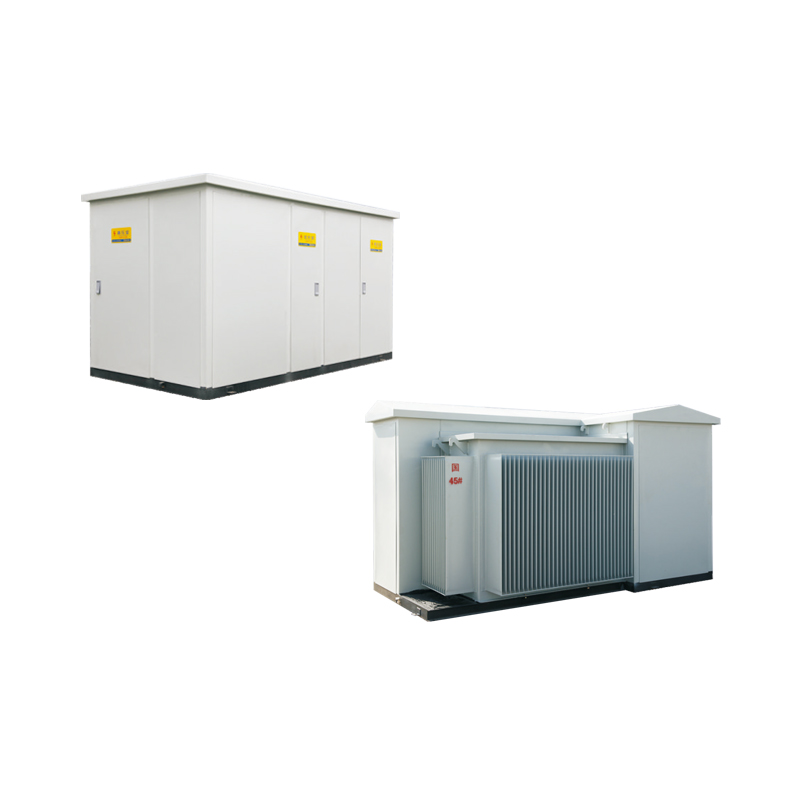
Electric transformers designed for fire-sensitive indoor dry-type installations represent one of the most critical advances in modern power distribution engineering. Unlike conventional oil-immersed transformers, dry-type transformers use air or solid cast-resin insulation systems that eliminate the risk of oil leaks, fires, and environmental contamination — making them the gold standard for deployment in environments where safety is non-negotiable.
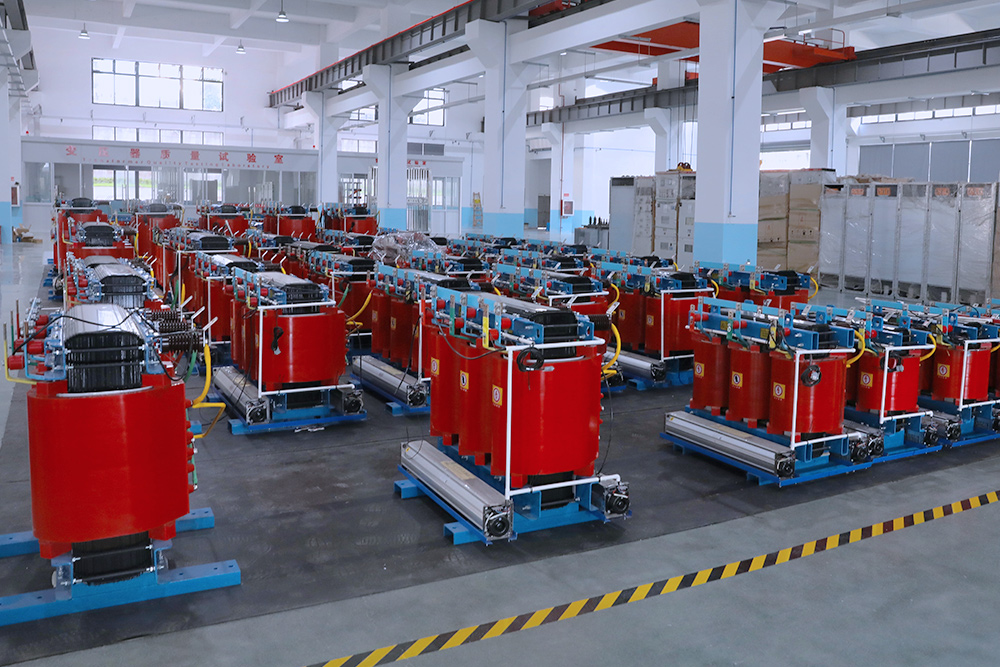
These transformers are engineered with high-grade epoxy resin or vacuum pressure impregnation (VPI) windings, providing exceptional resistance to moisture, dust, corrosive environments, and thermal cycling. They comply with international standards including IEC 60076-11, NFPA 70 (NEC), and UL certification requirements, enabling seamless integration into global projects from commercial buildings to heavy industrial complexes.
The core design principle behind fire-sensitive indoor dry-type transformers is the elimination of combustible dielectric fluids. The windings — typically copper or aluminum — are encapsulated in environmentally stable resin compounds that offer both electrical insulation and mechanical protection. This construction allows transformers to be safely installed in basements, equipment rooms, mezzanine floors, and other enclosed spaces without requiring the costly and space-intensive fire suppression systems mandated for oil-filled equipment.
With increasing global urbanization and the densification of built environments, the demand for compact, fire-safe power distribution equipment has surged. Dry-type transformers answer this call by providing high efficiency (often exceeding 99% at full load), low noise operation, minimal maintenance requirements, and a service life that consistently exceeds 25–30 years under normal operating conditions.
The global dry-type transformer market is experiencing accelerated growth driven by regulatory tightening, sustainability mandates, and rapid expansion in sectors such as renewable energy, smart infrastructure, and electric vehicle (EV) charging ecosystems. According to leading industry analysts, the worldwide dry-type transformer market is projected to reach USD 8.5 billion by 2030, growing at a compound annual growth rate (CAGR) exceeding 6.2%.
Urban development projects worldwide are specifying dry-type transformers as standard due to building codes that restrict oil-filled equipment in densely populated areas. Smart city substations, underground transit systems, and integrated utility tunnels are leading adopters of fire-safe indoor dry-type technology.
Solar farms, wind energy substations, and offshore platforms increasingly require dry-type transformers for their indoor switchgear rooms and inverter stations. The non-flammable nature of these units is critical in remote or high-wind environments where fire suppression response times are limited.
Advanced manufacturing plants deploying robotics, automated guided vehicles (AGVs), and precision machining require clean, stable, fire-safe power. Dry-type transformers with low partial discharge levels and superior EMI shielding are becoming standard components in next-generation factory power systems.
Hyperscale data centers — now consuming terawatts of power globally — exclusively adopt dry-type transformers for their server hall substations. The combination of fire safety, efficiency at variable loads, and compatibility with UPS systems makes dry-type units indispensable in tier-3 and tier-4 data facilities.
Metropolitan rail authorities in Asia, Europe, and North America mandate dry-type transformers for all underground and station installations. Their resistance to vibration, humidity, and aggressive cleaning chemicals used in transit environments ensures maximum uptime and passenger safety.
LEED-certified buildings, BREEAM-rated facilities, and ESG-committed corporations specify dry-type transformers as part of their sustainability roadmaps. Reduced lifecycle carbon footprint, elimination of oil disposal costs, and recyclability of resin-cast cores align with global decarbonization targets.
The evolution of dry-type transformer technology has also brought intelligent monitoring capabilities to the forefront. Modern units can be equipped with Pt100 temperature sensors, thermal protection relays, and IoT-enabled monitoring modules that transmit real-time winding temperature, load current, and alarm status to building management systems (BMS) and SCADA platforms. This enables predictive maintenance scheduling that reduces unplanned downtime by up to 40% compared to periodic manual inspection regimes.
Furthermore, advancements in amorphous metal core technology have pushed no-load loss reduction beyond 70% compared to traditional silicon-steel laminated cores. For facilities operating 24 hours a day, 365 days a year — such as data centers, hospitals, and continuous process industries — this translates into substantial energy cost savings and measurable reductions in carbon emissions over the transformer's operational lifespan.
Yueqing Suian Electric Co., Ltd. is a wholly state-owned trading company controlled by Yueqing Liushi Urban and Rural Construction Investment Co., Ltd., with a registered capital of 10 million yuan. It has been deeply involved in the field of electrical product trading. With its solid state-owned background, rich experience in serving central enterprises, and the leading electrical industry ecosystem and location empowerment in China, it is committed to pioneering a new pattern of global electrical trade with the responsibility of a state-owned enterprise, becoming a core partner of the electrical supply chain trusted by global customers, and providing high-standard and reliable electrical products and solutions for overseas markets.
Liushi Town, known as "Zhejiang's No. 1 Industrial Strong Town," achieved a total industrial output value of 106.76 billion yuan in 2024, exceeding 100 billion yuan for two consecutive years and firmly ranking first in Zhejiang Province among the top 1,000 towns in China in terms of comprehensive strength.
As a wholly state-owned enterprise, the company, backed by the state-owned capital of the Liushi Town Government, naturally possesses core advantages such as strong financial strength, compliant operation, and strong risk resistance. The company has successfully served numerous leading central enterprises, including China Construction Eighth Engineering Bureau, China Construction Science & Industry Group Co., Ltd., China Construction Second Engineering Bureau, and Sinopec.
Based in Liushi, Yueqing — known as the "Electrical Capital of China" and the "Export Base of Low-Voltage Electrical Appliances in China" — the company focuses on core trade in the electrical field. It mainly deals in over 200 series and 25,000 models of products, including transformers, high and low voltage electrical equipment, complete sets of electrical equipment, wires and cables, and new energy electrical products.
Adhering to the core principles of "integrity as the foundation, compliance as the basis, and win-win cooperation as the way," Yueqing Sui'an Electric Co., Ltd. builds a solid foundation for cooperation with the credibility of a state-owned enterprise, ensures product quality with the service experience of a central enterprise, empowers global competitiveness with the advantages of industrial clusters, and connects overseas markets with professional services.
Yueqing Suian Electric Co., Ltd.





Backed by government capital support from Liushi Town People's Government, we possess robust financial strength, standardized compliant operations, and strong risk resilience capabilities that ensure business stability and reliability.

Extensive collaboration with industry-leading central state-owned enterprises including China Construction Eighth Engineering Division, China State Construction Engineering Corporation, and Sinopec, demonstrating our capability to meet the most stringent quality standards.
Direct access to over 25,000 product models across 200+ series through our strategic position in China's electrical industry hub, ensuring diverse product selection, competitive pricing, and reliable supply continuity.

Products and services meet international standards and certifications, making us ideally positioned for Belt and Road Initiative projects and overseas infrastructure development requiring reliable electrical solutions.