

Leave Your Message
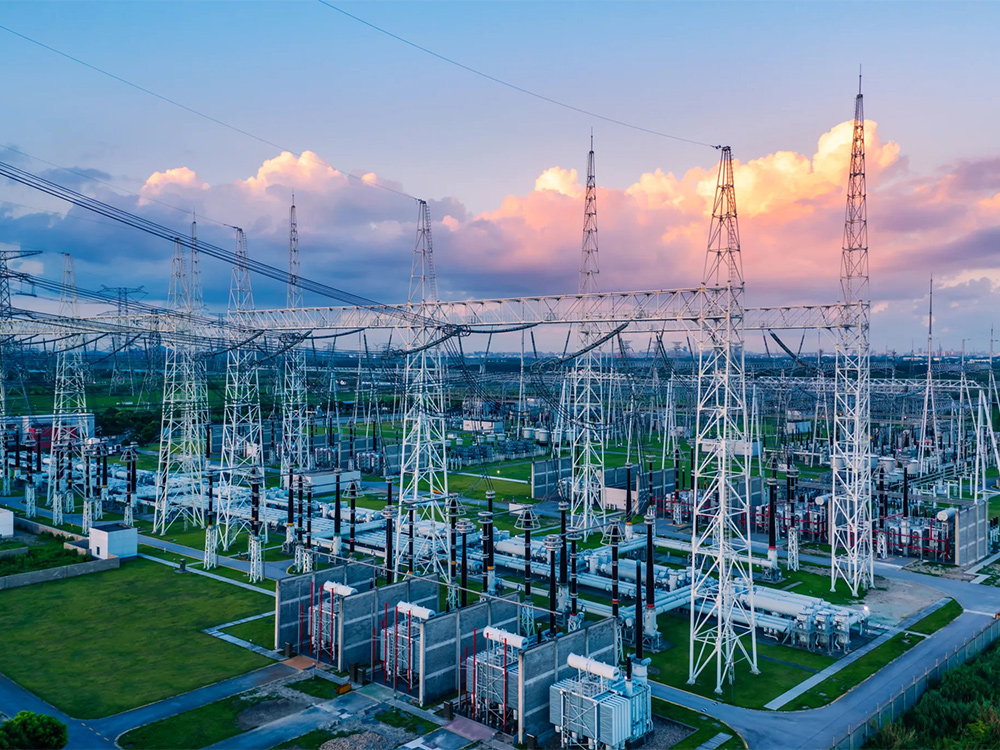




In the rapidly evolving landscape of modern industry, the reliance on sophisticated electronic control circuits has reached unprecedented levels. Programmable Logic Controllers (PLCs), Variable Frequency Drives (VFDs), Supervisory Control and Data Acquisition (SCADA) systems, and precision robotics are the lifeblood of Industry 4.0. However, these highly sensitive microprocessors and integrated circuits are extremely vulnerable to power anomalies. This is where specialized Electric Transformers for Protecting Sensitive Electronic Control Circuits step in as the ultimate line of defense.
Unlike standard power distribution transformers designed merely to step up or step down voltage, control and isolation transformers are engineered with specific shielding and winding techniques. Their primary function is to decouple the sensitive load from the noisy, unpredictable main power supply. By providing galvanic isolation, these transformers prevent destructive common-mode noise, high-frequency transients, and dangerous ground loops from wreaking havoc on delicate semiconductor components.
💡 Industry Insight: Studies indicate that over 80% of unexplained microprocessor faults, data corruption, and premature component failures in industrial environments are directly linked to poor power quality and inadequate electrical isolation.
The global industrial automation market is expanding at a breakneck pace, driven by the need for higher efficiency, precision, and reduced labor costs. As factories transition into "smart factories," the density of sensitive electronics on the shop floor increases exponentially. In commercial settings, data centers, medical imaging facilities, and telecommunication hubs face similar challenges. The electrical environment in these settings is inherently hostile. Heavy machinery, arc welders, large motors starting and stopping, and switching power supplies constantly inject electromagnetic interference (EMI), radio frequency interference (RFI), and harmonic distortion into the electrical grid.
Historically, surge protectors and basic line filters were considered sufficient for equipment protection. However, the modern industrial consensus recognizes that these devices cannot address ground-related noise or provide true electrical separation. Consequently, the demand for high-grade isolation transformers—specifically those equipped with Faraday shields—has surged. Manufacturers and facility managers are increasingly specifying shielded control transformers not as optional accessories, but as mandatory foundational components of their electrical architecture to ensure zero-downtime operations.
In automated manufacturing, CNC machines, robotic arms, and automated guided vehicles (AGVs) rely on precise timing and clean data signals. A voltage spike or electrical noise can cause a PLC to misread a sensor input, leading to catastrophic physical collisions or defective products. Control transformers used here are designed to handle the high inrush currents typical of electromagnetic relays and contactors while simultaneously isolating the sensitive microprocessors from the power line noise generated by VFDs on the same circuit.
The power generation and distribution sector itself requires immense internal protection. Substations are environments with massive electromagnetic fields. The protective relays, remote terminal units (RTUs), and communication gateways that control the grid are highly sensitive. Specialized transformers provide the necessary dielectric strength to withstand high-voltage transients, ensuring that grid control systems remain operational even during lightning strikes or major fault clearing events on the high-voltage lines.
Solar photovoltaic (PV) farms and wind turbine nacelles present unique challenges. Inverters convert DC to AC, generating significant harmonic noise in the process. The control circuits managing the pitch of wind turbine blades or the maximum power point tracking (MPPT) of solar arrays must be protected from this harmonic pollution. Transformers in these applications not only isolate the control circuits but are also built to withstand extreme environmental conditions, temperature fluctuations, and continuous harmonic loading without overheating.
In modern intelligent buildings, everything from HVAC systems to security access controls and smart elevators is networked. In healthcare facilities, life-support machines and MRI scanners require absolutely pristine power. Medical-grade isolation transformers feature extremely low leakage current and ultra-high isolation levels to protect both the sensitive diagnostic circuits from malfunction and the patients from micro-shock hazards. In municipal water treatment plants, control transformers protect SCADA systems from the massive electrical noise generated by massive pump motors.
The technology behind electric transformers for protecting sensitive circuits is not stagnant. As the protected equipment evolves, so too must the protective devices. Several key trends are shaping the future of this industry:
1. Integration of Solid-State Technology: While traditional magnetic core-and-coil transformers remain the standard for robust isolation, Solid-State Transformers (SSTs) are emerging. SSTs use high-frequency power electronics to provide voltage regulation, isolation, and power flow control. They offer the potential for significant size and weight reduction while actively filtering harmonics and compensating for voltage sags in real-time, providing an active shield for sensitive electronics.
2. Smart Transformers and IoT Integration: The advent of the Industrial Internet of Things (IIoT) is leading to the development of "smart transformers." These devices are equipped with integrated sensors that monitor temperature, load currents, harmonic distortion, and insulation health. By transmitting this data to cloud-based predictive maintenance systems, facility managers can identify potential power quality issues or transformer degradation before they lead to a failure of the protected electronic circuits.
3. Advanced Shielding Materials and Amorphous Cores: To combat increasingly high-frequency noise (especially from newer, faster-switching silicon carbide (SiC) and gallium nitride (GaN) power supplies), manufacturers are employing advanced electrostatic shielding techniques. Double and triple Faraday shields made from specialized conductive foils are being used to achieve common-mode noise attenuation exceeding 140 dB. Additionally, the use of amorphous metal cores significantly reduces no-load losses and improves the transformer's efficiency, aligning with global green energy directives.
4. Miniaturization for High-Density Panels: As control panels become more crowded with automation gear, the real estate available for protective transformers shrinks. Innovations in high-temperature insulation classes (such as Class H, 180°C or Class N, 200°C) and optimized thermal management designs allow manufacturers to produce transformers with smaller footprints without sacrificing their protective capabilities or VA ratings.
🛡️ Engineering Best Practice: When selecting a transformer for sensitive electronic protection, it is crucial to look beyond the basic VA rating. Engineers must specify the required K-factor for harmonic tolerance, the necessary dB level of common-mode noise rejection, and ensure proper grounding of the electrostatic shield to maximize the protective benefits.
In conclusion, the deployment of specialized electric transformers is an indispensable strategy for safeguarding sensitive electronic control circuits. As industrial processes become more complex and reliant on digital intelligence, the cost of power-related anomalies—measured in downtime, equipment replacement, and lost data—far outweighs the investment in robust electrical isolation. By understanding the specific environmental challenges and leveraging the latest advancements in transformer technology, industries can ensure the unyielding reliability of their critical control infrastructure.