

Leave Your Message
In today's rapidly evolving electrical infrastructure landscape, the demand for safe, reliable, and environmentally conscious power distribution solutions has never been more critical. Generating transformers designed specifically for fire-sensitive indoor dry-type installations represent a pivotal advancement in electrical engineering, addressing the complex challenges faced by modern commercial buildings, data centers, hospitals, manufacturing facilities, and other critical infrastructure where fire safety is paramount.
Traditional oil-filled transformers, while effective in many applications, pose significant fire hazards when installed in indoor environments. The flammable dielectric oil used in these transformers creates substantial risk in enclosed spaces, particularly in facilities where human occupancy is high or where sensitive equipment and data must be protected. This fundamental safety concern has driven the electrical industry toward dry-type transformer technology, which eliminates flammable liquids entirely from the equation.
Fire-sensitive environments require specialized electrical equipment that minimizes ignition risks while maintaining optimal performance. Dry-type transformers utilize solid insulation materials instead of flammable oils, dramatically reducing fire hazards and eliminating the risk of oil leaks that could contaminate surrounding areas or create environmental hazards. This makes them ideal for installation in basements, mechanical rooms, rooftops, and other indoor spaces where traditional transformers would be prohibited or require extensive fire suppression systems.
The global market for dry-type transformers has experienced substantial growth over the past decade, driven by stringent fire safety regulations, environmental concerns, and the increasing density of urban development. According to recent industry analysis, the dry-type transformer market is projected to reach $8.5 billion by 2027, growing at a compound annual growth rate (CAGR) of 6.2% from 2022 to 2027.
Several key factors are driving this market expansion. First, building codes and electrical standards worldwide have become increasingly stringent regarding fire safety in commercial and industrial facilities. Organizations such as the National Fire Protection Association (NFPA), Underwriters Laboratories (UL), and the International Electrotechnical Commission (IEC) have established comprehensive standards that favor or mandate dry-type transformers in many indoor applications.
Second, the proliferation of data centers and telecommunications facilities has created enormous demand for fire-safe electrical infrastructure. These mission-critical facilities cannot tolerate the risks associated with oil-filled transformers, as a single fire incident could result in catastrophic data loss, extended downtime, and millions of dollars in damages. Dry-type generating transformers offer the reliability and safety profile these applications demand.
Third, environmental regulations concerning oil spills and hazardous material management have made dry-type transformers increasingly attractive from both a compliance and operational perspective. The elimination of oil means no risk of environmental contamination, simplified maintenance procedures, and reduced long-term liability for facility owners and operators.
Non-flammable insulation materials eliminate fire risks associated with traditional oil-filled transformers, making them ideal for occupied buildings and sensitive facilities.
Zero oil means no risk of environmental contamination, simplified disposal procedures, and compliance with stringent environmental regulations.
Compact design and reduced clearance requirements allow for flexible installation in space-constrained indoor environments without extensive fire suppression systems.
The field of dry-type transformer technology continues to evolve rapidly, with manufacturers investing heavily in research and development to enhance performance, efficiency, and safety characteristics. Several key technological trends are shaping the future of generating transformers for fire-sensitive indoor installations:
Modern dry-type transformers utilize sophisticated insulation systems incorporating epoxy resin, aramid fibers, and advanced polymer composites. These materials offer superior thermal performance, excellent dielectric properties, and enhanced resistance to environmental factors such as humidity, dust, and chemical exposure. Class H insulation systems (180°C rating) have become standard, with some manufacturers now offering Class C systems capable of operating at temperatures up to 220°C, providing additional safety margins and extended service life.
Integration of Internet of Things (IoT) technology and advanced sensor systems has transformed dry-type transformers into intelligent assets capable of continuous self-monitoring. Modern generating transformers can track critical parameters including winding temperature, ambient conditions, load profiles, and partial discharge activity. This real-time data enables predictive maintenance strategies, optimizes operational efficiency, and provides early warning of potential issues before they escalate into failures.
With global emphasis on energy conservation and carbon footprint reduction, transformer manufacturers have made significant strides in reducing no-load losses and load losses. High-efficiency designs incorporating optimized core materials, advanced winding configurations, and improved cooling systems can achieve efficiency ratings exceeding 98%, translating to substantial energy savings over the transformer's operational lifetime.
Recognizing the dynamic nature of modern facilities, manufacturers have developed modular transformer systems that allow for capacity expansion without complete replacement. These scalable solutions enable facility managers to match transformer capacity to actual load requirements, improving efficiency and reducing capital expenditure.
Data centers represent perhaps the most demanding application environment for generating transformers. These facilities require absolute reliability, as even brief power interruptions can result in data loss, service disruptions, and significant financial consequences. Dry-type transformers in data center applications must handle high power densities, operate efficiently under varying load conditions, and integrate seamlessly with uninterruptible power supply (UPS) systems and backup generators.
Modern hyperscale data centers may employ dozens or even hundreds of transformers, each carefully selected and positioned to optimize power distribution efficiency and minimize single points of failure. The fire-safe characteristics of dry-type transformers are essential in these environments, where server rooms contain millions of dollars worth of computing equipment and irreplaceable data. Advanced cooling configurations, including forced-air and hybrid cooling systems, ensure optimal thermal management even in high-density installations.
Hospitals, medical centers, and research laboratories present unique challenges for electrical infrastructure. These facilities operate 24/7, support life-critical equipment, and house vulnerable populations who cannot be easily evacuated in emergency situations. Generating transformers serving healthcare facilities must meet stringent reliability standards while eliminating any fire risks that could endanger patients, staff, or critical medical equipment.
Dry-type transformers in healthcare applications often incorporate redundant configurations, ensuring continuous power availability even during maintenance or equipment failures. The absence of flammable oils eliminates concerns about toxic fumes or environmental contamination that could compromise patient care areas. Additionally, the quiet operation of modern dry-type transformers contributes to the healing environment that healthcare facilities strive to maintain.
Modern commercial towers concentrate thousands of occupants in vertical spaces, creating unique power distribution challenges. Generating transformers must be located on multiple floors to minimize voltage drop and distribution losses, yet these installations occur in spaces where fire safety is absolutely critical. Dry-type transformers enable flexible placement options, including mechanical rooms, electrical closets, and even rooftop installations, without the extensive fire suppression systems required for oil-filled units.
The compact footprint of dry-type transformers maximizes usable space in high-value commercial real estate. Advanced designs with reduced acoustic emissions ensure occupant comfort even when transformers are located near occupied areas. Integration with building management systems allows facility managers to optimize energy consumption and monitor transformer health as part of comprehensive building operations strategies.
Industrial environments present diverse challenges including harsh ambient conditions, dynamic load profiles, and stringent production continuity requirements. Manufacturing facilities producing electronics, pharmaceuticals, food products, and other sensitive goods require clean, reliable power free from the contamination risks associated with transformer oil.
Dry-type generating transformers in industrial applications must withstand temperature variations, dust, humidity, and sometimes corrosive atmospheres while maintaining consistent performance. Enclosure options including NEMA 3R and IP54 ratings provide environmental protection without compromising accessibility for maintenance. Variable load handling capabilities accommodate the dynamic power demands of modern manufacturing processes, from startup surges to sustained high-capacity operation.
The ongoing digital transformation of electrical infrastructure is revolutionizing how generating transformers are designed, manufactured, operated, and maintained. Digital twin technology allows engineers to create virtual replicas of physical transformers, enabling simulation-based optimization, predictive analytics, and remote troubleshooting. Machine learning algorithms analyze operational data to identify patterns, predict failures, and recommend optimal operating parameters.
Blockchain technology is beginning to emerge in transformer lifecycle management, creating immutable records of manufacturing specifications, testing results, maintenance activities, and performance history. This transparency enhances quality assurance, facilitates regulatory compliance, and provides valuable data for continuous improvement initiatives.
Environmental sustainability has become a central concern in transformer design and manufacturing. Future developments will emphasize recyclable materials, reduced manufacturing energy consumption, and end-of-life recovery strategies. Manufacturers are exploring bio-based insulation materials, recycled core steel, and modular designs that facilitate component replacement rather than complete unit disposal.
Life cycle assessment (LCA) methodologies are being integrated into product development processes, ensuring that environmental impacts are considered from raw material extraction through manufacturing, operation, and eventual decommissioning. The superior environmental profile of dry-type transformers positions them favorably as sustainability requirements continue to intensify.
The global transition toward renewable energy sources and distributed generation is reshaping electrical distribution architecture. Generating transformers must accommodate bidirectional power flow, voltage fluctuations from intermittent renewable sources, and integration with energy storage systems. Advanced power electronics and adaptive control systems enable modern dry-type transformers to support these complex grid dynamics while maintaining power quality and system stability.
Microgrid applications represent a growing market segment where dry-type transformers play crucial roles in islanding capabilities, load management, and seamless transitions between grid-connected and autonomous operation modes. The fire-safe characteristics of dry-type technology are particularly valuable in microgrid installations serving critical facilities that must maintain power availability during grid disturbances.
Electrical standards organizations continue to refine requirements for transformer safety, performance, and efficiency. Upcoming revisions to IEC, IEEE, and NEMA standards will likely mandate enhanced efficiency levels, expanded testing protocols, and more comprehensive documentation requirements. Manufacturers investing in compliance infrastructure and testing capabilities will be well-positioned to serve markets with stringent regulatory requirements.
Cybersecurity standards for connected electrical equipment are emerging as critical concerns. As transformers become increasingly networked and remotely accessible, protecting against cyber threats becomes essential. Future standards will likely mandate security features including encrypted communications, authentication protocols, and intrusion detection capabilities.
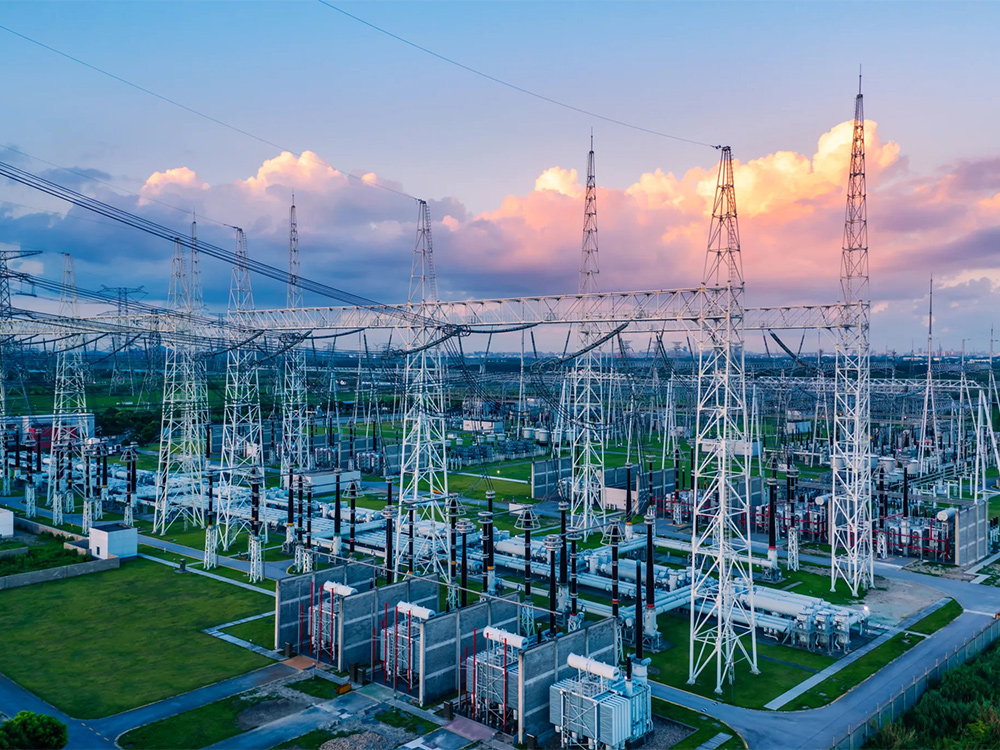
Electric Energy
As the cornerstone of stable power grid operation, this industry encompasses all aspects of power generation, transmission, and distribution, placing extremely high demands on the reliability, safety, and long-term service performance of equipment. We provide core equipment for traditional thermal, hydroelectric, and nuclear power plants, substations at all levels, and power transmission and distribution networks.
Learn More →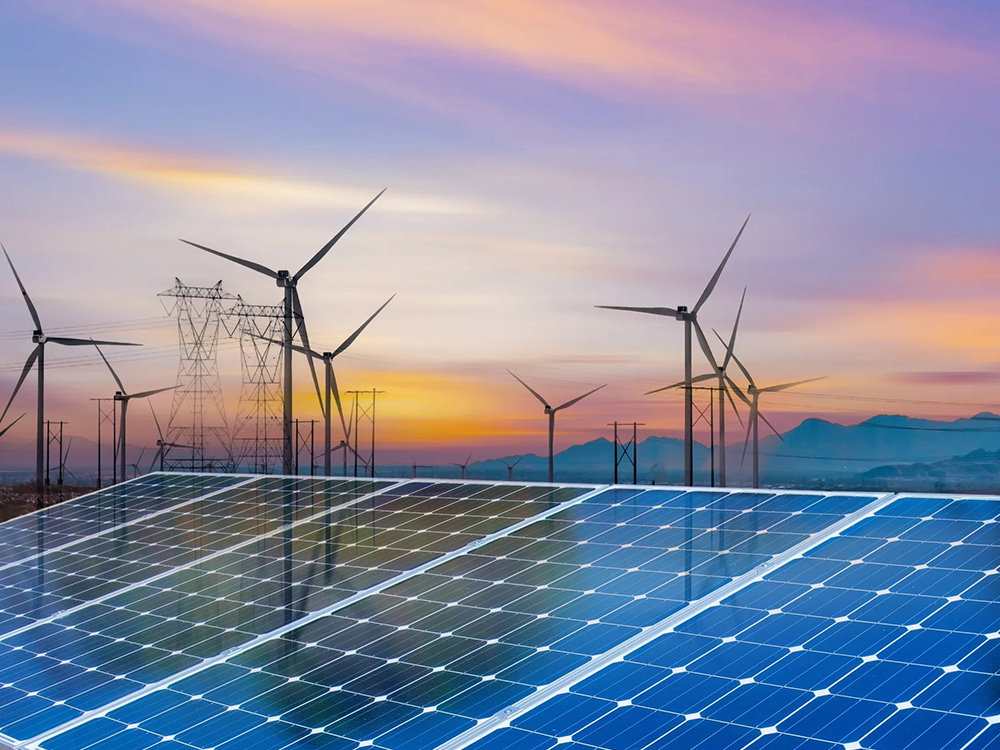
New Energy Power Generation
The rapid development of green energy sources such as photovoltaics and wind power has placed higher demands on the adaptability and intelligence of the electrical equipment used in their production. We focus on the specific needs of new energy power generation scenarios, providing a full range of electrical solutions from generation to grid connection.
Learn More →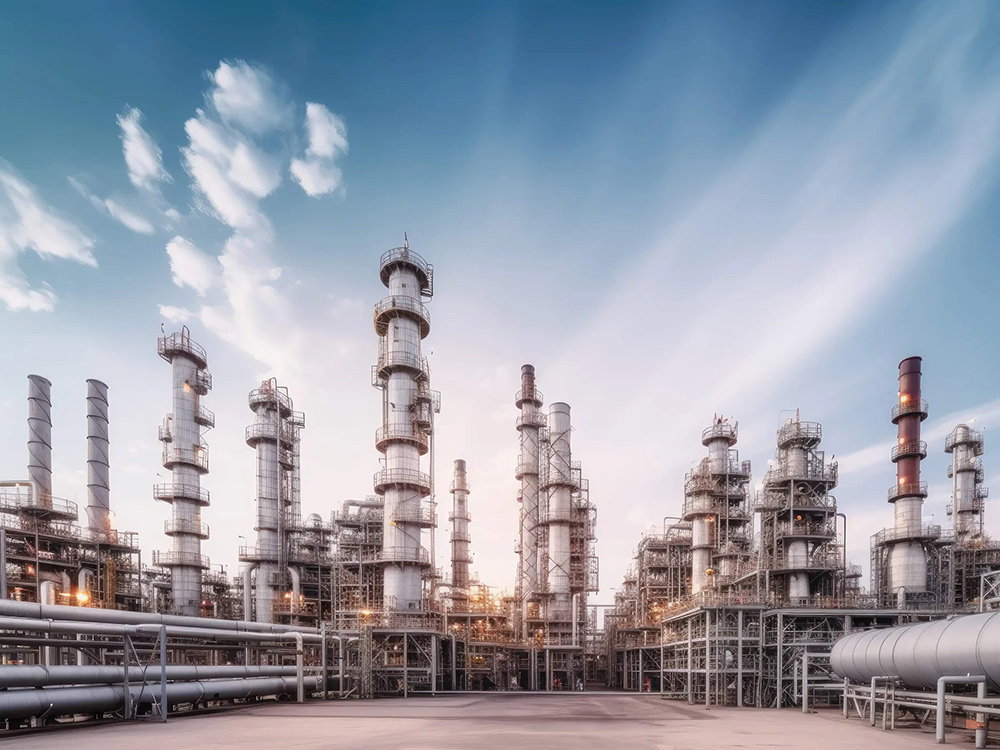
Industrial Manufacturing and Automation
Modern factories rely on a continuous, safe, and high-quality power supply to ensure uninterrupted operation of production lines. Our products serve the power distribution systems and automation control loops of various manufacturing plants, acting as the "heart" and "nerves" of industrial power.
Learn More →
Building and Municipal Engineering
From large commercial complexes to smart city infrastructure, safe, efficient, and intelligent power distribution systems are the lifeblood of modern buildings. We provide a complete range of electrical products for various buildings and municipal projects, from main power distribution to end-point lighting.
Learn More →
Infrastructure Construction
Major infrastructure projects such as railways, highways, ports, and water conservancy are large-scale and operate in complex environments, posing a severe test to the durability and reliability of power equipment. We provide full-cycle product support for infrastructure projects, from temporary power supply during the construction phase to permanent power distribution during the operation phase.
Learn More →Generating transformers designed for fire-sensitive indoor dry-type installations represent the convergence of safety, efficiency, and technological innovation. As building codes become more stringent, environmental concerns intensify, and electrical systems grow more complex, the advantages of dry-type transformer technology become increasingly compelling.
The elimination of flammable oils, combined with advanced insulation materials, intelligent monitoring capabilities, and superior energy efficiency, positions dry-type generating transformers as the optimal solution for modern indoor electrical infrastructure. Whether serving data centers, healthcare facilities, commercial buildings, or industrial operations, these transformers deliver the reliability and safety that critical applications demand.
Looking forward, continued innovation in materials science, digital technologies, and sustainable design principles will further enhance the capabilities and value proposition of dry-type transformers. Facility owners, engineers, and operators who embrace these advanced solutions position themselves for long-term success in an increasingly complex and regulated electrical landscape.
The transformation of electrical infrastructure toward safer, more efficient, and more intelligent systems is well underway. Generating transformers for fire-sensitive indoor dry-type installations stand at the forefront of this evolution, providing the foundation for reliable power distribution in the buildings and facilities that power our modern world.
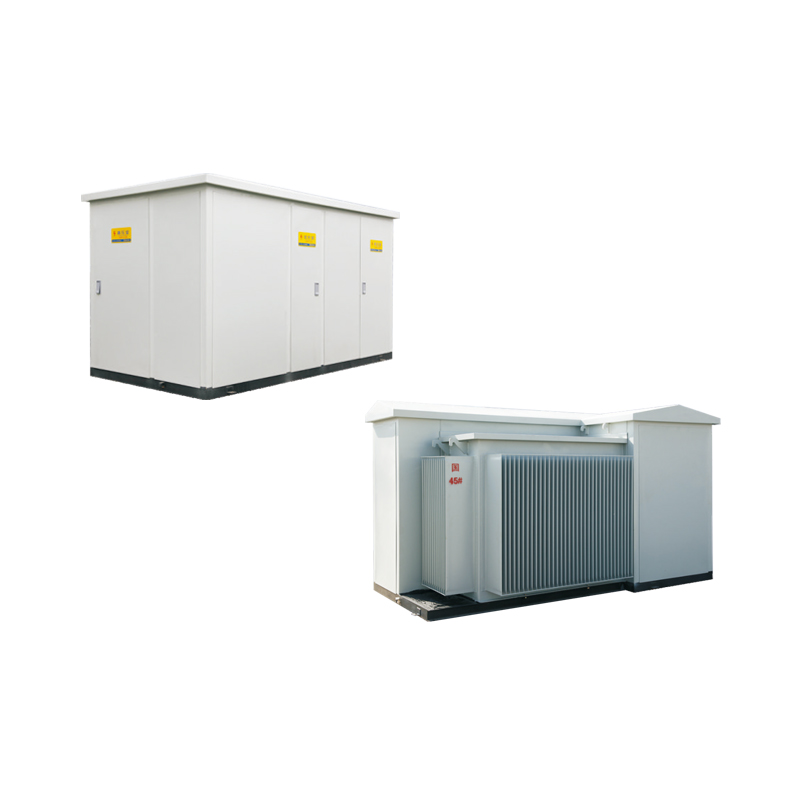 YBWF/G-40.5/0.69 Wind Power Transformer/Photovoltaic Power Transformer
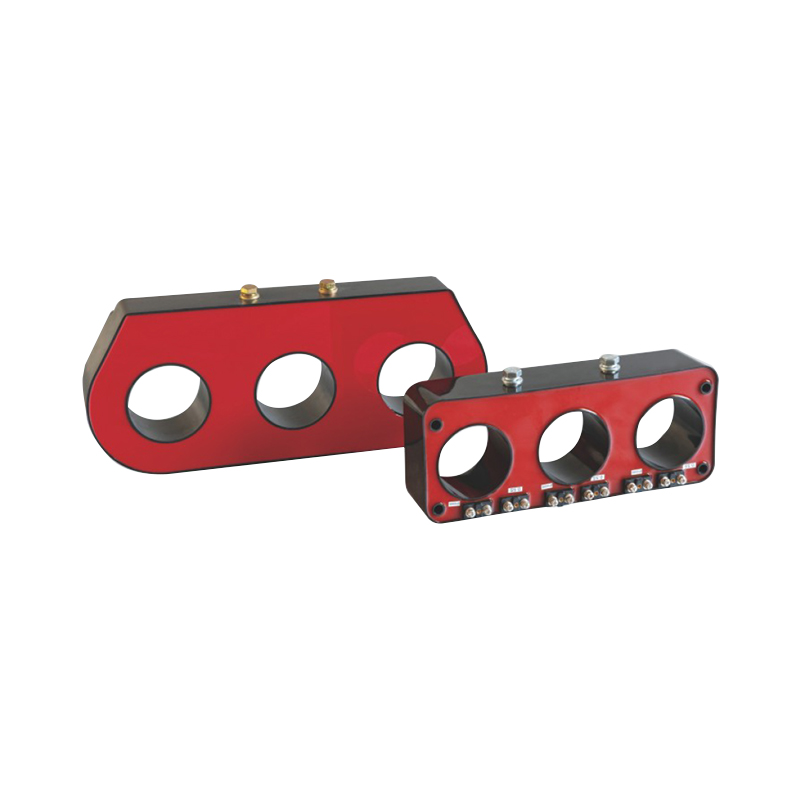 LSY-10 Three-Phase One series Current Transformer
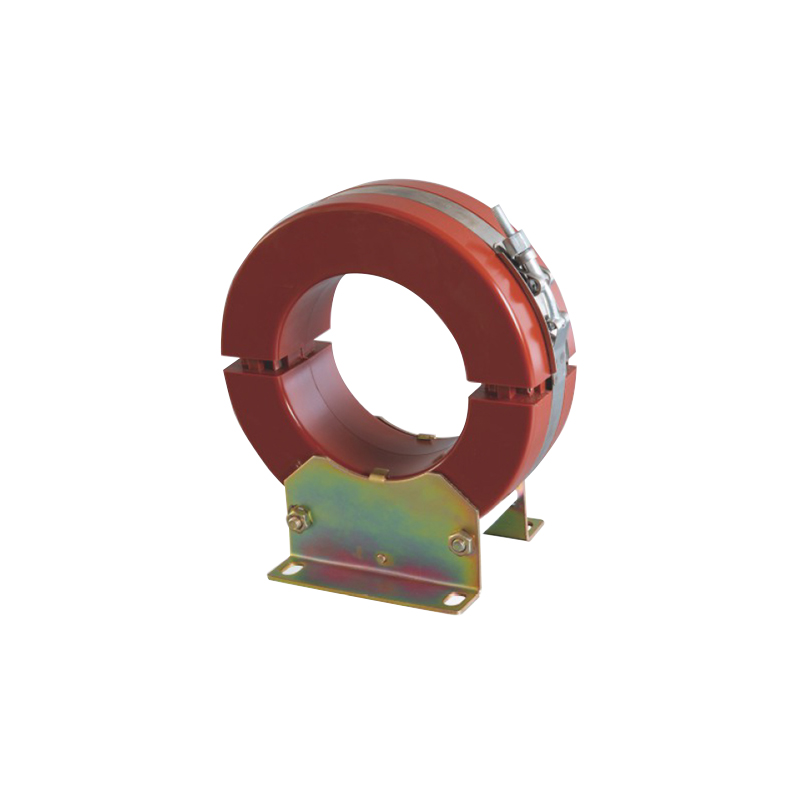 LXK-Փ (80,120,140,160,200,240) series Zero Sequence Current Transformer
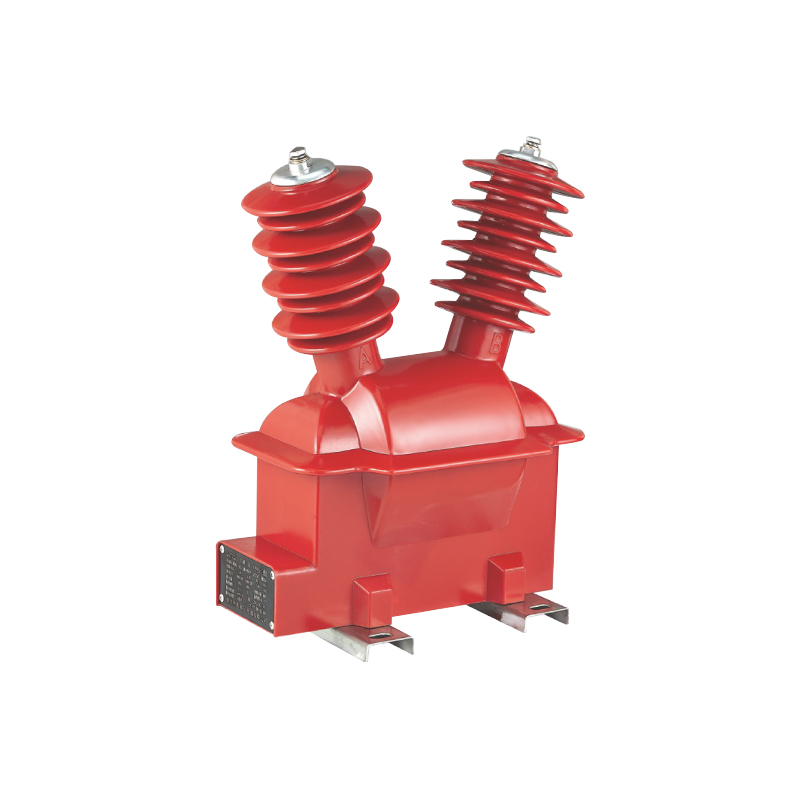 JDZW-10R High Quality Voltage Transformer
 Indoor Voltage Transformer (for Ring Network Cabinet)
 JDZ(X)(9,10)-3,6,10 type Voltage Transformer
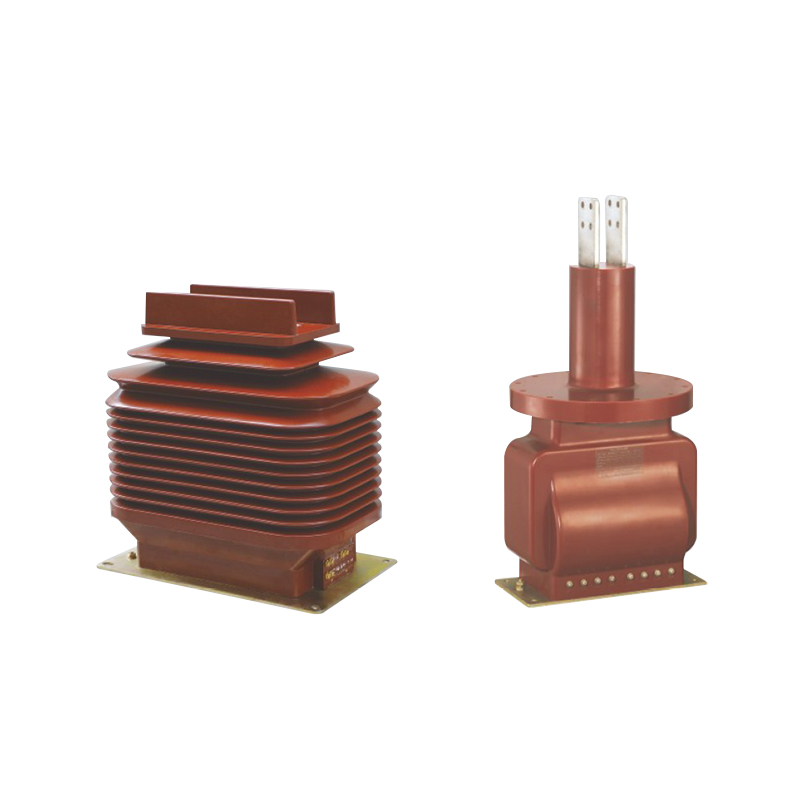 LZZB9-35 High Quality Current Transformer
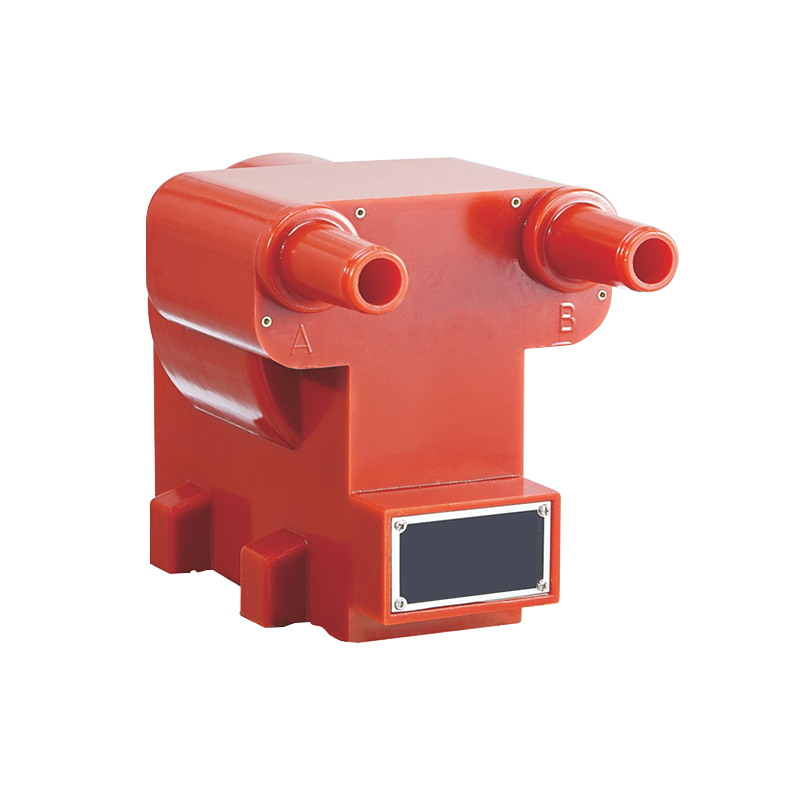 Voltage Transformer (for Ring Network Cabinet)