
Leave Your Message
Exploring the critical role of generating transformers in modern electrical infrastructure and their impact on global energy distribution systems
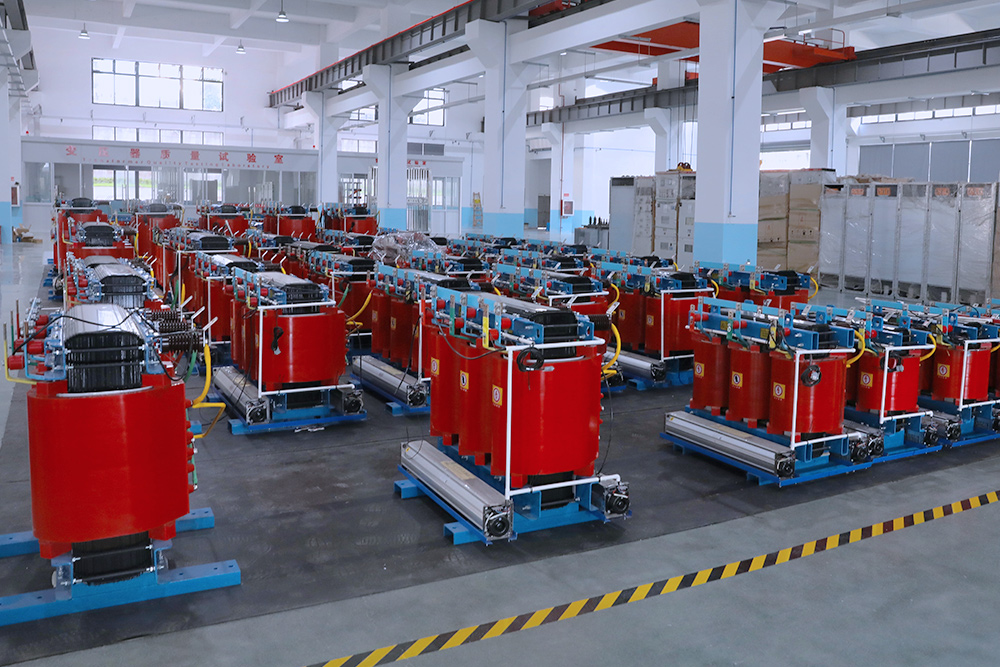
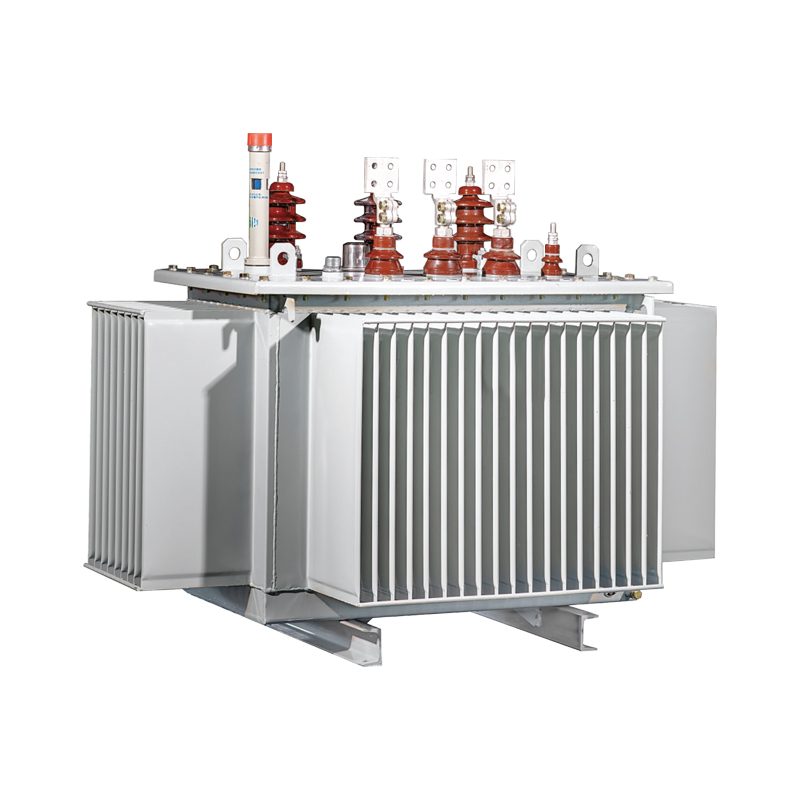
Generating transformers represent one of the most critical components in modern electrical power systems, serving as the essential link between power generation facilities and long-distance transmission networks. These sophisticated electrical devices perform the crucial function of stepping up voltage levels from power generation sources to the high voltage levels required for efficient long-distance transmission, typically ranging from 110kV to 765kV or even higher in ultra-high voltage (UHV) applications.
The fundamental principle behind using generating transformers for long-distance transmission lies in the physics of electrical power transmission. According to Joule's law, power loss in transmission lines is proportional to the square of the current (P = I²R). By stepping up the voltage and correspondingly reducing the current for the same power transmission, generating transformers dramatically reduce transmission losses, making it economically viable to transport electrical energy across hundreds or even thousands of kilometers.
In the context of global energy infrastructure development, generating transformers have become increasingly sophisticated, incorporating advanced materials, innovative cooling systems, and intelligent monitoring capabilities. Modern generating transformers are engineered to handle power ratings exceeding 1000 MVA, with efficiency levels reaching 99.5% or higher, representing decades of technological refinement and engineering excellence.
The global market for generating transformers has experienced substantial growth driven by increasing electricity demand, renewable energy integration, and grid modernization initiatives. According to industry analyses, the power transformer market, including generating transformers, is projected to reach approximately $28 billion by 2027, with a compound annual growth rate (CAGR) of 5.8% from 2022 to 2027.
Asia-Pacific region, particularly China and India, dominates the market due to massive infrastructure development projects, urbanization, and industrial expansion. China alone accounts for nearly 40% of global transformer production capacity, with companies like TBEA, Baoding Tianwei, and Shandong Electrical Engineering & Equipment Group leading in manufacturing capabilities. The Belt and Road Initiative has further accelerated demand for high-capacity generating transformers across participating countries.
The generating transformer industry is witnessing several transformative technological trends:
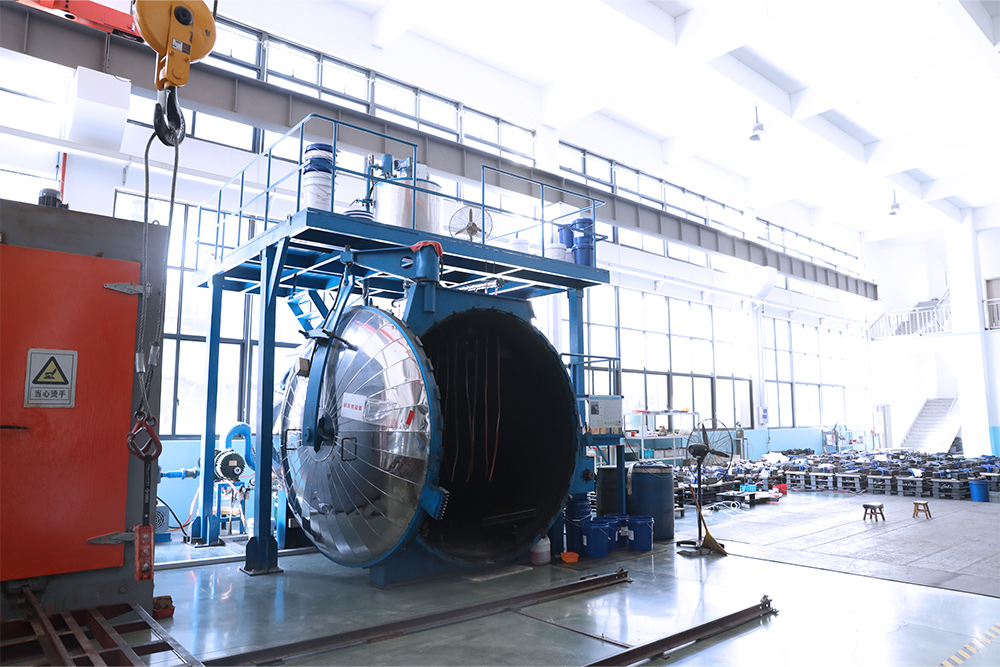
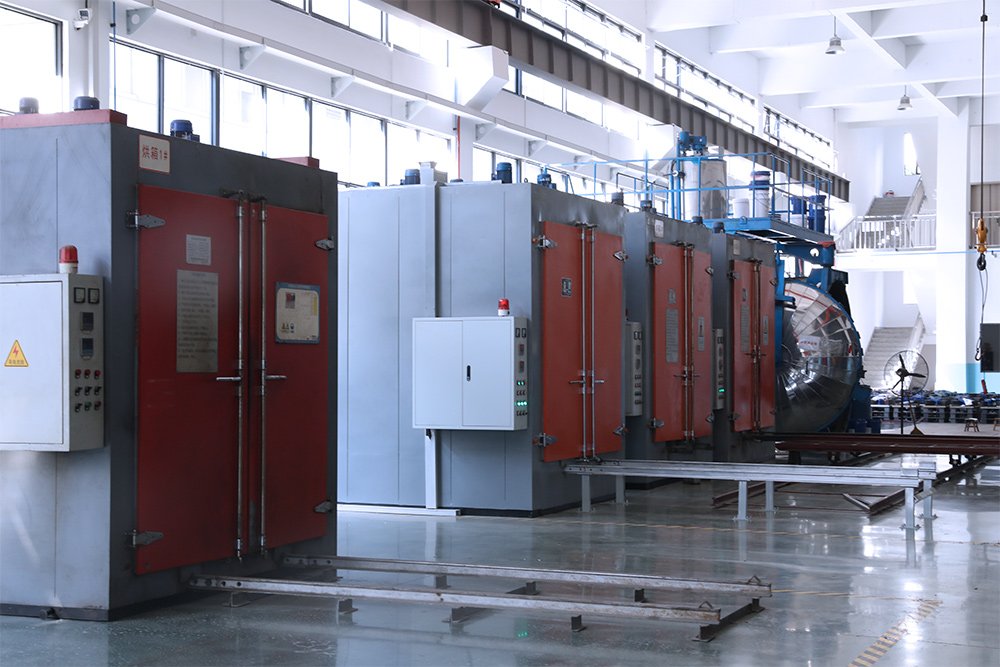
The manufacturing of generating transformers requires highly specialized facilities, skilled workforce, and stringent quality control processes. Leading manufacturers have established comprehensive supply chains encompassing:
• Efficiency: 99.5% or higher at full load | • Power Rating: 100 MVA to 1500+ MVA | • Voltage Class: 110kV to 765kV | • Expected Lifespan: 30-40 years with proper maintenance | • Load Loss: Less than 0.5% at rated capacity | • No-load Loss: Reduced by 30% with amorphous core technology
The global transition toward renewable energy sources has created unprecedented demand for specialized generating transformers. Wind farms and solar power plants, often located in remote areas with optimal natural resources, require robust transformer solutions to connect to the main grid:
China's pioneering UHV transmission network, operating at ±800kV DC and 1000kV AC, represents the cutting edge of long-distance power transmission technology. Generating transformers for UHV applications feature:
These UHV systems enable transmission of 10,000 MW or more over distances exceeding 2000 kilometers with transmission losses below 7%, revolutionizing power distribution across continental distances.
Large industrial facilities such as steel mills, aluminum smelters, chemical plants, and data centers require dedicated generating transformers to ensure stable, high-quality power supply:
International power grid interconnections require generating transformers that can accommodate different voltage standards, frequency variations, and regulatory requirements. Notable examples include:
The future of generating transformers lies in comprehensive digitalization, incorporating:
Environmental regulations and corporate sustainability commitments are driving innovations in transformer design:
Research and development efforts are focused on breakthrough technologies that could revolutionize transformer design:
The commercial landscape for generating transformers is characterized by several key factors:
Large generating transformers represent significant capital investments, with costs ranging from $1 million for smaller units (100 MVA, 110kV) to over $10 million for ultra-large UHV transformers (1000+ MVA, 500kV+). Total project costs including installation, civil works, and auxiliary systems can be 2-3 times the transformer equipment cost.
Total cost of ownership analysis considers:
High-efficiency transformers with 0.5% lower losses can justify 15-20% higher initial costs through reduced operational expenses over their lifetime.
Large-scale power transmission projects utilize various financing mechanisms:
Advanced core materials and optimized design achieving 99.5%+ efficiency, minimizing transmission losses
Robust construction and comprehensive protection systems ensuring 30-40 years operational lifespan
Eco-friendly insulation fluids and reduced greenhouse gas emissions meeting international standards
Generating transformers for long-distance power grid transmission stand at the intersection of traditional electrical engineering excellence and cutting-edge technological innovation. As global energy systems transition toward renewable sources, cross-border interconnections, and smart grid architectures, the role of generating transformers becomes increasingly critical and complex.
The industry's evolution toward digitalization, sustainability, and enhanced performance creates unprecedented opportunities for manufacturers, utilities, and investors. Success in this sector requires not only technical excellence but also comprehensive understanding of regulatory environments, financing mechanisms, and emerging market dynamics.
For organizations seeking reliable transformer solutions, partnering with established manufacturers backed by state-owned enterprise credibility, proven track records with major utilities, and comprehensive supply chain capabilities ensures project success. The combination of traditional engineering expertise and innovative technologies positions the transformer industry as a cornerstone of global energy infrastructure development for decades to come.
Yueqing Suian Electric Co., Ltd. is a wholly state-owned trading company controlled by Yueqing Liushi Urban and Rural Construction Investment Co., Ltd., with a registered capital of 10 million yuan. It has been deeply involved in the field of electrical product trading. With its solid state-owned background, rich experience in serving central enterprises, and the leading electrical industry ecosystem and location empowerment in China, it is committed to pioneering a new pattern of global electrical trade with the responsibility of a state-owned enterprise, becoming a core partner of the electrical supply chain trusted by global customers, and providing high-standard and reliable electrical products and solutions for overseas markets.
Liushi Town, known as "Zhejiang's No. 1 Industrial Strong Town," achieved a total industrial output value of 106.76 billion yuan in 2024, exceeding 100 billion yuan for two consecutive years and firmly ranking first in Zhejiang Province among the top 1,000 towns in China in terms of comprehensive strength. As a wholly state-owned enterprise, the company, backed by the state-owned capital of the Liushi Town Government, naturally possesses core advantages such as strong financial strength, compliant operation, and strong risk resistance. The company has accumulated extensive cooperative experience in the domestic market, successfully serving numerous leading central enterprises, including China Construction Eighth Engineering Bureau, China Construction Science & Industry Group Co., Ltd., China Construction Second Engineering Bureau, and Sinopec. It has accumulated rich project experience in infrastructure engineering, energy and power, and other fields. Its products and services have passed the stringent standards of central enterprises and possess mature capabilities suitable for large-scale projects and complex scenarios.
Based in Liushi, Yueqing, known as the "Electrical Capital of China" and the "Export Base of Low-Voltage Electrical Appliances in China," the company focuses on core trade in the electrical field. Boasting unparalleled supply chain advantages, it mainly deals in over 200 series and 25,000 models of products, including transformers, high and low voltage electrical equipment, complete sets of electrical equipment, wires and cables, and new energy electrical products. Leveraging state-owned platform resources, the company ensures product quality and supply stability while achieving high cost-effectiveness through the scale effect of industrial clusters, providing diversified product choices for overseas customers. Deeply integrated into the "Belt and Road" initiative, the company excels in connecting with major overseas infrastructure and energy projects, and can provide supporting services for electrical products that meet international standards.
Adhering to the core principles of "integrity as the foundation, compliance as the basis, and win-win cooperation as the way," Yueqing Sui'an Electric Co., Ltd. builds a solid foundation for cooperation with the credibility of a state-owned enterprise, ensures product quality with the service experience of a central enterprise, empowers global competitiveness with the advantages of industrial clusters, and connects overseas markets with professional services. Leveraging the "Electrical+" strategy of Liushi Town and the benefits of six emerging industrial parks, the company collaborates with global partners to build an international trade network, empowering the development of the global electrical industry with the quality of a state-owned enterprise, and is committed to becoming a trustworthy international electrical trading partner.
Yueqing Suian Electric Co., Ltd.