
Leave Your Message
The Generating Transformer for Stepping Up Generator Voltage, universally known as the Generator Step-Up (GSU) transformer, operates as the vital nexus between a power generation facility and the high-voltage transmission grid. In modern electrical engineering, electricity is typically generated at relatively low voltages, generally ranging from 10kV to 25kV, due to the physical and insulation constraints of rotating generator stators. However, transmitting massive amounts of bulk power over long geographical distances at such low voltages would result in catastrophic energy losses due to excessive current and the resulting I²R (joule) heating in transmission lines.
This is precisely where the generating transformer becomes indispensable. By stepping up the generator voltage to ultra-high transmission levels—commonly 110kV, 220kV, 400kV, or even 800kV—these transformers exponentially reduce the current required to deliver the same amount of power. This monumental reduction in current minimizes line losses, enhances grid stability, and ensures that electrical energy generated at isolated thermal, hydro, or nuclear plants can be delivered efficiently to dense urban centers and sprawling industrial complexes miles away.
Stepping up voltage reduces transmission current, drastically lowering heat dissipation and energy loss across extensive power grids.
GSU transformers ensure precise impedance matching and phase alignment, critical for seamless synchronization with the national grid.
The global industrial landscape for generating transformers is experiencing an unprecedented paradigm shift. Historically dominated by massive, bespoke units designed exclusively for colossal coal or nuclear plants, the market is currently diversifying at a rapid pace. Valued at tens of billions of dollars, the generating transformer sector is being propelled by two primary global mandates: the urgent replacement of aging electrical infrastructure in developed nations (such as the United States and Western Europe) and the aggressive electrification and grid expansion initiatives in developing economies across Asia, Africa, and Latin America.
Commercially, the procurement of a generating transformer is a multi-million-dollar capital expenditure. Because these transformers operate continuously at near full-load capacity—unlike distribution transformers which experience fluctuating cyclic loads—they demand the highest grade of materials. High-permeability grain-oriented electrical steel (GOES) for the core, electrolytic grade copper for the windings, and advanced dielectric fluids are non-negotiable standards. The industrial manufacturing of these units requires state-of-the-art clean room winding environments, vapor phase drying processes, and ultra-high voltage testing laboratories. Consequently, the commercial supply chain is highly consolidated, with state-owned enterprises and elite global manufacturers leading the charge in delivering these mission-critical assets.
As the world transitions towards Industry 4.0 and sustainable energy ecosystems, the technological evolution of the Generating Transformer for Stepping Up Generator Voltage is accelerating. The traditional passive transformer is being reborn as an active, intelligent node within the smart grid.
Modern GSU transformers are now equipped with sophisticated sensor arrays and edge-computing capabilities. Real-time Dissolved Gas Analysis (DGA) monitors are integrated directly into the cooling oil loops, utilizing AI algorithms to detect trace amounts of hydrogen, ethylene, or carbon monoxide. These gases are early indicators of internal arcing, partial discharge, or cellulose degradation. By leveraging predictive analytics, plant operators can transition from scheduled maintenance to condition-based maintenance, virtually eliminating catastrophic unplanned outages and saving millions in potential downtime.
The environmental impact of power generation is under intense scrutiny. Traditionally, generating transformers relied on thousands of gallons of mineral oil for insulation and cooling. Today, there is a massive industry trend towards using natural and synthetic ester fluids. These biodegradable alternatives not only eliminate the risk of toxic soil and water contamination in the event of a leak but also boast significantly higher flash points (above 300°C), drastically reducing the risk of catastrophic transformer fires in critical power stations.
To support massive renewable energy projects located far from urban centers, the demand for Ultra-High Voltage (UHV) step-up transformers (800kV to 1100kV) has surged. Concurrently, space constraints in offshore platforms and underground hydro plants have driven the development of highly compact, modular transformer designs. Advanced computational fluid dynamics (CFD) and 3D magnetic field mapping allow engineers to optimize cooling channels and core geometries, squeezing more MVA capacity into smaller footprints without compromising thermal performance.
The operating environment dictates the engineering DNA of a Generating Transformer. While the fundamental principle of stepping up generator voltage remains constant, the application scenarios demand highly specialized adaptations.
In these baseload facilities, GSUs operate continuously at 100% load. They are engineered with massive thermal inertia, robust short-circuit withstand capabilities, and advanced Forced Oil Forced Air (OFAF) or Directed Water (ODWF) cooling systems to manage extreme heat dissipation.
Stepping up voltage in a corrosive, high-vibration marine environment requires hermetically sealed tanks, specialized anti-corrosion coatings (C5-M class), and compact designs that fit within the restrictive nacelle or offshore substation platforms.
Furthermore, the rise of mega-scale Solar Photovoltaic (PV) parks introduces unique challenges. Solar inverters produce high-frequency harmonics and experience rapid, cloud-cover-induced load fluctuations. The generating transformers deployed here must be specifically designed to withstand harmonic heating and frequent thermal cycling, often utilizing electrostatic shields between primary and secondary windings to prevent high-frequency transients from damaging the grid.
In hydroelectric underground caverns, fire safety and spatial limitations are paramount. Here, non-flammable gas-insulated transformers (GIT) or dry-type cast resin transformers are often utilized for initial step-up phases, ensuring absolute safety in enclosed environments while maintaining the rigorous voltage step-up required for grid transmission.
Yueqing Suian Electric Co., Ltd. is a wholly state-owned trading company controlled by Yueqing Liushi Urban and Rural Construction Investment Co., Ltd., with a registered capital of 10 million yuan. It has been deeply involved in the field of electrical product trading. With its solid state-owned background, rich experience in serving central enterprises, and the leading electrical industry ecosystem and location empowerment in China, it is committed to pioneering a new pattern of global electrical trade with the responsibility of a state-owned enterprise, becoming a core partner of the electrical supply chain trusted by global customers, and providing high-standard and reliable electrical products and solutions for overseas markets.
Liushi Town, known as "Zhejiang's No. 1 Industrial Strong Town," achieved a total industrial output value of 106.76 billion yuan in 2024, exceeding 100 billion yuan for two consecutive years and firmly ranking first in Zhejiang Province among the top 1,000 towns in China in terms of comprehensive strength. As a wholly state-owned enterprise, the company naturally possesses core advantages such as strong financial strength, compliant operation, and strong risk resistance. The company has accumulated extensive cooperative experience in the domestic market, successfully serving numerous leading central enterprises.
Based in Liushi, Yueqing, known as the "Electrical Capital of China", the company focuses on core trade in the electrical field. Boasting unparalleled supply chain advantages, it mainly deals in over 200 series and 25,000 models of products, including transformers, high and low voltage electrical equipment, complete sets of electrical equipment, wires and cables, and new energy electrical products. Deeply integrated into the "Belt and Road" initiative, the company excels in connecting with major overseas infrastructure and energy projects.





Backed by government capital support, we possess robust financial strength, standardized compliant operations, and strong risk resilience capabilities.

Extensive collaboration with industry-leading central state-owned enterprises, demonstrating our capability to meet the most stringent quality standards.
Direct access to over 25,000 product models across 200+ series through our strategic position in China's electrical industry hub.

Products and services meet international standards, ideally positioned for Belt and Road Initiative projects and overseas infrastructure development.
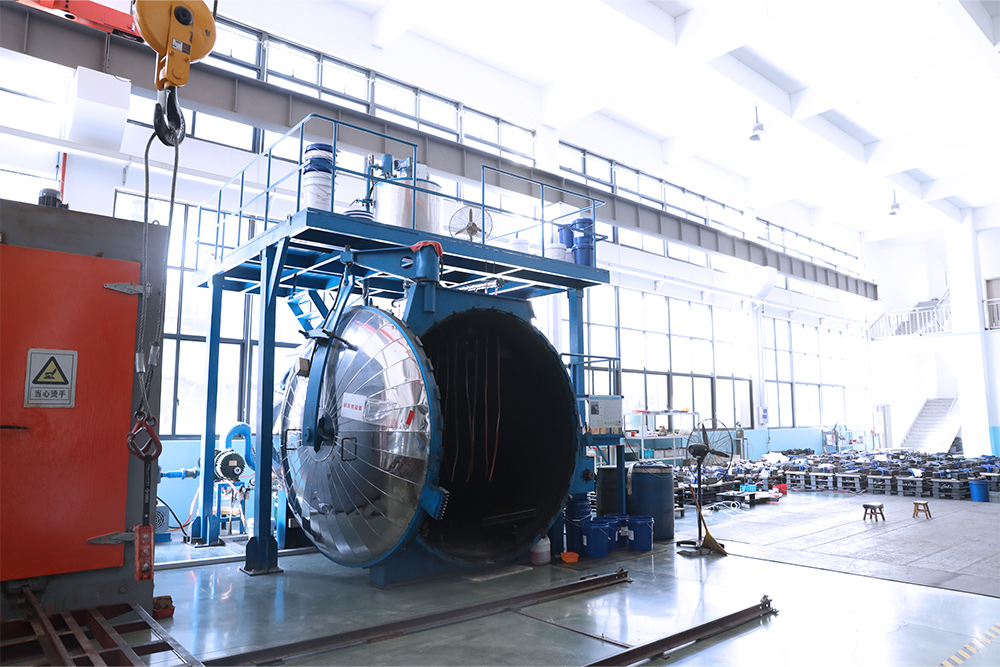
Advanced Workshop Environment
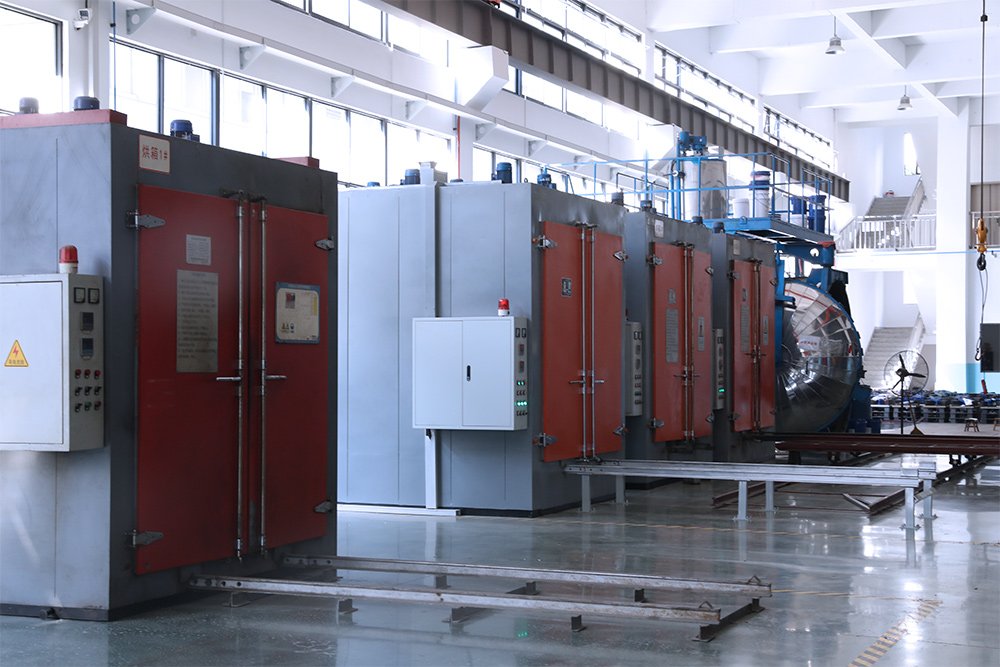
Precision Assembly Lines
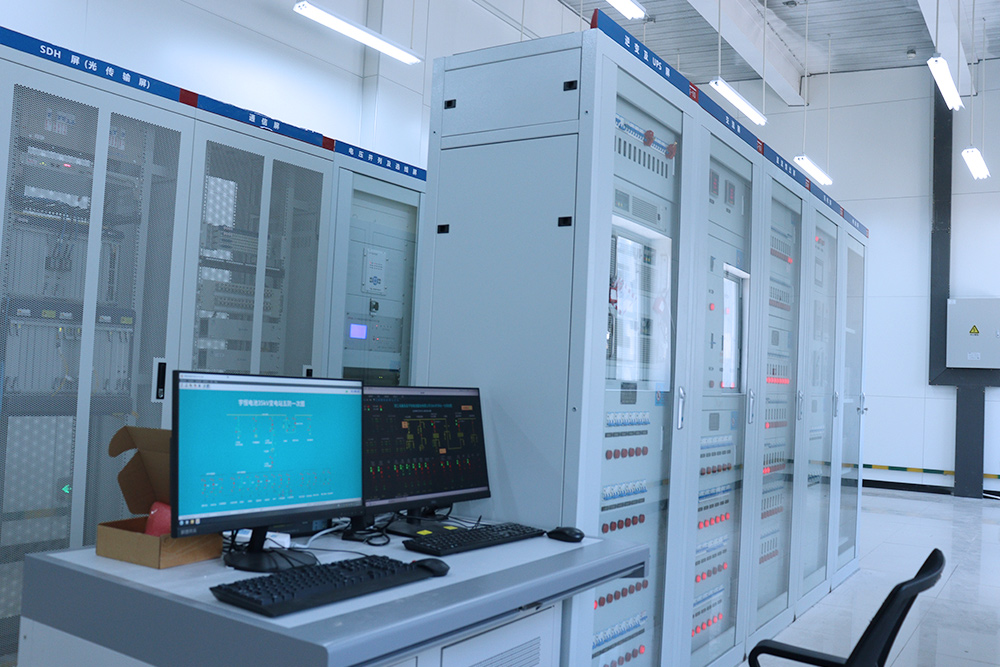
High-Voltage Testing Labs
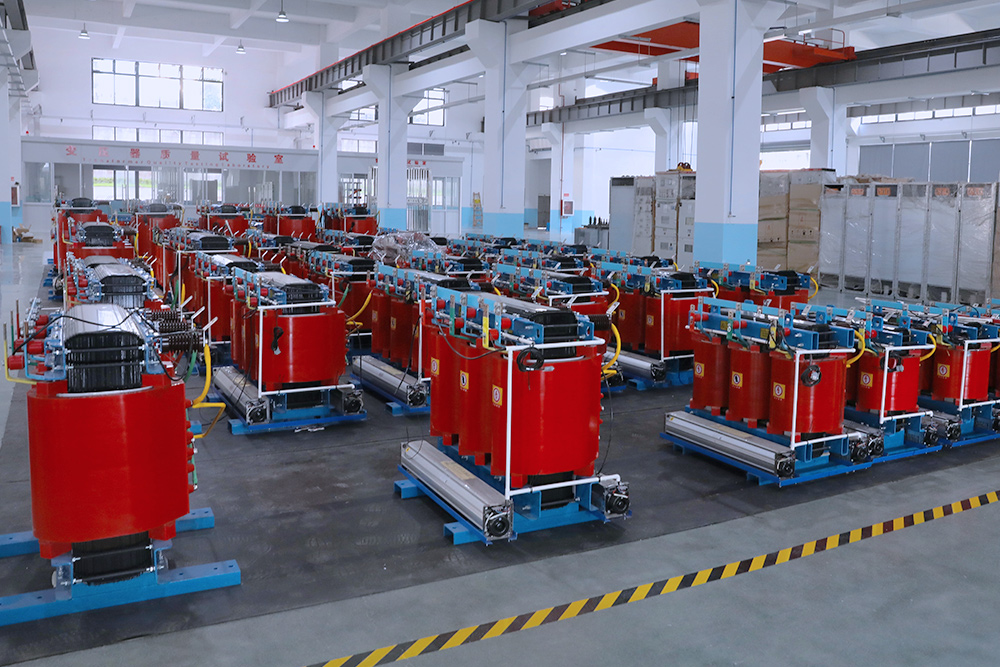
Transformer Core Display
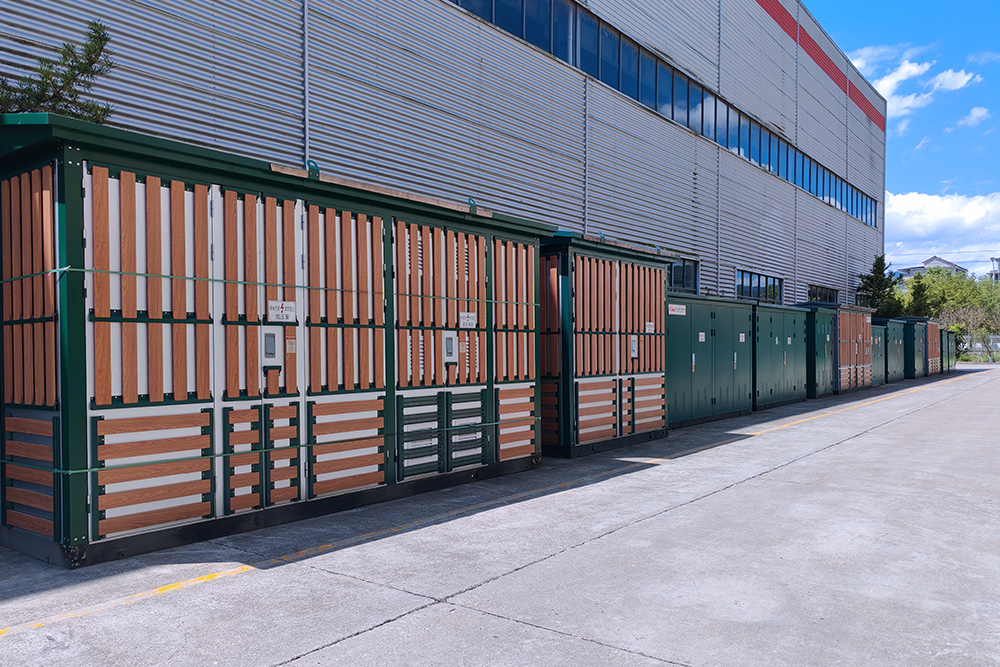
Component Engineering
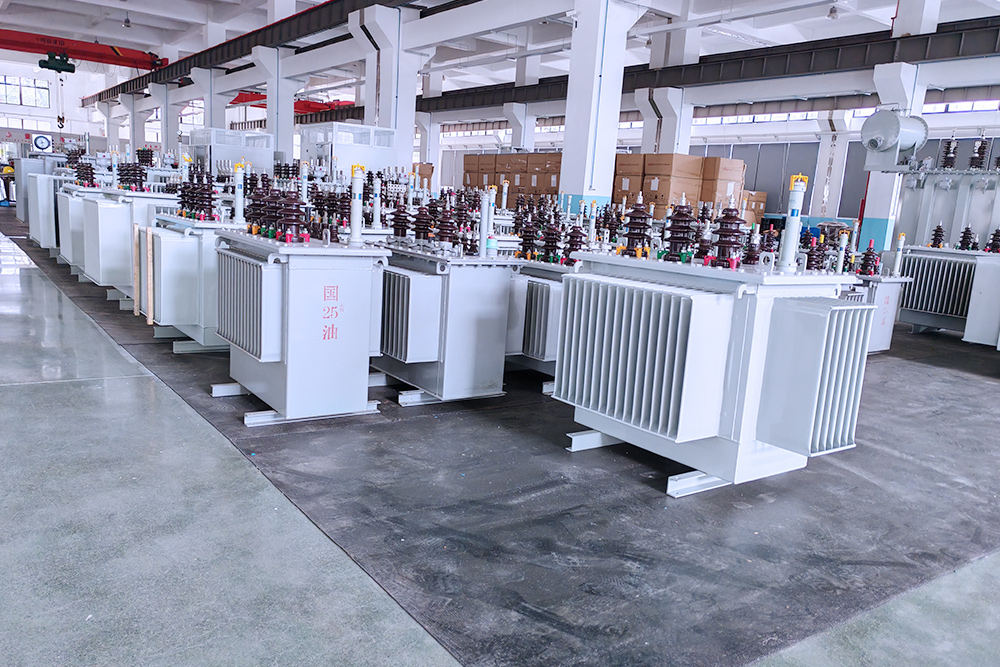
Final Product Inspection