Leave Your Message
In industrial substation applications, isolation transformers fulfill multiple essential functions that distinguish them from conventional power transformers. The primary purpose is to provide galvanic isolation between the input and output circuits, effectively breaking the direct electrical connection while maintaining power transfer through electromagnetic induction. This isolation creates a protective barrier that prevents ground loops, reduces electrical noise, and protects sensitive equipment from voltage spikes and transients that commonly occur in industrial power systems.
The transformer's isolation capability becomes particularly crucial in substations serving critical industrial processes where equipment downtime can result in significant financial losses. By isolating different sections of the power distribution network, these transformers prevent fault propagation, ensuring that electrical disturbances in one area do not cascade throughout the entire system. This compartmentalization of electrical systems enhances overall reliability and facilitates more effective troubleshooting and maintenance procedures.
The global market for isolation transformers in industrial applications has experienced substantial growth over the past decade, driven by increasing industrialization, stricter safety regulations, and the proliferation of sensitive electronic equipment in manufacturing environments. Industry analysts project continued expansion at a compound annual growth rate (CAGR) of approximately 6-8% through 2030, with the Asia-Pacific region leading demand due to rapid industrial development and infrastructure modernization projects.
Manufacturing facilities, particularly in sectors such as automotive, pharmaceuticals, semiconductor production, and food processing, have become increasingly reliant on isolation transformers to maintain power quality and protect sophisticated automation systems. The trend toward Industry 4.0 and smart manufacturing has further amplified the need for reliable power conditioning solutions, as modern production lines integrate more sensitive sensors, controllers, and communication equipment that require clean, stable power supplies.
Industrial substation isolation transformers are engineered to meet demanding performance criteria specific to heavy-duty applications. Typical voltage ratings range from 480V to 35kV on the primary side, with power capacities spanning from 10 kVA for smaller installations to several MVA for large industrial complexes. The design incorporates high-grade electrical steel cores to minimize losses and reduce heat generation, while copper or aluminum windings are carefully configured to achieve optimal efficiency and thermal performance.
Modern isolation transformer designs incorporate advanced insulation systems using Class H materials capable of withstanding continuous operation at elevated temperatures up to 180°C. This thermal resilience ensures reliable performance even in harsh industrial environments characterized by temperature fluctuations, humidity, and airborne contaminants. Manufacturers increasingly employ vacuum pressure impregnation (VPI) processes to enhance insulation integrity and extend service life, particularly for transformers installed in challenging environmental conditions.
Provides complete galvanic isolation between primary and secondary circuits, protecting personnel and equipment from electrical faults and reducing shock hazards in industrial environments.
Filters electrical noise, suppresses harmonics, and attenuates voltage transients, ensuring clean power delivery to sensitive industrial control systems and automation equipment.
Prevents fault propagation between power distribution zones, enhancing overall system reliability and minimizing downtime in critical industrial operations.
Advanced cooling systems and high-temperature insulation materials ensure stable operation under continuous heavy loads typical in industrial substation applications.
Accommodates multiple voltage configurations and tap settings, providing adaptability for diverse industrial power distribution requirements and future system modifications.
Reduces equipment damage, extends component lifespan, and minimizes maintenance requirements, delivering substantial long-term operational cost savings.
In steel mills, automotive assembly plants, and heavy machinery manufacturing facilities, isolation transformers serve as critical power conditioning devices for large motor drives, robotic welding systems, and automated material handling equipment. These applications demand transformers capable of handling high inrush currents, accommodating load variations, and maintaining voltage stability despite significant power factor fluctuations. The isolation function proves particularly valuable in preventing ground loop interference that can disrupt programmable logic controllers (PLCs) and distributed control systems (DCS) governing complex production sequences.
Modern industrial facilities increasingly incorporate on-site data centers and IT infrastructure to support enterprise resource planning (ERP) systems, manufacturing execution systems (MES), and real-time production monitoring. Isolation transformers in these applications provide essential power conditioning for uninterruptible power supply (UPS) systems, server rooms, and network equipment. The transformers' ability to suppress common-mode noise and eliminate ground loops ensures reliable operation of sensitive computing equipment while maintaining compliance with stringent electromagnetic compatibility (EMC) standards.
Chemical processing plants, refineries, and pharmaceutical manufacturing facilities present unique challenges requiring specialized isolation transformer solutions. These environments often involve hazardous area classifications where equipment must meet explosion-proof standards and provide absolute reliability to prevent process interruptions that could compromise product quality or safety. Isolation transformers in these applications frequently incorporate additional features such as electrostatic shielding, special enclosures rated for corrosive atmospheres, and redundant monitoring systems to detect incipient failures before they impact operations.
As industrial facilities increasingly adopt on-site renewable energy generation, isolation transformers play a vital role in integrating solar photovoltaic arrays and wind turbines with existing power distribution infrastructure. These transformers facilitate the connection of distributed energy resources (DER) while maintaining grid stability and protecting utility interconnections. The isolation function prevents DC injection into AC systems, mitigates harmonic distortion from inverters, and ensures compliance with grid codes governing renewable energy installations.
The evolution toward smart grid infrastructure has catalyzed development of intelligent isolation transformers equipped with integrated sensors, communication interfaces, and diagnostic capabilities. These smart transformers continuously monitor parameters such as load current, winding temperature, insulation resistance, and harmonic content, transmitting data to centralized monitoring systems via industrial protocols like Modbus, DNP3, or IEC 61850. Predictive maintenance algorithms analyze this data to identify degradation trends and schedule maintenance interventions before failures occur, significantly reducing unplanned downtime and extending transformer service life.
Environmental regulations and corporate sustainability initiatives drive continuous improvements in transformer efficiency. Modern isolation transformers for industrial substations achieve efficiency levels exceeding 98% through advanced core materials, optimized winding geometries, and improved cooling systems. Amorphous metal cores, though more expensive than conventional silicon steel, offer significantly lower no-load losses, making them increasingly attractive for applications with extended idle periods. Manufacturers also employ finite element analysis (FEA) and computational fluid dynamics (CFD) to optimize thermal management, reducing cooling requirements and improving overall energy performance.
Space constraints in existing industrial facilities and the need for flexible, scalable power distribution solutions have accelerated development of compact, modular isolation transformer designs. Advanced manufacturing techniques, including 3D-printed components and optimized magnetic circuits, enable significant size reductions without compromising performance. Modular architectures allow parallel operation of multiple smaller units to achieve desired capacity, providing redundancy and facilitating staged capacity expansion as industrial operations grow.
Industrial substations often operate in challenging environmental conditions involving temperature extremes, humidity, dust, and corrosive atmospheres. Next-generation isolation transformers incorporate advanced protective features such as sealed enclosures with IP65 or higher ratings, conformal coatings on internal components, and materials resistant to chemical exposure. These enhancements extend reliable operation to applications in coastal environments, mining operations, and facilities processing corrosive materials, expanding the viable deployment envelope for isolation transformer technology.
The proliferation of industrial microgrids combining conventional power sources with renewable generation and energy storage systems creates new opportunities for specialized isolation transformers. These applications require transformers capable of bidirectional power flow, rapid response to load changes, and seamless transition between grid-connected and islanded operation modes. Isolation transformers designed for microgrid applications incorporate advanced control interfaces and protective relaying compatible with distributed energy resource management systems (DERMS), enabling sophisticated power management strategies that optimize energy costs and enhance resilience.
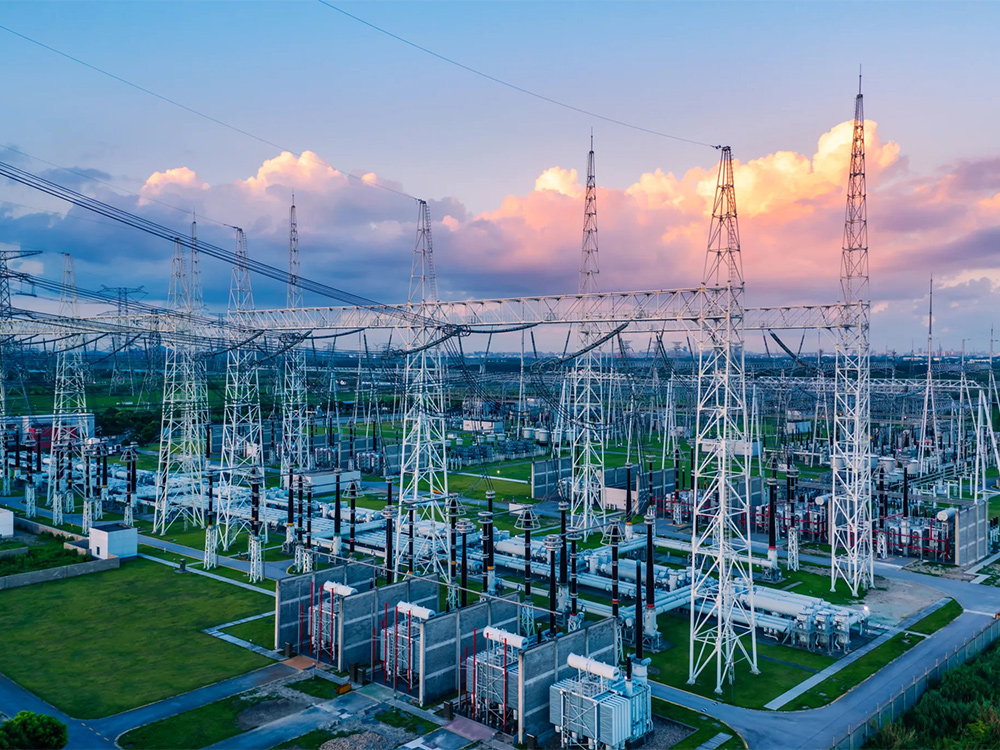
As the cornerstone of stable power grid operation, this industry encompasses all aspects of power generation, transmission, and distribution, placing extremely high demands on the reliability, safety, and long-term service performance of equipment. We provide core equipment for traditional thermal, hydroelectric, and nuclear power plants, substations at all levels, and power transmission and distribution networks.
Learn More →
The rapid development of green energy sources such as photovoltaics and wind power has placed higher demands on the adaptability and intelligence of the electrical equipment used in their production. We focus on the specific needs of new energy power generation scenarios, providing a full range of electrical solutions from generation to grid connection.
Learn More →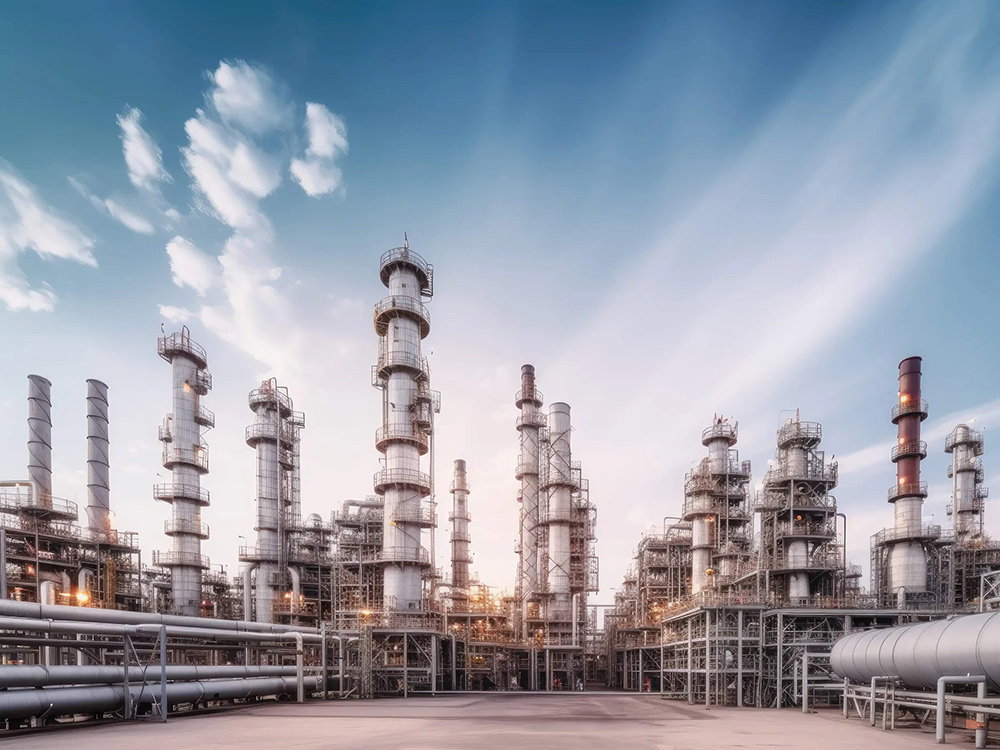
Modern factories rely on a continuous, safe, and high-quality power supply to ensure uninterrupted operation of production lines. Our products serve the power distribution systems and automation control loops of various manufacturing plants, acting as the "heart" and "nerves" of industrial power.
Learn More →
From large commercial complexes to smart city infrastructure, safe, efficient, and intelligent power distribution systems are the lifeblood of modern buildings. We provide a complete range of electrical products for various buildings and municipal projects, from main power distribution to end-point lighting.
Learn More →
Major infrastructure projects such as railways, highways, ports, and water conservancy are large-scale and operate in complex environments, posing a severe test to the durability and reliability of power equipment. We provide full-cycle product support for infrastructure projects, from temporary power supply during the construction phase to permanent power distribution during the operation phase.
Learn More →Selecting the appropriate isolation transformer for industrial substation applications requires careful evaluation of multiple technical and operational factors. Primary considerations include voltage ratings matching the facility's power distribution architecture, power capacity sufficient to handle peak loads with appropriate safety margins, and impedance characteristics compatible with upstream protective devices and downstream equipment. Engineers must also assess short-circuit withstand capability, ensuring the transformer can survive fault conditions without catastrophic failure until protective devices clear the fault.
Environmental factors significantly influence transformer selection and specification. Operating temperature range, altitude, humidity levels, and exposure to contaminants all impact transformer design requirements. Facilities in coastal areas may require special corrosion-resistant finishes and sealed enclosures, while installations in extreme climates necessitate enhanced cooling systems or heating elements to maintain optimal operating temperatures. Regulatory compliance represents another critical consideration, with transformers potentially requiring certifications for hazardous locations, seismic zones, or specific industry standards such as UL, CSA, IEC, or IEEE specifications.
Proper installation forms the foundation for reliable long-term operation of isolation transformers in industrial substations. Site preparation begins with establishing adequate structural support capable of bearing the transformer's weight plus any dynamic loads from seismic activity or equipment vibration. Ventilation requirements must be carefully assessed to ensure sufficient airflow for heat dissipation, particularly for naturally-cooled transformers where inadequate ventilation can lead to premature aging and failure. Electrical connections require meticulous attention to torque specifications, conductor sizing, and termination methods to minimize contact resistance and prevent hotspots that could initiate insulation breakdown.
Grounding and bonding practices prove especially critical for isolation transformers, as improper grounding can negate the isolation benefits and create safety hazards. Engineers must carefully design grounding schemes considering the transformer's role in the overall power distribution architecture, applicable electrical codes, and the need to maintain isolation while providing adequate fault current paths for protective device operation. Commissioning procedures should include comprehensive testing protocols verifying insulation resistance, turns ratio, polarity, and load performance before energizing connected equipment.
Implementing a proactive maintenance program maximizes isolation transformer reliability and service life in industrial substation applications. Routine inspections should assess physical condition, checking for signs of overheating, insulation degradation, or mechanical damage. Electrical testing at regular intervals measures insulation resistance, power factor, and dissolved gas analysis for liquid-filled units, providing early warning of developing problems. Thermographic surveys identify abnormal temperature distributions indicating loose connections, internal faults, or cooling system deficiencies requiring corrective action.
Modern condition monitoring systems enable continuous assessment of transformer health, detecting subtle changes that might escape periodic inspections. Online monitoring of parameters such as load current, winding temperature, and partial discharge activity allows maintenance teams to track performance trends and schedule interventions based on actual equipment condition rather than arbitrary time intervals. This condition-based maintenance approach optimizes resource allocation, reduces unnecessary maintenance activities, and prevents unexpected failures that could disrupt critical industrial operations.
Isolation transformers represent an indispensable component of modern industrial substation power supply systems, delivering critical benefits that extend far beyond simple voltage transformation. Their ability to provide electrical isolation, enhance power quality, protect sensitive equipment, and improve overall system reliability makes them essential investments for industrial facilities seeking to optimize operational performance and minimize downtime risks.
As industrial operations become increasingly automated and dependent on sophisticated electronic control systems, the role of isolation transformers will only grow in importance. Emerging technologies including smart monitoring, enhanced efficiency designs, and specialized solutions for renewable energy integration position isolation transformers at the forefront of power distribution innovation. Facilities that strategically implement properly specified and maintained isolation transformers gain significant competitive advantages through improved equipment reliability, reduced maintenance costs, enhanced safety, and greater operational flexibility to adapt to evolving power quality requirements.
The investment in quality isolation transformers from reputable manufacturers, coupled with professional installation and proactive maintenance practices, delivers substantial long-term value that far exceeds initial capital costs. As industrial power systems continue evolving to meet the challenges of modern manufacturing, isolation transformers will remain fundamental building blocks enabling safe, reliable, and efficient power distribution in industrial substations worldwide.