
Leave Your Message
Precision-engineered transformers designed to meet the exacting demands of railway traction power, signalling, and protection circuits.
An isolation transformer is a critical electrical device used to transfer power between circuits while maintaining complete galvanic isolation — meaning there is no direct electrical connection between the primary and secondary windings. In railway and traction power environments, this isolation is not merely a convenience but an absolute engineering necessity.
Railway traction systems operate at high voltages — typically 25 kV AC (single-phase) for mainline electrified railways, or 750 V / 1500 V DC for metro and light rail — and generate intense electromagnetic interference (EMI), stray currents, and transient voltage spikes. Isolation transformers act as protective barriers, preventing dangerous fault currents from propagating into sensitive control, signalling, and communication subsystems, while also suppressing EMI and providing stable, clean power to onboard and trackside electronics.
Beyond safety, isolation transformers in traction applications are specifically designed to handle the unique load characteristics of electric locomotives and multiple units (EMUs): rapid load cycling, high inrush currents, asymmetric loading, and continuous vibration. They must comply with international standards such as IEC 60310 (traction transformers), EN 50163, and EN 50124 to ensure interoperability and safety across global rail networks.
In a high-power traction environment, a single ground fault without proper isolation can cause catastrophic equipment failure, signal interference, or even passenger safety incidents. Isolation transformers provide the essential barrier that keeps traction power circuits separate from auxiliary and control systems — safeguarding both infrastructure and lives.
The global railway electrification boom is driving unprecedented demand for high-performance isolation transformers across traction substations, rolling stock, and urban transit networks.
Governments worldwide are accelerating railway electrification programs to reduce carbon emissions and improve energy efficiency. The global market for traction transformers is projected to exceed USD 4.5 billion by 2030, with Asia-Pacific — led by China's high-speed rail network — accounting for the largest share. Isolation transformers are an indispensable component of every new electrified line, substation upgrade, and rolling stock procurement program.
Rapid urbanization across Asia, the Middle East, and Africa is fuelling a metro construction wave. Cities such as Riyadh, Jakarta, Mumbai, and Nairobi are commissioning new metro lines that require thousands of isolation transformers for traction power supply units (TPSUs), platform screen door systems, and station auxiliary power. Compact, dry-type isolation transformers with high IP ratings are increasingly preferred for underground and confined-space installations.
Modern traction substations increasingly incorporate regenerative braking energy recovery systems and battery energy storage systems (BESS). Isolation transformers play a pivotal role in safely interfacing these DC and AC energy storage systems with the traction power network, preventing voltage backfeed and ensuring grid code compliance. This trend is creating demand for bidirectional-capable isolation transformers with enhanced harmonic tolerance.
The adoption of Industry 4.0 principles in railway asset management is driving demand for "smart" isolation transformers equipped with integrated sensors for real-time temperature monitoring, partial discharge detection, and load analytics. These IoT-enabled units feed data into centralized asset management platforms, enabling predictive maintenance and reducing unplanned downtime — a critical requirement for high-frequency passenger services.
Environmental regulations in Europe and increasingly in Asia are pushing manufacturers toward eco-design compliant isolation transformers with lower no-load losses, biodegradable ester-based dielectric fluids instead of mineral oil, and recyclable materials. The EU Ecodesign Regulation (EU) 2019/1783 is setting new efficiency benchmarks, and railway operators are specifying these requirements in their procurement standards globally.
China's Belt and Road Initiative (BRI) has created massive export opportunities for Chinese electrical manufacturers supplying isolation transformers to railway projects in Southeast Asia, Central Asia, Africa, and Eastern Europe. Chinese-standard and dual-standard (IEC + GB) isolation transformers are being specified in BRI railway contracts, opening a significant commercial channel for suppliers with proven central enterprise credentials and international compliance capabilities.
From high-speed mainline traction to urban metro auxiliary power, isolation transformers serve multiple indispensable roles across the entire railway power ecosystem.
At traction substations supplying 25 kV AC to high-speed rail lines, isolation transformers are used in the auxiliary power supply systems to provide clean, isolated 400 V / 230 V AC power for protection relays, SCADA systems, telecommunications equipment, and substation lighting. They prevent fault currents from the high-voltage traction bus from damaging sensitive secondary equipment and ensure continuous operation even during traction system disturbances.
In metro systems, isolation transformers supply power to platform screen doors (PSDs), station ventilation and air conditioning (HVAC), escalators, passenger information displays, and emergency lighting systems. The isolation barrier is essential because metro traction systems generate significant stray DC currents that can cause electrolytic corrosion of buried infrastructure and interference with trackside signalling if not properly contained.
Electric locomotives and EMUs use onboard isolation transformers to step down and isolate the high-voltage pantograph supply for auxiliary converters, hotel power (passenger comfort loads), battery chargers, and control electronics. These transformers must withstand extreme mechanical vibration, wide temperature ranges (-40°C to +70°C), and comply with EN 45545 fire safety requirements. Compact, lightweight designs using amorphous cores or vacuum-pressure-impregnated (VPI) windings are preferred.
Railway signalling systems — including track circuits, axle counters, and interlocking systems — require ultra-clean, isolated power supplies to prevent false triggering caused by traction harmonics or fault currents. Isolation transformers with electrostatic shields between windings provide superior common-mode noise rejection, ensuring the integrity of safety-critical signalling data. This application demands extremely tight insulation resistance specifications and low leakage current.
Railway maintenance facilities use portable and fixed isolation transformers to provide safe working power for maintenance personnel working on or near live rolling stock. Under IEC 60364 and EN 50110, isolation transformers are mandatory in IT power systems used for maintenance tasks to eliminate the risk of electric shock from a single earth fault — a critical safety requirement when technicians are working in confined spaces under or inside vehicles.
As railway stations evolve into multimodal transport hubs integrating electric bus and EV charging infrastructure, isolation transformers are required to safely interface the charging systems with the station power network. They prevent DC injection into the AC grid, provide protection against ground faults in the charging equipment, and ensure that any fault in the EV charging system does not propagate into the station's safety-critical power systems.






Backed by government capital support from Liushi Town People's Government, we possess robust financial strength, standardized compliant operations, and strong risk resilience capabilities that ensure business stability and reliability.

Extensive collaboration with industry-leading central state-owned enterprises including China Construction Eighth Engineering Division, China State Construction Engineering Corporation, and Sinopec, demonstrating our capability to meet the most stringent quality standards.
Direct access to over 25,000 product models across 200+ series through our strategic position in China's electrical industry hub, ensuring diverse product selection, competitive pricing, and reliable supply continuity.

Products and services meet international standards and certifications, making us ideally positioned for Belt and Road Initiative projects and overseas infrastructure development requiring reliable electrical solutions.
Yueqing Suian Electric Co., Ltd. is a wholly state-owned trading company controlled by Yueqing Liushi Urban and Rural Construction Investment Co., Ltd., with a registered capital of 10 million yuan. It has been deeply involved in the field of electrical product trading. With its solid state-owned background, rich experience in serving central enterprises, and the leading electrical industry ecosystem and location empowerment in China, it is committed to pioneering a new pattern of global electrical trade with the responsibility of a state-owned enterprise, becoming a core partner of the electrical supply chain trusted by global customers, and providing high-standard and reliable electrical products and solutions for overseas markets.
Liushi Town, known as "Zhejiang's No. 1 Industrial Strong Town," achieved a total industrial output value of 106.76 billion yuan in 2024, exceeding 100 billion yuan for two consecutive years and firmly ranking first in Zhejiang Province among the top 1,000 towns in China in terms of comprehensive strength. As a wholly state-owned enterprise, the company, backed by the state-owned capital of the Liushi Town Government, naturally possesses core advantages such as strong financial strength, compliant operation, and strong risk resistance.
The company has accumulated extensive cooperative experience in the domestic market, successfully serving numerous leading central enterprises, including China Construction Eighth Engineering Bureau, China Construction Science & Industry Group Co., Ltd., China Construction Second Engineering Bureau, and Sinopec. It has accumulated rich project experience in infrastructure engineering, energy and power, and other fields.
Based in Liushi, Yueqing, known as the "Electrical Capital of China" and the "Export Base of Low-Voltage Electrical Appliances in China," the company focuses on core trade in the electrical field. Boasting unparalleled supply chain advantages, it mainly deals in over 200 series and 25,000 models of products, including transformers, high and low voltage electrical equipment, complete sets of electrical equipment, wires and cables, and new energy electrical products.
Adhering to the core principles of "integrity as the foundation, compliance as the basis, and win-win cooperation as the way," Yueqing Sui'an Electric Co., Ltd. builds a solid foundation for cooperation with the credibility of a state-owned enterprise, ensures product quality with the service experience of a central enterprise, empowers global competitiveness with the advantages of industrial clusters, and connects overseas markets with professional services.
Your trusted state-owned partner for railway-grade isolation transformers and complete electrical solutions — connecting China's electrical capital with global infrastructure projects.
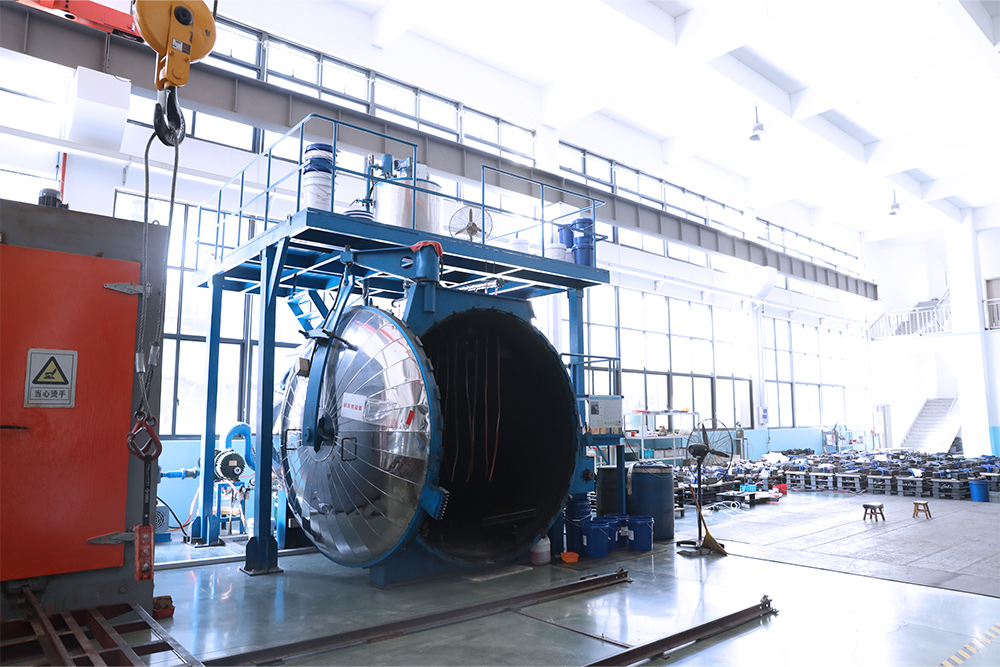
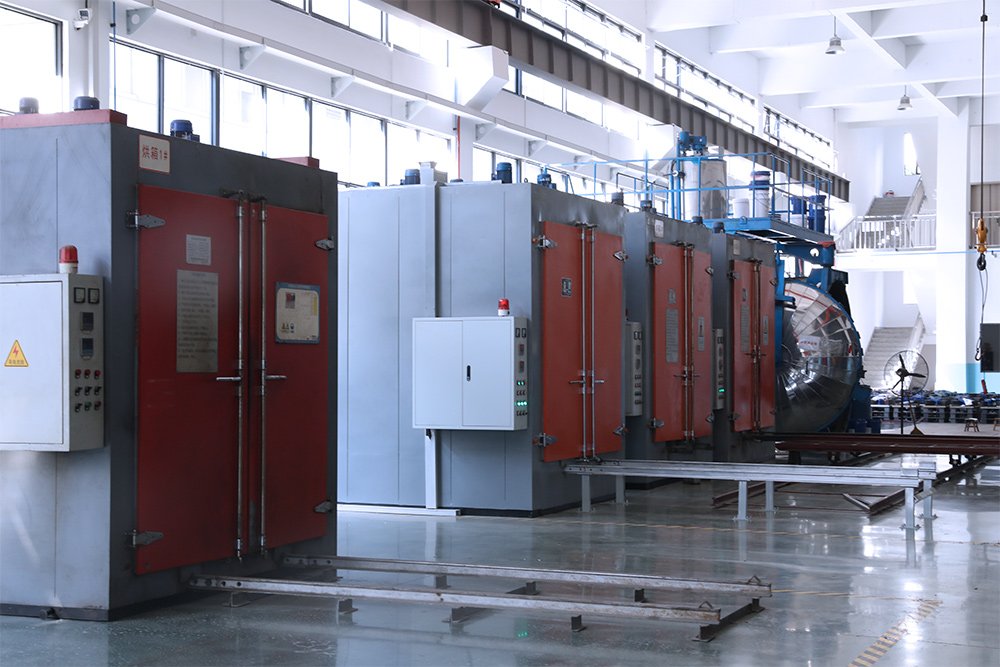
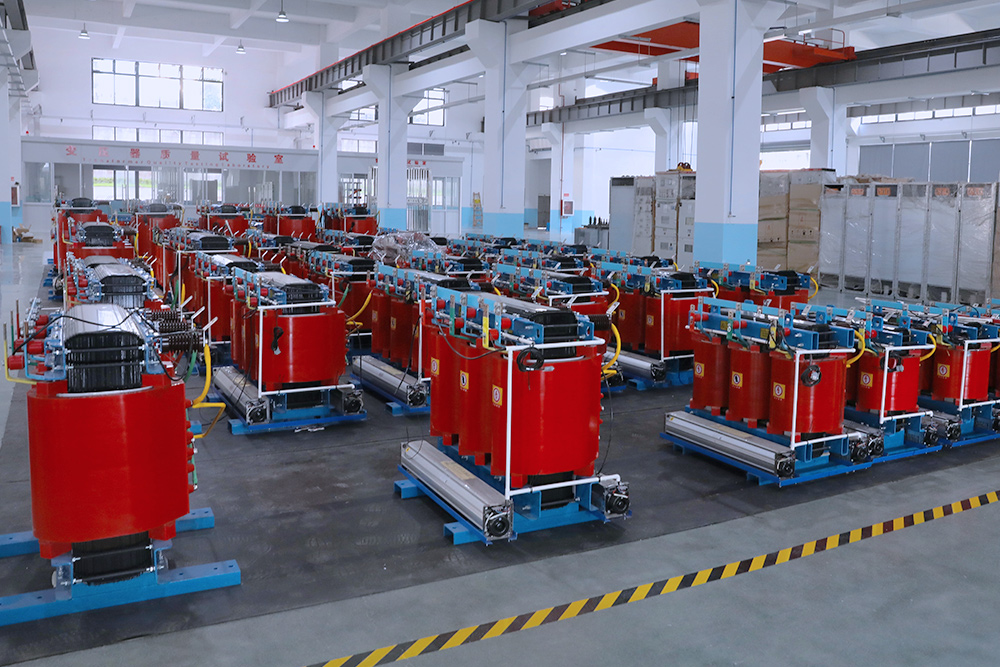
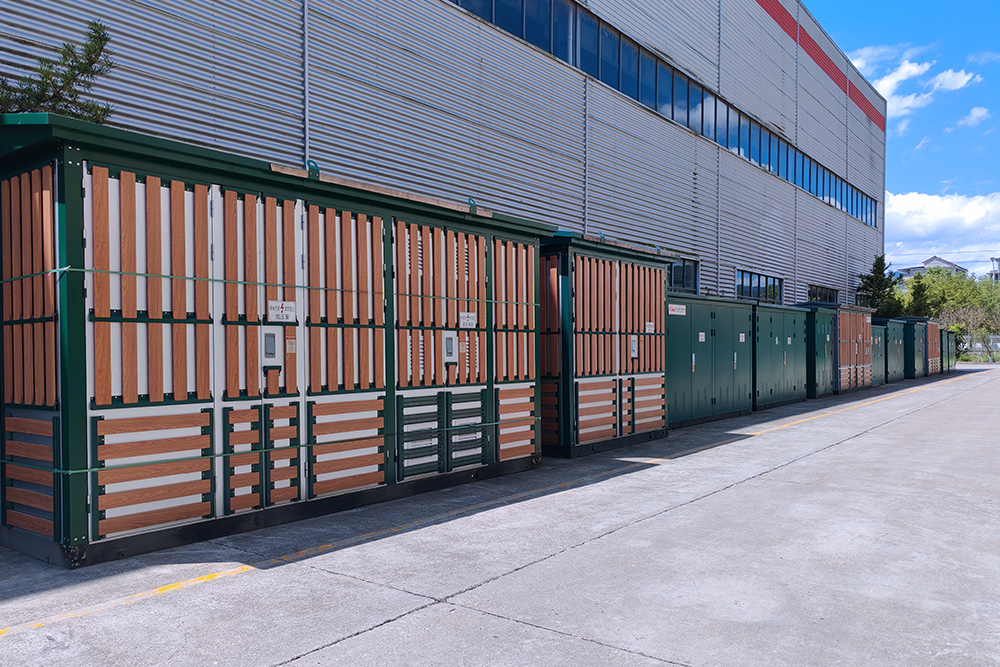
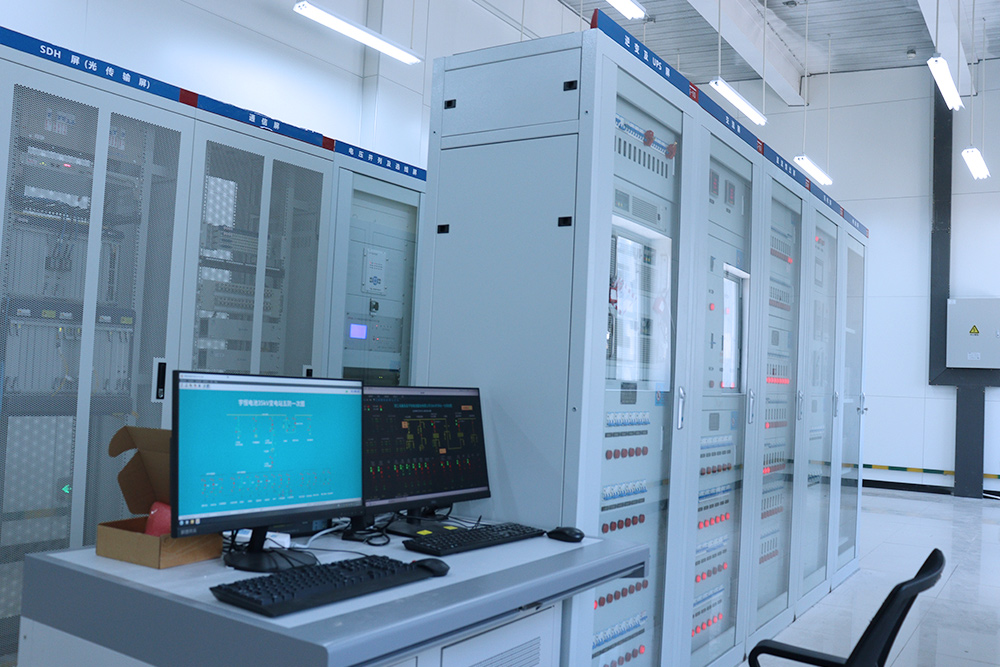
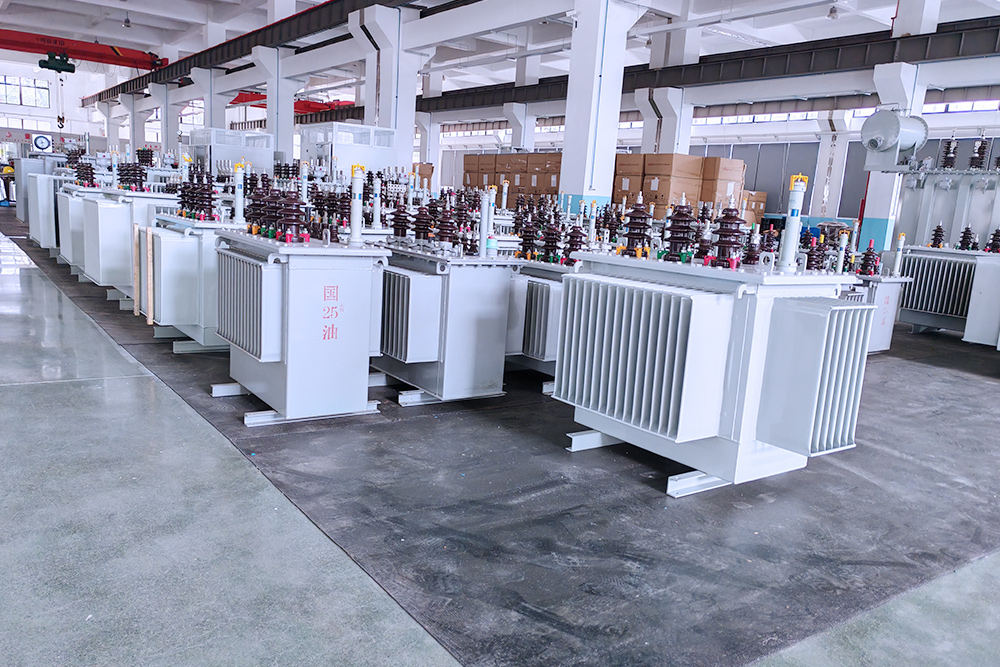
Explore our comprehensive range of railway-grade transformers, switches, and protection devices — all engineered to international standards for traction and substation use.