


10kV and 35kV Heat Shrink Busbars: Advanced Insulation Solutions with RSD Heat-Shrink Busbar Tubing
Understanding Heat Shrink Busbar Insulation: An Introduction
Heat shrink busbar insulation has revolutionized electrical safety and performance in modern switchgear and power distribution setups. As the demand for reliability and compactness continues to grow in the energy sector, the use of advanced heat shrinkable materials—especially those designed for heat shrink busbar applications—has become the norm for both medium and high voltage systems.
In particular, RSD heat shrink busbar tubing is engineered for the rigorous insulation needs of 10kV and 35kV installations. By combining excellent electrical insulating features with physical protection, these busbar tubes deliver consistent performance in the most demanding environments—from residential complexes to large-scale industrial operations.
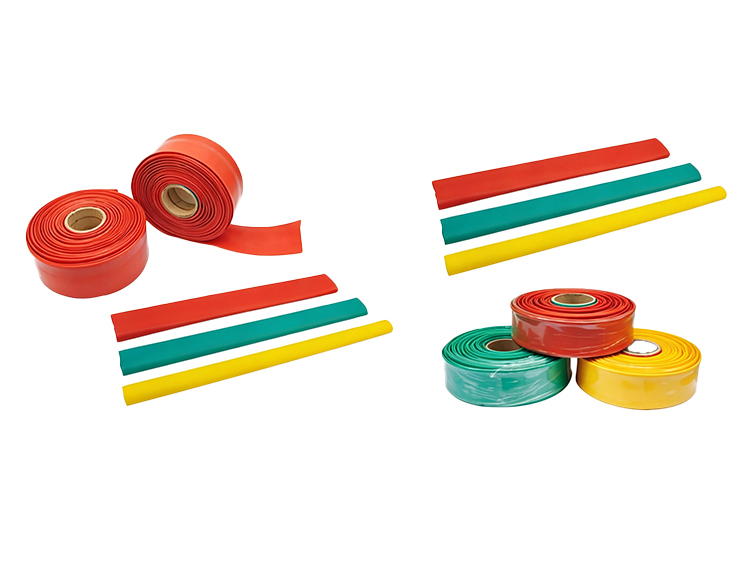
What Makes RSD Heat-Shrink Busbar Tubing for 10kV and 35kV Switchgear Unique?
Heat shrink busbar tubing, especially the RSD series, provides an innovative and efficient method to insulate busbars in switchgear systems operating at 10kV and 35kV. The tubing is made from highly engineered, shrinkable composite materials which ensure tight adhesion and seamless insulation after installation. Unlike conventional insulation tapes or rigid covers, heat shrink tubing automatically conforms to busbar surfaces, filling voids for superior dielectric protection and minimizing the risk of partial discharge.
RSD busbar tubes are distinguished by their excellent thermal resistance, high mechanical strength, and robust flame retardancy. They are produced using specialized polymers enhanced with additives to maximize tracking and weather resistance, making them suitable for both indoor and outdoor switchgear applications. The installation process is simple: the tube is slipped over the busbar, and then heated with a hot air gun or oven, causing it to shrink uniformly around the metal conductor.
Key advantages include:
- Superior insulation for medium and high voltage systems.
- Enhanced mechanical protection against abrasion and impact.
- Significant reduction in installation time and labor compared to conventional methods.
- Resistance to moisture, chemicals, and ultraviolet exposure.
- Improved safety—lower risk of electric shock and arc flash incidents.
Applications: Where Is RSD Heat Shrink Busbar Tubing Used?
The versatility of RSD heat-shrink busbar tubing makes it a preferred choice in a wide range of settings. Heat shrink busbar insulation can be found wherever there are busbar connections that require enhanced protection and insulation:
Residential buildings: In modern apartment complexes and housing developments, electrical panels and distribution boards often utilize 10kV or 35kV busbars for reliable power delivery. RSD tubing ensures that busbars are safely insulated from each other and the surrounding environment, reducing space requirements and improving safety.
Industrial facilities: Factories and refineries operating heavy-duty equipment require robust switchgear insulation. RSD heat shrink tubes provide protection against mechanical damage, moisture ingress, and chemical attack, essential in harsh industry conditions.
Substations and power plants: 10kV and 35kV systems are commonplace in substations. The tubing is used to insulate busbars connecting transformers, circuit breakers, and switchgear, safeguarding personnel while preventing electrical faults.
Data centers and commercial buildings: High density electrical installations need efficient space management and effective insulation. RSD busbar tubing allows for compact, safe wiring arrangements.
Key Features of Heat Shrink Busbar Tubing
In addition to insulation, heat shrink busbar tubing offers a set of powerful features tailored to the demands of modern power distribution systems:
Electrical Performance: The tubing is rated for high dielectric strength, low partial discharge levels, and superior insulating properties even under sustained voltage stress. It keeps busbars isolated, protecting against phase-to-phase and phase-to-ground faults.
Thermal Stability: Contemporary designs use polymers that withstand continuous exposure to elevated temperatures. RSD busbar tubes typically meet demanding standards, such as IEC and ANSI, ensuring reliability under load cycling and thermal shock.
Flame Retardancy and Safety: Fire safety is a critical concern in electrical switchgear. RSD tubing materials are self-extinguishing and comply with fire retardant ratings, significantly reducing the risk of flame propagation in the event of electrical faults.
Mechanical Protection: Besides insulation, the tubing acts as a physical shield against abrasion, vibration, and accidental contact. It maintains its integrity even in environments with frequent maintenance activities or equipment movement.
Installation of Heat Shrink Busbar Tubing: Step-by-Step Guidance
Proper installation is crucial for maximizing the effectiveness of heat shrink busbar products. The following step-by-step guide outlines best practices recognized by industry professionals for the installation of RSD tubing on 10kV and 35kV busbars:
1. Pre-Installation Inspection: Before fitting the tubing, make sure busbars are clean, dry, and free from contaminants like oil, dust, or corrosion. This ensures optimal adhesion and insulation performance.
2. Cutting and Sizing: Measure the length of busbar segments to be insulated and cut the RSD tubing accordingly, allowing for overlap at joints or bends. Accurate sizing avoids excessive stretching and maintains uniform shrinkage.
3. Positioning the Tubing: Slide the tubing onto the busbar, aligning carefully with connections, joints, or other critical areas.
4. Heat Application: Use a heat gun, oven, or infrared heater to gradually and evenly heat the tubing. As heat is applied, the composite material shrinks tightly around the busbar, forming a seamless, protective layer.
5. Post-Installation Inspection: Once shrunk, inspect for uniform coverage, tight sealing, and absence of air pockets or wrinkles. Allow the tubing to cool, and conduct electrical tests if necessary to guarantee insulation integrity.
While installation is generally straightforward, training and adherence to safety standards are recommended for optimal results and operator safety.
Material Technology: Advanced Shrinkable Composite Insulation for Busbars
RSD heat-shrink busbar tubing leverages cutting-edge engineering in polymer science. The base materials are typically cross-linked polyolefin composites, enhanced by special additives for increased tracking resistance, flame retardancy, and anti-weathering properties. Cross-linking imparts memory to the material, allowing it to return to its pre-extruded shape when heat is applied—ensuring shrinkage and tight adhesion.
This unique material composition not only improves reliability but also future-proofs electrical installations against environmental and operational hazards. The tubing resists oil, solvents, salt spray, and UV rays, making it an all-weather solution particularly suited for outdoor switchgear. Advanced versions may incorporate anti-fungal and anti-bacterial agents, crucial in humid climates and sanitation-sensitive applications.
Compared to other forms of insulation, such as PVC tape or rigid covers, RSD tubing delivers superior performance in terms of durability, lifespan, and overall safety.
Benefits of Using Heat Shrink Busbar Tubing in Medium and High Voltage Systems
Switching to heat shrink busbar insulation for 10kV and 35kV equipment unlocks a variety of operational and safety benefits:
Enhanced Operational Safety: By providing robust insulation and physical separation, RSD tubes drastically reduce the risk of electrical shocks and arc flash events, protecting maintenance personnel and operators.
Space Optimization: Heat shrink tubing eliminates the need for bulky rigid barriers or complex spacers. It enables more compact switchgear designs, freeing up critical floor space—especially important in urban residential and commercial settings.
Cost Efficiency: Minimal labor-intensive installation, reduced downtime during maintenance, and longer-lasting insulation translate to significant operational cost savings.
Maintenance and Reliability: The tubing’s tough outer layer withstands routine maintenance. It minimizes degradation and supports long-term reliability, reducing overall system failures and unscheduled repairs.
Aesthetic Improvement: Neatly shrunk tubes enhance the visual appearance of busbar arrays, reflecting professional craftsmanship and improving accessibility during system expansion or troubleshooting.
Frequently Asked Questions: Heat Shrink Busbar Solutions
In which types of equipment is RSD heat shrink busbar tubing suitable?
RSD heat shrink busbar tubing is suitable for a broad spectrum of equipment where medium or high voltage busbar insulation is required. Typical applications include switchgear panels (motor control centers, distribution boards), power transformers, circuit breaker panels, substations, and industrial automation cabinets. Whether installed in residential, commercial, or industrial facilities, RSD tubing adapts with ease to flat, round, or irregular busbar shapes.
What voltages are covered by heat shrink busbar tubing?
While RSD tubing is available in a range of voltage ratings, standard products are specifically designed for 10kV and 35kV busbar insulation. Custom solutions may be tailored for lower or higher voltage levels depending on customer needs and system requirements.
How does heat shrink busbar tubing compare to traditional insulation methods?
Compared to traditional insulation tapes and rigid covers, heat shrink tubing delivers uniform, seamless coverage, improved dielectric performance, greater resistance to external environmental factors, and faster installation speeds.
Can heat shrink busbar tubing withstand harsh environmental conditions?
Absolutely. RSD tubing uses advanced polymers designed for strong resistance to moisture, chemicals, corrosion, abrasion, and UV radiation. Outdoor switchgear and coastal installations benefit greatly from this protective capability.
What standards does RSD heat shrink busbar tubing comply with?
RSD products typically comply with international standards such as IEC 60684, ASTM D2671, and undergo rigorous electrical, thermal, and mechanical testing to ensure safety and performance. It is always recommended to request technical documentation and certifications when specifying products for critical installations.
How long does heat shrink busbar tubing last?
With proper installation and maintenance, RSD heat shrink tubing offers a lifespan exceeding 20 years under normal operating conditions, matching or surpassing the durability of other forms of busbar insulation.
Considerations Before Selecting Heat Shrink Busbar Insulation
Selecting the right heat shrink busbar product requires careful consideration of system voltage, busbar dimensions and shape, environmental factors, installation method, and compliance with industry regulations. It is essential to consult with insulation specialists or manufacturers for custom sizing, color coding, and additional requirements such as halogen-free materials or enhanced fire safety properties.
System planners should also evaluate installation logistics, such as access to heat sources for shrinking, space constraints, and post-installation testing protocols. In projects where rapid expansion or future upgrades are anticipated, choosing standardized tubing sizes and colors can facilitate easy system modifications.
Another consideration is cost: while the initial expense of high-quality heat shrink tubing may be higher than conventional methods, the long-term savings realized from improved reliability, reduced maintenance, and enhanced safety far outweigh upfront investment.
Emerging Trends: Heat Shrink Busbar Innovations for Smart Grid and Sustainable Energy
The evolution of energy infrastructure, particularly the push for smart grid technologies and renewable power integration, has driven innovation in busbar insulation. RSD heat-shrink tubing is now available in eco-friendly formulations—halogen-free, recyclable polymers—that support sustainability goals. Enhanced tracking resistance and smart markable surfaces allow for digital documentation and automated maintenance.
As energy distribution becomes more dynamic, with real-time load changes and decentralized generation sources, demand for resilient, adaptive busbar insulation will continue to grow. The application of IoT sensors, integrated conductive films, and real-time thermal monitoring within RSD tubing represents the frontier in switchgear insulation technology.
This convergence of material science and smart infrastructure ensures that heat shrink busbar tubing remains at the forefront of safe, reliable, and future-proof power distribution systems.
Best Practices for Maintaining Busbar Insulation in Residential and Commercial Buildings
Proper maintenance of busbar insulation can dramatically extend the operational life and safety of electrical switchgear. Modern residential and commercial buildings benefit from regular visual inspection of heat shrink tubing, periodic electrical testing for insulation resistance, and timely replacement of damaged segments. Color-coded and labeled tubing simplifies maintenance, allowing for faster identification and troubleshooting during fault conditions.
In addition, facility managers are encouraged to integrate routine training and safety audits. Understanding the installation history and expected lifespan of RSD heat shrink busbar tubing minimizes surprise failures and guarantees compliance with safety regulations. With an airtight maintenance schedule and proactive upgrades, building owners optimize energy delivery and protect their investment in electrical infrastructure.
In conclusion, the use of RSD heat shrink busbar tubing for 10kV and 35kV busbar insulation addresses critical challenges in power distribution—delivering unmatched reliability, safety, and efficiency in residential, commercial, and industrial applications. By leveraging advanced composite materials and simple installation techniques, stakeholders benefit from reduced operating costs, space savings, and improved electrical safety. As technology advances and sustainability becomes a core value, heat shrink busbar insulation stands out as a key solution in high-performing and future-ready power systems.