


Shrinkage Finger and Shrinkage Insulating Tube: The Ultimate Guide to Shrink Insulation Tube Solutions
Introduction to Shrink Insulation Tube
Shrink insulation tube, commonly referred to as heat shrink tubing, is a crucial component in electrical insulation and wire protection. It is widely used in various industries, from electronics and automotive to telecommunications and aerospace. At its core, a shrink insulation tube is a plastic tube that tightly shrinks over whatever it is covering when heat is applied. This provides electrical insulation, mechanical protection, and resistance to abrasion and environmental factors. As cable heat shrink finger and shrinkage finger solutions become increasingly popular for wire harnessing and repair applications, understanding their functions, advantages, and differences is essential for both professionals and DIY enthusiasts.
This article will help you understand everything about shrinkage fingers and shrinkage insulating tubes, recommend the best practices for implementation, and answer the most frequently asked questions regarding these versatile products.
What is a Shrinkage Finger?
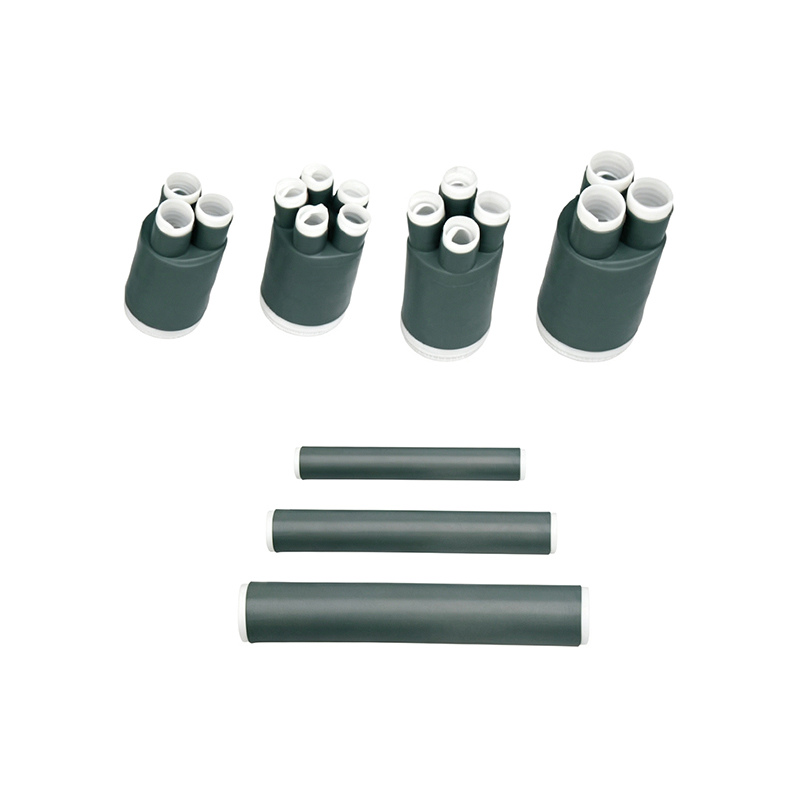
In the context of electrical insulation and wire management, a shrinkage finger is a shaped piece of heat shrink material designed to provide extremely localized insulation and protection for terminals, connectors, or specialized wire joints. Unlike standard tubes, shrinkage fingers may be pre-molded into a finger-like or boot-shaped form to accommodate irregular junctions, especially where multiple cables are joined or terminated.
The main function of a shrinkage finger is to deliver a snug fit and robust insulation, particularly in environments that demand high safety and durability standards, such as industrial robotics, control panels, or electrical switchgear. The unique shape of shrinkage fingers allows for complete coverage over complex or branched wire connections, ensuring that every exposed conductor is individually insulated.
You will frequently find shrinkage fingers in custom cable assemblies where a standard tube would either not fit or provide inadequate coverage. Installers appreciate the shrinkage finger for its ability to adapt to challenging shapes, making it a popular choice for ensuring reliability in mission-critical electrical connections.
Understanding Shrinkage Insulating Tube
A shrink insulation tube, also known as shrink tubing, is a flexible, heat-sensitive polymer material that can easily wrap around wires, terminals, and even entire cable harnesses. When heated with a heat gun or other suitable device, the tube contracts radially, tightly sealing around the electrical component it covers. This results in an electrical insulation barrier that also provides excellent resistance to moisture, chemicals, and physical strain.
The most common materials for shrinkage insulating tubes are polyolefin, fluoropolymer, and PVC, which offer ideal blends of flexibility, toughness, flame resistance, and temperature tolerance. Polyolefin tubes, for example, are the benchmark for most industrial and electronic applications due to their durability and ease of shrinking.
Shrinkage insulating tubes come in various wall thicknesses, colors, and shrink ratios—defined as the ratio between the pre-shrunk inner diameter and the final diameter after heating. Popular shrink ratios are 2:1, 3:1, and 4:1, offering flexibility depending on how tightly you need the tube to seal around the components.
The primary benefits of using shrinkage insulating tubes include:
- Reliable electrical insulation for wires and solder connections
- Enhanced mechanical protection against physical damage
- Sealing out moisture, chemicals, and corrosive elements
- Providing color-coded identification of cables and connections
- Organizing and bundling wires for a neater, safer installation
Key Applications of Shrink Insulation Tube
Shrink insulation tube technology has found broad acceptance across numerous sectors. Electrical engineers, auto electricians, and even hobbyists utilize these tubes for both preventive and corrective purposes. Below are some of the most important applications:
In the telecommunications industry, heat shrink insulation tubes are essential for protecting fiber optic splices from moisture ingress and mechanical disruption. Automotive wiring harness manufacturers rely on shrinkage insulating tubes to safeguard exposed wires under the hood, resisting oil, gasoline, and harsh vibrations.
In the field of industrial automation, cable heat shrink finger caps are used extensively to cover and protect sensor and actuator leads. The aerospace industry, where minimal weight and maximum reliability are imperative, utilizes these tubes to eliminate electrical shorts in control wiring across aircraft, satellites, and ground support equipment.
Marine and renewable energy companies use shrinkage insulating tubes due to their resistance to UV, saltwater, and other environmental stressors that can quickly break down conventional wire coverings. In the world of consumer electronics and electrical maintenance, shrink insulation tube is indispensable for home wiring repairs, battery terminal protection, and connecting speaker wires or LED strips.
How to Choose the Right Shrink Insulation Tube
To select the best shrink insulation tube for your project, several parameters must be taken into consideration:
Diameter: Measure the widest item you need to cover and ensure your selected tube has an initial inner diameter at least 20-30% larger. This ensures an easy fit before heat is applied.
Shrink Ratio: Depending on how tight you need the fit, choose from 2:1, 3:1, or 4:1 shrink ratios. Higher ratios are preferred for irregular or highly variable wire bundles.
Wall Thickness: Lighter wall tubes are ideal for electronics and indoor use. Medium and heavy wall tubes provide protection in demanding environments or when added abrasion resistance is crucial.
Material: Polyolefin offers broad temperature and chemical resistance. Fluoropolymer and Kynar tubes are used when maximum chemical and UV stability are needed.
Color Coding: Use colored tubes for identifying different circuits, phases, or wire types, especially in complex installations.
Environmental Requirements: Consider ratings such as flame retardancy, UV resistance, and sealing properties for outdoor or hazardous locations.
Some shrinkage insulating tubes also include a layer of adhesive on the inside for a watertight, higher-strength seal, ideal for marine, automotive, or outdoor electrical installations.
Installation Steps and Best Practices
Proper installation of shrink insulation tube guarantees the best insulation and mechanical protection. Follow these step-by-step instructions for professional results:
First, cut the shrinkage tube to the proper length with clean, straight edges—generally, it should be long enough to cover the exposed wire and extend slightly onto the insulation on both ends. Slide the tube over the joint or terminal before making soldered connections, if possible.
Use a heat gun to evenly apply heat around the tube, maintaining a safe distance to prevent scorching or blistering. For field repairs, a lighter or butane torch can suffice, but care is needed to avoid overheating. As the tube heats, you will observe it contracting and tightly forming to the wire or connector.
For adhesive-lined tubes: allow the adhesive to flow and bond to the wire, forming an extra-strong environmental seal. Let the tube cool for a few moments before handling or applying strain. Always inspect the finished installation for gaps, cracks, or missed areas that could reduce insulation effectiveness.
In critical installations—such as cable heat shrink finger protection for control panels or high-voltage terminations—make sure to use tubes with relevant certifications and follow manufacturers' guidelines.
Shrinkage Finger vs. Shrinkage Insulating Tube: Differences Explained
A common question among installers and electrical designers is the difference between shrink tubing and regular heat shrink tubing, and the specific use cases for shrinkage fingers versus standard tubes.
Shrinkage insulating tubes are generically referred to as "heat shrink tubing." They are cylindrical and uniform, used to insulate, bundle, or color-code wires and connections. Their regular diameter and length make them suitable for most straight or slightly curved wires, cables, and terminals.
A shrinkage finger, by contrast, is a pre-molded, branch-shaped insulating boot designed for multi-way wire junctions, complex connectors, or areas where individual conductors must be uniquely isolated. While shrinkage tubes are cut to length, shrinkage fingers are chosen based on the specific connector or junction shape they will insulate.
The key distinctions:
- Shrinkage tubes are for linear insulation; shrinkage fingers are for complex, multi-terminal coverage
- Fingers may have multiple 'legs', while tubing is a single cylinder
- Both leverage the heat shrink process but serve different application needs
Choosing between them depends on the geometry of the connection, the level of protection required, and industry specifications. For general wiring, standard shrink insulation tube suffices. In control cabinets, motor terminals, or relay blocks with divergent conductors, shrinkage fingers are preferred for individual coverage and enhanced insulation reliability.
Frequently Asked Questions About Shrink Insulation Tube
What is the difference between shrink tubing and regular heat shrink tubing?
Both terms are frequently used interchangeably. However, "heat shrink tubing" specifically refers to tubes that shrink when heated, while "shrink tubing" is a broader term and may occasionally refer to non-heat-applied shrinkable products. In practice, for electrical work, these terms mean the same thing: a tube that contracts when heat is applied.
Can shrink insulation tube be used outdoors?
Yes, but it's vital to select a tube with UV resistance, a suitable temperature range, and preferably an adhesive lining to keep moisture out. This ensures long-term durability in outdoor environments.
How do I choose the right size shrink tube?
Measure the widest diameter the tube must pass over, then select a tube with an initial inner diameter 20-30% larger than this value. Match the shrink ratio to how tightly you need the fit—it should completely cover the wire or connector after shrinking, without significant gaps.
What heat source is best for shrinking the tube?
A professional heat gun provides the most controlled, even heating. For field work, butane lighters or torches can be used in a pinch, though extra caution is needed to prevent burning or charring.
Is shrink insulation tube reusable?
No. Once shrunk, the tube forms a permanent insulation that cannot be reused or expanded. Always use a new piece for each application.
Do shrinkage fingers provide better insulation than regular shrink tubes?
For complex, multi-terminated connections, shrinkage fingers do offer superior, custom-fitted insulation compared to standard tubes. They cover irregular shapes more fully and typically feature thicker wall sections for extra protection.
Is it necessary to use adhesive-lined tubes for all projects?
Not always. Adhesive-lined tubes are best for waterproof or high-vibration environments. For indoor, low-risk wiring, regular (non-adhesive) shrink tubes offer ample protection.
Innovations and Future Trends in Shrinkage Insulating Tubes
The landscape of shrink insulation tube technology continues to evolve rapidly. Today’s leading products include not only basic colored tubes but also advanced formulations offering extreme chemical resistance, flame-retardant properties, and ultra-high temperature performance. Some modern tubes are now made with transparent or printable materials, enabling visual inspection or labeling of electrical joints without removing the insulation.
Miniaturization in electronics, especially for medical devices and aerospace, has led to the development of ultra-small diameter shrinkage insulating tubes catering to micro-circuitry and high-density wire arrays. At the same time, growing awareness of environmental sustainability is driving the production of halogen-free, recyclable tubes that meet the highest international safety standards.
One of the most exciting trends is the development of smart shrinkage insulating tubes that can indicate heat exposure or potential circuit failure through color-changing materials. This innovation can enhance predictive maintenance and reliability in mission-critical environments.
Looking forward, expect even more tailored solutions, such as self-healing tubes and interconnected shrinkage fingers for ultra-complex assemblies, expanding the versatility of shrink insulation technology.
Common Mistakes and Troubleshooting Tips
Despite the simplicity of installing shrink insulation tube, certain mistakes can reduce effectiveness or cause installation issues. One common error is using the wrong diameter or shrink ratio: tubes that are too small will not slide over connectors, while oversized tubes fail to contract snugly around the wire.
Insufficient or uneven heating can also result in partial shrinking, leaving some areas exposed or creating weak seals. Always ensure an even, continuous application of heat, rotating the product as needed, and allow sufficient cooling time before putting the wiring into service.
Cutting tubes with jagged or rough edges increases the risk of cracks or insulation breakdown. Use sharp, clean tools for neat cuts, and never attempt to force a tube onto an oversized connection.
Finally, confirm material compatibility. For harsh environments, double-check the environmental, chemical, and flame-resistance ratings. For marine, automotive, or outdoor duties, adhesive-lined shrink insulation tubes are highly recommended.
Conclusion
Shrink insulation tube, shrinkage fingers, and related heat shrink solutions are indispensable tools for safe, reliable, and high-performance electrical work. Their versatility, ease of installation, and superior protective properties make them essential whether you’re wiring a complex industrial panel, repairing auto harnesses, or simply tidying up wires in your home. When chosen and installed with care, shrinkage insulating tubes deliver long-lasting insulation, robust mechanical protection, and professional appearance for any wiring project. For the highest standards of reliability and safety, leverage the latest advancements in shrink insulation tube technology, and don’t hesitate to consult with experienced providers to match the ideal product with your application needs.