
Leave Your Message
Explore our top-tier equipment engineered for stringent indoor environmental safety and optimal performance.
For decades, the electrical engineering industry has relied heavily on the traditional Oil Immersed Transformer due to its exceptional cooling capabilities, high efficiency, and relatively low initial manufacturing costs. The mineral oil used inside these units acts as a superb dielectric medium and a highly effective coolant, ensuring stable performance even under heavy loads. However, when transitioning from expansive outdoor substations to highly confined, densely populated, or strategically critical indoor environments, the narrative drastically changes. The very fluid that makes oil-immersed transformers so efficient—mineral oil—poses a significant and undeniable fire hazard.
In modern urban infrastructure, the demand for Fire-Sensitive Indoor Installations has skyrocketed. Facilities such as high-rise commercial buildings, underground transit hubs, sprawling hospital complexes, and hyper-scale data centers cannot afford the risk of a catastrophic transformer fire. A standard mineral oil fire is not only incredibly difficult to extinguish but also releases dense, toxic smoke that can compromise entire building ventilation systems, threatening human life and causing billions in collateral damage. This critical safety dilemma has given rise to a massive industry pivot towards Dry-Type Transformers and advanced, high-flashpoint synthetic fluid alternatives.
The juxtaposition of "Oil Immersed Transformer For Fire-Sensitive Indoor Dry-Type Installations" highlights an industry in transition. Engineers are now tasked with either replacing aging indoor oil units with state-of-the-art cast resin dry-type transformers or utilizing revolutionary K-class (less-flammable) fluids like natural ester oils in hermetically sealed units. This transition is not merely a preference; it is increasingly mandated by international building codes, fire safety regulations (such as NFPA 70), and stringent insurance underwriting requirements.
The commercial reality of modern power distribution is heavily influenced by risk mitigation. While a standard oil-immersed transformer might boast a lower upfront capital expenditure (CapEx), its Total Cost of Ownership (TCO) skyrockets when placed indoors. To legally and safely install an oil-filled unit inside a building, facility managers must construct elaborate fire-rated vaults, install specialized automated fire suppression systems (like water mist or foam), and implement complex oil catch basins to prevent environmental contamination in the event of a leak. Furthermore, insurance premiums for buildings housing large volumes of combustible mineral oil are exponentially higher.
Conversely, Dry-Type transformers—specifically Cast Resin types—are inherently self-extinguishing. They do not support combustion, nor do they leak hazardous fluids. This allows them to be installed much closer to the electrical load, often directly on the factory floor or within standard electrical rooms of commercial buildings, significantly reducing low-voltage cabling costs and transmission losses. The current industrial status shows a compound annual growth rate (CAGR) heavily favoring dry-type technologies for indoor applications, driven by urbanization and the uncompromising need for fire safety.
Self-extinguishing cast resin materials ensure that even in the event of an internal fault, the transformer will not propagate fire.
Integration of smart IoT sensors allows for real-time predictive maintenance, analyzing thermal anomalies before they become critical.
Eliminates the need for expensive fire vaults and oil containment pits, maximizing usable square footage in commercial real estate.
Suian Industrial Control provides a rich product line engineered for maximum safety, widely utilized across various high-risk indoor and confined-space sectors.
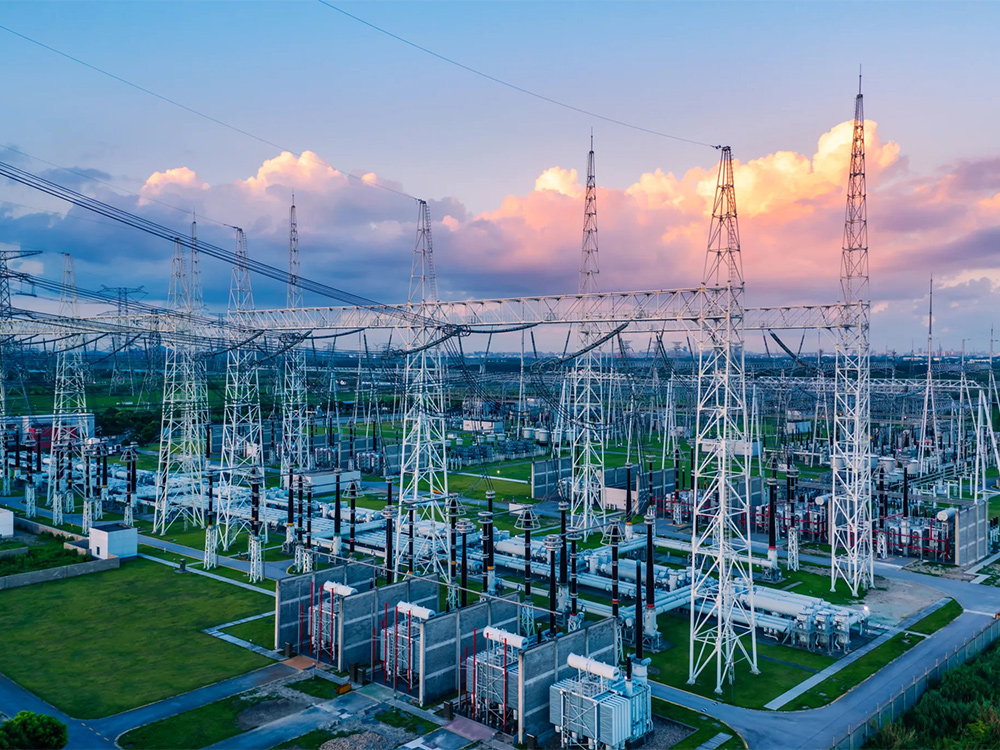
As the cornerstone of stable power grid operation, modern power generation and distribution place extremely high demands on equipment safety. In indoor substations and urban grid nodes where fire risks are unacceptable, our advanced dry-type and high-safety transformer solutions replace traditional oil-immersed risks, providing core reliability for thermal, hydroelectric, and nuclear facilities.

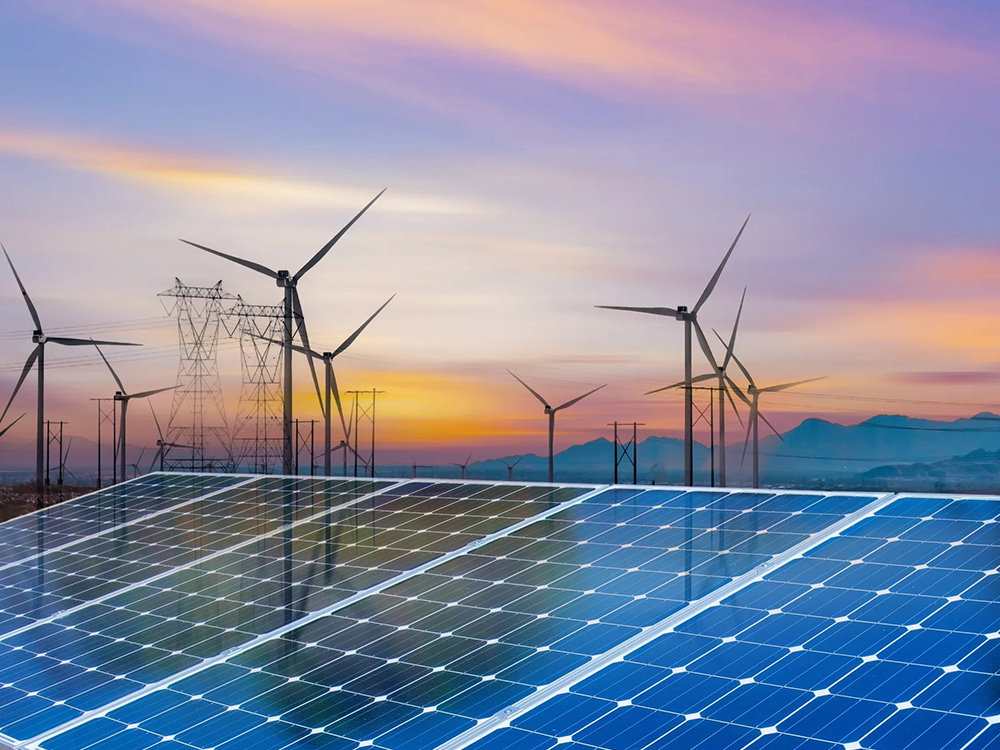
The rapid development of green energy sources such as photovoltaics and wind power requires highly adaptable and intelligent electrical equipment. For indoor battery energy storage systems (BESS) and inverter rooms, fire safety is paramount. We focus on these specific new energy generation scenarios, providing safe, non-flammable electrical solutions from generation to grid connection.
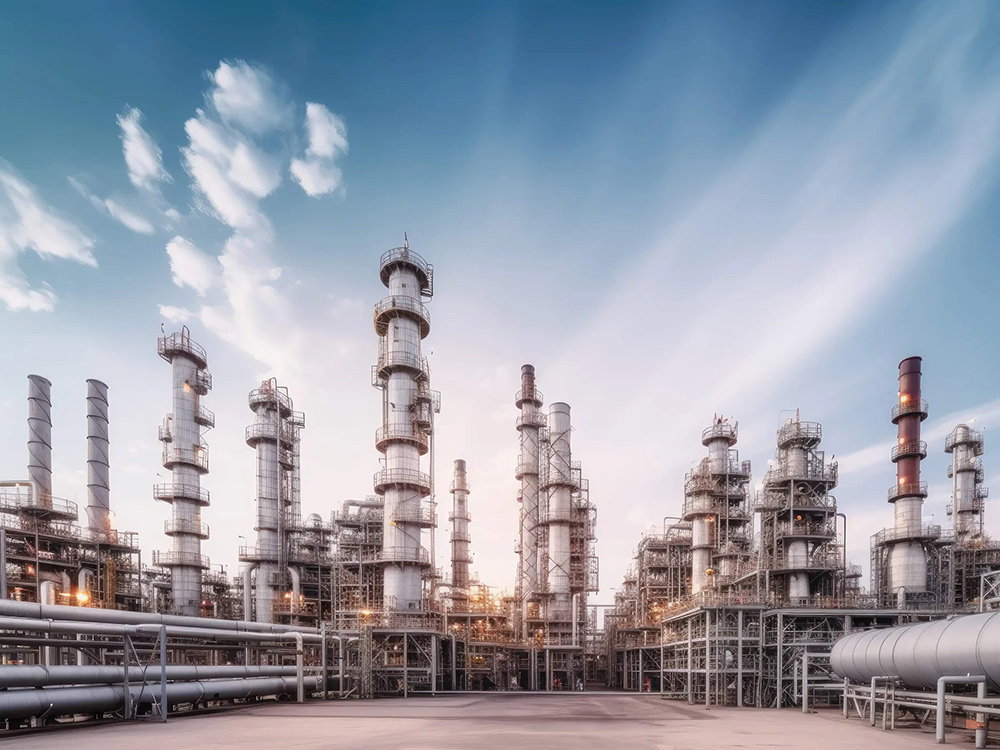
Modern factories rely on a continuous, safe power supply. In manufacturing plants handling flammable materials (like chemicals, textiles, or paper), traditional oil transformers are a liability. Our dry-type products serve the power distribution systems and automation control loops safely, acting as the fire-resistant "heart" and "nerves" of industrial power.

From large commercial complexes to smart city infrastructure, safe and efficient power distribution is the lifeblood of modern buildings. To comply with strict fire codes, indoor installations demand dry-type technology. We provide a complete range of fire-safe electrical products for various buildings, from main basement power distribution to end-point lighting.
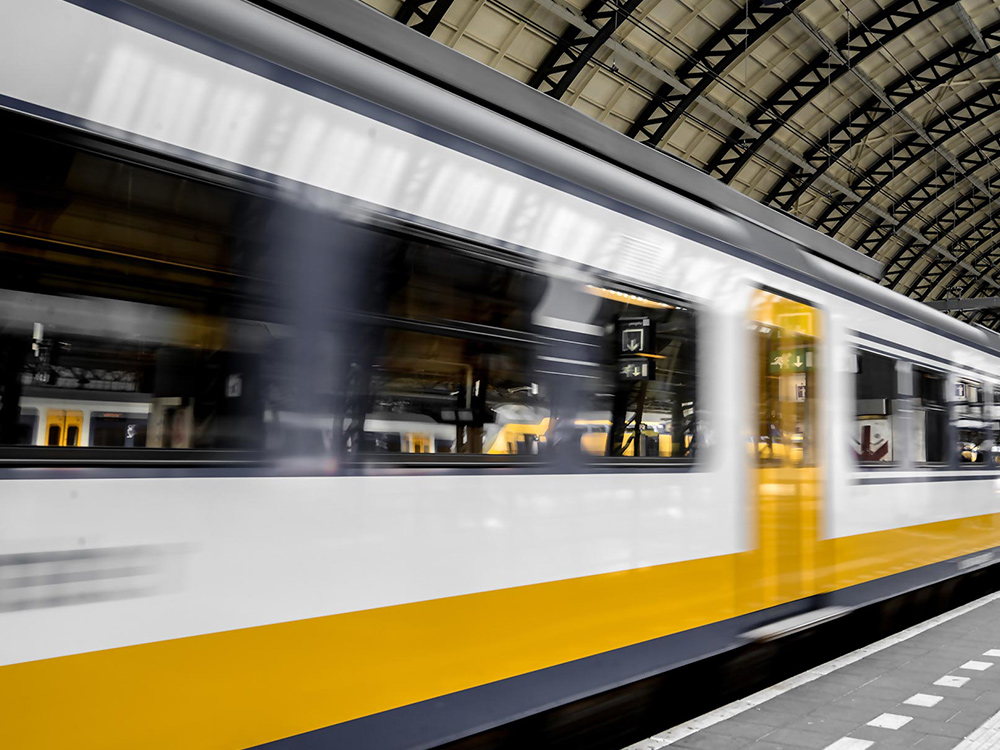
Major infrastructure projects such as underground railways, highway tunnels, and deep-water ports operate in complex, confined environments where smoke extraction is difficult. This poses a severe test to power equipment. We provide full-cycle, fire-resistant product support ensuring that critical infrastructure remains powered without introducing catastrophic fire risks.
The evolution of transformers for indoor applications is no longer just about the physical materials—it is rapidly moving into the digital realm. The integration of Artificial Intelligence (AI) and Machine Learning (ML) is revolutionizing how we monitor and maintain power distribution equipment in fire-sensitive zones. While traditional oil immersed transformers relied on periodic Dissolved Gas Analysis (DGA) to detect internal faults, modern dry-type installations utilize a completely different, highly advanced technological suite.
Today's cutting-edge indoor transformers are equipped with embedded fiber-optic temperature sensors and acoustic emission detectors. These sensors feed continuous streams of data into AI-driven edge computing modules. The AI algorithms are trained to recognize the microscopic thermal signatures and acoustic anomalies that precede partial discharge or insulation breakdown. By establishing a "digital twin" of the transformer, facility managers can monitor the exact thermal stress on the cast resin coils in real-time. If the AI detects a dangerous temperature spike that could compromise the fire-resistant integrity of the unit, it can autonomously reroute power, shed non-critical loads, or safely shut down the system before any thermal runaway occurs. This predictive maintenance model shifts the paradigm from reactive firefighting to proactive safety management.
To truly understand the necessity of specialized transformers in fire-sensitive environments, we must examine the most demanding application scenarios in modern infrastructure:
1. Hyper-Scale Data Centers: In the digital age, data centers are the backbone of the global economy. These facilities boast incredibly high power densities, often requiring multiple megawatts of power within a very small footprint. The introduction of an oil-immersed transformer into a data center white space or adjacent electrical room is entirely unacceptable due to fire risk. Dry-type transformers are the standard here. Furthermore, because data centers utilize advanced HVAC systems to cool servers, the heat dissipation characteristics of dry-type transformers are meticulously calculated and integrated into the building's overall thermal management AI, ensuring optimal Power Usage Effectiveness (PUE) without risking a catastrophic fire.
2. Healthcare Facilities and Hospitals: Hospitals present a unique challenge. They require absolute power reliability for life-saving equipment (like MRI machines, ventilators, and surgical theaters), yet they are densely populated with vulnerable patients who cannot be easily evacuated in a fire emergency. Electrical rooms in hospitals are often located deep within the building. Using dry-type transformers eliminates the risk of oil leaks contaminating sterile environments and ensures that in the rare event of an electrical fault, no toxic smoke will be drawn into the hospital's critical ventilation system.
3. Underground Transit and Railway Systems: Subway stations and underground rail networks are some of the most challenging environments for electrical engineering. Space is severely limited, humidity is variable, and the sheer volume of daily commuters makes fire safety the absolute highest priority. A fire involving an oil-filled transformer in a subway tunnel could lead to a devastating tragedy due to smoke inhalation and limited egress routes. Therefore, transit authorities globally mandate the use of highly durable, moisture-resistant, and strictly non-flammable dry-type transformers for traction power and station auxiliary power.
As we look to the future, the line between "Oil Immersed Transformer" and "Dry-Type Installations" will continue to be defined by application-specific safety requirements. While oil units will remain dominant in outdoor grids, the indoor landscape belongs to dry-type and advanced smart-grid technologies. Future developments will likely yield new nanomaterials for cast resins that offer even higher thermal conductivity, bridging the cooling gap between oil and dry types. Coupled with relentless advancements in AI monitoring, the electrical infrastructure of tomorrow's smart cities will be invisible, incredibly efficient, and above all, flawlessly safe.
Browse our full range of high-performance transformers, designed for rigorous measurement, protection, and distribution in modern power systems.