

Leave Your Message
Precision-engineered transformers and measuring instruments designed for stable, safe residential electricity distribution in modern urban environments.
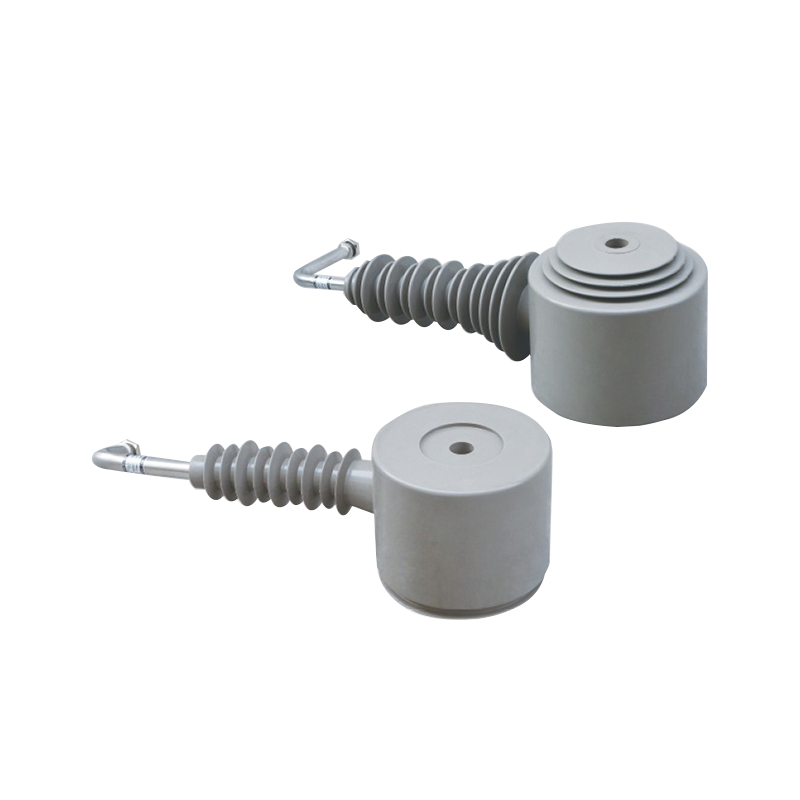
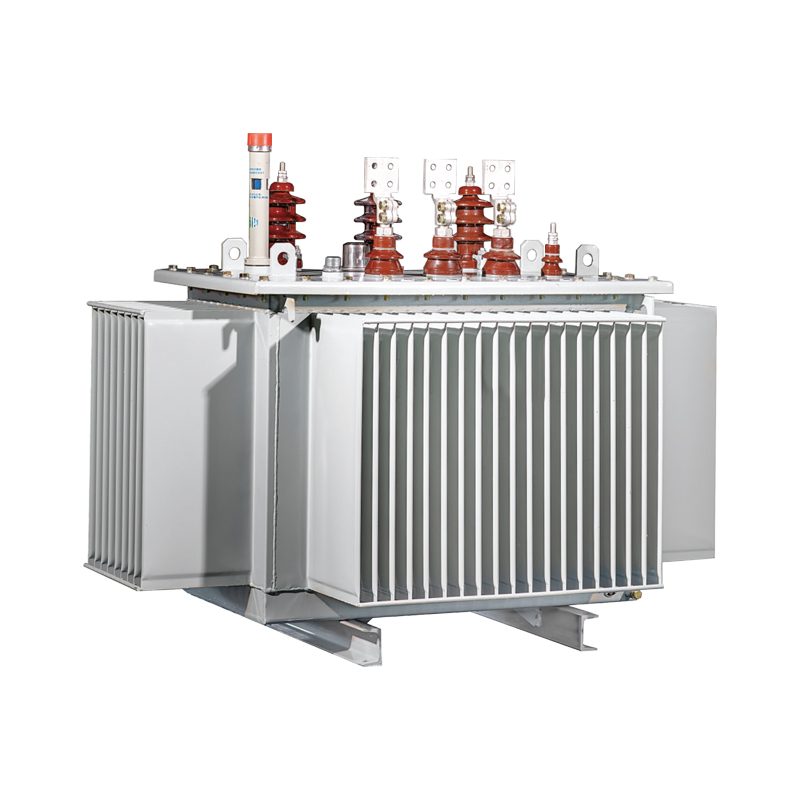
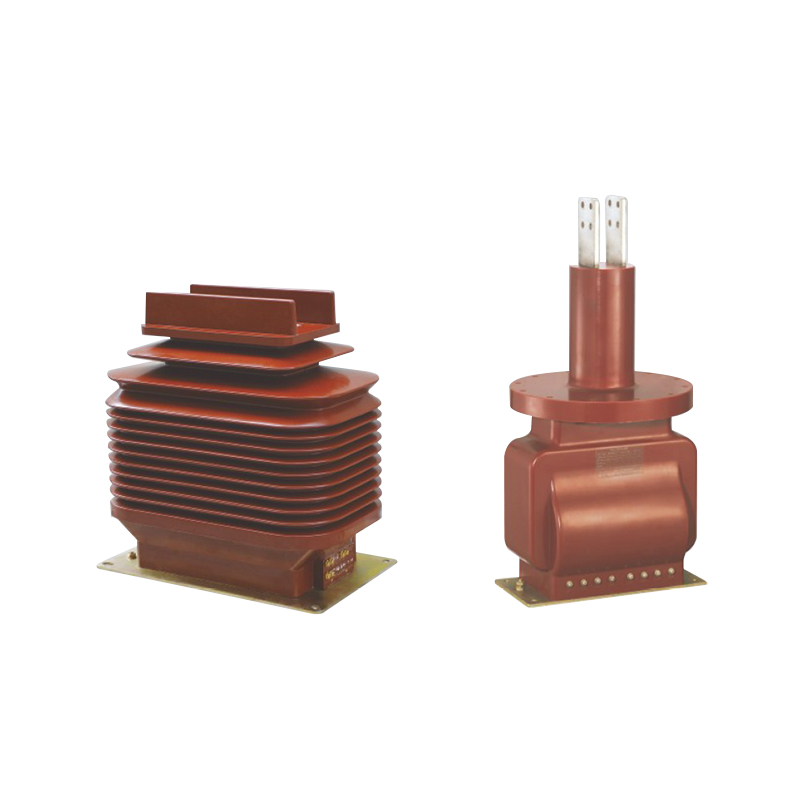

An oil immersed transformer is a type of power transformer in which the core and windings are submerged in insulating mineral oil. This oil serves a dual purpose: it provides electrical insulation between the windings and the tank, and it acts as a highly efficient cooling medium that dissipates heat generated during operation. For urban residential electricity distribution, oil immersed transformers represent the backbone technology that steps down high-voltage transmission power — typically 6kV to 35kV — into the safe 220V/380V levels used by homes, apartment complexes, and community facilities.
As cities expand and residential electricity demand surges — driven by electric vehicles, smart home systems, air conditioning loads, and high-density apartment living — the demand for reliable, high-capacity oil immersed transformers has never been greater. These transformers are deployed at distribution substations, pad-mounted installations, and underground vault systems across urban neighborhoods, ensuring uninterrupted power delivery to millions of households every day.
The global oil immersed transformer market is projected to surpass USD 18 billion by 2030, with urban residential distribution accounting for a significant and growing share. Urbanization rates in Asia, the Middle East, Africa, and Latin America are driving massive grid expansion programs, creating unprecedented demand for compact, efficient, and smart distribution transformers. Manufacturers and utilities are responding with next-generation designs that integrate IoT monitoring, eco-friendly insulating fluids, and advanced thermal management systems.
Oil immersed transformers offer a unique combination of performance characteristics that make them the preferred choice for urban distribution networks.
Mineral oil provides excellent dielectric strength, preventing electrical breakdown even under surge conditions. This is critical in densely populated residential areas where safety is paramount.
Oil circulation naturally dissipates heat, allowing oil immersed transformers to handle overload conditions — common during peak residential demand periods — without performance degradation.
With proper maintenance, oil immersed transformers achieve operational lifespans exceeding 30 years, delivering exceptional total cost of ownership for residential distribution infrastructure.
Modern S-series oil immersed transformers feature amorphous alloy or silicon steel cores that minimize no-load losses, reducing energy waste in residential networks operating 24/7.
Oil sampling and dissolved gas analysis (DGA) enable predictive maintenance, allowing utility operators to detect insulation degradation before failures occur — reducing outages in residential areas.
Compared to dry-type transformers of equivalent capacity, oil immersed units offer lower capital costs, especially at medium and high power ratings, making them ideal for large residential development projects.
The oil immersed transformer industry is undergoing rapid transformation, shaped by urbanization, energy transition, and digital grid evolution.
Global urban populations are expected to reach 6.7 billion by 2050. New smart city projects across China, India, Southeast Asia, the Middle East, and Africa are deploying hundreds of thousands of distribution transformers annually. Urban residential complexes, mixed-use developments, and high-rise apartment towers all require dedicated oil immersed transformer stations to meet concentrated load demands reliably.
The proliferation of electric vehicles in residential communities is creating new peak load challenges. Underground parking garages and community charging stations require upgraded transformer capacity. Oil immersed transformers with enhanced overload capability are increasingly specified to handle EV charging demand spikes without grid disruption to neighboring households.
Environmental regulations are pushing manufacturers to develop transformers using natural ester or synthetic ester insulating fluids instead of traditional mineral oil. These biodegradable alternatives offer superior fire resistance and environmental safety — increasingly required for transformers installed in urban residential environments near populated areas.
Industry 4.0 is transforming transformer asset management. Smart oil immersed transformers equipped with IoT sensors monitor temperature, oil level, load current, and dissolved gas concentrations in real time. Data is transmitted to utility control centers, enabling predictive maintenance scheduling and remote fault diagnosis — dramatically reducing outage risks in residential distribution networks.
Rooftop solar installations in residential communities are creating bidirectional power flows that traditional distribution infrastructure wasn't designed for. Modern oil immersed transformers are being redesigned with wider voltage regulation ranges and enhanced harmonic tolerance to accommodate prosumer households that both consume and export electricity to the grid.
Aging distribution infrastructure in developed markets — particularly in North America, Europe, and Japan — is driving a massive transformer replacement cycle. Utilities are upgrading decades-old units with modern high-efficiency oil immersed transformers that meet current energy efficiency standards (such as IEC 60076 and DOE 2016), delivering significant energy savings across urban residential networks.
Understanding where and how these transformers are deployed reveals the full scope of their importance to modern urban living.
Modern high-rise apartment buildings typically house a dedicated transformer substation within the building's basement or ground-floor utility room. Oil immersed transformers rated 630kVA to 2,500kVA step down 10kV distribution voltage to 380V/220V for residential use. Their compact footprint, high efficiency, and long maintenance intervals make them ideal for space-constrained urban building substations. Advanced units include temperature-controlled cooling fans and integrated protection relays for autonomous operation.
Large residential communities and housing estates are served by pad-mounted or compact box-type substations containing oil immersed transformers. These units are installed in landscaped areas, underground vaults, or dedicated utility corridors. They typically serve 200–500 residential units per transformer station, with ring-main switching systems ensuring supply continuity if one feeder is interrupted. The oil immersed design provides the thermal resilience needed to handle seasonal demand peaks without derating.
Modern cities are replacing overhead distribution lines with underground cable networks for aesthetic and safety reasons. Oil immersed transformers are integral to these underground systems, installed in vault substations beneath streets, parks, and plazas. Their sealed construction prevents moisture ingress, and their oil cooling system operates effectively in enclosed underground environments where air cooling would be insufficient. This deployment model is now standard in new urban development zones across China, Europe, and the Gulf region.
Large mixed-use developments combining residential towers, retail malls, offices, and hospitality facilities require sophisticated multi-transformer distribution architectures. Oil immersed transformers of varying capacities are deployed in parallel configurations with automatic load balancing to serve the diverse and fluctuating power demands of different building types simultaneously. Their ability to operate in parallel and share loads makes them uniquely suited to these complex urban power distribution scenarios.
As residential communities install large-scale EV charging infrastructure — including fast DC chargers and smart charging management systems — dedicated oil immersed transformers are deployed to supply these high-power loads without impacting the quality of power delivered to residential units. Transformers with enhanced short-circuit withstand capability and low impedance designs are specified to handle the rapid load ramp rates characteristic of EV charging operations.
Progressive urban residential communities are adopting microgrid architectures that integrate rooftop solar, battery energy storage systems (BESS), and grid connection through a single point of common coupling. Oil immersed transformers serve as the interface between the community microgrid and the utility distribution network, handling bidirectional power flows and providing the galvanic isolation required for safe grid-interactive operation. Their robust construction ensures reliable operation even during the complex switching sequences involved in islanded microgrid operation.
Suian Industrial Control has a rich product line, widely used in various fields such as power control, mechanical operation control, automation control, new energy, robots, etc.
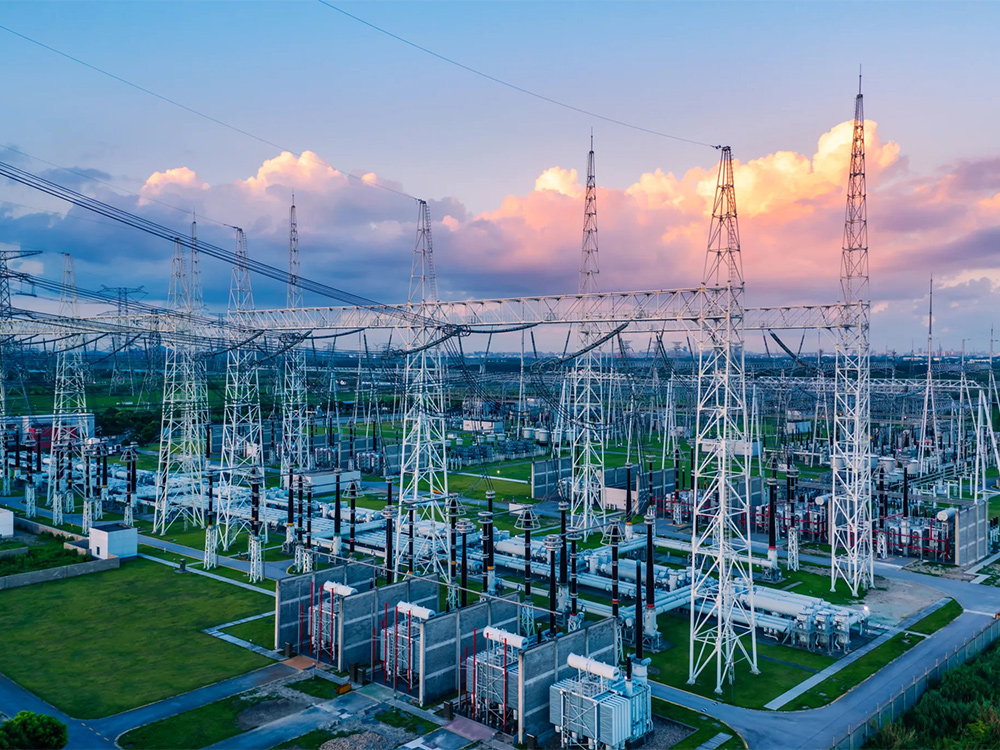
Electric Energy Distribution


New Energy Power Generation
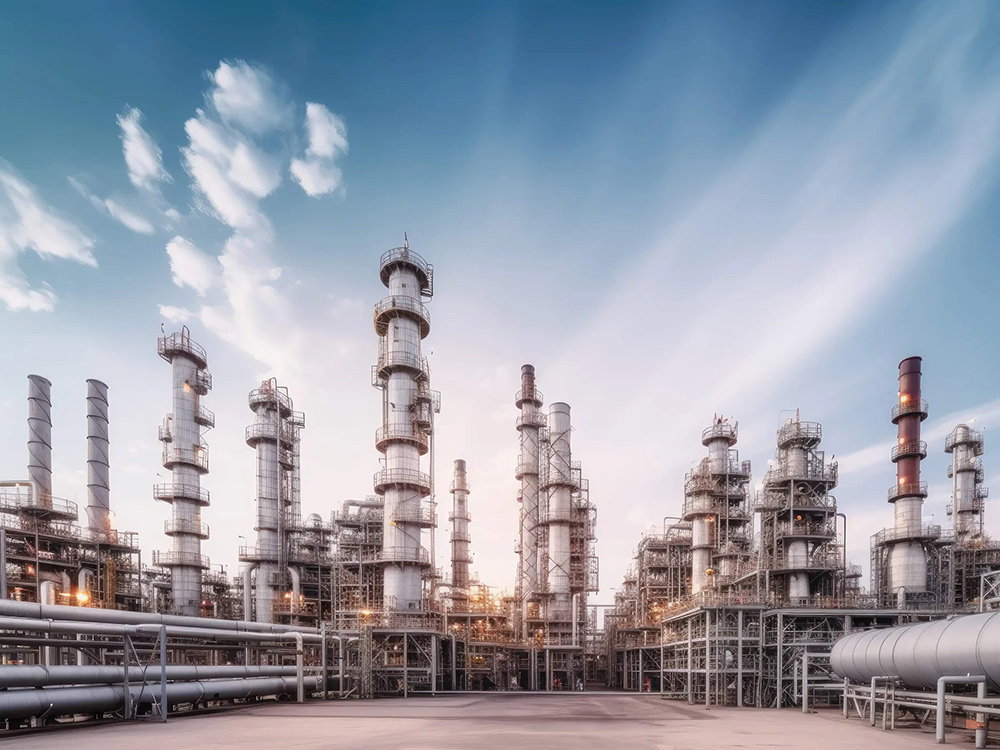
Industrial Manufacturing & Automation

Building & Municipal Engineering

Infrastructure Construction
Selecting the optimal transformer specification requires careful evaluation of multiple technical and site-specific factors.
When specifying oil immersed transformers for urban residential electricity distribution projects, engineers and procurement teams must consider a comprehensive set of parameters. Capacity selection must account not only for current connected loads but also for anticipated demand growth from EV adoption, air conditioning saturation, and smart home electrification over the transformer's 30-year service life. Voltage regulation requirements vary by building type and distance from the substation.
Installation environment is equally critical. Urban residential transformers may be installed indoors in building basements, in pad-mounted enclosures in landscaped areas, or in underground vault substations. Each environment imposes different requirements for cooling system design, noise emission limits, seismic rating, and protection class. Modern urban projects increasingly specify low-noise designs with sound levels below 55dB to comply with residential noise ordinances.
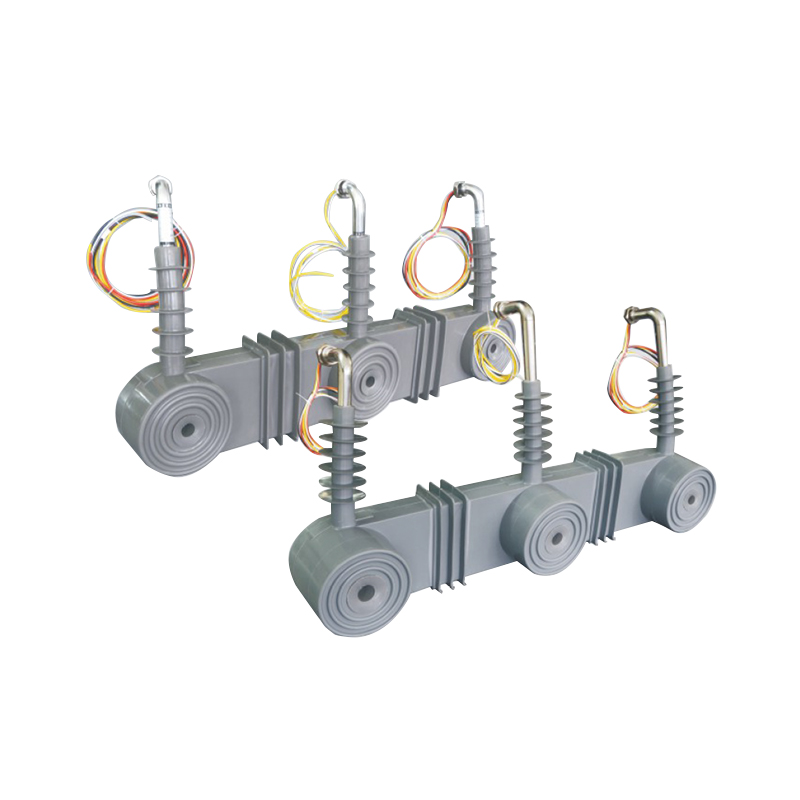
Explore our full range of current transformers, voltage transformers, and distribution equipment engineered for urban residential electricity networks.
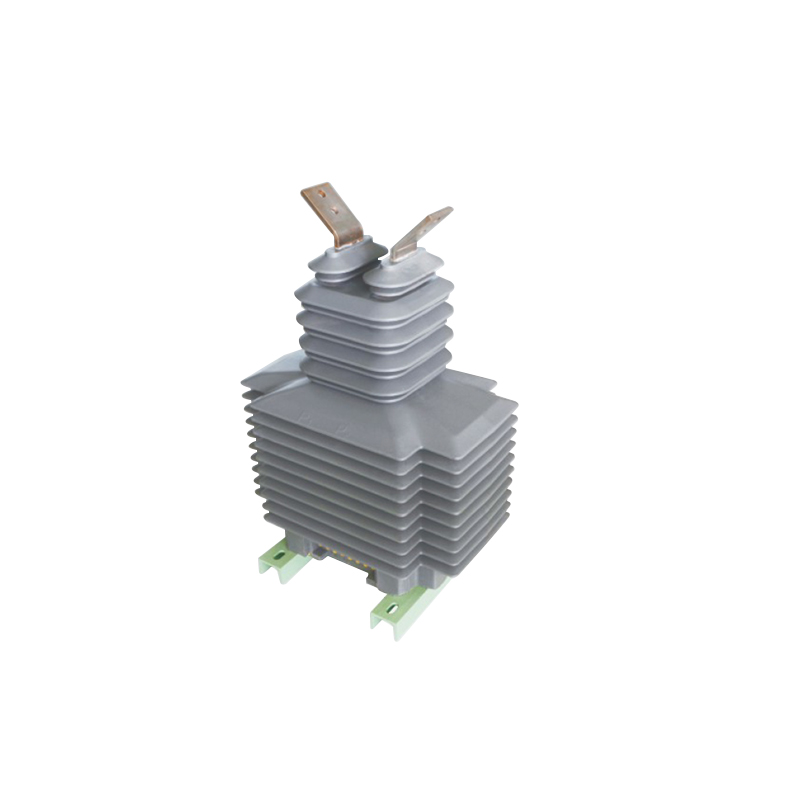
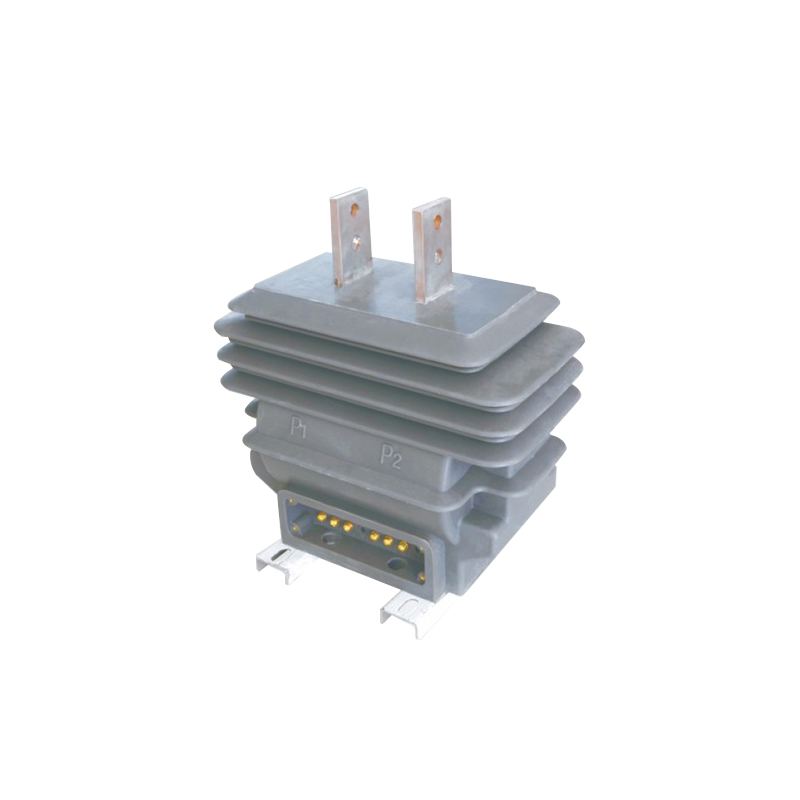
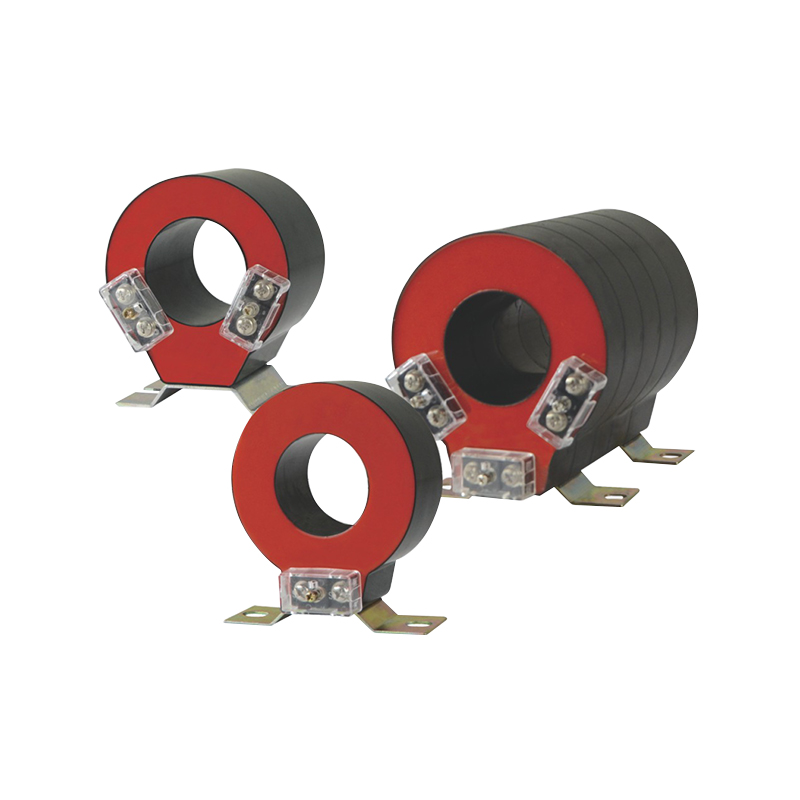
Contact Suian Industrial Control for expert consultation on oil immersed transformer selection, specification, and supply for your urban residential electricity distribution project.
Explore Our Full Product Range