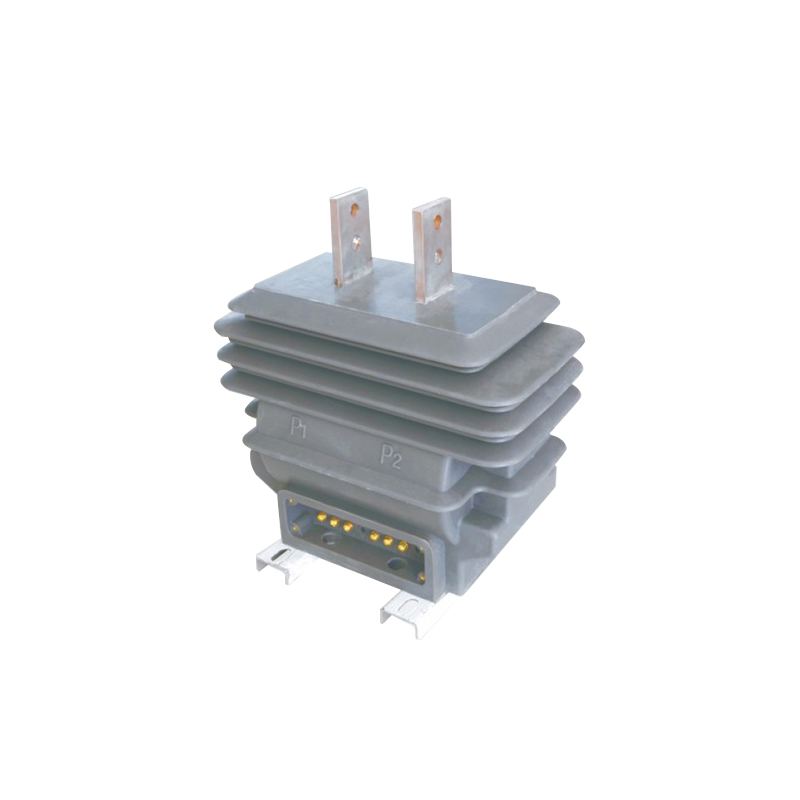
Leave Your Message
Explore our specialized electrical control and transformer solutions engineered specifically for the harsh demands of renewable energy generation, voltage regulation, and phase synchronization.
The global transition toward renewable energy has catalyzed an unprecedented expansion of wind farms, both onshore and offshore. However, integrating these massive, intermittent power sources into legacy electrical grids presents severe engineering and commercial challenges. The inherent variability of wind speed leads to constant fluctuations in active and reactive power, resulting in voltage instability, harmonic distortions, and dangerous phase angle discrepancies between the generated power and the main grid. This is where the Phase Transformer for Renewable Energy Wind Farm Integration becomes an indispensable asset.
Commercially, the market for Phase Shifting Transformers (PSTs) and advanced current/voltage transformers tailored for wind energy is experiencing exponential growth, projected to be a multi-billion dollar sector by the end of the decade. Transmission System Operators (TSOs) worldwide are implementing incredibly stringent "Grid Codes." These codes mandate that wind farms must not only supply power but also actively contribute to grid stability through Fault Ride-Through (FRT) capabilities and dynamic voltage control. Failure to comply results in forced curtailment—where wind farms are disconnected from the grid, leading to massive financial losses for developers.
Industrially, modern phase transformers serve as the critical "buffer" and "synchronizer." They control the flow of active power over complex transmission networks, preventing line overloads and ensuring that the electrical phase angle perfectly matches the receiving grid. By investing in high-quality, AI-integrated phase transformers, wind farm operators can guarantee higher energy yield, eliminate grid penalty fees, and dramatically improve their Return on Investment (ROI). Suian Industrial Control stands at the forefront of this revolution, delivering robust, high-precision transformers designed to withstand the brutal mechanical and electrical stresses of modern wind generation.
From the depths of the ocean to the heart of smart cities, our transformer technology ensures seamless energy flow. Below are in-depth analyses of how our solutions perform across diverse and highly demanding wind energy integration scenarios.
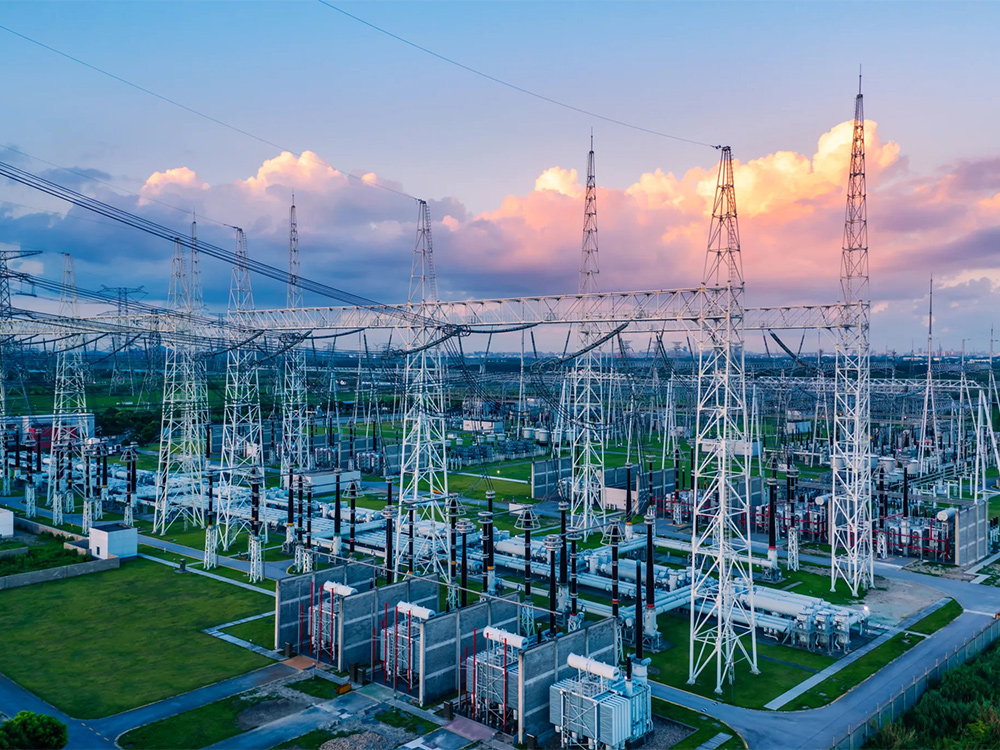
Offshore wind farms represent the pinnacle of renewable energy potential, offering stronger and more consistent wind profiles. However, transmitting this power over dozens or hundreds of kilometers of subsea High Voltage Alternating Current (HVAC) or Direct Current (HVDC) cables introduces massive reactive power generation and severe phase shift issues. Our specialized high-voltage phase transformers are engineered to operate in highly corrosive, saline environments.
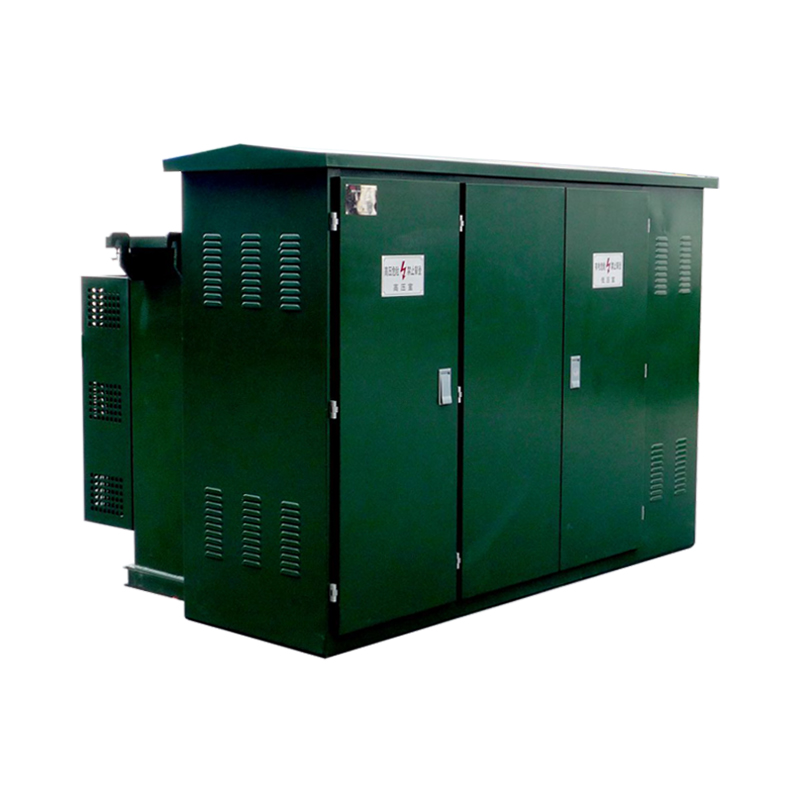
In these offshore substations, the transformers act to precisely align the phase angles before the power hits the mainland grid. They compensate for the capacitive charging currents of the long subsea cables, preventing voltage spikes that could catastrophically damage the transmission infrastructure. The reliability of our equipment here is paramount, as offshore maintenance is notoriously expensive and weather-dependent. By utilizing advanced insulation materials and hermetically sealed designs, we ensure decades of uninterrupted power synchronization.

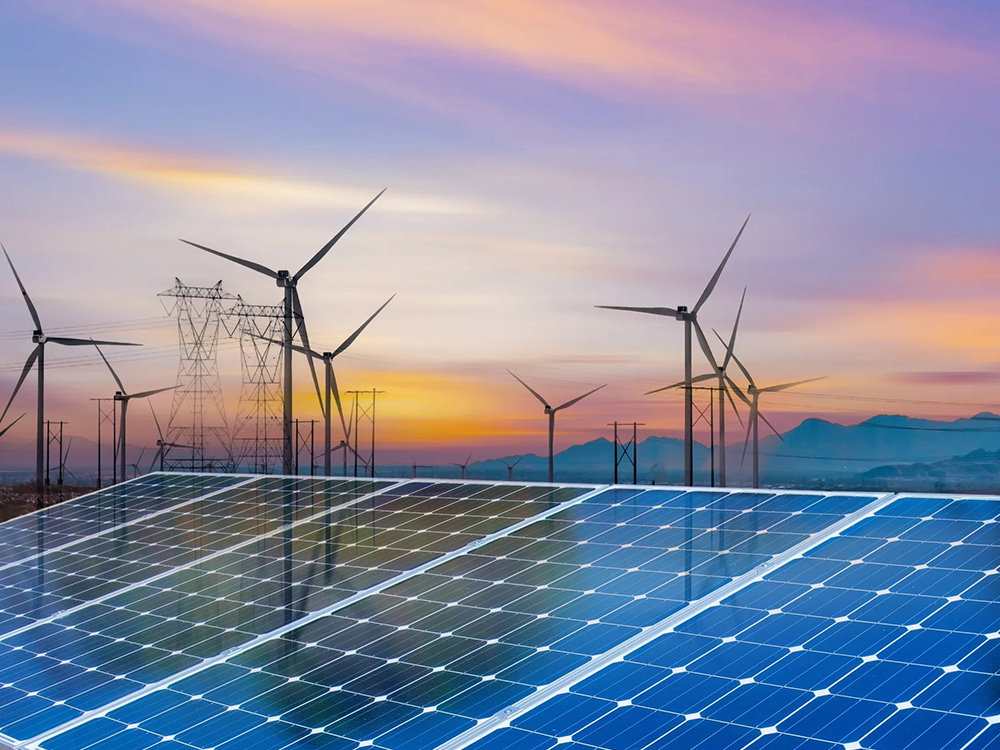
The rapid expansion of onshore wind power often occurs in remote, topographically challenging areas where the existing grid infrastructure is weak or outdated. Integrating hundreds of megawatts of volatile wind energy into these legacy grids can cause severe power flow bottlenecks. Our phase transformers provide the vital function of routing power away from congested transmission lines and forcing it through parallel lines that have available capacity.
This dynamic power routing is achieved by injecting a phase-shifted voltage in series with the line, effectively altering the effective phase angle between the sending and receiving ends. This capability allows grid operators to maximize the utilization of existing transmission assets without the need for multi-billion-dollar infrastructure upgrades. Furthermore, our transformers provide essential zero-sequence protection, instantly isolating ground faults to protect the wind turbines and the broader grid from cascading failures.
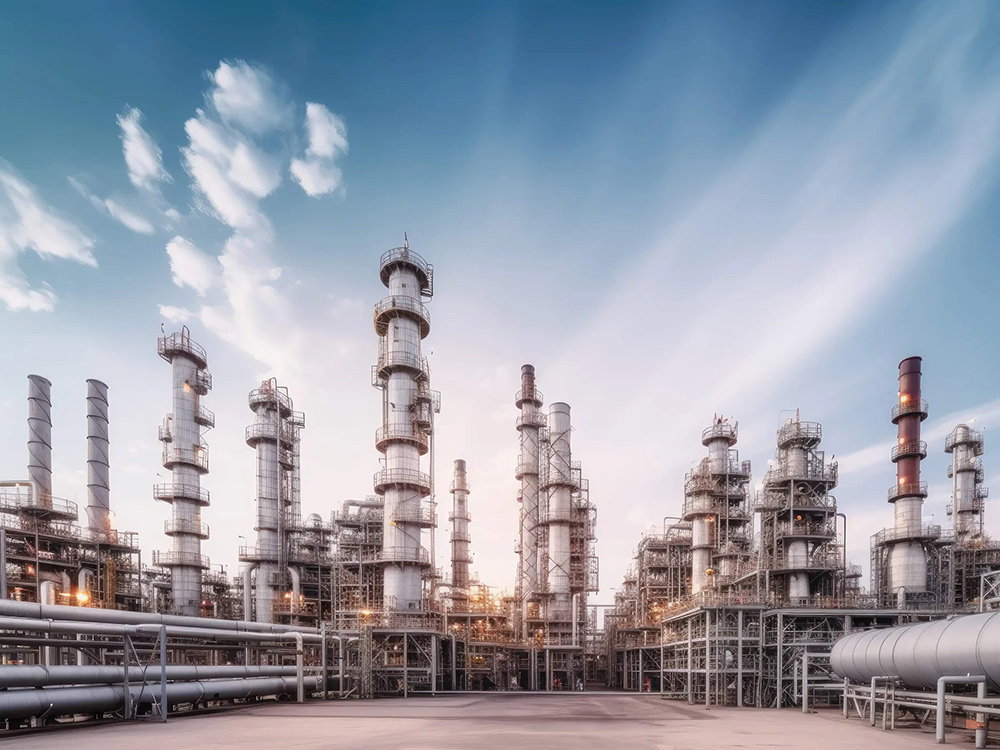
Modern industrial manufacturing facilities are increasingly developing their own behind-the-meter microgrids, integrating local wind turbines to reduce carbon footprints and energy costs. However, heavy industrial machinery—such as massive induction motors, arc furnaces, and automated robotic assembly lines—is extremely sensitive to power quality. Even a microsecond of phase imbalance or voltage sag caused by a sudden drop in wind speed can halt production lines, costing millions in downtime.
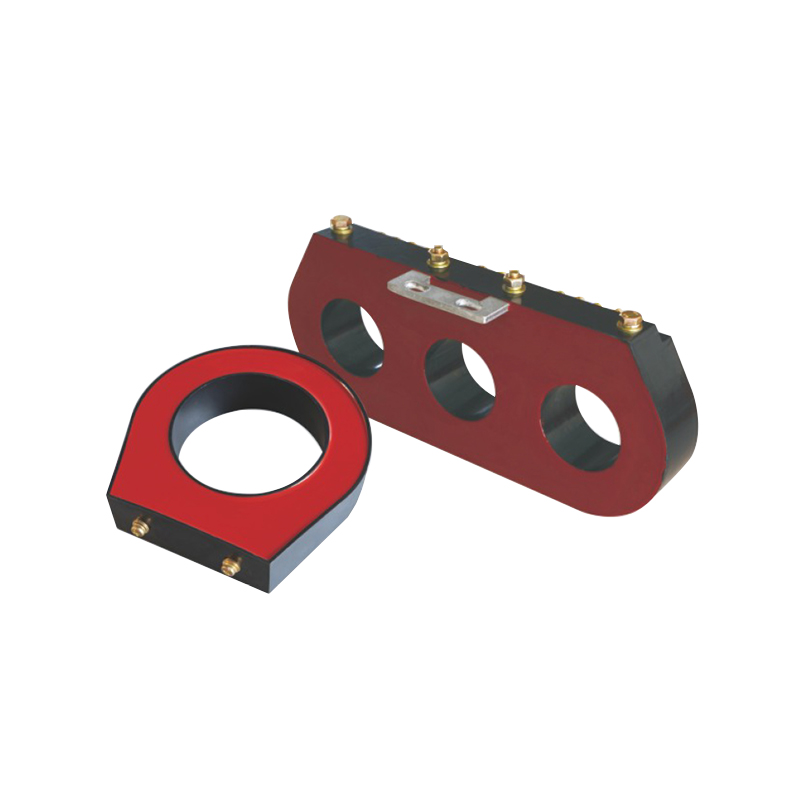
Our combined transformers and current/voltage monitoring systems act as the "nerves" of these industrial microgrids. They provide real-time, high-accuracy phase measurement, interfacing directly with the factory's automated control systems. By actively filtering harmonics and ensuring perfect phase symmetry, our transformers allow heavy industries to utilize green wind energy without compromising the rigorous power quality demands of modern automation and robotics.

As urban centers evolve into "Smart Cities," the integration of distributed renewable energy sources directly into municipal grids is becoming standard practice. Distributing wind energy to commercial complexes, hospitals, and residential areas requires an incredibly high standard of safety, efficiency, and intelligence. Urban substations are space-constrained and require compact, environmentally friendly equipment.
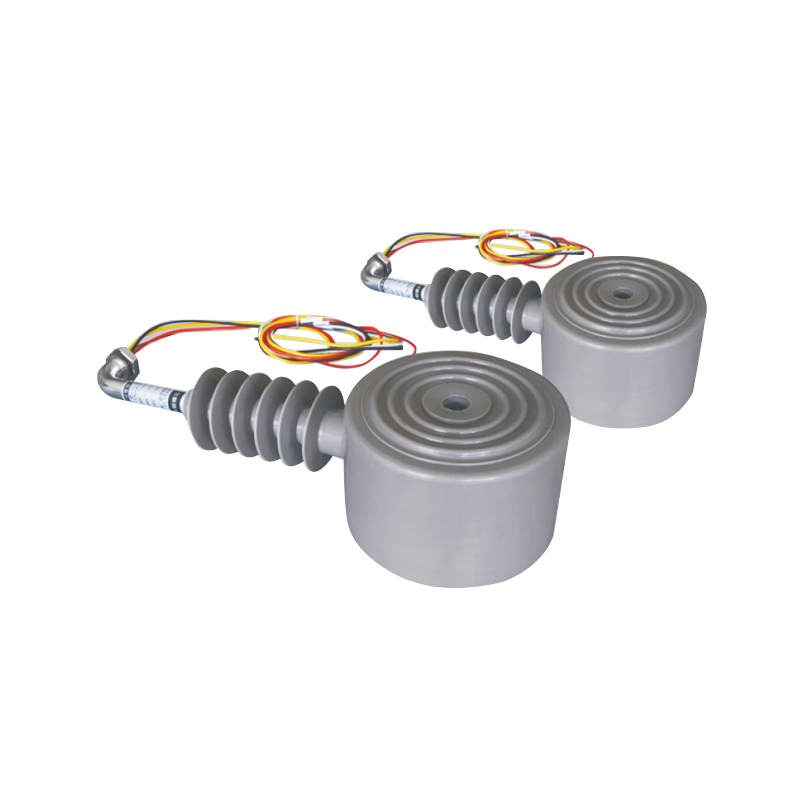
Our indoor voltage transformers and electronic transformers are specifically designed for ring network cabinets used in municipal engineering. They offer a highly compact footprint, utilizing advanced solid-state insulation or eco-friendly ester fluids instead of traditional mineral oils, eliminating fire hazards in densely populated areas. These transformers ensure that the fluctuating wind energy is smoothed, synchronized, and safely stepped down for end-point lighting, EV charging stations, and critical municipal infrastructure.
Major infrastructure projects—such as transcontinental railways, remote mining operations, and large-scale water conservancy dams—often rely on dedicated wind farms to provide power in off-grid or edge-of-grid locations. These environments subject electrical equipment to severe temperature fluctuations, extreme vibrations, and heavy dust or moisture.
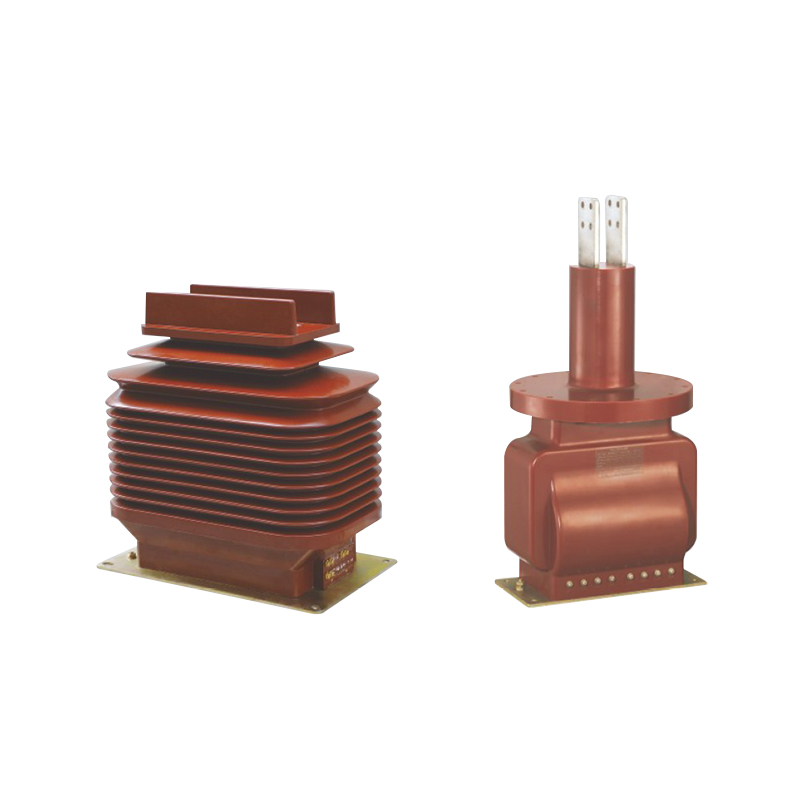
Our outdoor inverted current transformers and robust combined transformers provide full-cycle support for these mega-projects. For instance, powering high-speed electric railways with wind energy requires managing massive, sudden single-phase loads as trains accelerate. Our phase transformers dynamically balance these asymmetrical loads across the three-phase grid, preventing negative sequence currents from destabilizing the local wind turbines. They guarantee durability and reliability, ensuring that critical infrastructure remains operational regardless of environmental harshness.
The future of the Phase Transformer For Renewable Energy Wind Farm Integration lies at the intersection of heavy electrical engineering and cutting-edge Artificial Intelligence. As power grids become more decentralized, the sheer complexity of managing phase angles across thousands of wind turbines exceeds human operational capacity. The integration of AI and IoT (Internet of Things) is transforming passive transformers into active, intelligent grid nodes.
By embedding smart sensors that continuously monitor Dissolved Gas Analysis (DGA), temperature gradients, and partial discharge, our AI algorithms can predict transformer anomalies months before a physical failure occurs. This predictive capability is crucial for remote wind farms, drastically reducing unplanned downtime and maintenance costs.
Future grid codes will require sub-second response times to frequency drops. Integrated machine learning models utilize weather forecasting data to predict wind gusts, proactively adjusting the transformer's tap changers and phase angles in real-time. This ensures absolute grid stability even during violent atmospheric changes.
The next generation of phase transformers will seamlessly interface with Battery Energy Storage Systems (BESS). When wind generation exceeds grid capacity, the smart transformer will automatically divert the perfectly synchronized power into storage arrays, creating a truly dispatchable, zero-curtailment renewable energy ecosystem.
Looking further into the decade, the industry is trending toward Solid-State Transformers (SST) based on high-power silicon carbide (SiC) semiconductors. These digital transformers will offer unprecedented control over voltage and phase without mechanical tap changers, significantly reducing the size and weight of offshore substation equipment. Suian Industrial Control is actively researching these advanced topologies to ensure our clients remain at the absolute vanguard of renewable energy integration technology. Our commitment is to provide products that not only meet today's rigorous grid demands but are fully adaptable to the smart grids of tomorrow.
Discover our full range of high-quality transformers, meticulously engineered for power control, automation, and new energy applications.