

Leave Your Message
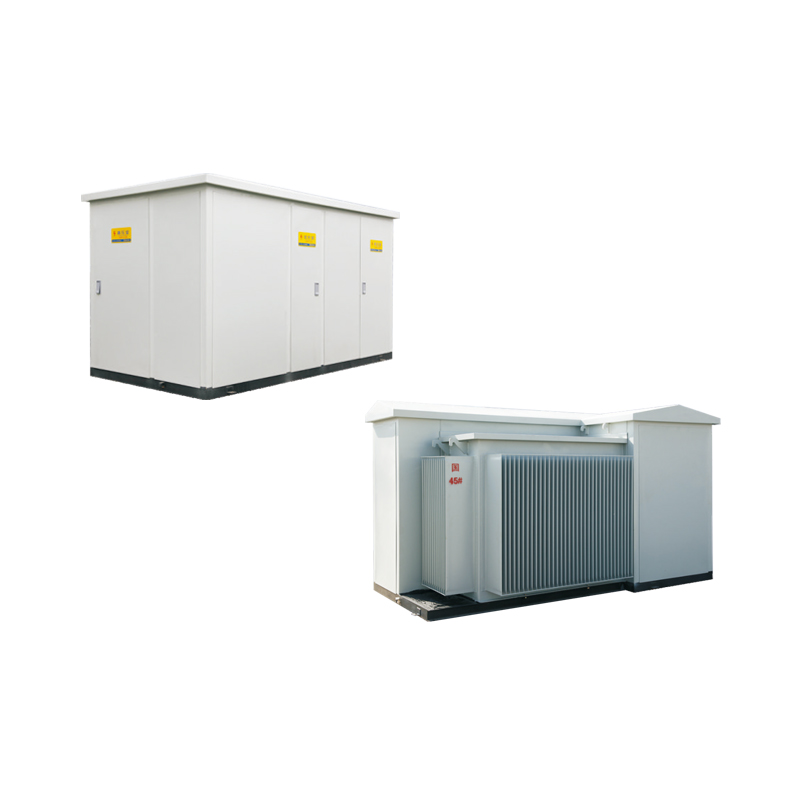

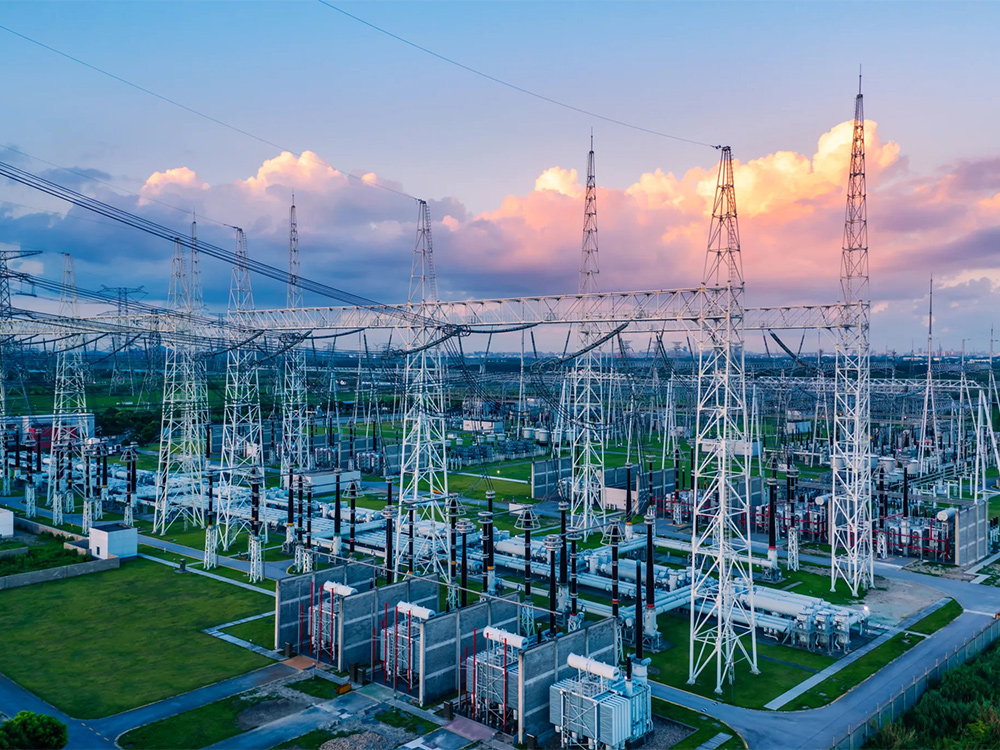

A Potential Transformer (PT) — also referred to as a Voltage Transformer (VT) — is a precision instrument transformer designed to step down high voltages to safe, standardized secondary levels for metering, protection relaying, and monitoring systems. In fire-sensitive indoor environments, the selection of transformer technology is not merely a performance consideration: it is a critical life-safety decision.
Dry-type potential transformers eliminate the use of flammable insulating oil entirely, instead relying on solid cast-resin encapsulation or air-cooled insulation systems. This fundamental design distinction makes them the definitive choice for enclosed indoor spaces — including hospitals, data centers, high-rise buildings, underground transit stations, and industrial facilities — where the consequences of a transformer fire could be catastrophic.
Traditional oil-immersed transformers have long been the backbone of power distribution. However, as urbanization accelerates and electrical infrastructure moves indoors — into basements, switch rooms, and integrated building management systems — the fire risk associated with mineral oil insulation has become an unacceptable liability. A single transformer fire in an enclosed space can cause structural damage exceeding millions of dollars, trigger complete facility shutdowns, and, most critically, endanger human lives.
Global building and electrical codes have responded accordingly. Standards such as IEC 60044, NFPA 70 (NEC), and EN 50588 increasingly mandate or strongly recommend dry-type or non-flammable insulation systems for transformers installed indoors or in fire-restricted zones. This regulatory momentum is one of the primary commercial drivers behind the rapid adoption of dry-type potential transformers worldwide.
The global market for dry-type instrument transformers — including potential transformers — has entered a phase of accelerated expansion. Industry analysts project the dry-type transformer segment to grow at a CAGR exceeding 7.5% through 2030, driven by the following macro-level forces:
Beyond fire safety, dry-type potential transformers deliver a compelling suite of technical and operational benefits that justify their growing adoption across commercial and industrial sectors:
Suian Industrial Control has a rich product line, widely used in various fields such as power control, mechanical operation control, automation control, new energy, robots, and more — delivering fire-safe dry-type potential transformer solutions across every critical sector.
The next generation of dry-type potential transformers is being designed with digital intelligence built in. Emerging products integrate IEC 61850-compliant digital outputs, enabling direct communication with substation automation systems, SCADA platforms, and building energy management systems (BEMS). This shift from analog to digital measurement eliminates secondary wiring runs, reduces installation complexity, and enables real-time voltage data streaming to cloud-based analytics platforms.
IoT-enabled dry-type PTs equipped with embedded sensors can continuously monitor insulation health, operating temperature, and partial discharge activity — transmitting predictive maintenance alerts before failures occur. This capability is transforming potential transformers from passive measurement devices into active participants in intelligent power networks.
Environmental sustainability is reshaping transformer design priorities. Leading manufacturers are transitioning to halogen-free, self-extinguishing resin systems that achieve F1 fire-resistance classification while also meeting stringent RoHS and REACH compliance requirements. Life-cycle assessments now factor into procurement decisions at major utilities and industrial corporations, and dry-type PTs consistently outperform oil-immersed alternatives on environmental impact metrics.
Recyclability of cast-resin materials is also improving, with new thermoplastic resin systems enabling end-of-life material recovery — a significant advantage as circular economy mandates become embedded in public procurement frameworks across the EU and increasingly in North American markets.
As indoor electrical installations trend toward higher-density switchgear assemblies and smaller equipment footprints, potential transformer manufacturers are responding with increasingly compact designs. Modern dry-type PTs for 10kV to 35kV applications are now available in form factors that integrate directly into ring main units (RMUs), compact secondary substations, and prefabricated switchgear cubicles — enabling fully factory-assembled, tested, and fire-safe distribution solutions.
Navigating the global regulatory environment for indoor transformer installations requires expertise across multiple overlapping standards frameworks:
| Standard / Code | Jurisdiction | Key Requirement for Indoor Dry-Type PTs |
|---|---|---|
| IEC 60044-2 / IEC 61869-3 | International | Accuracy class, insulation level, and fire classification requirements for inductive voltage transformers |
| NFPA 70 (NEC) Article 450 | USA | Mandates dry-type or listed non-flammable fluid transformers for indoor installations in most occupancy types |
| EN 50588-1 | European Union | Eco-design requirements for medium power transformers, promoting energy-efficient and low-loss designs |
| GB/T 20840.3 | China | National standard for instrument transformers including accuracy and dielectric test requirements |
| IEC 60076-11 | International | Dry-type power transformers — specifies fire-resistance classes F0, F1, and thermal class requirements |
When specifying potential transformers for fire-sensitive indoor dry-type installations, engineers and procurement specialists should evaluate the following parameters:



Suian Industrial Control delivers a comprehensive range of dry-type potential transformers and instrument transformers engineered for fire-sensitive indoor installations across power, energy, industrial, and building sectors. Our products meet international standards including IEC, GB/T, and NFPA requirements, backed by rigorous factory testing and third-party type test certification. From standard catalog products to fully customized solutions, we support your project from specification through commissioning.
Explore Our Full Product Range