

Commercial & Industrial Status of Potential Transformers
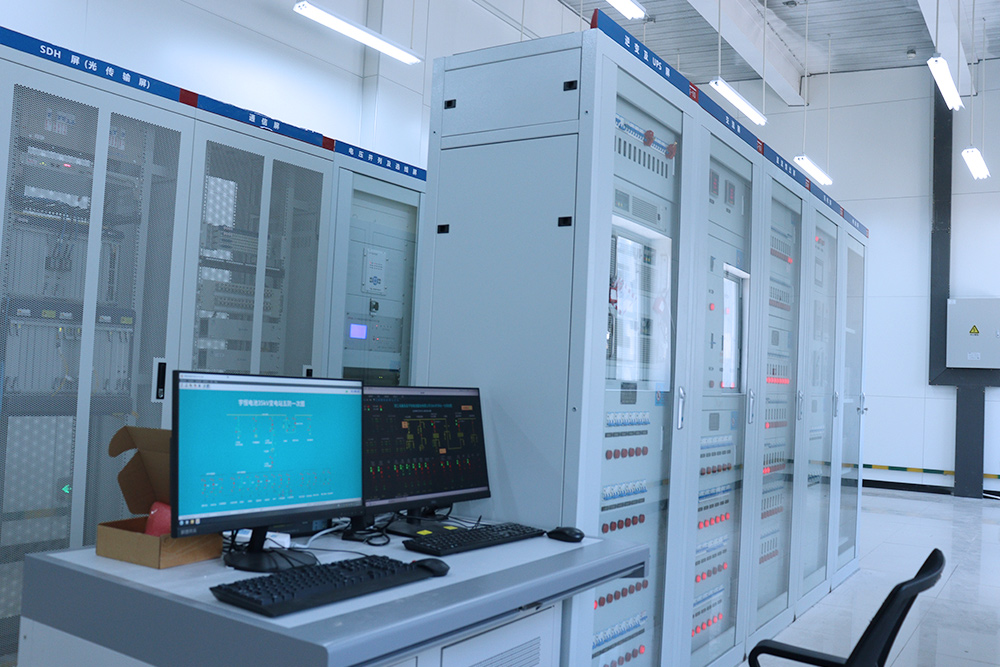
In modern power distribution networks, Potential Transformers (PTs), also known as voltage transformers, serve as the foundational sensory organs of the electrical grid. Within industrial substations, these devices step down high transmission and distribution voltages (ranging from 3kV to 110kV and above) to standardized low-voltage levels (typically 100V or 100/√3V). This precise step-down mechanism allows secondary instruments, such as protective relays, revenue meters, and microcomputer-based monitoring systems, to operate safely and accurately.
The global commercial landscape for Potential Transformers is undergoing a profound transformation driven by rapid industrialization, grid modernization, and the integration of large-scale renewable energy sources. According to recent market studies, the demand for medium-voltage potential transformers—specifically in the 10kV to 40.5kV range—is growing exponentially. Industrial enterprises, including petrochemical plants, steel mills, mining operations, and massive data centers, require a continuous, highly stable power supply. Any voltage fluctuation or measurement error can lead to catastrophic equipment failures, costly production downtime, or inaccurate utility billing.
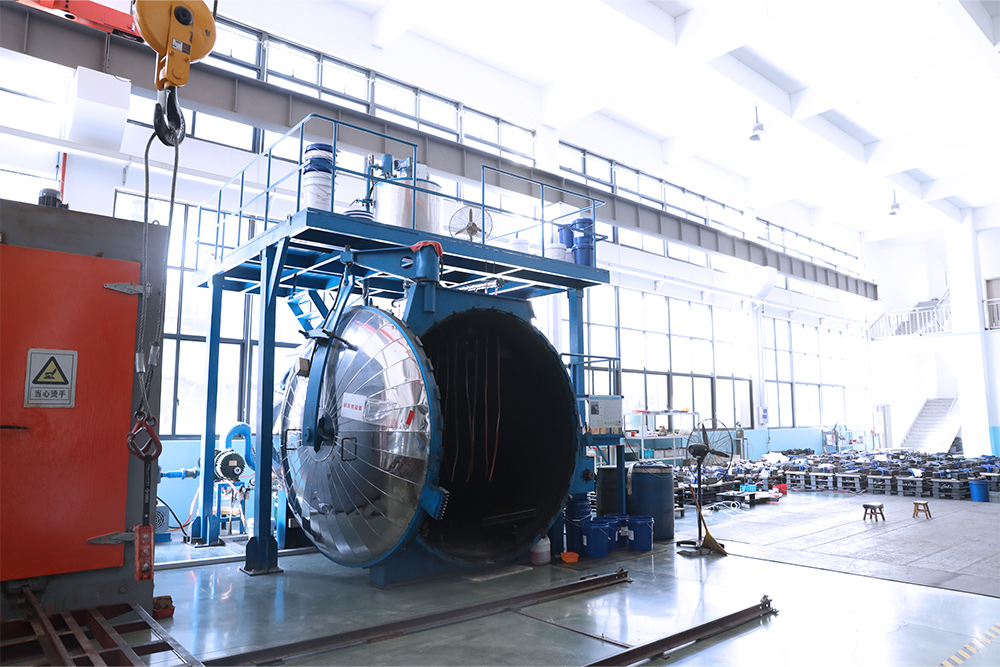
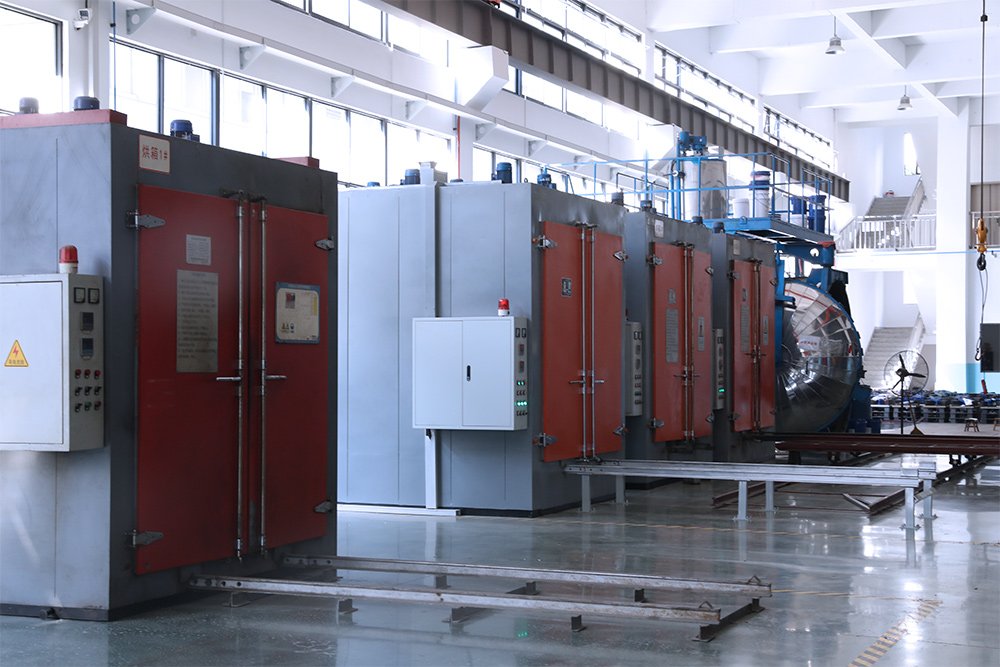
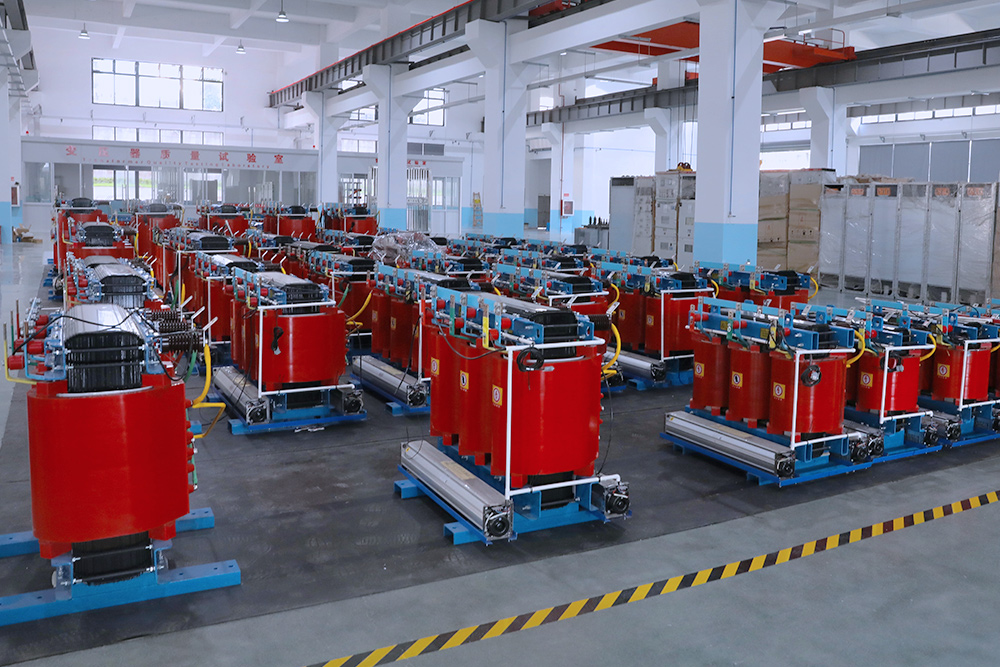
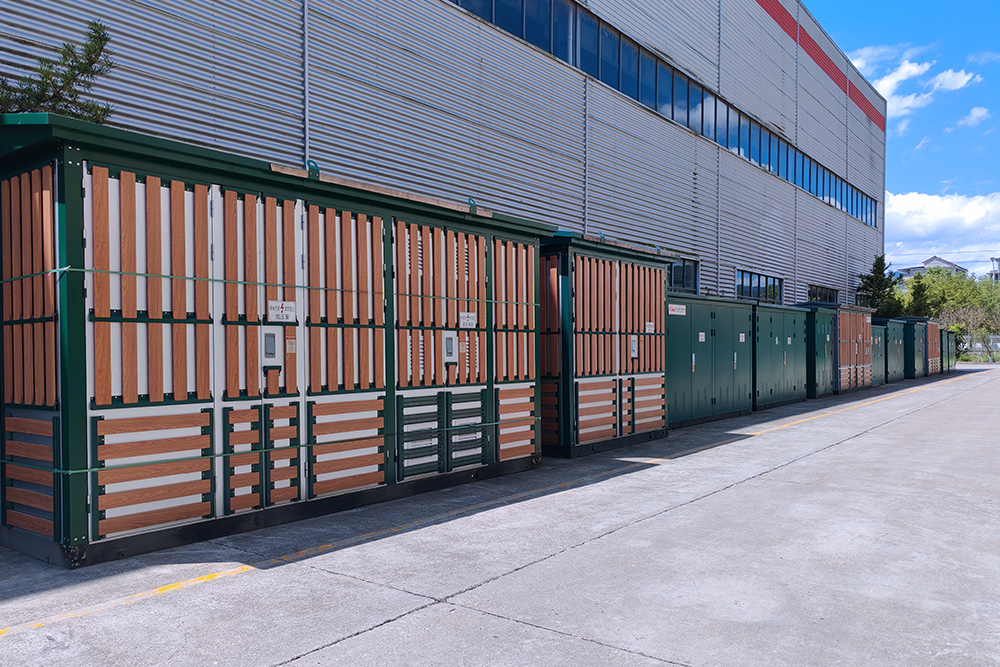
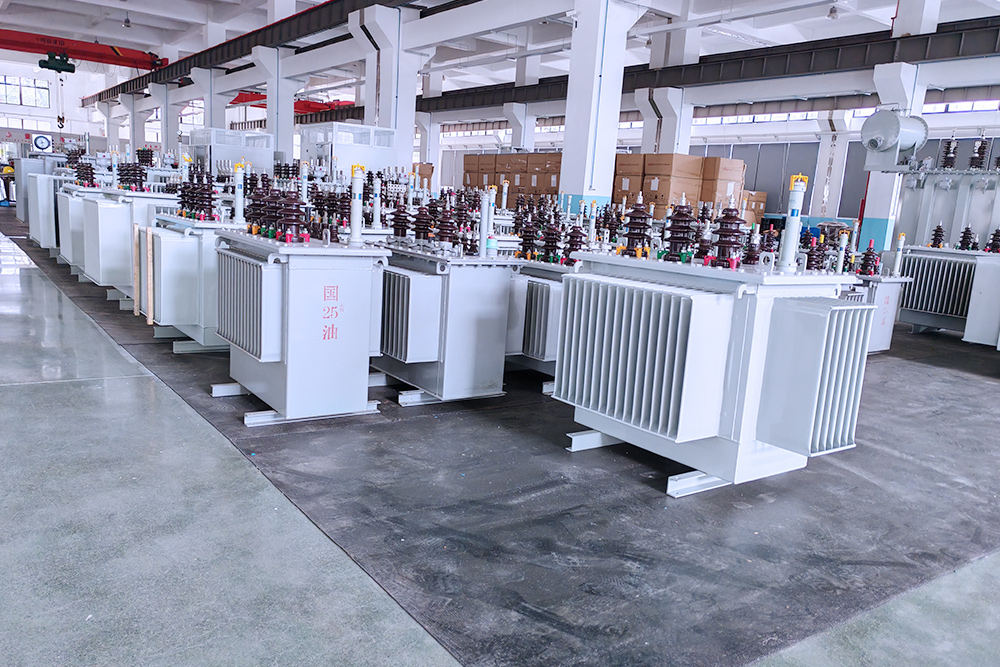
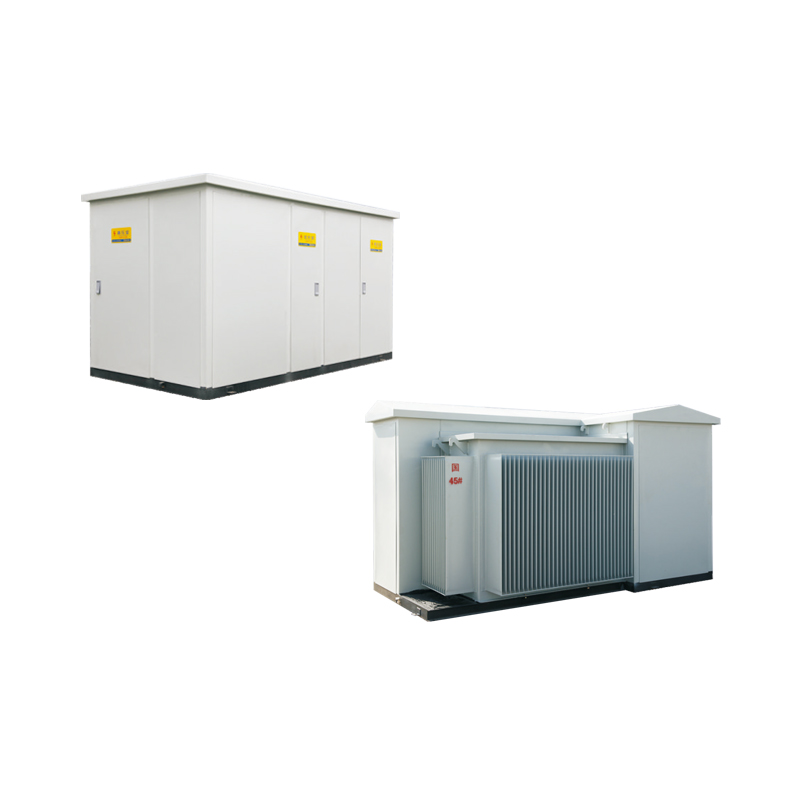
Consequently, manufacturing standards for PTs have become increasingly stringent. Modern industrial substations are transitioning away from traditional oil-immersed voltage transformers toward epoxy resin cast, dry-type potential transformers like the JDZ(X)(9,10)-3, 6, 10 series. These dry-type transformers offer superior flame-retardant properties, maintenance-free operation, and excellent resistance to moisture and environmental contaminants, making them the preferred choice for indoor switchgear installations and compact substations.
"The integration of digital substations and smart grids demands that potential transformers deliver not only traditional high-voltage isolation but also high-frequency response and digital signal output capabilities to support real-time SCADA analysis."